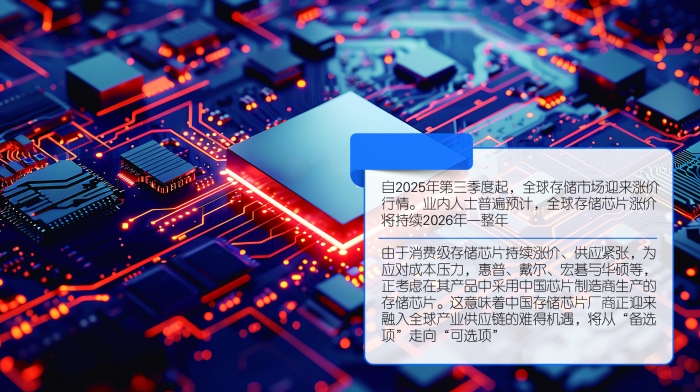
存储芯片涨价

Search documents
卖不出了?2026开年笔记本电脑线上销量近乎腰斩
猿大侠· 2026-03-29 04:21
Core Viewpoint - The notebook market is experiencing a significant downturn, with sales volume dropping by 40.5% year-on-year to 947,000 units, and sales revenue falling to 5.99 billion yuan, also down over 40% [1][2]. Group 1: Market Dynamics - Lenovo holds the largest market share at approximately 35%, followed by HP at around 14%, ASUS at about 12%, and Mechanical Revolution and Apple at approximately 8% and 7% respectively [4]. - A typical fluctuation in consumer electronics sales ranges from 10% to 20% annually, but a decline exceeding 40% indicates deeper issues, such as high previous year demand or market problems like rising costs and lack of consumer interest [4]. Group 2: Causes of Decline - The 40.5% drop in notebook sales is attributed to a combination of rising storage chip prices and demand being pulled forward from future periods [5]. - The surge in storage chip prices is identified as a direct trigger for the sales decline [6]. - By the second half of 2025, AI server demand is expected to significantly reduce the production capacity available for consumer-grade DRAM and NAND Flash, leading to substantial price increases [7]. Group 3: Price Trends - NAND Flash contract prices are projected to rise by 33% to 38% quarter-on-quarter by Q4 2025, while DRAM prices may increase by 45% to 50% [7]. - In Q1 2026, consumer electronic storage prices are anticipated to rise over 60%, with NAND prices exceeding 70% [7]. - The government subsidies released in 2024-2025 have led to a concentrated demand for upgrades, resulting in a 30% to 40% reduction in terminal prices during promotional periods, which is expected to normalize in Q1 2026 [7]. Group 4: Future Outlook - According to Wedbush Securities, DRAM and NAND prices are expected to rise significantly, with potential increases of 130% to 150% for DRAM and similar levels for NAND in the first half of 2026 [8]. - The cost structure of notebooks is likely to be affected as both storage chips and CPUs are set to increase in price, with CPU price hikes of 10% to 15% announced by Intel and AMD [10]. - The combined cost of storage chips and CPUs in the bill of materials (BOM) could rise from approximately 45% to 58%, potentially leading to a 40% increase in the retail price of mainstream notebooks [10].




手机全面涨价,这回有得等了
芯世相· 2026-03-28 01:07
Core Viewpoint - The recent price increases in smartphones are primarily driven by the soaring costs of storage chips, which have seen significant price hikes due to increased demand from AI infrastructure and supply constraints from major manufacturers like Samsung, SK Hynix, and Micron [5][6][7]. Group 1: Price Increases in Smartphones - OPPO initiated the first wave of price adjustments for several models, followed by vivo and other brands, indicating a collective trend of price hikes across the smartphone industry [5][6]. - The price adjustments are particularly pronounced in mid-range and low-end models, with many devices seeing increases of 100 to 1000 yuan [9][17][18]. - The cost structure of smartphones reveals that storage chips represent a significant portion of the overall bill of materials (BOM) cost, especially in lower-end devices, making them more vulnerable to price fluctuations [10][14]. Group 2: Impact of Storage Chip Prices - The recent surge in storage chip prices has exposed the weaknesses in the business model of mid-range smartphones, where cost elasticity is low [10][14]. - For example, the storage cost for an iPhone 17 Pro Max is approximately 300 yuan, which is negligible compared to its overall price, while for a mid-range device priced around 2000 yuan, the storage cost can account for as much as 43% of the BOM [14][15]. - The current market dynamics suggest that brands with a higher proportion of low-end models will face greater pressure due to rising costs [15][16]. Group 3: Historical Context and Market Dynamics - The last major storage cycle from 2016 to 2018 saw similar conditions, leading to significant market consolidation and the exit of many second-tier brands [21][27]. - The absence of a buffer layer provided by these second-tier brands means that current price increases are more likely to be passed on to consumers, as leading brands have less room to maneuver [28][29]. - The concentration of power among storage chip manufacturers has increased, with the top three companies controlling 99% of the market, reducing the bargaining power of smartphone manufacturers [29][32].



手机全面涨价,这回有得等了
创业邦· 2026-03-25 10:44
Core Viewpoint - The recent price increases in smartphones are primarily driven by the soaring costs of storage chips, which have seen a dramatic rise due to increased demand from AI infrastructure and limited supply from major manufacturers [6][9]. Group 1: Price Adjustments - OPPO initiated the first wave of price adjustments for its A series, K series, and some OnePlus models, followed by vivo and other brands like Redmi and Honor [5][6]. - The price hikes are particularly pronounced in the mid-range segment, with many models seeing increases of 100 to 1000 yuan [8][16]. Group 2: Impact of Storage Chip Prices - The price surge in storage chips has disproportionately affected mid-range smartphones, which have less cost elasticity compared to high-end models [9][13]. - For instance, the storage cost for the iPhone 17 Pro Max is approximately 300 yuan, which is negligible for its overall price, while for mid-range devices, storage costs can account for up to 43% of the BOM [13][14]. Group 3: Market Dynamics - The current market dynamics show that brands with a higher proportion of low-end models face greater pressure from rising costs, leading to a necessity for price increases [14][27]. - In contrast, brands like Huawei and Apple have managed to lower prices on some models, indicating a different strategy in response to market conditions [15][18]. Group 4: Historical Context - The current storage chip price cycle is reminiscent of the 2016-2018 period, which also saw significant price increases due to supply constraints and rising demand from both smartphone manufacturers and data centers [20][21]. - The absence of a "buffer layer" of mid-tier brands, which previously absorbed some of the cost pressures, has made the current situation more challenging for leading brands [28][29]. Group 5: Supply Chain Challenges - The concentration of power among a few storage chip manufacturers (Samsung, SK Hynix, Micron) has diminished the bargaining power of smartphone brands compared to previous years [30][33]. - As demand from cloud computing companies increases, smartphone manufacturers are left with less leverage in negotiations for storage components, leading to higher costs being passed on to consumers [34][37].

小小内存条,压弯了手机厂的腰
经济观察报· 2026-03-20 12:29
Core Viewpoint - The global DRAM memory market is experiencing significant price increases, leading major manufacturers like Samsung, SK Hynix, and Micron to stop quoting prices to downstream manufacturers, resulting in a volatile pricing environment where prices can change hourly [1][3]. Group 1: Price Increases and Market Reactions - Major smartphone brands such as OPPO, vivo, and iQOO have announced price hikes due to rising storage chip costs, with the cost of a 12GB+256GB memory combination increasing from around $30 to $120-130 [2][5]. - The price of Samsung's LPDDR4X memory surged from $6 to $25 per unit within six months, and by early 2026, prices had increased nearly 400% from a baseline of $28.5 [2][3]. - The demand for high-bandwidth memory (HBM) and DDR5 has skyrocketed due to the AI industry's growth, leading manufacturers to allocate most of their production capacity to high-priced products, impacting the availability of consumer-grade memory [2][3]. Group 2: Strategic Decisions by Manufacturers - Smartphone manufacturers face a dilemma between absorbing losses to maintain market share or raising prices and potentially losing sales [3][4]. - Brands like Honor have opted to raise prices on higher memory versions while keeping base models stable to retain customer loyalty [6][7]. - Huawei has not yet raised prices but has canceled sales incentives for its channels, indicating a cautious approach amid rising costs [7]. Group 3: Impact on Low-End Market - The rising costs of storage components have significantly affected low-end smartphone manufacturers, with the cost of storage in budget phones increasing from a few dollars to over $20, making it difficult for consumers to accept higher prices [9][11]. - Transsion, a major player in emerging markets, has been particularly impacted, experiencing a significant drop in net profit and market share due to rising storage costs [9][10]. - The price hikes have forced some brands to cancel product launches, as seen with Meizu's cancellation of the Meizu 22 Air due to increased design costs and storage prices [10][11]. Group 4: Long-Term Market Outlook - The current storage price surge is expected to last for two to three years, with high points anticipated around mid-2026 [14][15]. - The shift in production focus from DDR4 to DDR5 by major manufacturers is creating a supply gap that will affect the market for an extended period [16][17]. - The overall smartphone market is facing a prolonged period of cost pressures, with all manufacturers, regardless of size, needing to adapt to the new pricing landscape [17].


内存价格上涨,有车企高管建议:买车趁早
财联社· 2026-03-10 09:39
Core Viewpoint - The automotive industry is facing significant cost pressures due to rising prices of storage chips and raw materials, leading some companies to consider price increases for their vehicles [1][2][3]. Group 1: Price Increases and Cost Pressures - Companies like Lantu and Zeekr are responding to increased costs by potentially raising vehicle prices, with Zeekr's new model expected to see price adjustments of 5,000 to 8,000 yuan [1][2]. - The price of automotive DRAM is projected to rise significantly, with DDR4 memory prices expected to increase by over 150% and DDR5 by 300% starting in the second half of 2025 [2]. - NIO's founder has indicated that the primary cost pressure in the automotive sector is not raw materials but the rising prices of storage chips, which could add 1,000 to 3,000 yuan to the cost of electric vehicles [3]. Group 2: Impact of AI and Chip Shortages - The competition for chips between the automotive and AI industries is intensifying, with AI-specific memory having much higher profit margins compared to automotive-grade memory [4]. - UBS has warned that chip shortages could disrupt global automotive production as early as the second quarter of this year, particularly affecting electric vehicle manufacturers [5]. - The current chip price increases are attributed to the rise of AI, contrasting with previous shortages caused by pandemic-related demand in consumer electronics [4].

存储涨价后遗症来了!
是说芯语· 2026-03-09 10:59
Core Viewpoint - The semiconductor industry is experiencing a significant price surge in memory chips due to explosive demand and severe supply shortages, impacting various downstream sectors and leading to widespread price adjustments across the market [5][6][10]. Group 1: Memory Chip Price Surge - The global memory market is facing a widening gap due to explosive demand and critical supply shortages, leading to continuous price increases in memory chips [5]. - All categories of memory prices are rising, with DRAM and NAND Flash experiencing significant price hikes, indicating a comprehensive upward trend across the board [6]. - In the DRAM sector, enterprise-level DDR5 memory modules have seen price increases exceeding 600%, while consumer-grade DDR5 modules have risen by 250% to 400% [7][8]. Group 2: Impact on Data Centers and AI - The price surge in storage chips is significantly affecting the server and data center industries, with costs for high-end AI servers increasing dramatically, leading to project delays and cancellations [10][11]. - Major cloud service providers have begun raising prices for GPU instances, reflecting the increased costs of memory chips and the shift towards a seller's market in the computing power rental sector [11]. Group 3: Consumer Electronics and Smartphone Industry - The smartphone industry is initiating a collective price adjustment, the largest in five years, due to rising component costs, with major brands like OPPO and Xiaomi planning price hikes [13][14]. - The impact of memory price increases is more pronounced in mid-range smartphones, where memory costs constitute a larger portion of the overall bill of materials [14][15]. Group 4: PC and DIY Market Adjustments - The PC and DIY markets are also experiencing widespread price increases, with major manufacturers raising prices by 10% to 30% across all product categories [17]. - The second-hand market is witnessing a trend where devices with larger memory capacities are retaining their value better due to the rising prices of new products [17]. Group 5: Impact on the Automotive Industry - The rising costs of memory chips are becoming a significant pressure point for the electric vehicle industry, with estimates indicating that the price increase could add 4,000 to 7,000 yuan to the cost of a typical electric vehicle [19][21]. - The automotive sector's reliance on memory chips is growing, with various systems in smart vehicles increasingly dependent on these components [20][21]. Group 6: Broader Market Implications - The ongoing price increases are reshaping consumer behavior, leading to longer replacement cycles for electronic devices and potentially weakening market demand [24]. - Companies are increasingly migrating IT infrastructure to the cloud to mitigate hardware inflation risks, which may enhance the concentration of the cloud computing industry [24]. - The current price surge presents a historic opportunity for domestic semiconductor manufacturers, as downstream firms are increasing procurement from local suppliers [25].




春节消费观察: 从“换机热”看上海智能终端产业“千亿突围”
Zhong Guo Zheng Quan Bao· 2026-02-26 21:03
Core Viewpoint - The recent "National Subsidy" policy has significantly boosted consumer electronics sales in Shanghai, with a notable increase in both online and offline purchases during the Spring Festival period, indicating a strong recovery in consumer spending [1][4]. Group 1: National Subsidy Policy Impact - The implementation of the "National Subsidy" policy has led to a surge in consumer interest, particularly in offline stores, where the new "instant lottery" system for subsidies has simplified the process and increased participation [2][3]. - Consumers are experiencing high success rates in the offline subsidy lottery, which has become a key attraction for purchasing decisions, with reports of nearly 100% success rates in some stores [3][4]. - The combination of "National Subsidy," store-specific discounts, and trade-in offers has created a compelling value proposition for consumers, driving foot traffic to retail locations [3][4]. Group 2: Market Dynamics and Consumer Behavior - The rising prices of storage chips are creating a complex environment for consumer electronics, as manufacturers face pressure to either raise prices or maintain them while managing profit margins [6][8]. - Consumers are exhibiting a "fear of missing out" mentality, leading to increased urgency in purchasing decisions, as they worry about potential price hikes and the diminishing availability of subsidies in the future [7][8]. - The overall sentiment among consumers reflects a cautious optimism, balancing the benefits of current subsidies against the backdrop of anticipated price increases in electronic products [6][8]. Group 3: Industry Growth and Future Outlook - The Shanghai smart terminal industry is on track to exceed 300 billion yuan by 2027, with plans to cultivate globally influential consumer brands and significant production targets for AI-enabled devices [9][10]. - The upcoming 2026 China Household Appliances and Consumer Electronics Expo is expected to showcase advancements in consumer electronics, highlighting the rapid development of AI-integrated products [10][11]. - Shanghai's robust ecosystem, including over 1,200 integrated circuit companies and a large talent pool in artificial intelligence, positions the city as a leader in the smart terminal industry, fostering innovation and collaboration across the supply chain [11].
春节消费观察:从“换机热”看上海智能终端产业“千亿突围”
Zhong Guo Zheng Quan Bao· 2026-02-26 20:28
Core Insights - The article highlights the significant increase in consumer spending during the Chinese New Year period in Shanghai, driven by the "National Subsidy" policy and a strong demand for consumer electronics [1][2][4]. Group 1: Consumer Behavior and Market Trends - During the Chinese New Year from February 15 to February 22, Shanghai's online and offline consumption exceeded 60.35 billion yuan, marking a 12.8% year-on-year increase [1]. - The "National Subsidy" policy has effectively stimulated consumer interest, with many consumers opting for immediate in-store purchases due to the high success rate of the new offline lottery system [2][3]. - The offline "National Subsidy" has a significantly higher winning rate compared to online applications, making it a more attractive option for consumers [3]. Group 2: Policy Impact and Industry Response - The Shanghai Municipal Commerce Commission introduced a new implementation detail for the "National Subsidy" policy, allowing for real-time lottery participation, which enhances the consumer experience [2]. - The combination of "National Subsidy," store-specific discounts, and trade-in offers creates a triple discount system that has led to increased foot traffic in stores [2][3]. - The rising prices of storage chips are expected to impact consumer electronics pricing, creating a complex market dynamic where manufacturers must choose between raising prices or maintaining volume [4][5]. Group 3: Future Industry Outlook - The Shanghai smart terminal industry is projected to exceed 300 billion yuan by 2027, with plans to develop globally influential consumer brands and leading enterprises [8]. - The upcoming 2026 China Household Appliances and Consumer Electronics Expo will showcase significant advancements in consumer electronics, highlighting the industry's growth and innovation [8][9]. - Shanghai's comprehensive ecosystem for smart terminals, including a robust semiconductor industry and a large talent pool in artificial intelligence, positions it well for future growth [9].
存储涨价潮愈演愈烈 长鑫存储等中国存储力量能否借机破局?
Mei Ri Jing Ji Xin Wen· 2026-02-25 14:28
Core Insights - The ongoing price surge of storage chips is putting pressure on smartphone manufacturers, with Apple considering the introduction of Chinese storage suppliers Yangtze Memory Technologies (YMTC) and Changxin Memory Technologies to meet potential supply demands [1][5]. Group 1: Price Trends - Storage chip prices have been rising significantly, with DDR5 16Gb eTT prices increasing from $4.10 per unit in August 2025 to $24.00 per unit by February 2026, marking a nearly 6-fold increase in just six months [2]. - The price of LPDDR4X and LPDDR5X is expected to rise by 88% to 93% in the first quarter of 2026, while PC DRAM prices for DDR4 and DDR5 are projected to increase by 105% to 110% [2]. - NAND Flash prices are anticipated to rise by 55% to 60% in the first quarter of 2026, indicating a smaller increase compared to DRAM [2]. Group 2: Supplier Dynamics - Samsung and SK Hynix have reportedly completed negotiations with Apple to significantly raise the prices of low-power DRAM (LPDDR) supplied to iPhones, with Samsung's prices increasing by over 80% and SK Hynix's by nearly 100% [3]. - The mobile DRAM market is experiencing a widening supply-demand gap, leading to substantial price increases for LPDDR4X and LPDDR5X, expected to rise by around 90% in the first quarter of 2026, the highest increase on record [3]. Group 3: Opportunities for Domestic Manufacturers - Apple's evaluation of introducing products from Changxin and Yangtze is seen as a strategy to negotiate better prices with existing suppliers [5]. - Changxin's products are already utilized by major companies such as Alibaba Cloud, ByteDance, Tencent, Lenovo, Xiaomi, and others, indicating a strong market presence [5]. - The CEO of a semiconductor consulting firm noted that if Chinese storage products meet certification standards, it is plausible for Apple to adopt them, especially for older product lines with less stringent requirements [5]. Group 4: Product Specifications - Changxin has launched LPDDR5X products, which offer significant improvements in capacity, speed, and power consumption, with speeds reaching up to 10667 Mbps and a 30% reduction in power consumption compared to LPDDR5 [6]. - The LPDDR4X chips from Changxin are characterized by high capacity, speed, bandwidth, and low power consumption, already integrated into the supply chains of major smartphone manufacturers [6].
存储芯片涨价或将贯穿全年 中国产业崛起成“胜负手”
Shang Hai Zheng Quan Bao· 2026-02-24 17:49
Core Viewpoint - The global storage market is experiencing a price surge due to extremely low inventory levels of DRAM and NAND, with major players like SK Hynix predicting that this trend will continue throughout 2026 driven by AI and computing demands [2][3][5]. Group 1: Market Conditions - Current inventory levels for DRAM and NAND are approximately 4 weeks, marking a historical low, leading to increased price expectations as demand from various sectors remains unmet [3]. - SK Hynix reported record revenues and profits for the fiscal year 2025, with operating income reaching 97.15 trillion KRW and a profit margin of 49%, reflecting the ongoing price increases and strong demand in the storage market [4]. Group 2: Supply and Demand Dynamics - The imbalance in supply and demand is attributed to the explosive demand for storage driven by AI applications and slow expansion of cleanroom space necessary for chip manufacturing, limiting supply growth [5]. - Major price increases have been observed, with SK Hynix raising prices for high-end products by 15% to 20% and standard DRAM prices increasing by 10% to 15% in late 2025 [5]. Group 3: Chinese Storage Industry - The rise of the Chinese storage industry is seen as a potential game-changer in the global supply chain, with companies like Yangtze Memory Technologies and ChangXin Memory Technologies leading the charge [7]. - Chinese manufacturers are increasingly being considered by PC makers like HP and Dell for storage solutions, indicating a shift from being an alternative option to a viable choice in the global market [7]. - Predictions suggest that Chinese storage capacity will gradually be released between the second half of 2026 and 2027, potentially alleviating global supply constraints and stabilizing prices [7]. Group 4: Future Outlook - Analysts believe that the current storage cycle's intensity and duration may surpass previous cycles, driven by the ongoing demand from AI and high-performance computing [6]. - Long-term contracts are being discussed between suppliers and major clients to secure future supply and pricing, indicating a strategic shift in the industry [3].