
NMN

Search documents
2025年中国NMN行业研究报告
艾瑞咨询· 2026-03-28 00:08
Core Viewpoint - NMN (β-Nicotinamide Mononucleotide) is gaining attention in the global health industry for its potential anti-aging, DNA repair, and metabolic regulation benefits, with significant developments in regulatory approval and market potential expected by 2025 [1][2]. Industry Development - The NMN industry has evolved from laboratory research to commercial applications, with major markets like the US, Japan, Canada, and Australia recognizing its legal status through various regulatory pathways [1][2]. - China is currently the largest producer of NMN raw materials, with leading companies building competitive barriers through technological innovation and industry chain layout [2]. NMN Definition and Function - NMN is a direct precursor to NAD+ (Nicotinamide Adenine Dinucleotide), crucial for delaying aging and enhancing physiological functions [3][4]. - Supplementing NMN can quickly elevate NAD+ levels in the body, playing a vital role in anti-aging, cardiovascular health, and metabolic improvement [4]. Synthesis Pathways - NMN supplementation shows significant advantages in NAD+ synthesis pathways compared to other precursors, with the highest conversion efficiency and no known adverse effects [6][7]. Natural Sources and Supplementation - Natural food sources of NMN are limited, making NMN supplements, which can provide up to 300 times the intake from dietary sources, more effective [8]. Synthesis Technology - The NMN synthesis process has shifted from chemical methods to fully enzymatic methods, which are safer, more efficient, and environmentally friendly [10][11]. - Leading companies are innovating in full enzymatic synthesis technology, creating competitive advantages through patent applications [12]. Market Trends and Drivers - The demand for NMN is driven by an aging population and increasing awareness of anti-aging among younger demographics, creating a dual market push [19]. - Technological advancements in synthesis, quality testing, and delivery methods are driving the NMN industry towards scale, standardization, and efficiency [21][22]. Application Areas - NMN is primarily used in health supplements and cosmetics, with potential future applications in pet nutrition, medical health, and agricultural technology [24][28]. - The NMN market in China is expected to exceed 3 billion yuan by 2025, with significant growth anticipated as regulatory barriers are lifted [28]. Sales Channels - NMN products are mainly sold through cross-border e-commerce and private channels, with cross-border platforms accounting for 60%-70% of market share [35]. Certification and Compliance - The "blue hat" certification for health supplements in China represents the highest standard for NMN products, with strict approval processes that could reshape the market landscape if achieved [37]. Challenges and Opportunities - The NMN industry faces challenges such as exaggerated claims, lack of consumer awareness, and technological iterations, necessitating compliance and innovation for long-term competitiveness [61][63]. - Companies are encouraged to innovate their business models, extending from raw material supply to comprehensive service providers across the entire industry chain [66].



2025年中国NMN行业研究报告
艾瑞咨询· 2026-03-17 00:08
Core Viewpoint - NMN (β-Nicotinamide Mononucleotide) is gaining attention in the global health industry for its potential anti-aging, DNA repair, and metabolic regulation benefits, with significant advancements in regulatory approval and market potential expected by 2025 [1][2]. Industry Development - The NMN industry has evolved from laboratory research to commercial applications, with major markets like the US, Japan, Canada, and Australia recognizing its legal status through various regulatory pathways [1][2]. - China is currently the largest producer of NMN raw materials, with leading companies building competitive barriers through technological innovation and industry chain layout [2]. NMN Definition and Function - NMN is a direct precursor to NAD+ (Nicotinamide Adenine Dinucleotide), crucial for delaying aging and enhancing physiological functions [3][4]. - Supplementing NMN can rapidly increase NAD+ levels in the body, playing a vital role in anti-aging, cardiovascular health, and metabolic improvement [4]. Synthesis Pathways - NMN supplementation shows significant advantages in NAD+ synthesis pathways compared to other precursors, with the highest conversion efficiency and no known adverse reactions [6][7]. Natural Sources and Supplementation - Natural food sources of NMN are limited, with dietary intake often insufficient to meet effective dosage levels; NMN supplements provide a much higher intake efficiency [8]. Synthesis Technology - The NMN synthesis process has shifted from chemical methods to fully enzymatic methods, focusing on high purity, safety, and environmental sustainability [10][12]. - Leading companies are innovating in full enzyme technology, establishing patents to create competitive advantages in the NMN market [12]. Market Trends and Applications - NMN is primarily used in health supplements and cosmetics, with potential expansion into pet nutrition, medical health, and agricultural technology [24][28]. - The NMN market in China is expected to exceed 3 billion yuan by 2025, driven by policy relaxation and new applications [28]. Sales Channels - NMN products are mainly sold through cross-border e-commerce and private channels, with cross-border platforms accounting for 60%-70% of market share [35]. Certification and Compliance - The "blue hat" certification for health supplements in China represents the highest standard for NMN products, with strict approval processes impacting market dynamics [37]. Future Prospects - The NMN industry is poised for growth, with increasing demand driven by an aging population and younger consumers seeking anti-aging solutions [19][21]. - Technological advancements in synthesis, quality control, and delivery methods are expected to enhance NMN's market position [21][22]. Challenges - The NMN industry faces challenges related to regulatory compliance, market education, and technological advancements, necessitating a collaborative approach among stakeholders [61][63].

2025年中国NMN行业研究报告
艾瑞咨询· 2026-03-08 00:00
Core Viewpoint - NMN (β-Nicotinamide Mononucleotide) is gaining attention in the global health industry for its potential anti-aging, DNA repair, and metabolic regulation benefits, with significant advancements in regulatory approval and market potential expected by 2025 [1][2]. Group 1: NMN Definition and Function - NMN is a direct precursor to NAD+ (Nicotinamide Adenine Dinucleotide), crucial for delaying aging and enhancing physiological functions [3][4]. - Supplementing NMN can rapidly increase NAD+ levels in the body, playing a vital role in anti-aging, cardiovascular health, metabolism, and cognitive function [4][6]. Group 2: NMN Industry Development - The NMN industry has evolved from scientific research to commercialization, with significant milestones achieved in various countries, including Japan, the U.S., and Australia, which have recognized NMN's legal status [1][15]. - China is currently the largest producer of NMN raw materials, with key companies building competitive barriers through technological innovation and industry chain layout [2][32]. Group 3: Regulatory Environment - The global regulatory landscape for NMN is shifting from strict restrictions to cautious openness, with China making strides in legalizing NMN for cosmetic and health food applications [17][18]. - As of April 2025, NMN has been included in China's health food approval list, indicating a positive trend towards regulatory acceptance [17][18]. Group 4: Market Demand - The aging population in China is expected to drive the "silver economy," with the elderly population projected to grow from 320 million to 390 million between 2025 and 2030, creating a substantial market for anti-aging products [19]. - Younger generations, particularly those born in the 1990s, are increasingly aware of anti-aging needs, further boosting market demand for NMN products [19]. Group 5: Technological Innovations - Advances in NMN synthesis methods, particularly the full enzyme method, have significantly improved production efficiency and reduced costs, driving industry upgrades [21][22]. - Innovations in delivery technologies are enhancing the bioavailability and user experience of NMN products, ensuring effective absorption [22]. Group 6: Application Areas - NMN is primarily used in health supplements and cosmetics, with the health supplement market accounting for nearly 90% of its applications [24][28]. - Future applications are expected to expand into pet nutrition, medical health, and agricultural technology, opening new growth avenues [24][28]. Group 7: Market Size and Growth - The NMN market in China is anticipated to exceed 3 billion yuan by 2025, driven by increasing regulatory acceptance and research breakthroughs in various application areas [28][32]. Group 8: Sales Channels - NMN products are primarily sold through cross-border e-commerce and private channels, with cross-border e-commerce accounting for 60%-70% of market share [35]. Group 9: Certification and Standards - The "blue hat" certification for health foods in China represents the highest standard for NMN products, indicating safety and compliance [37]. Group 10: Challenges and Opportunities - The NMN industry faces challenges such as exaggerated claims, lack of awareness, and technological iterations, necessitating a focus on compliance and innovation to unlock market potential [61][63].

估值35亿,成立10年的AI生物制造冲刺IPO!获高瓴、礼来青睐,单品全球第一!
Sou Hu Cai Jing· 2026-02-26 02:06
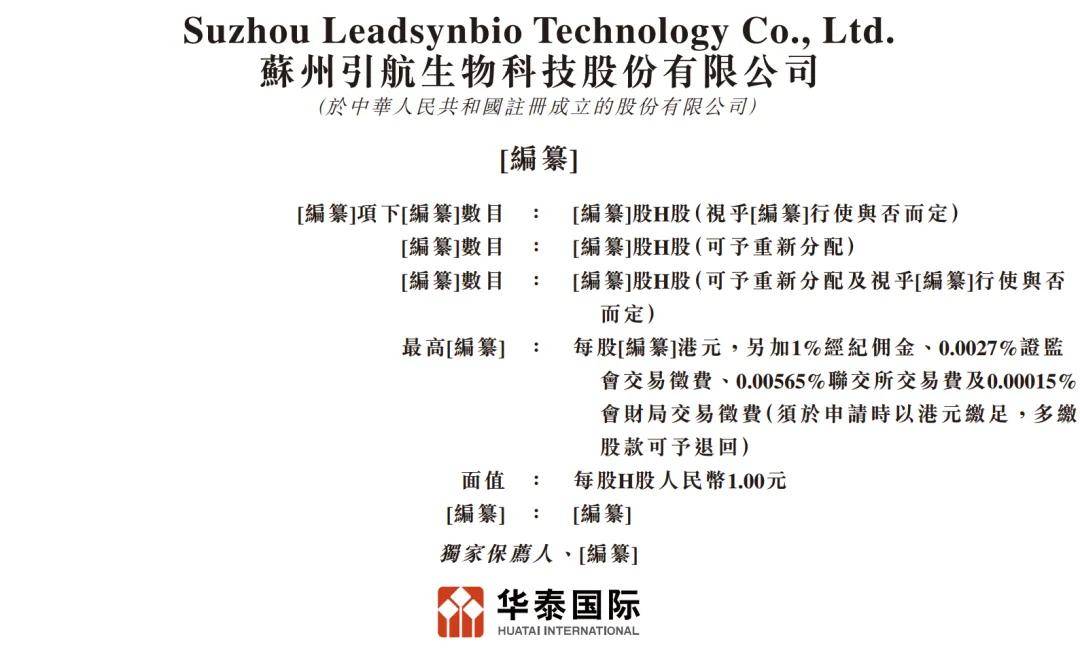
Core Viewpoint - The company, a leader in AI-driven biomanufacturing, has achieved a valuation of 3.5 billion RMB and an annual production capacity exceeding 10,000 tons within ten years since its establishment in 2015 [1][3]. Company Overview - Founded in 2015 and headquartered in Suzhou, the company has established production bases in Hunan and Anhui, making it one of the few synthetic biology firms with a full chain capability from R&D to commercialization [3]. - The founder, Dr. Xie Xinkai, is a notable figure in synthetic biology, having studied under pioneers in the field and is credited with the first synthesis of simvastatin [3]. Financial Performance - The company reported a D-round post-investment valuation of 3.484 billion RMB, with its revenue structure primarily consisting of pharmaceutical intermediates, human nutrition, and animal nutrition [3]. - Revenue is projected to grow from 297.76 million RMB in 2023 to 344.59 million RMB in 2024, representing a 15.7% increase, and further to 379.99 million RMB in 2025, marking a 52.9% growth [7]. - The company has not yet achieved profitability, but losses are steadily narrowing, with net losses recorded at 146.55 million RMB for 2023 and 253.92 million RMB for 2024 [8]. Market Position - The company holds a significant market share in key products, ranking second globally in florfenicol (24.5%) and first in D-ethyl (44.5%), with its NMN product also holding a 11.4% market share [4]. - The primary product, florfenicol, is a veterinary antibiotic with a market size exceeding 3 billion RMB, while D-ethyl is a crucial intermediate for this drug [5]. Technological Advancements - The company has developed an enzyme-based synthesis process that addresses the inefficiencies of traditional multi-step chemical synthesis, leading to a more environmentally friendly and cost-effective production method [6]. - It has built a robust enzyme library containing over 10,000 enzymes and plans to integrate AI tools throughout its engineering workflow to enhance efficiency and automation [9][12]. Investment and Support - The company has a strong backing from prominent investors, including Yuexiu Capital, CICC Capital, and Hillhouse Capital, who recognize its technological advancements in biocatalysis [12].
2025年中国NMN行业研究报告
艾瑞咨询· 2026-02-19 00:05
Core Viewpoint - NMN (β-Nicotinamide Mononucleotide) is gaining attention in the global health industry for its potential anti-aging benefits, DNA repair, and metabolic regulation, with significant regulatory advancements expected by 2025 [1][2]. Industry Development - The NMN industry has evolved from laboratory research to commercial applications, with major markets like the US, Japan, Canada, and Australia recognizing its legal status through various regulatory pathways [1][2]. - China is currently the largest producer of NMN raw materials, with leading companies building competitive barriers through technological innovation and industry chain layout [2][19]. NMN Definition and Function - NMN is a direct precursor to NAD+ (Nicotinamide Adenine Dinucleotide), crucial for delaying aging and enhancing physiological functions [3][4]. - As NAD+ levels decline with age, NMN supplementation can quickly elevate NAD+ levels, playing a vital role in anti-aging, cardiovascular health, and metabolic improvement [4][6]. Regulatory Environment - The global regulatory landscape for NMN is shifting from strict restrictions to cautious openness, with significant milestones achieved in various countries [17][18]. - In China, NMN has been approved as a new cosmetic ingredient and is on the path to being recognized as a health food, with the National Market Supervision Administration listing it for health food approval in April 2025 [17][18]. Market Demand - The aging population in China is expected to grow significantly, with the elderly population projected to increase from 320 million to 390 million by 2030, driving demand for anti-aging products [19]. - Younger generations are also increasingly aware of anti-aging needs, creating a dual demand for NMN products [19]. Technological Innovations - Advances in synthesis methods, particularly the full enzyme method, are driving down costs and improving product quality in the NMN industry [21][22]. - Innovations in delivery technologies are enhancing the bioavailability of NMN, ensuring better absorption and user experience [22]. Application Areas - NMN is primarily used in health supplements and cosmetics, with health supplements accounting for nearly 90% of the market share [24][28]. - Future applications are expected to expand into pet nutrition, medical health, and agricultural technology, opening new growth avenues [24][28]. Market Size and Growth - The NMN market in China is expected to exceed 3 billion yuan by 2025, driven by increasing regulatory support and expanding applications [28][32]. - The market is currently dominated by health supplements and cosmetics, with significant growth potential in other sectors as regulations ease [28][32]. Sales Channels - NMN products are primarily sold through cross-border e-commerce and private channels, with cross-border e-commerce accounting for 60%-70% of market share [35][34]. Certification and Standards - The "blue hat" certification for health foods in China represents the highest standard for NMN products, indicating safety and compliance [37]. Challenges and Opportunities - The NMN industry faces challenges such as exaggerated claims, lack of consumer awareness, and technological iterations, necessitating a focus on compliance and innovation [61][63]. - Companies are encouraged to innovate their business models and extend their value chains to enhance competitiveness [66].

2025年中国NMN行业研究报告
艾瑞咨询· 2026-02-14 01:19
Core Viewpoint - NMN (β-Nicotinamide Mononucleotide) is gaining attention in the global health industry for its potential in anti-aging, DNA repair, and metabolic regulation, with significant advancements in regulatory approval and market potential expected by 2025 [1][2]. Industry Overview - The NMN industry has transitioned from laboratory research to commercial viability, with major markets like the US, Japan, Canada, and Australia recognizing its legal status through various regulatory pathways [1][2]. - China is currently the largest producer of NMN raw materials, with leading companies establishing competitive barriers through technological innovation and industry chain layout [2]. NMN Definition and Function - NMN is a direct precursor to NAD+ (Nicotinamide Adenine Dinucleotide), crucial for delaying aging and enhancing physiological functions [3][4]. - Supplementing NMN can rapidly increase NAD+ levels in the body, playing a vital role in anti-aging, cardiovascular health, and metabolic improvement [4]. Synthesis Pathways - NMN supplementation shows significant advantages in NAD+ synthesis pathways compared to other precursors, with the highest conversion efficiency and no known adverse reactions [6][7]. Natural Sources and Supplementation - Natural food sources of NMN are limited, with dietary intake often insufficient to meet effective dosage levels; NMN supplements provide a much higher intake efficiency [8]. Synthesis Technology - The NMN synthesis process has evolved from chemical methods to fully enzymatic methods, focusing on high purity, safety, and environmental sustainability [10][11]. - Leading companies are innovating in fully enzymatic synthesis techniques, creating competitive advantages through patent applications and cost reductions [12]. Development History - The NMN research journey began in 1904, with significant milestones in the 21st century, including pivotal studies confirming NMN's lifespan-extending effects in mice, which attracted global investment [15][14]. Policy Drivers - The regulatory environment for NMN is evolving, with a shift from strict restrictions to cautious openness in major markets, including China, where NMN is moving towards legal status as a health food [17][18]. Demand Drivers - The aging population and increasing anti-aging awareness among younger demographics are driving demand for NMN products, creating a substantial market opportunity [19]. Technological Advancements - Innovations in synthesis, quality testing, and delivery methods are driving the NMN industry towards efficiency and standardization, enhancing product efficacy and user experience [21][22]. Application Areas - NMN is primarily used in health supplements and cosmetics, with potential expansion into pet nutrition, medical health, and agricultural technology [24][28]. Market Size and Growth - The NMN market in China is expected to exceed 30 billion yuan by 2025, driven by regulatory changes and new applications in various sectors [28]. Sales Channels - NMN products are primarily sold through cross-border e-commerce and private channels, with cross-border platforms capturing 60%-70% of the market share [35]. Certification Standards - The "blue hat" certification for health foods in China represents the highest standard for NMN products, indicating safety and compliance [37]. Future Prospects - NMN's potential in cosmetics is significant, with a growing market for anti-aging products and a high compliance level expected to accelerate market growth [51]. Challenges - Despite positive regulatory signals, the NMN industry faces challenges such as exaggerated claims, lack of consumer awareness, and the need for ongoing technological advancements [61][63].

2025年中国NMN行业研究报告
艾瑞咨询· 2026-02-14 00:08
Core Viewpoint - NMN (β-Nicotinamide Mononucleotide) is gaining global attention in the health industry due to its potential in anti-aging, DNA repair, and metabolic regulation, with significant advancements in regulatory approval and market potential expected by 2025 [1][2]. Group 1: NMN Definition and Function - NMN is a direct precursor to NAD+ (Nicotinamide Adenine Dinucleotide), crucial for delaying aging and enhancing physiological functions [3][4]. - Supplementing NMN can rapidly increase NAD+ levels in the body, playing a vital role in anti-aging, cardiovascular health, and cognitive function [4][6]. Group 2: Global Regulatory Landscape - By 2025, NMN's global compliance process is expected to accelerate, with major markets like the US, Japan, Canada, and Australia confirming its legal status through various regulatory pathways [1][2]. - In China, NMN has not yet received approval as a drug or health food, but it has been recognized as a new cosmetic ingredient, laying the groundwork for future regulatory developments [1][17]. Group 3: Market Demand Drivers - The aging population in China is projected to grow significantly, with the elderly population expected to increase from 320 million to 390 million between 2025 and 2030, driving the "silver economy" and demand for anti-aging products [19]. - Younger generations, particularly those born in the 1990s, are increasingly aware of anti-aging needs, creating a dual demand for NMN products [19]. Group 4: Technological Innovations - Continuous innovations in synthesis, quality testing, and delivery methods are driving the NMN industry forward, with full enzyme methods significantly enhancing production efficiency and reducing costs [21][22]. - The establishment of testing standards is raising industry entry barriers, promoting market development [22]. Group 5: Current Market Status - The NMN market in China has been expanding rapidly since its large-scale entry in 2020, with expectations to exceed 3 billion yuan by 2025 [28]. - NMN is primarily used in health supplements (approximately 90% of applications) and cosmetics (10-20%), with potential future applications in pet nutrition, medical health, and agricultural technology [24][28]. Group 6: Sales Channels - NMN products are mainly sold through cross-border e-commerce and private channels, with cross-border e-commerce accounting for 60-70% of the market share [35]. Group 7: Industry Challenges - The NMN industry faces challenges such as exaggerated claims, lack of consumer awareness, and the need for technological iteration, necessitating a focus on compliance and innovation to unlock market potential [61][63].

雅本化学:目前公司NMN相关业务正常开展
Zheng Quan Ri Bao Wang· 2026-02-12 13:12
Core Viewpoint - The company, Yabao Chemical, clarifies that it does not produce niacinamide and focuses on CDMO services for innovative pharmaceuticals and agricultural intermediates [1] Group 1: Business Operations - The company's NMN-related business is operating normally, organized by its overseas subsidiary and produced by compliant foreign manufacturers [1] - Products are sold through cross-border e-commerce platforms such as JD International and Pinduoduo, with product information available on these platforms [1]
雅本化学:不生产烟酰胺
Ge Long Hui· 2026-02-12 08:56
Core Viewpoint - The company, Yabont Chemical (300261.SZ), clarifies that it does not produce niacinamide and focuses on CDMO services for innovative pharmaceuticals and agricultural intermediates [1] Group 1 - The company's NMN-related business is operating normally [1] - The overseas subsidiary organizes and commissions compliant foreign manufacturers for production [1] - Products are sold through cross-border e-commerce platforms such as JD International and Pinduoduo [1]
雅本化学(300261.SZ):不生产烟酰胺
Ge Long Hui· 2026-02-12 08:52
Core Viewpoint - The company, Yabao Chemical (300261.SZ), clarifies that it does not produce niacinamide and focuses on CDMO services for innovative pharmaceuticals and agricultural intermediates [1] Group 1: Business Operations - The company's NMN-related business is operating normally, organized by its overseas subsidiary [1] - Production is entrusted to compliant overseas manufacturers [1] - Sales are conducted through cross-border e-commerce platforms such as JD International and Pinduoduo [1]