
Walker S2

Search documents
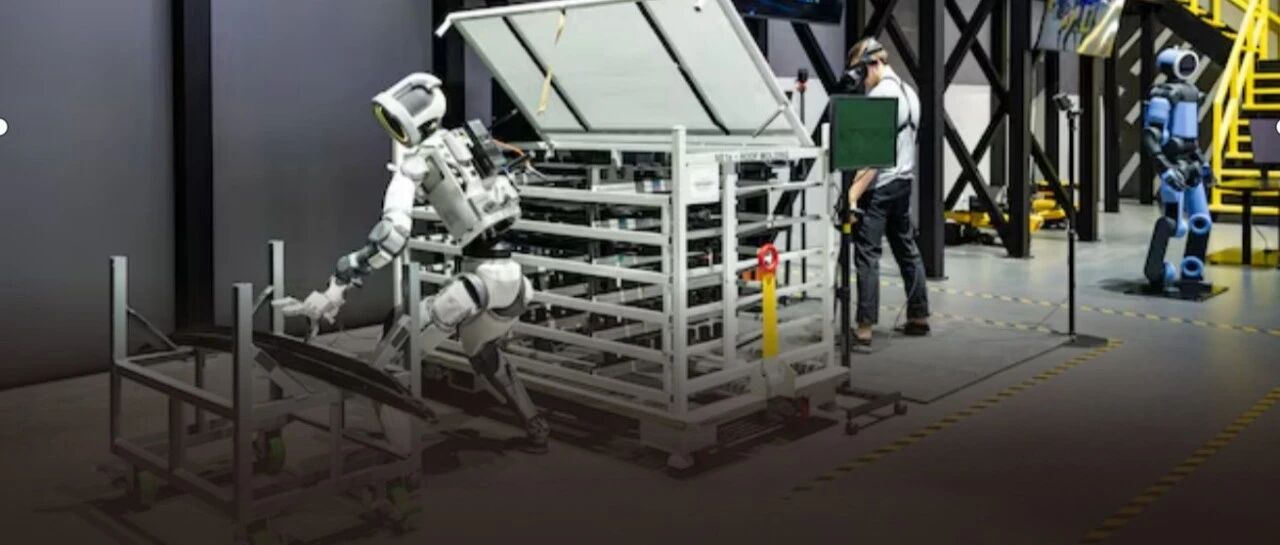
车企最强“实习生”上岗
汽车商业评论· 2026-03-19 23:07
Core Viewpoint - Humanoid robots are transitioning from experimental phases to practical applications in automotive factories, marking a significant shift in manufacturing processes and labor dynamics [3][4][5]. Group 1: Industry Adoption - Major automotive companies like Hyundai, Toyota, BMW, and Tesla are integrating humanoid robots into their production lines, with Tesla's third-generation Optimus robot set to begin production in summer 2023 [5][6]. - By 2028, Boston Dynamics' Atlas robots will be deployed in Hyundai's Georgia factory for tasks such as parts sorting and material handling, with plans for a factory producing 30,000 robots annually [3][4]. - In China, Xiaomi's CyberOne has begun its internship in the automotive factory, while XPeng's IRON robot is set for mass production by 2027 [4]. Group 2: Current Capabilities and Limitations - Currently, humanoid robots are primarily performing repetitive tasks such as screw fastening and material sorting, and are still in a "trainee" phase due to issues like high hardware costs and process stability [8][9]. - Xiaomi's CyberOne achieved a 90.2% success rate in a three-hour task, meeting production line rhythm requirements, while XPeng's IRON robot improved factory efficiency by 30% and reduced labor costs by 35% [9][11]. - Despite their limitations, humanoid robots are addressing labor issues related to repetitive strain injuries in production lines [8]. Group 3: Future Potential - The ultimate goal for humanoid robots is to tackle the complex assembly line tasks that traditional automation has struggled with, particularly in the context of electric vehicles with increasing wiring complexity [13][18]. - Humanoid robots are expected to adapt to various assembly requirements through software updates, enabling them to work collaboratively on large components [22][41]. - The automotive industry anticipates that by 2035, the deployment of humanoid robots could reach 1.6 million units globally [5]. Group 4: Challenges to Full Automation - Achieving "dark factories," where production runs without human oversight, faces challenges such as the limited battery life of humanoid robots, which currently cannot match the 8-12 hour shifts of human workers [26][40]. - Solutions like modular battery systems and rapid charging technologies are being developed to enhance operational efficiency [28][31]. - The cost of humanoid robots is decreasing, with prices dropping to around 100,000 RMB (approximately $14,000) in early 2026, making them more appealing for automotive manufacturers [40][41]. Group 5: Labor Market Implications - The rise of humanoid robots raises concerns about job displacement in the automotive sector, with predictions of significant labor cost reductions as robots become more prevalent [45][47]. - However, the industry is also facing a labor shortage, and humanoid robots may fill roles that are increasingly difficult to staff due to the repetitive nature of the work [49]. - The transition to automated factories will require new skill sets, emphasizing the need for workers who can manage and maintain robotic systems rather than simply replacing human labor [56][57].

人形机器人行业专题研究:人形机器人量产元年,关注本体和零部件投资机会
Yuan Da Xin Xi· 2026-03-11 09:58
Investment Rating - The report gives a positive investment rating for the humanoid robot industry, indicating a "bullish" outlook [6]. Core Insights - The humanoid robot industry is entering a critical phase of mass production in 2025, transitioning from laboratory validation to large-scale implementation, driven by technological advancements, demand from various sectors, and supportive policies [2][18]. - The global shipment of humanoid robots is expected to reach approximately 18,000 units in 2025, with leading companies like Yushun, Zhiyuan, and Ubtech accounting for over 60% of the market share [2][36]. - The industry is projected to grow significantly, with global sales expected to reach 340,000 units by 2030 and over 5 million units by 2035, translating to a market size of 640 billion yuan and 4 trillion yuan respectively [3][43]. Summary by Sections Historical Review and Future Catalysts - The humanoid robot index has shown significant event-driven characteristics since 2021, with four key phases identified: concept initiation, technology validation, AI empowerment, and mass production [10][14]. - Key events anticipated in 2026 include the iteration of Tesla's Optimus, major industry conferences, and the IPOs of leading companies, which are expected to catalyze further growth [15][17]. 2025: Transition to Mass Production - The humanoid robot industry is expected to experience a pivotal shift in 2025, moving from experimental phases to mass production, supported by technological convergence and capital investment [18][29]. - The demand for humanoid robots is primarily driven by the industrial sector and government projects, with significant orders already reported [27][37]. Investment Opportunities: Body and Components - The humanoid robot market is anticipated to grow into a trillion-yuan industry, with core components like screws and reducers expected to see substantial growth, with a projected CAGR of nearly 70% from 2025 to 2035 [3][42]. - The report highlights a wave of IPOs among leading humanoid robot companies, indicating a robust market entry for new players [49][50]. Investment Recommendations - Investors are encouraged to focus on both the humanoid robot bodies and their core components, as the industry is poised for significant growth and transformation [4].
全球实体 AI- 产业规模化启动:执行经济性将决定赢家_ Global Physical AI - Industrial scaling begins_ Execution economics will decide the winners
2026-03-01 17:23
Summary of Key Points from the Conference Call Industry Overview - The humanoid robotics industry is transitioning from technical demonstration to early commercialization, driven by advances in physical AI, declining component costs, and expanding industrial deployment [3][13][67]. - Execution economics, including manufacturing scale, supply-chain integration, and deployment readiness, will determine the winners in the market, favoring system integrators over pure-play technology innovators [3][13]. Competitive Landscape - The market is evolving along three distinct paths: 1. Automotive OEMs leveraging EV/ADAS overlaps and internal factories as deployment testbeds. 2. Chinese manufacturers scaling through price competitiveness and policy-backed domestic rollout. 3. Humanoid specialists focusing on frontier AI and control innovation [7][18]. - The competitive landscape is expected to consolidate around platforms that secure system-level integration, manufacturing discipline, and deployment ecosystems [7][19]. Company Insights Hyundai Motor Group (HMG) - HMG has a vertically integrated humanoid ecosystem, internalizing the humanoid value chain across hardware, software/system integration, deployment, and logistics [8][24]. - The anticipated IPO of Boston Dynamics in 2027-28 is seen as a strategic catalyst for HMG, potentially providing liquidity for governance restructuring [25][26]. Kia Corp - Kia is preferred over Hyundai Motor due to its lower valuation and greater upside leverage from robotics [15][10]. - Target price raised to 240,000 KRW with a 40% upside [10]. Hyundai Motor - Hyundai Motor is strategically positioned with superior ecosystem depth but is less favored than Kia on valuation grounds [15][10]. - Target price raised to 650,000 KRW with a 28% upside [10]. Hyundai Mobis - Preferred among Korean component suppliers due to its system-level exposure and balance between robotics optionality and core automotive earnings visibility [16][10]. - Target price raised to 570,000 KRW with a 29% upside [10]. Orbbec - Top pick in China, benefiting from rapid volume growth in domestic humanoid models [17][10]. - Target price raised to 115 CNY with a 19% upside [10]. Shuanghuan Driveline - Maintains a positive view for medium-term content expansion in global supply chains [17][10]. - Target price raised to 50 CNY with a 17% upside [10]. Economic Insights - Humanoid economics are execution-heavy, with actuators and motion systems accounting for approximately 50% of the hardware bill of materials (BOM) [9][21]. - The long-term value proposition is shifting towards a 50/50 hardware-software model, with the rise of Robot-as-a-Service (RaaS) models allowing manufacturers to monetize software through ongoing updates [22][21]. Stock Implications - Preference order for stocks: KIA (Buy) > HMC (Buy) > Mobis (Buy) > Orbbec (Buy) > Shuanghuan Driveline (Buy) [14][10]. - The early humanoid product cycle favors OEMs over component suppliers, with value creation driven by system integration and deployment access [14][15]. Additional Insights - The competitive landscape is characterized by distinct player groups: automotive OEMs, Chinese robot manufacturers, and humanoid specialists, each with unique strengths and constraints [34][36]. - The transition from prototype to mass deployment is less about technological novelty and more about manufacturing discipline and cost-down execution [49]. Conclusion - The humanoid robotics industry is poised for significant growth, with key players like HMG, Kia, and Orbbec leading the charge. The focus on execution economics and strategic positioning will be critical for success in this evolving market.

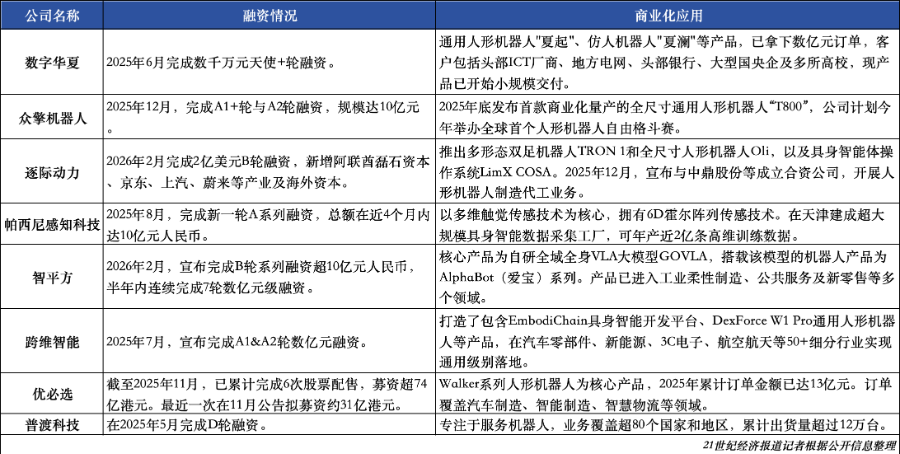
深圳机器人八企突围记
2 1 Shi Ji Jing Ji Bao Dao· 2026-02-27 23:08
Group 1 - Cartwheel Robotics, a humanoid robot company founded in 2022, has ceased operations due to failed financing [1] - In contrast, Shenzhen's robot industry is thriving, with eight key companies achieving significant milestones in financing and technology commercialization [2][3] - The Shenzhen government aims to accelerate the development of a global AI hub, targeting over 10% growth in the AI industry cluster [2] Group 2 - The total financing in the embodied intelligence sector exceeded 50 billion yuan by October 2025, marking a growth of over 400% compared to the previous year [3] - Companies like Zhihui Square and Zhuji Dynamics have completed substantial funding rounds, with Zhihui Square's valuation surpassing 10 billion yuan [4] - UBTECH, recognized as the "first stock of humanoid robots," has raised over 7.4 billion HKD since its IPO, indicating strong market confidence in its commercial potential [4] Group 3 - Zhihui Square launched the GOVLA 0.5 model and the AlphaBot series, achieving over 50,000 hours of fault-free operation [5] - Zhuji Dynamics introduced the TRON 2 robot and the LimX COSA system, showcasing innovation in embodied intelligence [6] - UBTECH's Walker S2 robot features autonomous battery swapping technology, enhancing its operational efficiency in industrial settings [7] Group 4 - Shenzhen's "Robot Valley" benefits from a robust ecosystem of universities and research institutions, facilitating rapid development and innovation in robotics [8][9] - The city has established a financial service system to support the entire lifecycle of technological innovation, including a 2 billion yuan fund for AI and robotics [9][10] - By 2025, Shenzhen's robot industry is projected to achieve a 31.4% increase in added value, with industrial robot production expected to grow by 43.1% [10] Group 5 - Shenzhen's action plan aims to cultivate over 1,200 companies in the embodied intelligence sector by 2027, with a focus on creating more billion-dollar enterprises [10] - The city is committed to strengthening its position in AI technology, emphasizing the development of core technologies in algorithms, models, and intelligent robots [10]

一年分野,深圳机器人八企突围记
2 1 Shi Ji Jing Ji Bao Dao· 2026-02-26 07:58
Core Insights - The article highlights the contrasting fortunes of robotics companies in the US and China, with Cartwheel Robotics ceasing operations due to funding failures, while Shenzhen's robotics sector thrives with significant investments and technological advancements [1][2][3]. Company Developments - Cartwheel Robotics, founded in 2022, has shut down due to unsuccessful financing efforts [1]. - Shenzhen's robotics companies, including Digital Huaxia, Zhongqing Robotics, Zhijijia, and others, have seen varied trajectories, with some achieving significant funding and commercial success [3]. - Zhijijia has completed 12 rounds of financing, surpassing a valuation of 10 billion yuan, becoming Shenzhen's first embodied intelligence company to reach this milestone [5]. - Zhongqing Robotics raised 1 billion yuan in multiple financing rounds and launched the T800 humanoid robot, marking a significant step in commercialization [5][9]. - Digital Huaxia has secured orders worth hundreds of millions for its humanoid robots, indicating strong market demand [8]. Industry Trends - The embodied intelligence sector has experienced explosive growth, with total financing exceeding 50 billion yuan, a 400% increase from the previous year [4]. - Shenzhen's government aims to establish the city as a global leader in artificial intelligence, with a target of over 1,200 related enterprises by 2027 [13]. - The robotics industry in Shenzhen has shown robust growth, with a 31.4% increase in added value in the first three quarters of 2025 [12]. Technological Advancements - Companies are focusing on practical applications of robotics, with significant innovations in product development and technology upgrades [6]. - Zhijijia launched the GOVLA 0.5 model, while Zhongqing Robotics introduced the T800 humanoid robot, showcasing advancements in robotics technology [6][9]. - Cross-dimensional Intelligence has developed a model that achieved over 100 million yuan in revenue, indicating successful market penetration [7]. Market Applications - Shenzhen's robotics companies are expanding into various sectors, including industrial manufacturing, commercial services, and household applications [9]. - Digital Huaxia's robots are being utilized in government and banking sectors, while Zhijijia's modular service space is set to deploy 1,000 units in three years [9]. - The industry is increasingly focused on real-world applications, with companies like Pudu Technology and others achieving significant sales and international reach [9].
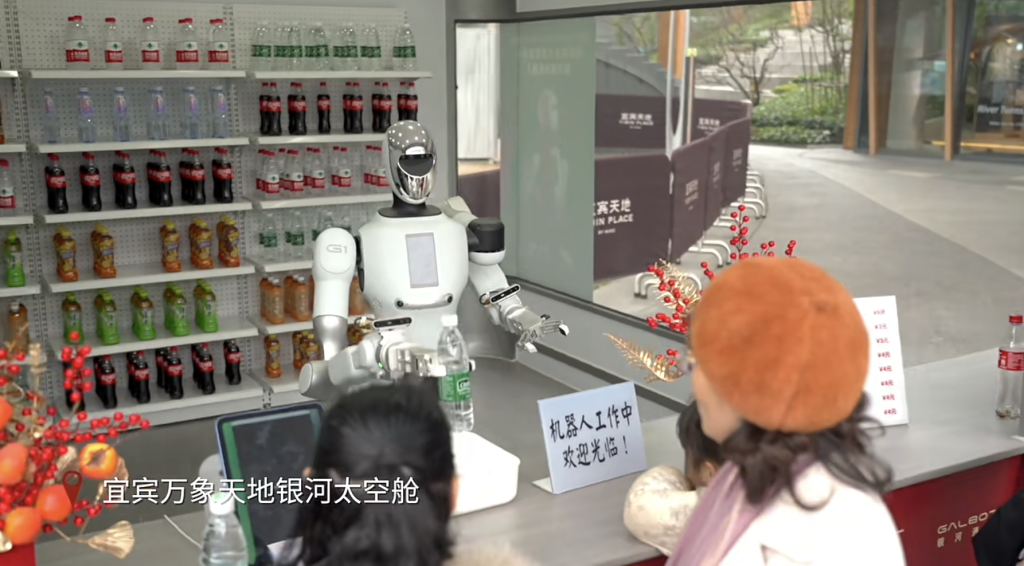
“过年表演节目,机器人也躲不过”
Huan Qiu Wang· 2026-02-16 02:21
Core Viewpoint - The article highlights the increasing presence and capabilities of humanoid robots in various sectors, particularly during the 2026 Spring Festival, showcasing their evolution from mere performers to essential contributors in daily life and industry [2][14]. Group 1: Humanoid Robots in Performance - Humanoid robots will take center stage at the 2026 Spring Festival, with multiple domestic robot companies participating, showcasing advancements in technology and artistic expression [2][3]. - The performance will include robots like Yushu Technology's G1/H1, which will collaborate with dancers, and Magicbot Z1, which has demonstrated impressive acrobatic skills [3][5]. - The event will also feature robots from companies like Galaxy General, which will highlight their autonomous decision-making and collaboration capabilities in complex environments [3][5]. Group 2: Humanoid Robots in Daily Operations - Humanoid robots are increasingly being deployed in industrial settings, such as the collaboration between UBTECH's Walker S2 and Wali's U1500 for automated logistics [8][9]. - The production capacity of industrial humanoid robots is expected to reach 5,000 units by 2026, with plans to expand to 10,000 units by 2027, indicating a growing demand in sectors like automotive and smart manufacturing [9]. - The "Smart Cube" by Zhiyuan has been operational in various locations, demonstrating the ability to autonomously serve customers with high efficiency, further emphasizing the practical applications of humanoid robots [11]. Group 3: Industry Outlook - According to Dongwu Securities, the humanoid robot sector is expected to consolidate in 2026, with a focus on production certainty and new technologies aimed at improving efficiency and reducing costs [13]. - The anticipated mass production year for humanoid robots is 2026, driven by advancements in technology and supply chain optimization [13].
优必选股价异动,新品发布与技术突破成主因
Jing Ji Guan Cha Wang· 2026-02-13 06:34
Core Viewpoint - The stock price of UBTECH (09880.HK) experienced a significant increase of 3.54% on February 13, 2026, closing at HKD 137.50, driven by new product launches and multiple favorable factors [1] Product Development Progress - On February 12, UBTECH launched the full-size research humanoid robot "Tiangong Walker DEX" in collaboration with the Beijing Humanoid Robot Innovation Center, showcasing significant improvements in stability, motion control, and embodied intelligence collaboration, while also providing a secondary development toolchain aimed at research and education [2] Financial and Technical Aspects - On the same day, the net inflow of main funds was HKD 40.83 million, with institutional buying accounting for approximately 12%, indicating active participation from institutional investors. The stock price broke through the 5-day moving average of approximately HKD 132.8, reaching a peak of HKD 139.00 during the day, with a volume ratio of 2.18, reflecting strong short-term buying activity [3] Industry Policy Status - Humanoid robots were featured in the 2026 Spring Festival Gala rehearsal, increasing public attention; the preheating of Tesla's Optimus V3 and positive statements from Elon Musk have boosted global interest in the humanoid robot sector. By the end of 2025, the Ministry of Industry and Information Technology established a standardization technical committee for humanoid robots and embodied intelligence, with UBTECH leading the formulation of several national standards, enhancing its industry influence [4] Business Progress - In 2025, the total order amount for humanoid robots exceeded RMB 1.4 billion, with the industrial version Walker S2 entering the supply chains of international giants like Airbus, and plans to increase production capacity to 10,000 units in 2026. The mid-year report for 2025 indicated an overall loss of RMB 414 million, but the first batch of Walker S2 was successfully delivered, marking a significant step in commercialization from "0 to 1" [5] Future Development - Attention is needed as the company's price-to-earnings ratio (TTM) is negative at -61.83, indicating that profitability has not yet materialized. Challenges remain in terms of cost (humanoid robots are still 5-8 times more expensive than AGVs), reliability (production lines require high uptime), and delivery (complexity of the supply chain) for scaling up operations [6]
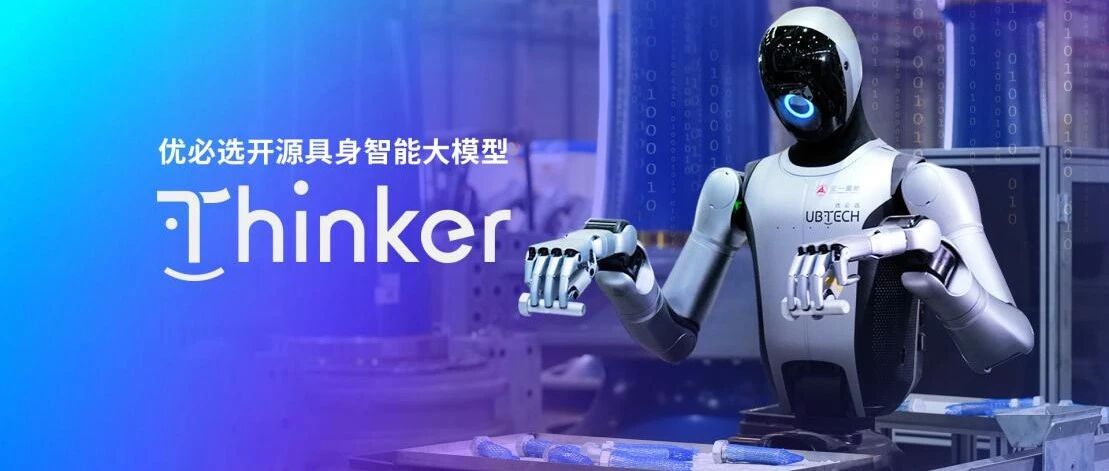
凭什么拿9榜第一?拆解优必选开源具身智能大模型Thinker的实干逻辑
机器人大讲堂· 2026-02-08 04:06
Core Viewpoint - UBTECH has officially open-sourced its embodied intelligence model, Thinker, which has achieved significant performance metrics, ranking first globally in nine key benchmarks, showcasing its capabilities in real-world applications rather than just theoretical performance [3][5]. Group 1: Performance and Benchmarking - Thinker, with a parameter size of less than 10 billion, has outperformed competitors in critical areas such as spatial understanding and task planning, achieving top scores in nine authoritative benchmarks [3][4]. - The model's performance in specific tasks includes a score of 62.66 in RoboVQA BLEU and 72.03 in Where 2Place, significantly surpassing other models like RoboBrain and Robix [4][8]. - Thinker's design emphasizes practical application in industrial settings, focusing on real-time performance and precision rather than merely achieving high scores in controlled environments [5][9]. Group 2: Technological Innovations - Thinker utilizes a unique data refinement process, transforming 20 billion raw data points into a high-value dataset of approximately 10 million, enhancing its understanding of spatial relationships and action sequences [11]. - The model's architecture is optimized for low-latency responses, allowing it to operate effectively in dynamic industrial environments, achieving a response time in milliseconds [14]. - A feedback mechanism enables continuous learning and adaptation, allowing Thinker to improve its performance based on real-world experiences, achieving a 99.99% accuracy rate in tasks like sorting and transporting [15][16]. Group 3: Open Source and Industry Impact - The open-sourcing of Thinker serves as a foundational technology for the industry, providing developers with a validated platform to accelerate the development of robotic applications across various sectors [19][20]. - This initiative aims to bridge the gap between laboratory performance and industrial needs, facilitating a more practical approach to robotics development [19]. - By leveraging China's manufacturing advantages, UBTECH is positioning itself to play a significant role in defining the global technology ecosystem for robotics [20].
“高烧”骤退!两只4倍大牛股复牌,股价盘中跌停
2 1 Shi Ji Jing Ji Bao Dao· 2026-02-02 02:38
Core Viewpoint - The recent trading activities of two major stocks, Fenglong Co. and Jiamei Packaging, have been significantly influenced by their respective acquisition announcements, leading to a sharp rise in stock prices followed by a notable correction after their resumption of trading [1][2]. Group 1: Stock Performance - Fenglong Co. and Jiamei Packaging both faced a trading halt before resuming on February 2, with initial price drops followed by recovery, closing at 95.77 CNY (down 3.78%) and 22.79 CNY (down 1.64%) respectively [1]. - Prior to the halt, Fenglong Co. experienced an impressive 18 consecutive trading days of gains, with a price increase exceeding 400% over the last 20 trading days [1]. - Jiamei Packaging's stock surged by 408.11% from December 17, 2025, to January 23, 2026, driven by acquisition expectations [1]. Group 2: Acquisition Details - Fenglong Co.'s stock surge was primarily driven by its acquisition of a 43% stake in the humanoid robot company, UBTECH, for 1.665 billion CNY, making it the first A-share listed subsidiary of UBTECH [1][2]. - Jiamei Packaging's rise was linked to the anticipated acquisition by Zhuyue Hongzhi, controlled by the founder of the leading robot vacuum company, Dreame Technology, for approximately 2.28 billion CNY, aiming to gain control of Jiamei Packaging [2]. Group 3: Market Reactions and Announcements - Both companies issued announcements during their trading suspension that tempered the overly optimistic market expectations regarding their acquisitions [3]. - Fenglong Co. clarified that there are no plans to inject assets into the company within 36 months post-acquisition, warning of significant trading risks due to the stock's price surge [3]. - Jiamei Packaging explicitly stated that its core business remains in food and beverage packaging, with a projected net profit decline of 43.02% to 53.38% for 2025, indicating a significant disconnect between stock price and fundamental performance [3].


人形机器人产业周报:宇树人形机器人出货超5500台,马斯克计划明年面向公众销售Optimus-20260126
Guoyuan Securities· 2026-01-26 05:44
Investment Rating - The report maintains a "Recommendation" rating for the industry, indicating that the industry index is expected to outperform the benchmark index by more than 10% [7]. Core Insights - The humanoid robot concept index increased by 3.00% from January 18 to January 23, 2026, outperforming the CSI 300 index by 3.62 percentage points. Year-to-date, the humanoid robot index has risen by 9.68%, also surpassing the CSI 300 index by 8.11 percentage points [2][13]. - UTree Technology announced that its actual shipment of humanoid robots exceeded 5,500 units in 2025, with a production line output of over 6,500 units. This data clarifies previous misinformation regarding the company's sales figures [5][23]. - The report highlights significant advancements in the humanoid robot industry, including the establishment of a humanoid robot lab by OpenAI and the launch of an automated production line for robot joints by Yiyou Technology [22][24]. Weekly Market Review - The humanoid robot index saw a weekly increase of 3.00%, with notable stock performances: Jingji Zhino had the highest weekly gain at +29.47%, while Dongshan Precision experienced the largest decline at -9.00% [2][19]. Weekly Hotspot Review Policy Developments - The Shenzhen Municipal Financial Management Bureau released a draft action plan to support technological innovation and industrial development in the insurance sector, encouraging research in humanoid robots and other advanced technologies [3][22]. - The Ministry of Industry and Information Technology plans to publish guidelines for the standardization of humanoid robots and embodied intelligence [3][22]. Product and Technology Iteration - OpenAI has established a humanoid robot lab, significantly expanding its scale since its inception [22][23]. - UTree Technology clarified its shipment figures, confirming over 5,500 units sold in 2025, emphasizing the distinction between actual sales and order quantities [5][23]. - Yiyou Technology launched its first automated production line for robot joints, aimed at meeting the growing demand for humanoid robots [24]. Investment and Financing - Zhejiang Humanoid Robot Innovation Center completed a Pre-A round financing of 450 million yuan, raising a total of 2.2 billion yuan over the past year and a half [26]. - Beijing Zhizai Wujie Technology Co., Ltd. underwent a capital increase, reflecting new investments from various stakeholders [26]. Key Company Announcements - Shuangyi Technology has provided humanoid robot joint product samples for customer prototype development [4][28]. - Taili Technology is expanding its security materials into the humanoid robot sector [4][28]. - Zhiwei Intelligent announced the mass production of a domain controller based on NVIDIA's Thor chip, enhancing its capabilities in the humanoid robot industry [4][29].