
Ren Min Wang

Search documents
“人工智能+”让优质医疗资源触手可及
Ren Min Wang· 2025-11-04 01:21
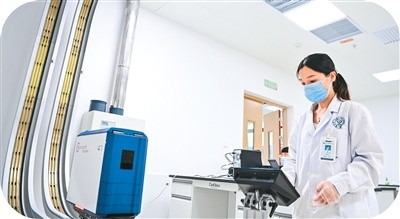
Core Insights - The integration of AI in healthcare is significantly enhancing the quality and accessibility of medical services, particularly in pediatrics and chronic disease management [6][7][13]. AI in Pediatric Healthcare - AI technologies are being utilized to provide advanced screening and diagnostic tools for children, such as AI-powered retinal cameras for eye health assessments and interactive robots for early autism screening [7][8]. - The introduction of AI pediatricians aims to assist healthcare professionals by providing rapid access to the latest research and aiding in the diagnosis of rare diseases [8]. AI in Chronic Disease Management - AI is emerging as a crucial tool in managing chronic diseases, shifting the focus from traditional treatment methods to a more health-centered approach [13][14]. - Continuous Glucose Monitoring (CGM) systems are being developed to provide real-time data for diabetes management, enhancing patient care through personalized recommendations and timely alerts for abnormal blood sugar levels [14][15]. AI in Traditional Chinese Medicine - The application of AI in Traditional Chinese Medicine (TCM) is being explored, with projects aimed at integrating AI for diagnostics and treatment, enhancing the effectiveness and accessibility of TCM practices [10][12]. - The Chinese government is promoting the integration of digital technologies, including AI, into TCM to modernize and improve healthcare delivery [12]. AI in Mental Health - AI is being deployed in mental health services, with systems capable of assessing users' emotional and cognitive states, providing recommendations, and facilitating communication between students and mental health resources [9].


父母未满60岁,能要求子女给赡养费吗?
Ren Min Wang· 2025-11-04 01:08
法院结合当地的经济水平、被赡养人的实际需要等因素,按照上年度农村居民人均生活消费支出计 算,判令被告每人每月各支付陈某赡养费693.26元。(张书欣 赵晓东) 【法官说法】 赡养不以父母年龄为限。《中华人民共和国老年人权益保障法》规定老年人是指六十周岁以上的公 民。实践中,很多人将请求赡养费的主体与"老年人"混为一谈,认为只有年满60周岁才能请求赡养费, 但根据《中华人民共和国民法典》第一千零六十七条第二款"成年子女不履行赡养义务的,缺乏劳动能 力或者生活困难的父母,有要求成年子女给付赡养费的权利"的相关规定,请求赡养费的条件是缺乏劳 动能力或者生活困难,并没有年龄要求。判断父母是否有权要求成年子女给付赡养费的标准是父母的实 际需求。年龄可以作为判断被赡养人有无劳动能力、是否生活困难的依据之一,但不能作为履行赡养义 务的限制条件。即便父母未届花甲之年,只要缺乏劳动能力或者生活困难,成年子女就应履行赡养义 务。 来源:人民法院报 本报讯 "我虽然不到60岁,但我生活确实困难!"母亲不满60周岁,身患重病,生活困难,是否可 以要求女儿支付赡养费?日前,河南省新野县人民法院审结了一起赡养案,这场母女纠纷揭开了一个常 ...
交警定“司机全责”,赔偿就该“全额兑现”?
Ren Min Wang· 2025-11-04 01:08
"交警定了全责,难道不该全额赔钱?"在大家的认知里,只要交管部门对交通事故作出责任划分, 赔偿问题就该"按责买单"。然而,这看似能直接"定赔偿"的责任认定背后,实则藏着"交通事故责 任"与"民事赔偿责任"的关键差异,前者是交管部门对事故成因的责任划分,后者则需结合双方过错程 度、实际损失范围、因果关系关联性等多重因素综合判定。近日,广西壮族自治区贵港市港南区人民法 院就审理了这样一起打破"全责即全赔"固有认知的机动车交通事故责任纠纷案件。 2024年3月的一个清晨,李星(化名)为赶时间,跨上了一辆无牌照三轮轻便摩托车。他不仅未取 得机动车驾驶证,还为抄近路直接拐进二级公路的对向车道,全然未察觉危险正悄然逼近。 此时,余宇(化名)驾驶无牌照电动车沿着机动车道行驶几百米时,突然发现一辆三轮车迎面冲 来。他下意识猛打方向避让,但两车距离过近,碰撞瞬间发生,两人随即双双摔倒在地。事故发生后, 李星不顾自身疼痛与余宇的伤情,看着变形的车辆竟心生逃意,匆匆逃离现场。 交警抵达现场后,通过调取监控录像、细致勘查事故痕迹,并依据《中华人民共和国道路交通安全 法》《道路交通事故处理程序规定》相关规定,完整还原事故全貌:李星因无 ...
国考打破35岁门槛 意味着什么?
Ren Min Wang· 2025-11-04 00:56
Core Points - The adjustment of the age limit for the national civil service examination (国考) to 38 years old aims to attract more experienced candidates and reflects a shift towards an "ability-based" hiring standard [2][4][8] - The number of applicants who passed the qualification review has increased to 3.718 million, an increase of approximately 300,000 compared to 2025 [2] - The change is seen as a response to demographic trends, including increased life expectancy and delayed retirement policies, which extend the professional lifecycle [4] Group 1 - The new age limit allows individuals aged 35 and above to have renewed opportunities, as seen in the experiences of candidates like Zhang and Zhou, who feel hopeful about their chances [2][5] - Experts believe that the change will encourage a reevaluation of age discrimination in hiring practices across various sectors, not just in public service [4][8] - The adjustment is part of a broader trend, with some regions already implementing similar age limit relaxations for public sector recruitment [8] Group 2 - Despite the positive aspects of the age limit relaxation, many older candidates face challenges such as limited job options and difficulties in preparation [5][6] - Concerns exist regarding the physical fitness requirements for older candidates, as well as potential issues with career progression and integration into existing job structures [6][7] - Experts suggest that while the entry barriers have been lowered, there is a need for systemic changes in promotion and evaluation processes to ensure that older candidates can advance in their careers [7][9]
“十五五”时期经济社会发展的主要目标(学习贯彻党的二十届四中全会精神)
Ren Min Wang· 2025-11-03 22:24
Core Viewpoint - The article discusses the "15th Five-Year Plan" (2021-2025) proposed by the Chinese Communist Party, emphasizing the importance of achieving decisive progress in building a modern socialist country by 2035, with a focus on high-quality development, technological self-reliance, and comprehensive reforms [1][2][3]. Group 1: Economic and Social Development Goals - The "15th Five-Year Plan" aims for significant economic achievements, projecting a GDP of approximately 140 trillion yuan by 2025, with advancements in technology, reform, ecological civilization, and improved living standards [2]. - The plan outlines the necessity of establishing a solid foundation for achieving modernization by setting clear goals for each sector, ensuring a strategic approach to national development [2][3]. - The plan recognizes the complex and changing development environment, balancing strategic opportunities with risks, and emphasizes the importance of domestic demand in driving economic growth [3][5]. Group 2: High-Quality Development - The focus on high-quality development is crucial, with goals to elevate per capita GDP to levels comparable to developed countries by 2035, while addressing domestic demand and enhancing consumption [5]. - The plan emphasizes the need for a unified national market and the development of new industrialization, information technology, urbanization, and agricultural modernization [5]. Group 3: Technological Advancement - The "15th Five-Year Plan" highlights the goal of becoming a technological powerhouse by 2035, with a focus on enhancing national strategic technological capabilities and fostering innovation [6]. - It stresses the importance of education and talent development in supporting technological advancements and creating a robust innovation ecosystem [6]. Group 4: Comprehensive Reforms - The plan outlines over 300 reform tasks to be completed by 2029, focusing on improving the socialist market economy and enhancing the role of the market in resource allocation [7]. - It emphasizes the need for institutional reforms to support high-level openness and the establishment of a more effective governance system [7]. Group 5: Social and Cultural Development - The plan aims to enhance social civilization and cultural confidence, promoting a balanced development of material and spiritual wealth [8]. - It calls for the promotion of core socialist values and the development of cultural industries to meet the growing cultural needs of the population [8]. Group 6: Improvement of People's Livelihood - The plan prioritizes improving the quality of life for citizens, focusing on stable employment, satisfactory income, and equitable access to public services [9]. - It aims to enhance the social security system and ensure that development benefits are distributed fairly among the population [9]. Group 7: Environmental Sustainability - The "15th Five-Year Plan" emphasizes the importance of ecological civilization, aiming for a green and low-carbon transformation of the economy [10][11]. - It sets ambitious targets for carbon emissions and environmental protection, highlighting the need for sustainable development practices [11]. Group 8: National Security - The plan underscores the significance of national security in the context of modernization, addressing both traditional and non-traditional security challenges [12]. - It advocates for a comprehensive approach to public safety and social governance, ensuring a stable environment for development [12].
进博会场整装待发 静待开幕
Ren Min Wang· 2025-11-03 15:31
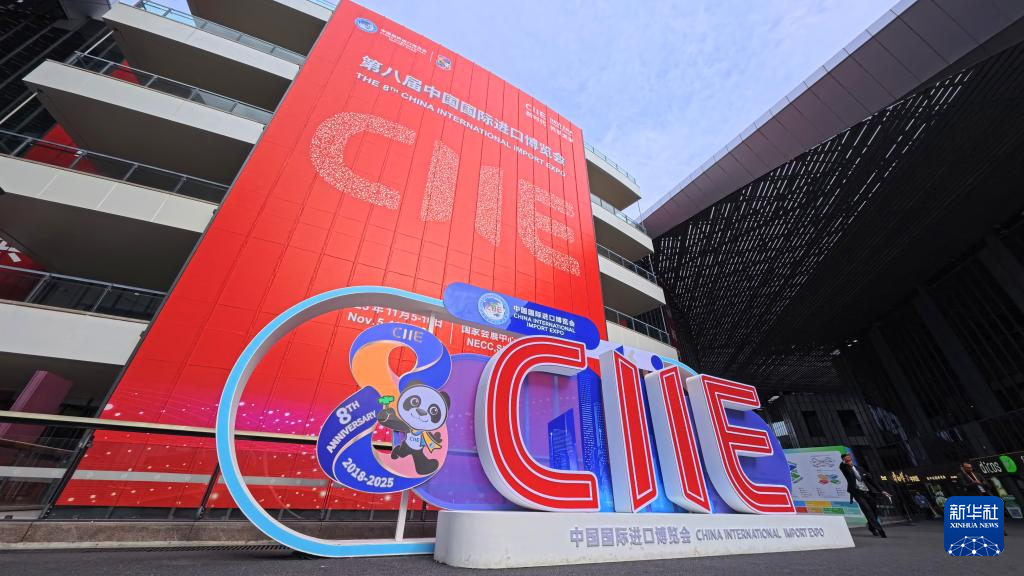
Core Points - The 8th China International Import Expo (CIIE) is set to commence on November 5 in Shanghai, with all preparatory work at the National Exhibition and Convention Center (Shanghai) proceeding smoothly [11][13][17] Group 1 - The venue for the CIIE, the National Exhibition and Convention Center (Shanghai), has undergone significant decoration and preparation for the upcoming event [4][10][15] - Various exhibitors, including those from Pakistan, are actively setting up their booths in anticipation of the expo [6] - Volunteers are engaged in providing assistance at information desks within the exhibition center [8]
“愚公移沙”有新方
Ren Min Wang· 2025-11-03 15:19
Group 1 - The article emphasizes the importance of popularizing scientific knowledge and promoting the spirit of science to enhance the overall scientific and cultural quality of the population in China [1] - It highlights a collaborative initiative between the China Association for Science and Technology and People's Daily to launch the "Witnessing the Road of Science and Technology" themed report [1] - The focus of the initiative includes national science and technology strategic policies, significant scientific awards, and critical core technologies that are essential for self-reliance and strength in science and technology [1] Group 2 - The narrative showcases the long-term efforts of three generations in Inner Mongolia's Xinhua Forest Farm, illustrating a remarkable story of resilience against desertification [3] - It reflects on the ongoing dialogue between humans and the challenges posed by wind and sand, symbolizing a commitment to environmental restoration and sustainability [3]
赵超:坚守临床价值 创新驱动发展
Ren Min Wang· 2025-11-03 14:32
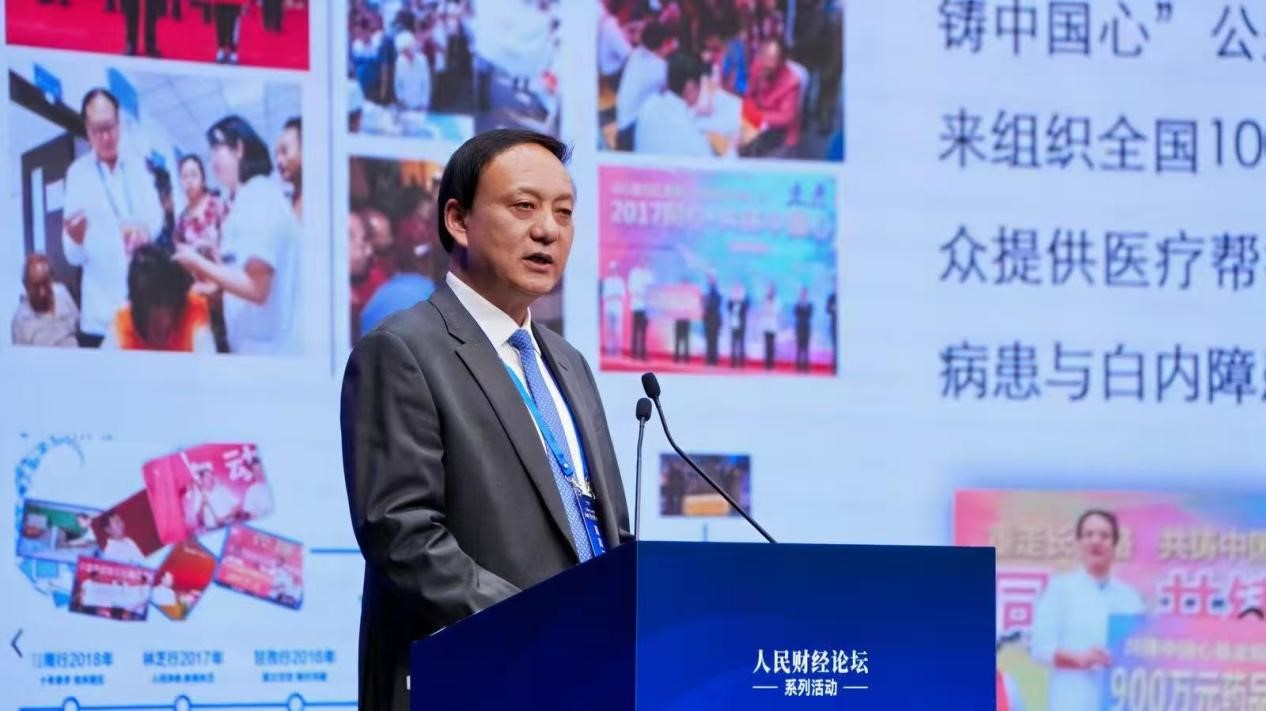
Core Viewpoint - The pharmaceutical industry should actively integrate into the national development framework and align its growth with the Healthy China strategy, emphasizing innovation and social responsibility [3][4]. Group 1: Integration with National Strategy - The company has consistently aligned its development with national strategies over the past 32 years, establishing a comprehensive quality control system from raw material cultivation to intelligent production [3]. - The integration of AI in the production process, particularly in intelligent filling of injections, and the establishment of a quality traceability system throughout the product lifecycle exemplify the fusion of standardization and intelligence [3]. Group 2: R&D Innovation - The industry is encouraged to focus on theoretical innovation and deepen collaboration between academia and research, advocating for increased R&D investment [3]. - A tiered R&D system is recommended, involving simultaneous production, storage, development, and conceptualization, particularly in key disease areas to foster a patent network [3]. Group 3: Equitable Healthcare Development - Pharmaceutical companies should engage in building inclusive healthcare by sending experts to grassroots levels, providing medical assistance, and training local healthcare personnel [3]. - An innovative model combining "enterprise + base + farmers" is suggested to ensure the quality of traditional Chinese medicine while promoting employment and achieving a positive interaction between health support and industrial development [3]. Group 4: Future Outlook - The industry should intensify efforts in tackling key core technologies and promote the collaborative development of traditional Chinese medicine, chemical drugs, and biological drugs [4]. - Companies are advised to incorporate social responsibility into their development strategies and establish sustainable public welfare mechanisms to enhance their value while contributing to the Healthy China initiative [4].

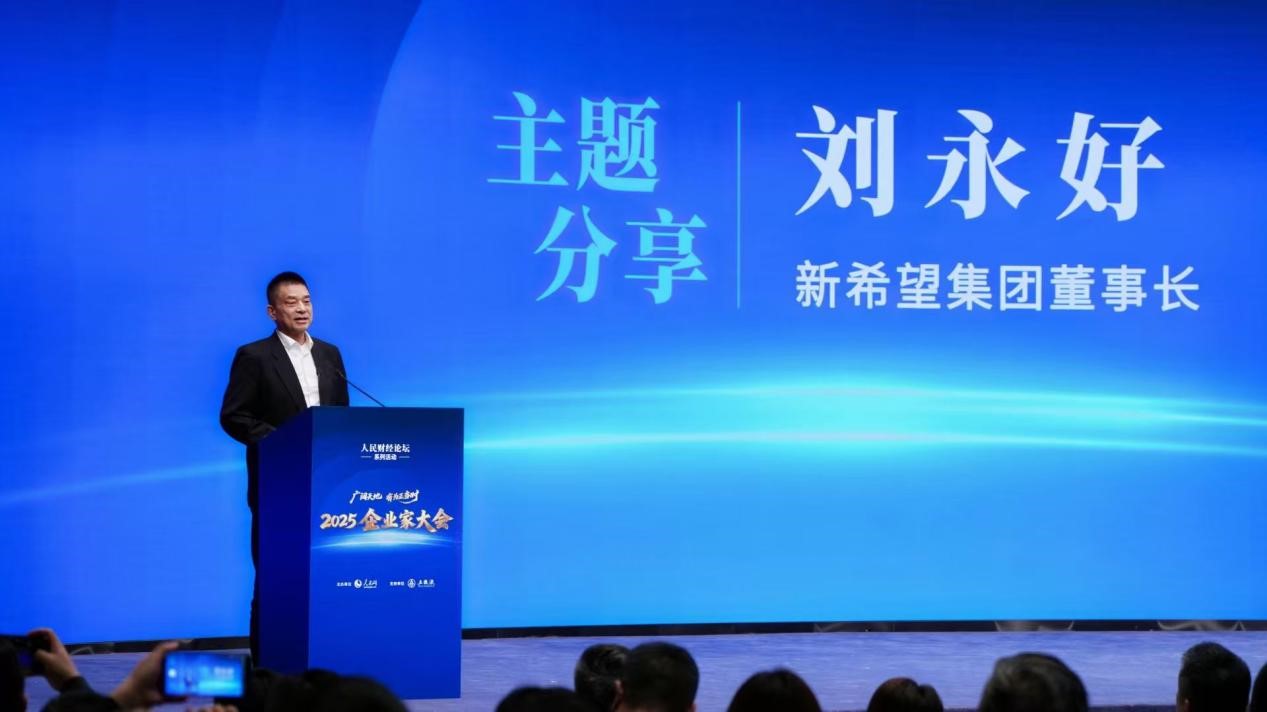
刘永好:发展痛点始终客观存在 唯有直面困难方能破局
Ren Min Wang· 2025-11-03 14:32
Core Insights - The forum emphasized the importance of private enterprises in China's economic landscape and the unwavering support from the government for their development [2] Group 1: Policy Support - The government has consistently prioritized private enterprises, as evidenced by the inclusion of "two unwavering" principles in the Private Economy Promotion Law, establishing a long-term mechanism for equal protection [2] - The "14th Five-Year Plan" highlights the importance of private enterprises' participation, providing a strong confidence boost for entrepreneurs [2] Group 2: Business Philosophy - Liu Yonghao introduced the "Three No's and Three Musts" approach to address challenges in traditional industries: "Three No's" refer to not being anxious, not being complacent, and not fearing difficulties [2] - The "Three Musts" include having confidence, striving hard, and transforming, with confidence stemming from policy support and market potential [2] Group 3: New Productive Forces - The key to upgrading traditional industries lies in technological empowerment, with new productive forces being a practical approach to enhance efficiency, benefit consumers, and provide a sense of gain for workers [2] Group 4: Social Responsibility - Liu Yonghao emphasized that private entrepreneurs should contribute to society by fostering rural revitalization, bringing technology and advanced concepts, and stimulating local motivation [2] - The focus should be on nurturing grassroots leaders and empowering new farmers to ensure that development benefits a broader community [2] Group 5: Call to Action - Entrepreneurs are encouraged to align with broader trends, maintain confidence, and adopt a practical and innovative spirit to contribute to the modernization of China [2]
“两个92%”:民营经济如何实现“质”“量”双升?
Ren Min Wang· 2025-11-03 12:43
Core Insights - The private economy in China has significantly strengthened during the "14th Five-Year Plan" period, characterized by "two 92%": private enterprises account for over 92% of the total number of enterprises, and over 92% of national high-tech enterprises are private [1][2] - The vitality of the private economy is attributed to effective "addition, subtraction, multiplication, and division" strategies: increasing financing, reducing burdens, driving innovation, and removing barriers. By 2024, China is expected to have 372 unicorn companies with a total valuation exceeding $1.2 trillion [1][5] - The market access negative list has been iteratively released five times, reducing the number of items from 151 in 2018 to 106 by 2025, indicating a trend of "shorter lists and more active markets" [1][5] Financing and Investment - During the "14th Five-Year Plan," tailored investment and financing policies have been introduced for private enterprises, with over 3 trillion yuan in projects being promoted to private capital by 2025 [3] - The growth rate of loans to private enterprises has exceeded the average growth rate of all loans by 1.1 percentage points, addressing the challenges of financing difficulties and high costs [3] Cost Reduction and Efficiency - The government has implemented reforms to reduce institutional transaction costs, with tax reductions and exemptions for private economic taxpayers totaling 7.2 trillion yuan from 2021 to mid-2023, accounting for 72.9% of the total tax reduction [3][4] - The application of electronic business licenses has been expanded, with downloads reaching 370 million and usage exceeding 600 million times, facilitating business operations [3] Innovation and Growth - Support for private enterprises in undertaking major national technological tasks and participating in international technological competition has been emphasized, with a focus on investing in emerging and future industries [4][5] - The emergence of unicorn companies, represented by the "Hangzhou Six Little Dragons," highlights the successful growth of private technology enterprises [5] Business Environment Improvement - The establishment of a dedicated bureau for the development of the private economy and the implementation of laws and regulations to promote fair competition have contributed to a more stable and transparent business environment [5] - The continuous optimization of the market access negative list and the removal of 4,218 regulations that hinder fair competition have further released the vitality of the private economy [5]