陪伴型机器人

Search documents
国内政策VS消费-26年最新政策导向和消费机会解读
2026-03-06 02:02
Summary of Key Points from Conference Call Records Industry and Company Overview - The conference call discusses the macroeconomic policies and consumption opportunities in China for 2026, focusing on the government's growth targets and policy directions. Core Insights and Arguments 1. **Growth Target and Policy Shift**: The growth target for 2026 is set at 4.5% to 5%, with a shift from speed to quality, emphasizing sustainable growth. The expected growth rate over the next five years is projected to remain above 4% [1][3]. 2. **Unified Market Construction**: The construction of a unified market is accelerating, with policies against "involution" and monopolies. Price governance has been initiated, particularly in the automotive sector, aiming to stabilize and gradually increase the Consumer Price Index (CPI) [1][4]. 3. **Consumption Promotion Tools**: The government plans to establish a special fund of 100 billion yuan to stimulate consumption, alongside new school holiday systems to boost cultural and tourism consumption [1][6]. 4. **Service Consumption Focus**: Service-oriented consumption is identified as a key investment theme, with the restaurant industry expected to benefit from the easing of overcapacity and price recovery in 2026 [1][8]. 5. **Tax Reform and Consumption Tax**: Fiscal reforms will focus on shifting the consumption tax collection process, which may impact high-end consumer goods like liquor. This is expected to strengthen the competitive advantage of leading companies with pricing power [1][5][15]. 6. **Export Opportunities**: The logic of going abroad is evolving from manufacturing to branding, with expectations of a beta market starting in May 2026 as currency pressures ease [1][14]. Additional Important Insights 1. **Policy Integration**: The 2026 government work report and the 15th Five-Year Plan outline a more integrated approach to policy, with a clearer framework compared to 2021 [2]. 2. **Investment and Employment Goals**: The investment sector is expected to support a positive cycle of investment, employment, income, and consumption, with a target of creating over 12 million new jobs in 2026 [6]. 3. **Traditional and New Industries**: The 2026 policy emphasizes the importance of traditional industries while also highlighting new sectors like AI and smart economy, indicating a balanced approach to economic development [7]. 4. **Downstream Market Dynamics**: The report notes that the consumption capacity in lower-tier cities is relatively healthy, with lower debt burdens and a strong acceptance of new consumption models [12][13]. 5. **Consumer Behavior Trends**: There is a structural shift in consumption from goods to services, with significant potential in sectors like tourism, dining, and education [8][11]. This summary encapsulates the key points from the conference call, providing insights into the macroeconomic landscape and consumption trends in China for 2026.
AI与高等教育“接轨”,路还有多远
Zhong Guo Qing Nian Bao· 2026-02-27 02:28
Core Insights - The integration of AI in higher education is a topic of intense discussion, focusing on whether AI empowers or undermines educational practices [1] - The challenges and opportunities presented by AI in higher education are significant, with a need for reform in educational methodologies and structures to meet evolving societal demands [2][3] Group 1: Challenges in Higher Education - Current higher education faces numerous challenges, including a lack of integration between educational technology and talent development, and a tendency towards homogenization among institutions [1] - The existing educational supply is unable to meet the diverse and continuous talent demands of society, leading to a disconnect between educational output and market needs [1] Group 2: Policy Direction - The Chinese government has outlined a clear policy direction for education, emphasizing the need to accelerate the construction of a strong education system through various strategic plans [1] - The "Education Strong Nation Construction Plan (2024-2035)" and the "Three-Year Action Plan for Accelerating the Construction of a Strong Education Nation (2025-2027)" highlight the importance of digitalization and innovative educational practices [1] Group 3: Opportunities Presented by AI - AI technology enables large-scale personalized education, allowing for tailored teaching methods that can address individual student needs [5][6] - The integration of AI in education is seen as a catalyst for systemic changes in teaching paradigms, promoting collaborative learning environments that blend human and machine interactions [2][6] Group 4: Future of Teaching and Learning - The future of education will require teachers to possess interdisciplinary knowledge, human-machine collaboration skills, and the ability to design learning experiences that engage students [6][7] - The transformation in education driven by AI is expected to fundamentally reshape traditional teaching methods, classroom dynamics, and assessment practices [4][7]
机甲闹春、空天逐梦,北京亦庄工业旅游解锁马年科技年味
Xin Lang Cai Jing· 2026-02-23 10:23
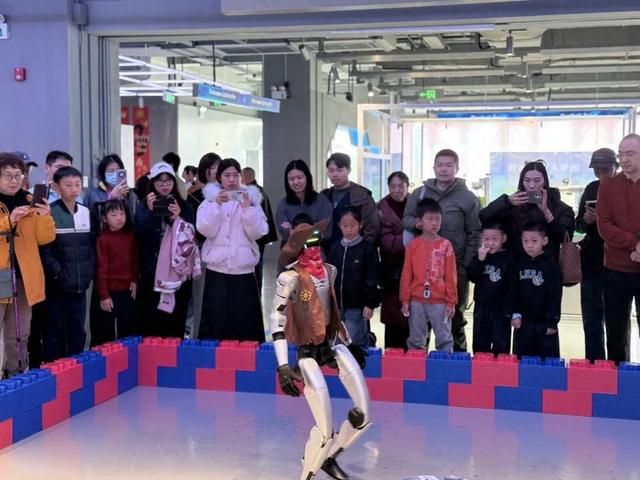
Group 1 - The Robot Mall, the world's first physical smart robot 4S store, attracted numerous visitors during the Spring Festival, showcasing a variety of interactive robots and activities [1][6] - The store featured over 50 types of robots, including bionic, industrial, and companion robots, allowing visitors to engage in activities such as robot Q&A and games [6] - The popularity of the Robot Mall was highlighted by the presence of families and young visitors, with over 70% of attendees falling into these categories [13] Group 2 - The Aerospace Science Education Base, known as the Sky Castle, also experienced high visitor engagement, offering themed activities and immersive experiences related to space exploration [8][10] - Visitors could participate in activities such as rocket launches and explore exhibits like the space station simulation and Mars immersive cinema [11] - The combination of high-tech industry and tourism in Beijing Yizhuang is transforming advanced technology into engaging educational experiences for families [13]

共同富裕先行先试,“浙”里缘何创新活力澎湃?
Xin Lang Cai Jing· 2026-02-19 14:50
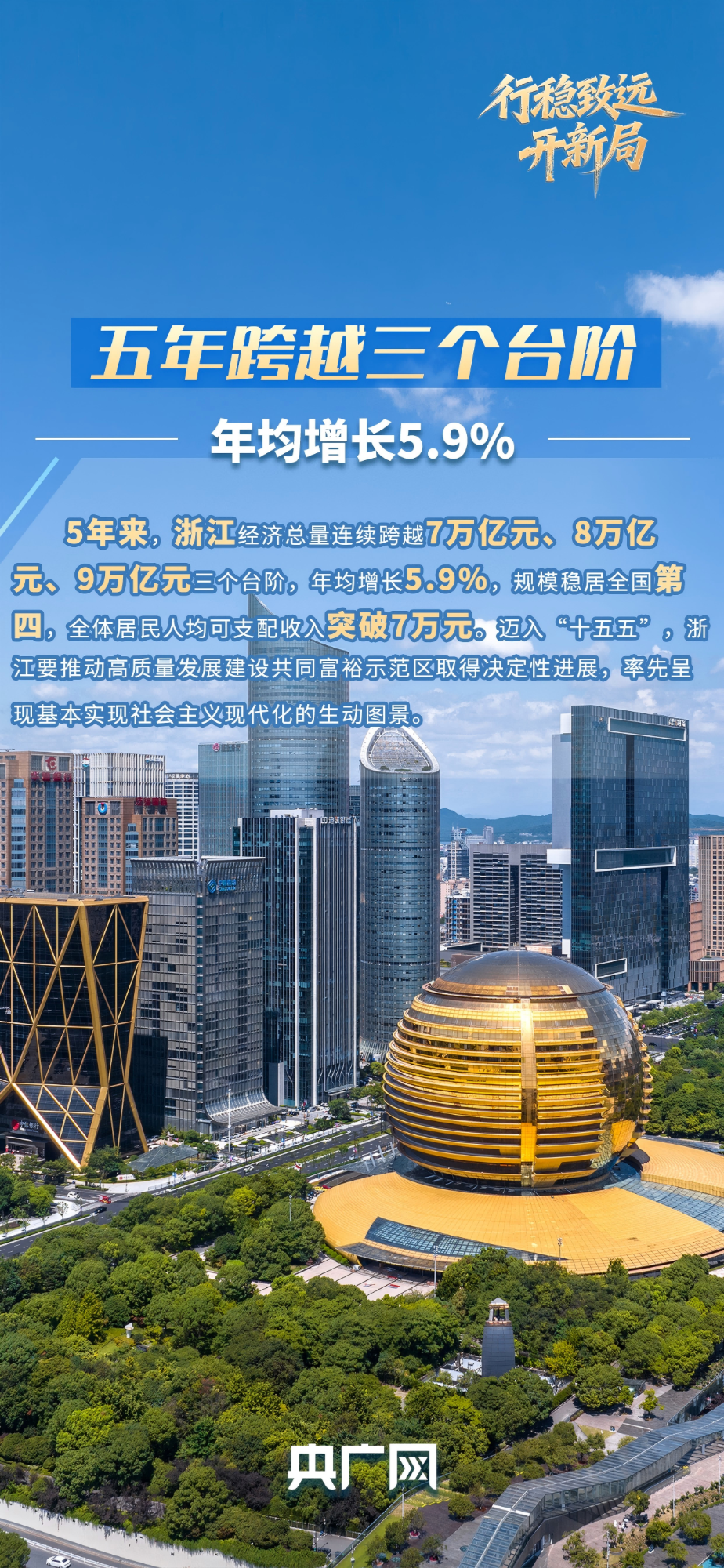
Core Insights - Zhejiang province is focusing on high-quality development and aims to reduce urban-rural, regional, and income disparities as part of its strategy for the "15th Five-Year Plan" [6][26] - The digital economy in Zhejiang has seen significant growth, with the province's economic output surpassing 9 trillion yuan, averaging a growth rate of 5.9% annually over the past five years [5][6] - The province is also emphasizing ecological civilization and sustainable development, with initiatives to enhance environmental quality and promote green energy [19][26] Economic Development - Zhejiang's economy has crossed major milestones, achieving over 9 trillion yuan in total economic output, contributing nearly 7% to the national economy while occupying only 1% of the country's land [5][6] - The province's digital economy is evolving from "innovation exploration" to "development leadership," with significant investments in technology and innovation [6][12] - In 2022, Zhejiang's total technology innovation investment reached 723.2 billion yuan, with over 6,000 new high-tech enterprises established [7][10] Digital Economy - The "Wenshan Digital Life Block" in Hangzhou has become a hub for digital products, attracting over 600 million visitors in 2025 and showcasing the integration of digital economy and cultural tourism [7][10] - AI products, such as AI glasses, have gained popularity, with sales exceeding 30,000 yuan in January 2026 [6][10] - The province aims to build a complete AI industry ecosystem by focusing on collaboration across various sectors [10][12] Ecological Civilization - Zhejiang has transformed its ecological advantages into economic value, becoming the first ecological province in China [19][26] - The West Creek National Wetland Park has seen significant biodiversity improvements, with bird species increasing from 79 to 237 over the past five years [14][19] - The province has implemented innovative ecological product value realization mechanisms, including carbon trading initiatives [18][19] Common Prosperity - The "Common Prosperity Workshop" initiative has been established to enhance rural employment and income, with over 12,700 workshops created, benefiting 551,000 people [22][23] - Zhejiang's per capita disposable income has surpassed 70,000 yuan, with urban and rural incomes exceeding 80,000 yuan and 45,000 yuan, respectively [26][29] - The province is committed to achieving significant progress in common prosperity by 2030, aiming for per capita GDP and income levels comparable to developed economies [26][27]
行稳致远开新局|共同富裕先行先试,“浙”里缘何创新活力澎湃?
Yang Guang Wang· 2026-02-19 13:46
Core Viewpoint - The article emphasizes Zhejiang's significant economic growth and technological advancements over the past five years, highlighting its commitment to high-quality development and the integration of digital economy and ecological sustainability as it enters the "15th Five-Year Plan" period [4][11][28]. Economic Growth - Zhejiang's economic total has crossed significant milestones of 7 trillion, 8 trillion, and 9 trillion yuan, with an average annual growth rate of 5.9%, maintaining its position as the fourth largest economy in China [4]. - The province contributes nearly 7% of the national economic total while occupying only 1% of the country's land area, showcasing its high-quality development [4]. Digital Economy - The digital economy in Zhejiang has transitioned from "innovation exploration" to "development leadership," with products like AI glasses and companion robots becoming popular consumer items [5][10]. - In the past year, Zhejiang invested 723.2 billion yuan in technological innovation, adding over 6,000 high-tech enterprises and 17,600 technology-based SMEs, with the AI core industry revenue reaching 680 billion yuan, growing over 20% [6][11]. Artificial Intelligence Development - The focus on artificial intelligence is evident in the establishment of innovation spaces that support collaboration across various sectors, enhancing the AI industry ecosystem [7][10]. - The region aims to become a leading hub for AI innovation, with plans to enhance computing power and algorithm supply capabilities [10][11]. Ecological Development - Zhejiang has made strides in ecological civilization, transforming areas like the Xixi National Wetland Park into a model of biodiversity, with significant increases in species diversity [12][14]. - The province has implemented innovative ecological product value realization mechanisms, leading to the establishment of 14 "Green Mountains and Clear Waters" practice innovation bases, the highest in the country [18]. Common Prosperity Initiatives - The "Common Prosperity Workshop" initiative integrates resources from various sectors to create platforms for production, employment support, and skill enhancement, significantly increasing income for local farmers [21][27]. - Over the past five years, the per capita disposable income in Zhejiang has surpassed 70,000 yuan, with urban and rural incomes exceeding 80,000 yuan and 45,000 yuan respectively, ranking first among provinces [27]. Future Goals - By 2030, Zhejiang aims to achieve a high-quality development model that closely aligns with developed economies, focusing on economic growth and employment strategies as core drivers [27][28].
蔡明回归:与30年前的“自己”再续前缘
Xin Lang Cai Jing· 2026-02-18 06:58
Core Viewpoint - Cai Ming returns to the Spring Festival Gala stage after seven years, marking her 28th performance, showcasing her versatility in character portrayal and the integration of technology with a robot co-performer [2][4]. Group 1: Performance Details - Cai Ming performed a skit titled "Grandma's Favorite" alongside young comedian Wang Tianfang, which tells the story of an elderly woman living with robots [6]. - The skit features a unique collaboration with a team of robots, highlighting the advancements in technology and the importance of human connection despite technological progress [7][8]. Group 2: Creative Process - Initially hesitant to accept the Spring Festival invitation, Cai Ming was persuaded by the need for veteran actors to mentor newcomers and the nostalgic connection to her past role as a robot [4]. - The creative process involved significant challenges, particularly in training the robots to perform various skills, which required dedication from a young development team [8]. Group 3: Mentorship and Legacy - Cai Ming emphasizes the importance of mentoring the next generation of comedians, reflecting on her own experiences of being nurtured by older actors [9]. - She believes that humor plays a crucial role in providing joy and comfort to people during difficult times, reinforcing her commitment to the art of comedy [9].

蔡明回应蔡明仿生机器人
Xin Lang Cai Jing· 2026-02-18 03:55
Core Viewpoint - The article highlights the return of Cai Ming to the Spring Festival Gala after seven years, showcasing her collaboration with young comedian Wang Tianfang in the skit "Grandma's Favorite," which features a heartwarming story and the integration of robots on stage [1][2][5]. Group 1: Performance and Collaboration - Cai Ming has performed at the Spring Festival Gala 28 times, portraying various characters that resonate with multiple generations [2]. - The skit "Grandma's Favorite" revolves around an elderly woman living with robots, with Wang Tianfang playing her visiting grandson, creating a humorous narrative [5][11]. - Despite a 32-year age difference, Cai Ming and Wang Tianfang collaborated closely, with Cai Ming encouraging him to embrace the performance [6][18]. Group 2: Technological Integration - The skit marks a significant milestone as it features robots performing alongside human actors, a concept that Cai Ming had not previously explored in her career [7][12]. - The robot team, composed of young engineers, trained extensively to ensure the robots could perform various skills, including magic tricks and acrobatics, on stage [12][18]. - Cai Ming's initial skepticism about the feasibility of integrating robots into the skit was overcome by the team's dedication and hard work [9][10]. Group 3: Personal Reflections and Legacy - Cai Ming expressed that her return to the Spring Festival Gala felt like a farewell, initially hesitant to accept the invitation [3][4]. - She emphasized the importance of technology not replacing human emotions, which is a central theme in the skit [8]. - The article reflects on Cai Ming's commitment to nurturing young talent in the comedy industry, highlighting her belief in the significance of encouragement and support for the next generation [18][19].

中国首家人形机器人7S店在武汉开业
Zhong Guo Xin Wen Wang· 2025-11-13 00:09
Core Insights - The first humanoid robot 7S store in China opened in Wuhan, showcasing various humanoid robots and robotic dogs performing live demonstrations to attract customers [1] - The store serves multiple functions including sales, service, training, and product customization, creating a complete lifecycle service for customers [1][2] - The price range of products in the store varies significantly, catering to different consumer needs, from low-cost robot toys to high-end humanoid robots priced over 700,000 RMB [1] Industry Development - The establishment of the 7S store is expected to enhance public awareness and recognition of humanoid robots, while also facilitating collaboration within the industry [2] - Hubei province has gathered over 80 key enterprises related to humanoid robots, forming a comprehensive industrial ecosystem that includes manufacturing, core components, and intelligent systems [2] - Wuhan is accelerating its development as a hub for humanoid robot technology, focusing on sensor demonstration, application scenarios, and smart manufacturing [2]
“人工智能+”让优质医疗资源触手可及
Ren Min Wang· 2025-11-04 01:21
Core Insights - The integration of AI in healthcare is significantly enhancing the quality and accessibility of medical services, particularly in pediatrics and chronic disease management [6][7][13]. AI in Pediatric Healthcare - AI technologies are being utilized to provide advanced screening and diagnostic tools for children, such as AI-powered retinal cameras for eye health assessments and interactive robots for early autism screening [7][8]. - The introduction of AI pediatricians aims to assist healthcare professionals by providing rapid access to the latest research and aiding in the diagnosis of rare diseases [8]. AI in Chronic Disease Management - AI is emerging as a crucial tool in managing chronic diseases, shifting the focus from traditional treatment methods to a more health-centered approach [13][14]. - Continuous Glucose Monitoring (CGM) systems are being developed to provide real-time data for diabetes management, enhancing patient care through personalized recommendations and timely alerts for abnormal blood sugar levels [14][15]. AI in Traditional Chinese Medicine - The application of AI in Traditional Chinese Medicine (TCM) is being explored, with projects aimed at integrating AI for diagnostics and treatment, enhancing the effectiveness and accessibility of TCM practices [10][12]. - The Chinese government is promoting the integration of digital technologies, including AI, into TCM to modernize and improve healthcare delivery [12]. AI in Mental Health - AI is being deployed in mental health services, with systems capable of assessing users' emotional and cognitive states, providing recommendations, and facilitating communication between students and mental health resources [9].

财经聚焦丨关键指标创新高!广交会透出外贸新气象
Xin Hua Wang· 2025-10-30 17:44
Core Insights - The 138th Canton Fair serves as a barometer for China's foreign trade, showcasing over 32,000 exhibitors and attracting nearly 240,000 overseas buyers, marking a 6.8% increase compared to the previous session [1][2][8] Group 1: Exhibitor and Buyer Statistics - The fair features over 32,000 exhibitors, a historical high, with more than 10,000 quality enterprises participating for the first time [5][8] - Nearly 240,000 overseas buyers from 223 countries and regions attended the first two phases of the fair, indicating a strong international interest [2][4] Group 2: Market Opportunities and Innovations - Exhibitors are showcasing innovative products, including smart devices and home decor, reflecting the vitality of Chinese manufacturing and supply chain capabilities [2][11] - The fair has established a dedicated area for foreign trade products to connect with domestic markets, promoting the integration of domestic and international trade [7] Group 3: Industry Trends and Future Outlook - The fair highlights a shift towards high-tech, specialized, and innovative enterprises, with a notable increase in the number of exhibitors recognized for their advanced technologies [8][12] - The event is seen as a critical platform for foreign trade enterprises to demonstrate their R&D capabilities and introduce new industry products [9]