
Jing Ji Guan Cha Bao

Search documents
薇诺娜官宣亚太区品牌代言人王楚钦
Jing Ji Guan Cha Bao· 2026-02-10 10:07
2 月 9 日,薇诺娜正式官宣王楚钦成为亚太区品牌代言人。一位是乒坛冠军、一个是中国敏感肌护肤市 场的领导品牌,双方围绕「向前一步,钦力特护」的传播核心,完成了一次进取精神与专业价值的共 振。 配合此次官宣,薇诺娜携手王楚钦全渠道上新「好 WIN」系列限定套组,以及红运拍立得、发巾、冰 箱贴、小卡等限定周边,消费者购买指定套组即可获得对应周边。线下,薇诺娜则在 12 城 48 屏 点亮 王楚钦官宣大屏,并邀请粉丝参与打卡互动,进一步提升官宣声量。 (原标题:薇诺娜官宣亚太区品牌代言人王楚钦) ...
当文明与秩序崩塌之时
Jing Ji Guan Cha Bao· 2026-02-10 10:07
Core Viewpoint - The narrative of "Another Journey to the West" by Miao Zixi explores the story of Che Fengchao, a Tang dynasty envoy, whose journey to the Western Regions reflects the rise and fall of the Tang dynasty amidst the backdrop of the An Lushan Rebellion and the geopolitical dynamics of the time [1][2][4]. Summary by Sections Historical Context - The Tang dynasty was at its peak, exerting influence over the Western Regions and Central Asia, including the vassal state of Kucha, which sought protection from the Tang against the expanding powers of the Umayyad Caliphate and Tibet [2][4]. - The envoy Che Fengchao, under the guidance of a Kucha monk, sought refuge in India to escape the turmoil caused by the An Lushan Rebellion, which marked the decline of the Tang dynasty [2][3]. Geopolitical Dynamics - The narrative highlights the delicate balance that Kucha had to maintain between the three powers: the Umayyad Caliphate, Tibet, and the Tang dynasty [1][2]. - The historical backdrop includes the conflicts between nomadic and agrarian civilizations, with the Tang dynasty's establishment of protectorates in the Western Regions to manage these tensions [4][5]. Military Conflicts - The Tang dynasty faced significant military challenges, including the rise of the Eastern Turkic Khaganate and subsequent conflicts that led to territorial losses [6][7][10]. - The narrative discusses the military engagements between the Tang and Tibet, particularly the battles that drained the Tang's resources and ultimately led to the loss of the Western Regions [10][12]. Cultural and Individual Perspectives - Miao Zixi employs a documentary-style narrative to depict the personal journey of Che Fengchao, reflecting on the broader historical events while emphasizing individual experiences [13][14]. - The story illustrates the collapse of civilization and order, while simultaneously reshaping the worldview of the Central Plains, connecting various civilizations across Inner Asia, East Asia, and South Asia [14].
内心的篝火
Jing Ji Guan Cha Bao· 2026-02-10 10:07
(原标题:内心的篝火) 1 生命的本质在于动,活着就得动,得走起来,要跳起来,最好还能飞起来。动在定义动物的同时,也定 义了人这种动物的一个特征。对于每个人生来说,"还能动"是起码的要求,"不能动了"是终极的绝望。 《风景》是一本诗集,作者因一种罕见的疾病全身失去知觉,唯一能动的只有眼睛。几年来,就靠这双 眼睛和一台眼动仪,已过耄耋之年的他回味人世,抚摸岁月,写作不辍。他的笔名叫"冬青",太贴切 了:他硬是在人生极寒的荒漠,开垦出一块温润的绿洲。 《风景》 冬青| 著 中共党史出版社 2026年1月 估计《风景》在一些人那里不能算诗。集中有些篇什我看也很勉强,例如这首: 病中偶尔会有挫折感/用眼睛(光)触摸屏幕/好不容易写了几行/或自己不小心没留神/扫到了清除键/或 别人不当心/触摸了清除键/留下一片空白/于是我流泪了/埋怨命运的不公/将我打倒在床… 不见工巧的文思,也不见起伏的诗情,如果再把分行一撤,这就是一则关于写作过程的记事。可 这"事"却非一般之事,而是非常人干的非常事。其价值不在寻常的美学价目表上,其重量一般的文艺秤 砣怕是不够用。这样的文字叫什么不重要,冬青之所以用"诗"来命名这个集子,除了形式上 ...
今日看点|国家卫生健康委将举行时令节气与健康(立春、雨水)有关情况新闻发布会
Jing Ji Guan Cha Bao· 2026-02-10 10:07
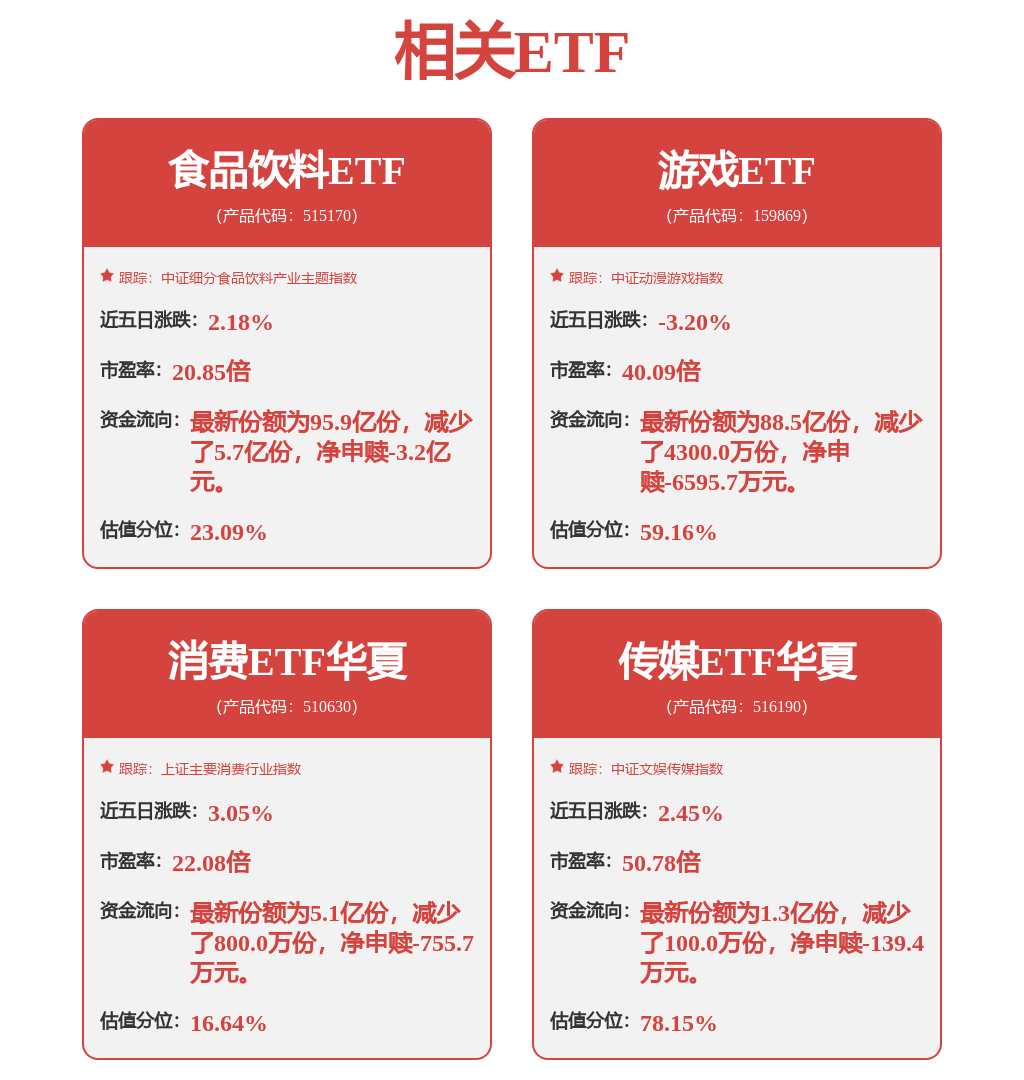
(原标题:今日看点|国家卫生健康委将举行时令节气与健康(立春、雨水)有关情况新闻发布会) 2月10日重点关注的财经要闻与资本市场大事: 1、国家卫生健康委将举行时令节气与健康(立春、雨水)有关情况新闻发布会 2月10日下午3时,国家卫生健康委将召开新闻发布会,介绍时令节气与健康(立春、雨水)有关情况,并回答媒体提问。 2、7.88亿元市值限售股今日解禁 2月10日,共有10家公司限售股解禁,合计解禁量为4428.48万股,按最新收盘价计算,合计解禁市值为7.88亿元。 ★ 跟踪:中证细分食品饮料产业主题指数 从解禁量来看,物产金轮、康尼机电、贝斯特解禁量居前,解禁股数分别为3107.08万股、636.88万股、177.89万股。从解禁市值来看,物产金 轮、翔楼新材、康尼机电解禁市值居前,解禁市值分别为4.99亿元、9035.02万元、4534.6万元。从解禁股数占总股本比例来看,物产金轮、翔楼 新材、殷图网联解禁比例居前,解禁比例分别为13.97%、1.26%、1.1%。 3、13家公司披露回购进展 2月10日,13家公司共发布13个股票回购相关进展。其中,4家公司首次披露股票回购预案,4家公司回购方案获股东 ...

今日看点|国务院将举行《加快培育服务消费新增长点工作方案》政策例行吹风会
Jing Ji Guan Cha Bao· 2026-02-10 10:07
Group 1 - The State Council will hold a press conference regarding the "Accelerating the Cultivation of New Growth Points in Service Consumption Work Plan" on February 6 at 3 PM [1] Group 2 - On February 6, a total of 7 companies will have their restricted shares unlocked, with a total unlock volume of 33.61 million shares, amounting to a market value of 5.243 billion yuan [2] - The companies with the highest unlock volumes are Xinghuan Technology-U, Dengkang Dental, and Hansan Technology, with unlock shares of 27.16 million, 2.99 million, and 1.52 million respectively [2] - In terms of unlock market value, Xinghuan Technology-U, Dengkang Dental, and Hansan Technology lead with values of 4.985 billion yuan, 130 million yuan, and 8.616 million yuan respectively [2] Group 3 - Eight companies disclosed stock repurchase progress on February 6, with 2 companies announcing new repurchase plans, 2 companies having their plans approved by shareholders, and 4 companies completing their repurchase plans [3] - The newly announced repurchase plans include Haizheng Pharmaceutical and Huatong Cable, with intended repurchase amounts of up to 726,400 yuan and 296,800 yuan respectively [3] - The companies that received shareholder approval for their repurchase plans are Hengtong Co. and Hongtai Sun, with intended repurchase amounts of up to 100 million yuan and 215,000 yuan respectively [3]

心理学有个词叫:情绪边界(你之所以在关系里反复内耗,80%是因为你没有建立情绪边界)
Jing Ji Guan Cha Bao· 2026-02-10 10:07
"伴侣心情低落闷不吭声,我哪怕累到只想躺平,也得硬撑着凑过去安慰,稍一迟疑就满是愧疚" "朋友吐槽孩子、老人接二连三的生病,我听着听着就跟着揪心,夜里翻来覆去睡不着,好像那些糟心 事全落在了自己身上"。 你是不是也经常这样?别人的情绪不知不觉就缠上了你,让你在顾及别人感受和关照自己之间,来回拉 扯、内耗不止。 其实,在心理学上,有个词语叫"情绪边界",把这个现象的根源已经说透了。 一、什么是情绪边界 所谓情绪边界,其实就是你在情绪上和别人之间的"分寸感"。 它就像一层心理保护膜,让那些真诚的关心、开心的情绪自由流动,也能挡住别人的坏情绪、不合理的 期待,不让它们随便闯进你的生活,同时也不会把自己的情绪垃圾,硬塞给身边人。 (原标题:心理学有个词叫:情绪边界(你之所以在关系里反复内耗,80%是因为你没有建立情绪边 界)) 前几天,有个朋友吐槽说自己总是容易被别人的情绪带着走,比如: "同事上班时摆着一张脸,态度冷淡,我一整天都坐立难安,反复琢磨是不是自己哪句话说错了" 如果你的情绪边界是模糊的,你就会总想着承接别人的情绪,最后把自己熬得身心俱疲;也不懂得拒绝 别人介入你的情绪,慢慢就忘了自己真正想要什么、真实感 ...
别把时间浪费在不值得的人和事上
Jing Ji Guan Cha Bao· 2026-02-10 10:07
在网络上,看到过这样一个有趣的视频: (原标题:别把时间浪费在不值得的人和事上) 两只小猫抢着吃一条小鱼,一只猫气鼓鼓的,咬住鱼的一头,而另一只猫则聪明多了,只顾着吃鱼。 到最后,一只猫已经吃掉半条鱼了,另一只猫还在那里生气。不生气的猫已经吃饱了,而生气的那只 猫,也气饱了。 这告诉了我们一个什么道理? 不要做情绪的奴隶,不要内耗,不要把时间花在不值得的人和事情上。而是要做好该做的事情。 一、不要把时间浪费在不重要的人和事情上 什么是不重要的人? 就是那些消耗你的人,他们身上负能量满满,会说你一些坏话。 如果你一直想,他们为什么会这么说我?我哪里有问题? 你在上面纠缠,一直内耗,而那些人,该说说,该干什么就干什么,没有人在意你的情绪。结果,你反 而就被伤害了。 所以,对于这类人,你完全不用在意他们,不要去想他们说了什么。 为了方便理解,在这里举一个例子: 有些人经常会因为发生过的事情而内耗,会因为一个错误的决定,导致了不好的结果,就情绪低落,不 断懊悔、自责,总在想:"如果当时没那么做,就好了。" 但这么做,于事无补。如果你老是想着已经发生的事情,就会在上面追加投入你的精力,你的情绪,最 终让结果越来越坏,产 ...
为什么你越说“不”,孩子越要对着干?
Jing Ji Guan Cha Bao· 2026-02-10 10:07
(原标题:为什么你越说"不",孩子越要对着干?) 妈妈独自带着孩子去游乐场玩,孩子觉得很多东西都新奇,一会儿跑到这里一会儿跑到那...... 妈妈一个人拎着大包小包在后面跟着跑,明显力不从心了,于是不停的喊: "跟着我,别自己乱跑","不要去个水池边,那里太危险","那么多人你乱跑妈妈找不到你怎么办 啊","快点回来","你到底听不听话啊""早知道就不带你出来了,真费劲" 但孩子并没有因为妈妈的说教而停止乱跑,反而跑的更快,妈妈也是越来越崩溃。 各位宝妈们是不是也都有这种体会呢,你越不让孩子做什么,孩子越要干。 是不是也经常对孩子说类似的话呢? "别乱跑" "别偷吃糖" "别看电视了" "别再玩手机了" …… "不行,不要,不可以",这应该是妈妈们每天说得最多的话了,几乎成了口头禅。 可回想一下,你对孩子说了那么多"不"、"不要"、"不准"到底真的有用吗? 你的不允许为什么没用? 美国哈佛大学社会心理学家丹尼尔·魏格纳曾做过一个实验。 他要求参与者尝试不要想象一只白色的熊,结果参与者的思维出现强烈反弹,大家很快在脑海中浮现出 一只白熊的形象。 比如失眠患者告诉自己睡前不要乱想,结果脑子乱成一团,什么记忆都出现 ...
平等的幻象:动荡时代的先知
Jing Ji Guan Cha Bao· 2026-02-10 10:07
(原标题:平等的幻象:动荡时代的先知) 在全球范围内,彼得·德鲁克一直以"著名管理学家"乃至"管理学之父"的显赫身份为世人所熟知,德鲁 克的这一耀世标签与"管理学"这一学科在二十世纪的强势崛起和发展密不可分。事实上,德鲁克不止是 一位先知型的管理学家,更是一位抱负远大的思想家。早在1993年,英国《经济学人》杂志就给了德鲁 克一个精准的定位:"在一个充斥着自大狂和江湖骗子的行业中,他是一个真正具有原创性的思想家。" 然而,对德鲁克本人来说,他很少以"管理学家"自居。他曾经半开玩笑地说,媒体将管理学家称作"大 师"(guru),是因为"江湖术士"(charlatan)这个词太长了而不适合用在新闻标题中。 终其一生,德鲁克所关注和思考的一个焦点问题是:人、组织、社会三者之间的关系。为此,德鲁克在 晚年创造了一个词,称自己为"社会生态学家"(social ecologist)。如果说德鲁克留下的39本书和不计 其数的文章形成了一个浩瀚的思想景观,那么其景深处的源头伫立着的是他的第一本书,也是他的成名 作——《经济人的末日》(1939)。 《经济人的末日》 [ 美 ] 彼得 · 德鲁克 | 著 洪世民 赵志恒 | 译 ...
3岁前的养育,决定孩子一生的轨迹,父母千万要重视
Jing Ji Guan Cha Bao· 2026-02-10 10:07
02 在3岁前你所做的一切,无法立刻看到效果,他缓慢释放在整个人生中。 有的人看了上一条或许要说: "没那么严重吧,我们家小区很多孩子都是老人24小时带的保姆带的,个个阳光灿烂身体健康。 每个母亲,初为人母时,都是惴惴不安、甚至是惶恐的。不仅仅是出于对这个小孩的爱,更出于对我们 自己作为人的自身发展规律的不了解。当自己的生命开始和另外一个生命捆绑在一起,还没弄明白自己 是怎么回事呢,就要去对另一个生命负责了,这无疑是一种压力。有些妈妈在这样的黑暗中看到成长的 那缕曙光,看到自己要去的那个方向。可也有妈妈开始退缩,开始放弃母亲的权利和职责。见到很多从 孩子出生起就让老人家主导或者阿姨带孩子的妈妈朋友。她们的原因各色各样,有经济、家庭矛盾、自 身的身体等等原因。我尊重这些妈妈的选择,也理解个中的不易,每个人生活都是不容易的。只是面对 这些孩子时,心情还是忍不住会难过:孩子的0-3岁真的是金子般重要的三年啊。 虽没信佛,但觉得佛家说的因果,很有教育启发意义——"凡人怕果,菩萨畏因"。等孩子到某一年龄的 时候,你想改变那个果,是很难很难的。种子成熟需要时间,需要种下更多的善因,需要时间,才能结 出善果。3岁前的孩子, ...