
Bei Jing Qing Nian Bao

Search documents
外交部新闻发言人毛宁向全球推介北京“奥林匹克中心区”
Bei Jing Qing Nian Bao· 2026-01-17 08:57
【外交部新闻发言人毛宁向全球推介北京"奥林匹克中心区"】1月17日,外交部新闻发言人毛宁通过海 外社交平台,发布一段"奥林匹克中心区"的主题视频,推介这一全球唯一"双奥"园区。奥林匹克中心区 位于北京北中轴线及延长线,北至清河南岸,南至北土城路,东至安立路和北辰东路,西至林萃路和北 辰西路,占地面积11.59平方公里。历经20年的发展,北京奥林匹克中心区已成为文商旅体展高度集聚 的融合空间。(北京青年报记者 武文娟 吕安琪 编辑 郭谦 校对 王晗) ...
校园冰雪季
Bei Jing Qing Nian Bao· 2026-01-16 00:38
Core Viewpoint - The promotion of ice and snow sports in Beijing's schools is enhancing students' physical fitness and teamwork skills, while also fostering a love for these activities through engaging experiences [1][13]. Group 1: Ice and Snow Sports in Education - Various ice and snow sports, such as land curling and simulated speed skating, are being integrated into the curriculum of primary and secondary schools in Beijing [1]. - The Beijing Municipal Education Commission is actively promoting these sports to support the comprehensive development of youth [1]. - Students are able to experience the excitement of ice and snow sports without leaving their schools, participating in diverse campus ice and snow carnivals [1]. Group 2: Student Experiences and Growth - Students report significant personal growth through their participation in ice and snow sports, learning valuable lessons about perseverance, teamwork, and strategy [6][8]. - The experience of practicing land curling has taught students the importance of focus and methodical execution, as they learn to control the ice stones effectively [2][5]. - Competitions among students foster a sense of camaraderie and collective achievement, as they celebrate both victories and the joy of participation [15][18]. Group 3: Skills Development - Ice and snow sports require not only physical skills but also mental resilience and strategic thinking, akin to playing chess on ice [7][10]. - Students are encouraged to apply mathematical concepts in their gameplay, such as estimating distances and calculating angles for optimal performance [7]. - The training regimen emphasizes consistent practice and teamwork, which are crucial for success in competitive settings [5][17].
经中央军委批准,军博通州分馆已启动建设,预计2027年正式对公众开放
Bei Jing Qing Nian Bao· 2026-01-15 16:34
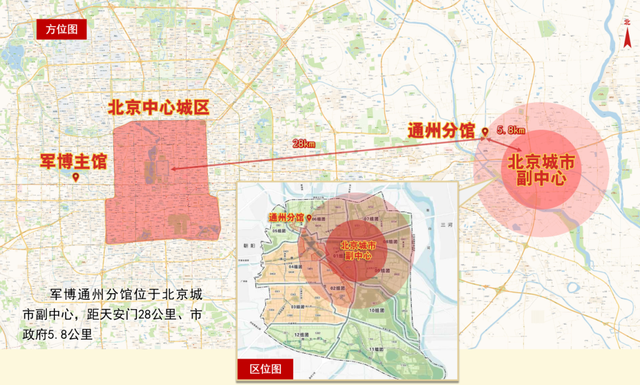
1月15日,"中国人民革命军事博物馆"微信公众号发布消息:军事博物馆在通州建分馆啦! 经中央军委批准,中国人民革命军事博物馆通州分馆,已在原通州民兵武器装备陈列馆基础上全面启动 建设工作。一座全新的军事文化殿堂,正拔地而起。 坐落副中心,形蓄力量 分馆位于北京市通州区焦王庄陈列馆路25号,分馆的核心建筑——展览大楼,造型以古代兵器箭镞形象 为主元素,以方正造型为主,辅以斜向线条增强力量感,军事特色鲜明,彰显新时代人民军队敢打必胜 的精气神。 分馆展览大楼建筑面积超4万平方米,规划了约2万平方米的展陈空间。 一层人民军队退役武器装备陈列 约9000平方米(含3000平方米室外展场),主要展示人民军队缴获、引进和仿制、研制的大型武器装 备,展现人民军队大型武器装备从无到有再到强的发展历程、装备发展历程承载的人民军队光荣历史, 以及人民军队从小到大、由弱到强、从胜利走向胜利的发展历程中所体现的战斗精神。 二层中国古近代军事陈列 约5000平方米,以中华优秀传统军事文化为主题,系统梳理中华五千年兵学智慧。 三层世界军事藏品枪械专题陈列 内设三大展,承载厚重 约2000平方米,展示世界枪械自14世纪初出现至今以来的历史 ...

“试吃卡”骗局折射数字时代电诈新特点
Bei Jing Qing Nian Bao· 2026-01-15 10:05
胡欣红 "试吃卡"骗局,本质上是犯罪手段对数字时代技术红利的扭曲利用。诈骗分子深谙"精准营销"思 维,借助二维码、陌生App、社交群组等数字工具,将诈骗流程从"面对面"转为"屏对屏",既降低了作 案风险,又扩大了诈骗半径。此外,通过非法获取的个人信息构建资源库,从初期的小额返利到后期的 大额诈骗,甚至衍生出盗刷银行卡、网络贷款等次生犯罪,形成黑色产业链。这种诈骗策略瞄准部分群 体的数字素养短板,也暴露出传统防骗模式的局限性。 面对不断升级的诈骗手段,只有构建起全民防骗体系,才能筑牢财产安全防线。"天上不会掉馅 饼"的朴素警示是个人防护的第一道防线,要坚守不扫陌生二维码、不下载非官方App、不向陌生平台 泄露个人信息的"三不原则",更不能因贪图小利参与此类"地推兼职",沦为诈骗分子的帮凶。社区应织 密基层治理网络,通过网格员巡查、防骗讲座、邻里提醒等方式,对老年群体等重点对象开展针对性宣 传。相关平台需压实监管责任,二维码服务商应建立风险数据库,电信和金融机构要加强涉诈信息监 测,从源头阻断诈骗链条。 电信网络诈骗的治理从来不是速决战,而是持久战。"试吃卡"骗局的出现,只是诈骗手段迭代升级 的一个缩影。当线下诈 ...

携程回应:将配合调查,全面落实监管要求
Bei Jing Qing Nian Bao· 2026-01-14 16:28
北京青年报2026-01-14 18:00:19 编辑 | 杨家瑞 随后,携程发布公告: 近日,携程接到国家市场监管总局通知,依法对携程涉嫌垄断行为进行立案调查。公司将积极配合监管 部门调查,全面落实监管要求,与行业各方携手共建可持续发展的市场环境。目前,公司各项业务均正 常运行,将一如既往地为广大用户和合作伙伴提供优质的服务。 来源 | 携程黑板报 ...

涉企行政执法乱象必须露头就打
Bei Jing Qing Nian Bao· 2026-01-14 10:09
Core Viewpoint - The ongoing special action has significantly reduced the number of administrative inspections related to enterprises, improved the precision in identifying issues, and addressed various concerns of businesses regarding inconsistent enforcement standards and difficulties in credit restoration [1][4] Group 1: Administrative Enforcement Issues - The special action aims to tackle four prominent issues: arbitrary fees, fines, inspections, and seizures; illegal cross-regional enforcement; inconsistent enforcement standards; and abuse of power or neglect of duty by enforcement personnel [2][3] - Recent typical cases highlight ongoing violations of regulations, such as unauthorized third-party inspections and excessive inspection frequency, which disrupt normal business operations and increase operational costs for enterprises [3][4] Group 2: Impact on Enterprises - The reduction in administrative inspections has led to the return of illegal fees and the resolution of issues related to account freezes, thereby alleviating burdens on businesses [1][4] - The special action has been recognized for its effectiveness in curbing arbitrary fines and enhancing the overall business environment, although challenges remain in fully implementing these reforms [3][4] Group 3: Future Directions - Continuous efforts are required to transition from case-specific corrections to comprehensive governance, ensuring that issues in administrative enforcement are systematically addressed [1][4] - Regular evaluations of the effectiveness of the special action and the establishment of a normalized supervision mechanism are essential for achieving tangible results in rectifying administrative enforcement irregularities [4]
欧洲央行和8国央行行长联合力挺美联储主席鲍威尔:我们团结在一起
Bei Jing Qing Nian Bao· 2026-01-13 23:36
北京青年报2026-01-13 19:43:44 1月13日,全球多国的央行行长发表联合声明,力挺美联储主席鲍威尔。 据美国《华尔街日报)13日报 道,9位央行行长"史无前例地"发表联合声明,强调维护美联储的独立性"至关重要"。 报道称,声明由欧洲中央银行行长以及英国、瑞典、丹麦、瑞士、澳大利亚、加拿大、韩国和巴西的央 行行长共同发表。声明中表示,"我们与美联储及其主席鲍威尔完全团结在一起。" 据美国《纽约时报》11日报道称,美国哥伦比亚特区联邦检察官办公室已对联邦储备委员会主席鲍威尔 展开刑事调查,主要涉及美联储办公大楼翻修项目,以及鲍威尔是否就该项目规模向国会作虚假陈述。 对此,美联储11日罕见发布视频声明,鲍威尔表示相关指控都是"借口",自己被调查的原因其实是美联 储"没有遵从总统意愿"设定利率。美联社说,这一事态发展重新引发外界对美联储独立性受到损害的担 忧,可能削弱全球投资者对美债的信心。 1月13日,全球多国的央行行长发表联合声明,力挺美联储主席鲍威尔。 据美国《华尔街日报)13日报 道,9位央行行长"史无前例地"发表联合声明,强调维护美联储的独立性"至关重要"。 北京青年报2026-01-13 ...
石景山区打造“两园一河”水岸客厅
Bei Jing Qing Nian Bao· 2026-01-13 18:16
Core Insights - The Shijingshan District of Beijing is focusing on high-quality development in 2026, with a total investment of 3.8 billion yuan aimed at enhancing ecological, exhibition, and cultural sports sectors [1] Group 1: Ecological and Consumer Development - The "Two Parks and One River" initiative has shown significant results by 2025, with the Yongding River area becoming a popular destination for high-quality ecological consumption [2] - The "Waterfront Living Room" project will be launched in 2026, with 3.8 billion yuan allocated for 28 key projects, including diverse commercial and ecological spaces [2] Group 2: Exhibition Economy - The Shijingshan District is implementing a three-year action plan for high-quality development of the exhibition economy, aiming to host over 20 exhibitions and exceed 2 million square meters of exhibition space by 2026 [3] - The core area of the service trade fair will undergo renovations to enhance its capacity and service levels before the event in September 2026 [3] Group 3: Sports and Events Economy - The district has established a strong brand in the sports economy, with the WTT China Grand Slam generating nearly 154 million yuan in direct revenue in 2025, marking a 54.3% increase in ticket sales [4] - In 2026, the district plans to introduce popular international esports events and develop seasonal sports products, including marathons and hiking events [4][5] - Plans are underway to upgrade existing sports venues and construct a new esports and sports center to accommodate large-scale events [5]
989套!北京保障房中心首个集租房项目顺义封顶
Bei Jing Qing Nian Bao· 2026-01-13 01:37
Core Viewpoint - The project in Henan Village, Renhe Town, Shunyi District, marks Beijing's first collective land construction rental housing project, aimed at providing affordable housing options to the community [1][2] Group 1: Project Overview - The project is a collaboration between Yanshun Investment Company, a subsidiary of the Beijing Housing Security Center, and the Henan Village Economic Cooperative [1] - It will provide a total of 989 affordable housing units, including 747 apartment units, 60 residential units, and 182 dormitory units, catering to various demographic needs [1] - The total construction area is 75,500 square meters, with 54,100 square meters above ground and 21,400 square meters underground [1] Group 2: Housing Features - The project offers a range of unit sizes from over 20 square meters to 60 square meters, accommodating both single residents and families [1] - Units will be delivered with high-quality finishes, allowing tenants to move in with minimal preparation, thereby reducing living costs [1] Group 3: Community Impact - The project aims to alleviate housing difficulties for new citizens and young people in the Shunyi New Town area, contributing to the goal of ensuring suitable living conditions for all [2] - Additional commercial facilities, such as convenience stores, will be developed alongside the housing project to enhance the living experience for residents [1]
989套!北京保障房中心首个集租房项目在顺义封顶
Bei Jing Qing Nian Bao· 2026-01-12 18:42
Core Viewpoint - The project in Henan Village, Renhe Town, Shunyi District, marks Beijing's first collective land construction rental housing initiative, aimed at providing affordable housing options to the community [1][2]. Group 1: Project Overview - The project is a collaboration between the Beijing Housing Security Center's subsidiary, Yanshun Investment Company, and the Henan Village Economic Cooperative, set to deliver 989 units of affordable housing [2]. - The total construction area is 75,500 square meters, with 54,100 square meters above ground and 21,400 square meters underground, consisting of 8 residential buildings [2]. - The housing units include 747 apartment-type, 60 residential-type, and 182 dormitory-type units, catering to diverse housing needs [2]. Group 2: Design and Amenities - The project features various unit sizes ranging from over 20 square meters to 60 square meters, accommodating both single residents and families [2]. - Units will be delivered with high-quality finishes, allowing tenants to move in with minimal hassle, thereby reducing living costs [2]. - Additional commercial facilities, such as convenience stores, will be developed to enhance the living experience for residents [2]. Group 3: Project Timeline and Impact - The project has completed its main structure and will begin secondary construction, with an expected completion date by the end of 2026 [3]. - This initiative aims to alleviate housing difficulties for new citizens and young people in the Shunyi New Town area, supporting the goal of providing suitable living conditions [3].