Bei Jing Qing Nian Bao

Search documents
欧盟宣布对中国一家风电巨头公司展开调查,外交部:中方坚定维护中国企业正当合法权益
Bei Jing Qing Nian Bao· 2026-02-04 12:26
2月4日,外交部发言人林剑主持例行记者会。 文 | 北京青年报记者 董鑫 编辑 | 杜小溪 有记者提问,欧盟日前宣布对中国风电巨头金风科技股份有限公司展开调查,原因是担忧该公司从政府补贴中获益,扭曲欧盟市场竞争。中方对此有何评 论? "你问到的具体情况建议向中方的主管部门了解。"林剑指出,欧盟频繁动用单边经贸工具,对中国企业采取歧视性限制性的措施,发出的是保护主义信 号、损害的是欧盟形象、影响的是中国企业赴欧投资的信心。 林剑强调,我们敦促欧方恪守市场开放承诺和公平竞争原则,停止滥用单边经贸工具,为各国企业提供公平透明、非歧视的营商环境。中方坚定维护中国 企业的正当合法权益。 ...



从“一超多强”到“群雄并起” 六部新片角逐2026年春节档
Bei Jing Qing Nian Bao· 2026-02-03 23:52
PEGASUS 3 沈腾 韩塞 T J 2 J 7- 2020 6 I 81 e e A 大年初一 影院见 1994 ess PE 免费器 收盘 16 视频 出版 14 视图 视图 162 max 视频网 2019 彩票网 2019 彩票网 365体育 365体育 365体育 365体育 365体育投注网 365体育投注网址365体育在线体育投注网址365 365 365 bet365体育投注网址365体育投注足球网 365体育投注网址365体育投注足球网 C r :1 185 st & Ini 1 85 TT THE = .... 唯在地整了 开年级 es : 100 ne ZDZE 春节见 - 导演奏和平 I 命 Tol 2.40 2026 春节见 策马江湖 热血开年 10 手机 BA 7 在洋 .5 胡明 4 不能 E FIF H DI 1/4/5 计算 19/ P UI 5 a 三次 Panda Plan The Magical ■ 看节上映 熊猫陪你过大年 一 看节上映 熊猫赌篮 腾腿 版 彩票 股票客服 播建发 于停元 酷笑题。 BALLA ROWRIFICERE BEEL BELL a kan ...

京津冀三大圈层嵌套联动协同发展
Bei Jing Qing Nian Bao· 2026-02-03 18:39
Core Viewpoint - The "Modern Capital Urban Circle Spatial Collaborative Planning (2023-2035)" has been approved, marking the first urban circle plan approved by the central government, aiming to enhance the coordinated development of the Beijing-Tianjin-Hebei region and establish a high-quality development model for urbanization [1][2]. Group 1: Planning Overview - The plan delineates an area of approximately 42,000 square kilometers and proposes a spatial structure of "one core, two wings, dual cities, multiple points, and multiple corridors" [3]. - It aims to create three major spatial layers: commuting circles, functional circles, and industrial collaboration circles, fostering an innovation triangle in the Beijing-Tianjin-Hebei region [1][3]. Group 2: Strategic Positioning - The strategic positioning of the capital urban circle includes becoming a key area for optimizing and supporting capital functions, a main engine for world-class city cluster construction, and a leading area for regional collaborative governance [3][4]. - The plan is seen as a guiding document for the next phase of development in the capital urban circle, playing a proactive role in the coordinated development of the Beijing-Tianjin-Hebei region [3][4]. Group 3: Spatial Circles - The commuting circle focuses on job-residence coordination, covering the entire Beijing area and 12 surrounding districts, totaling about 27,000 square kilometers [4][5]. - The functional circle encompasses Beijing, Tianjin, and parts of Hebei, covering approximately 42,000 square kilometers, and aims to enhance the core competitiveness of the capital urban circle [6][7]. Group 4: Key Areas of Focus - The plan integrates six key areas: industry, transportation, ecology, public services, cultural tourism, and safety resilience, consolidating collaborative measures into a unified spatial framework [8][9]. - In the industry sector, the plan emphasizes the establishment of the Beijing-Tianjin-Hebei International Science and Technology Innovation Center, promoting deep integration of innovation chains, industry chains, capital chains, and talent chains [8]. Group 5: Implementation and Collaboration - The plan includes a comprehensive implementation scheme that aligns with the "14th Five-Year Plan," ensuring coordinated efforts among the three regions [9][10]. - The planning process involved extensive consultation and collaboration among various stakeholders, resulting in over 1,200 modifications to the draft based on feedback from more than 800 suggestions [10].
165个市区两级重点融资需求项目发布
Bei Jing Qing Nian Bao· 2026-02-03 18:39
Core Viewpoint - The Beijing Municipal Financing Work Conference announced 165 key financing projects with a total investment of approximately 285.1 billion yuan and a financing demand of about 76.3 billion yuan [1][3]. Group 1: Project Overview - The 165 key financing projects are categorized into three types: - Industrial Development Projects (138 projects) with a total investment of about 164.1 billion yuan and a financing demand of approximately 57.3 billion yuan [3]. - Infrastructure Projects (10 projects) with a total investment of around 65.2 billion yuan and a financing demand of about 7.1 billion yuan [3]. - Livelihood Improvement Projects (17 projects) with a total investment of approximately 55.7 billion yuan and a financing demand of about 12 billion yuan [3]. Group 2: Financing Support Strategies - Financial institutions are required to enhance support for investment and consumption, focusing on four key areas: - Expanding domestic demand by implementing financial policies to meet loan needs of individuals and businesses [4]. - Promoting the construction of a modern industrial system by innovating financial products to support technology-driven enterprises [4]. - Coordinating regional development by increasing financial support for key regional projects [4]. - Improving livelihood and urban governance by developing diverse financial products tailored to public service and infrastructure needs [4]. Group 3: Ongoing Financing Initiatives - The Beijing Municipal Development and Reform Commission will continuously improve financing services by rolling out a list of major projects with financing needs, enhancing the effectiveness and timeliness of financing connections [5]. - There will be a focus on policy support services to lower financing costs for small and micro enterprises, alongside optimizing the business environment to facilitate better communication and support for financing needs [5].
年轻人从合租到共居,活出自己的“老友记”
Bei Jing Qing Nian Bao· 2026-02-03 12:56
区别于传统合租的"共居"生活正在年轻群体中兴起。年轻人走进城市集体公寓或乡村社区,他们共享厨 房与客厅,共商生活琐事,在分工协作中消解孤独,在日常陪伴中收获事业成长。 共居模式在城市兴起 合租是青年人来到城市中常常会经历的一种住房选择。不同于合租,近年来,在大城市的年轻人中兴起 了一种新的居住方式——"共居"。与传统的合租不同,共居更类似于美剧《老友记》里的那种居住模 式:大家共同使用公共空间,彼此之间有交流、有共同的生活。"共居"因此也常常被住客们形容为"一 个更像家的地方"。 通常来讲,共居空间既包括卧室这样的私人空间,也包括客厅、餐厅等共享的公共空间和设施。更重要 的是,共居是一种"由社群主导的居住方案",它强调居住者共同设计和管理居住环境,通过一定的规则 和自治机制来提高居住者在公共生活中的参与感,确保生活环境的和谐和高质量体验。 但国内,"共居"更多的实践侧重在城市共居社区和乡村数字游民社区等。举例而言,在共居空间中,居 住者更像是朋友的关系,大家会一起聚餐、看电影、玩桌游;公共空间的卫生打扫和监督、对外活动举 办、访客接待等工作也会由居住者分工完成。和共同生活相关的各项决策也往往由"家庭会议"共同 ...

一图读懂!如何建设现代化首都都市圈?重磅规划解读来了
Bei Jing Qing Nian Bao· 2026-02-03 08:55
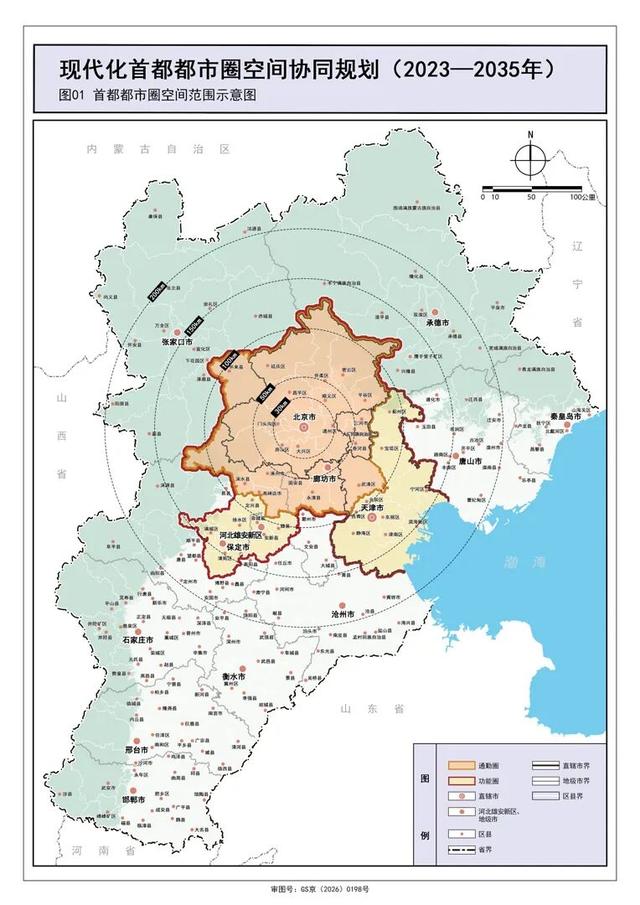
燕山脚下、渤海之滨、太行之畔,以首都为核心的都市圈蓝图绘就,扬帆起航。1月22日,《现代化首 都都市圈空间协同规划(2023—2035年)》正式获批。这是全国首个由党中央、国务院批复的都市圈规 划,也是时隔五年获党中央、国务院批复的又一部首都规划。 站在京津冀协同发展的新起点上,三地闻令而动,将紧紧围绕首都功能优化提升和服务保障,坚定不移 推动高质量发展,坚持一张蓝图绘到底,努力将首都都市圈建设成为以首都为核心的世界一流都市圈、 先行示范中国式现代化的首善之区,奋力谱写京津冀推进中国式现代化的新篇章。 明确定位 三地共编一本规划 党的十八大以来,在以习近平同志为核心的党中央集中统一领导下,各方凝心聚力、通力合作,京津冀 协同发展取得显著成效,以首都为核心的世界级城市群主干构架基本形成,首都规划体系"四梁八柱"建 立完善。 面向"中国式现代化建设的先行区、示范区"的时代使命和"建设一个什么样的首都,怎样建设首都"的时 代课题,《现代化首都都市圈空间协同规划(2023—2035年)》应运而生,由北京市、天津市、河北省 联合编制。 何为首都都市圈?《规划》科学划定约4.2万平方公里的规划实体范围,提出构建"一核两翼 ...
冬季鼻塞总不好?别把鼻窦炎当感冒!
Bei Jing Qing Nian Bao· 2026-02-03 06:52
冬季呼吸道疾病高发,大家对鼻塞症状更是司空见惯。很多人被反复鼻塞困扰、乱服感冒药,症状不见 好反而延误了鼻窦炎的治疗。鼻窦炎不及时治疗,可能发展为慢性鼻窦炎、中耳炎,甚至引发颅内感 染,但早识别、早干预,通过规范治疗和居家护理,绝大多数都能痊愈。 感冒引起的鼻塞和鼻窦炎如何区分?北京大学人民医院耳鼻咽喉头颈外科主任医师王旻提醒:这两种病 症状很像,但病理和治疗方案完全不同,5分钟教你精准识别。 冬季感冒 更易引发鼻窦炎 冬季气温低、空气干,鼻腔黏膜抵抗力下降,病毒容易入侵引发感冒。加之感冒后鼻腔黏膜充血水肿, 堵塞鼻窦和鼻腔的通道,鼻窦里的分泌物排不出去,细菌滋生就会发炎。此外,冬季雾霾、粉尘多,持 续刺激鼻腔和鼻窦黏膜,加重炎症,形成"越堵越感染"的循环。 普通感冒和鼻窦炎的核心区别在"病变部位"和"病程":感冒是鼻腔黏膜急性病毒感染,鼻窦炎是鼻腔周 围骨性空腔(鼻窦)的炎症,常由感冒没控制好发展而来。7天是关键分水岭,记住两个判断点: 持续超7天 鼻塞、流涕等症状超过7天没好转,甚至加重,大概率是鼻窦炎。 好转后又加重 感冒3至5天症状缓解,6至7天突然变重,比如鼻塞加剧、鼻涕从清涕变成黄绿色脓涕、 开始 ...
一家丹麦航运公司称将暂时接管长和巴拿马港口运营权,外交部:坚决维护中方企业的正当合法权益
Bei Jing Qing Nian Bao· 2026-02-03 02:00
编辑 | 杨家瑞 北京青年报2026-02-02 15:37:11 2月2日,外交部发言人林剑主持例行记者会。 有记者提问,据报道,一家丹麦航运公司表示将暂时接管长和巴拿马港口运营权。此前巴拿马最高法院 裁定巴拿马港口公司(长和子公司)的特许经营权违宪。中方对此有何评论? "我们此前已经就巴拿马有关港口的问题阐明了中方的立场,中方将坚决维护中方企业的正当合法权 益。"林剑回应。 文 | 北京青年报记者 董鑫 监制 | 王子轩 ...

明令禁止“大数据杀熟” 网络交易监管新规2月落地
Bei Jing Qing Nian Bao· 2026-02-02 22:46
Core Viewpoint - The new regulations introduced by the National Market Supervision Administration and the National Internet Information Office aim to create a fair, transparent, and trustworthy online trading ecosystem by addressing long-standing issues faced by both merchants and consumers, such as unfair pricing practices and unilateral changes to service agreements [2]. Group 1: Enhancing Platform Rule Transparency - The new regulations require platforms to prominently display rules on their homepage, ensuring easy access for consumers and merchants, and mandate a minimum notice period of seven days for rule changes, with 15 days for significant modifications [4]. - Platforms must publicly solicit feedback from users and merchants before modifying rules, ensuring that reasonable suggestions are considered and documented for at least three years [4]. - A mechanism for regular communication and consultation regarding significant rule changes will be established, promoting collaborative governance rather than unilateral decision-making [4]. Group 2: Addressing Unilateral Changes by Platforms - The regulations explicitly prohibit platforms from unilaterally modifying membership agreements to impose additional fees or reduce member benefits during the service period, addressing issues highlighted by cases like iQIYI's unilateral changes to its VIP service [6]. - Consumers must be clearly informed of any changes to membership rights before purchasing services, creating a legal framework that reinforces consumer protection [6]. Group 3: Prohibiting Price Discrimination - The regulations specifically ban "big data killing familiarity," which refers to the practice of charging different prices to consumers based on their purchasing history, thus safeguarding consumers' rights to fair transactions [7]. - Platforms are required to provide evidence of the legality and fairness of their pricing mechanisms when consumers raise concerns about discriminatory pricing practices [8]. Group 4: Curbing "Involution" Competition - The regulations address the issue of "involution" in the platform economy, where platforms engage in destructive price competition, by prohibiting forced participation in unnecessary services and ensuring fair competition practices [10]. - Clear guidelines are established to protect merchants' autonomy, including prohibitions against coercive pricing strategies and unreasonable fees [10]. Group 5: Clarifying Notification Obligations and Appeal Rights - The regulations introduce a system for executing platform rules that requires platforms to provide clear reasons and legal bases for any punitive actions taken against merchants or consumers [12]. - Platforms must establish accessible appeal channels and handle appeals in a timely and fair manner, moving away from opaque management practices [12].

孩子满嘴网络“烂梗”怎么破?
Bei Jing Qing Nian Bao· 2026-02-02 22:46
互联网快速发展,短视频、社交平台和弹幕文化已经深入儿童青少年的日常生活。随之而来的是,一些 家长发现孩子在家庭沟通中频繁使用网络"热梗""烂梗",甚至出现语言粗俗化、表达简单化等现象,引 发家长的担心。 从儿童精神医学角度看,儿童语言使用的变化本身并非疾病表现,但可能反映其社交需求、情绪调节方 式和媒介暴露特征。因此,家长的担忧不必扩大,但也不可忽视其背后潜在的心理与行为因素。 孩子间为何流行网络用语 模仿学习所致的自然发展现象 儿童语言的学习高度依赖模仿。网络语言因其高频、简短、情绪表达鲜 明等特点,极易被儿童捕捉和复述,特别是在语言表达尚不成熟的阶段。 同伴接纳需求 青春期同伴关系的重要性显著提升。网络流行语常具有"圈内标签"功能,有助于孩子在 同伴中获得归属感与群体认同。对部分孩子而言,"不会讲梗"反而意味着被归类为"老土""不合群"。 情绪表达效率不足 部分儿童缺乏足够的情绪词汇储备(如"焦虑""挫败""羞耻"等)。简化、夸张的网络 用语如"裂开""破防""无语""寄""包的""栓Q"等,可帮助他们快速表达情绪,但同时也降低了真实感受 的辨识能力。 作为心理防御机制的"幽默化" 临床中常见一些孩子在面 ...