Bei Jing Qing Nian Bao

Search documents
“总书记的亲切关怀是鼓励更是鞭策”
Bei Jing Qing Nian Bao· 2026-02-11 18:13
Group 1 - The visit of General Secretary Xi Jinping to the "Wulao·Xinjie" elderly service street highlights the government's focus on improving the living conditions and welfare of new employment groups and the elderly [1][2] - Delivery workers expressed their satisfaction with the enhanced social security policies, including a 50% subsidy for social insurance contributions from platforms like Meituan [2] - The establishment of facilities such as the "Father's Canteen" and "Rider's Apartments" demonstrates the government's commitment to providing support and resources for new employment groups [2][3] Group 2 - Elderly residents at the Silver Age Elderly Apartment expressed their gratitude for the government's attention, with one resident recalling a personal interaction with the General Secretary that made them feel valued [3][4] - The director of the elderly apartment emphasized the importance of providing quality care and services for the elderly, reflecting a commitment to the principles of integrated medical and elderly care [4] - The focus on creating a supportive environment for the elderly aligns with the broader goal of ensuring that older individuals can live with dignity and comfort in their later years [4]
春节送温暖 京东为多位退休快递员颁发荣休证书
Bei Jing Qing Nian Bao· 2026-02-11 07:21
Core Viewpoint - The event marks the launch of JD's "Spring Warmth" care project for retired couriers, highlighting the company's commitment to supporting its workforce and recognizing their contributions [1] Group 1 - The "Spring Warmth" care project for new employment forms was initiated on February 10, 2026, in Beijing [1] - The ceremony included the presentation of retirement certificates to several retiring couriers, acknowledging their service [1] - The event was attended by multiple organizations, including the All-China Federation of Trade Unions and the China Express Association, indicating strong institutional support for the initiative [1]

“顺丰速孕”碰瓷“顺丰速运”?法院判了
Bei Jing Qing Nian Bao· 2026-02-08 16:38
Core Viewpoint - The Guangzhou Intellectual Property Court ruled in favor of SF Express, recognizing "SF Express" as a well-known trademark and determining that the "SF Pregnancy" car stickers sold by the defendant constituted trademark infringement due to their similarity and derogatory impact on the brand's reputation [1][5][7]. Group 1: Trademark Infringement Case - SF Express filed a lawsuit against the defendant, Shop Xiao Er, for trademark infringement after discovering the sale of "SF Pregnancy" car stickers that closely resembled its trademark [1][4]. - The defendant argued that "SF Pregnancy" was a humorous expression and that consumers purchased it for aesthetic reasons, not intending to infringe [4]. - The court found that the "SF Express" trademark had been recognized as a well-known trademark since 2010, meeting the legal criteria for such recognition [5]. Group 2: Court's Ruling and Implications - The court ruled that the "SF Pregnancy" stickers not only infringed on the trademark but also violated public morals by trivializing women's reproductive experiences and damaging the professional reputation of SF Express [7]. - The court ordered the defendant to compensate SF Express for economic losses and other expenses totaling 200,000 yuan, and to publish a statement in the media to mitigate the negative impact [7]. Group 3: Market Response and Cultural Context - Prior to the ruling, there were reports of multiple sellers on e-commerce platforms offering "SF Pregnancy" stickers, priced between 5 to 20 yuan, with some sellers claiming high sales volumes [8]. - Public sentiment reflected discomfort with the stickers, with some netizens supporting SF Express's legal action against the perceived vulgarity of the product [9]. - SF Express emphasized the promotion of positive cultural expressions and stated its commitment to protecting its brand against unauthorized sales of related materials [11].



数字温情护航就医路
Bei Jing Qing Nian Bao· 2026-02-07 16:35
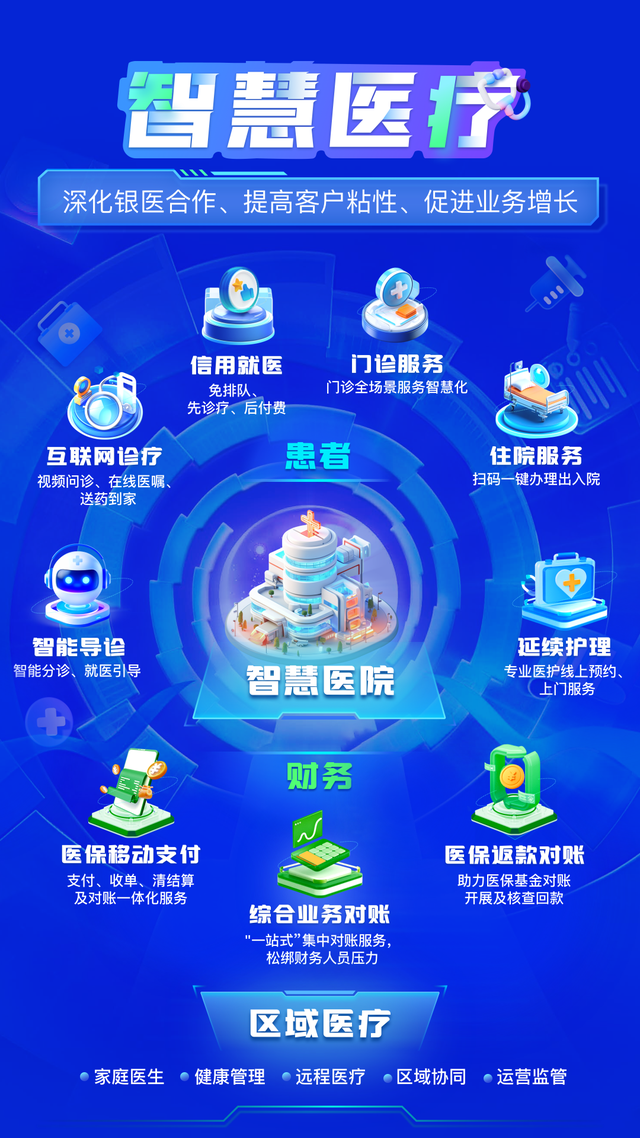
Core Insights - The article highlights the transformation of patient healthcare experiences through digital solutions, particularly at Beijing Sixth Hospital, which has implemented a comprehensive smart medical system to streamline processes and enhance efficiency [1][2]. Patient Experience Upgrade - The introduction of a smart medical system allows patients to complete various tasks such as appointment scheduling, payment, and medical record inquiries through a mobile app, significantly reducing wait times and improving convenience [1]. - The system also facilitates remote consultations and medication delivery for patients in distant areas, thereby extending quality healthcare services to underserved regions [1]. Hospital Management Efficiency - The smart medical system has improved hospital operations by automating financial reconciliation processes, which were previously labor-intensive and prone to errors [3]. - The implementation of a comprehensive reconciliation platform at Beijing Tiantan Hospital has enabled automated data matching from multiple payment channels, enhancing financial reporting and real-time anomaly detection [3]. Financial Technology Role - Beijing Bank and its subsidiary, Beiyin Fintech, have developed a tailored smart medical solution for Beijing Sixth Hospital, which includes a credit system allowing patients to access medical services without upfront payments [2][5]. - The credit system offers patients a credit limit ranging from 2,000 to 20,000 yuan, with a maximum interest-free period of 45 days, alleviating financial pressure during medical emergencies [2]. Standardization and Expansion - The successful practices from Beijing Tiantan Hospital have been standardized and are being promoted to other medical institutions in Beijing, aiming for a broader digital transformation in healthcare [4]. - The collaboration between Beijing Bank and Beiyin Fintech focuses on creating a seamless integration of financial services with hospital operations, enhancing both patient care and hospital management [6]. Future Developments - Beijing Bank plans to continue exploring integrated payment solutions and smart guidance systems in healthcare, aiming to create a collaborative ecosystem involving government, hospitals, and individuals [6].

《小城大事》,真实,也不够真实
Bei Jing Qing Nian Bao· 2026-02-07 15:53
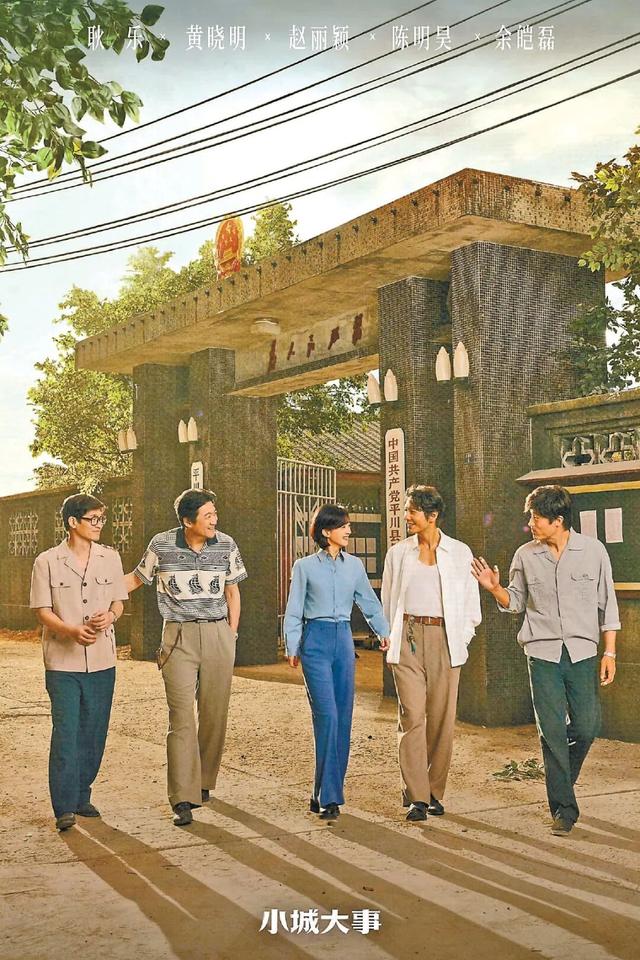
Core Viewpoint - "Small Town Big Affairs" presents an inspiring narrative of collective effort and determination during the early reform era in China, showcasing the spirit of the "Chinese miracle" and the importance of perseverance and innovation in overcoming challenges [1][4]. Group 1: Historical Context and Themes - The story is set in Longgang City, known as "China's first farmers' city," highlighting its transformation from fishing villages to a thriving urban area starting in 1982 [4]. - The series captures the essence of the reform and opening-up period, emphasizing the courage to explore uncharted territories and the importance of grassroots leadership in driving change [4][5]. - The narrative reflects the optimism and ambition of the era, resonating with older audiences who experienced the transformative changes firsthand [5]. Group 2: Character Development and Realism - The main characters, Secretary Zheng Decheng and Mayor Li Qiuping, are portrayed with a mix of strengths and flaws, reflecting the complexities of leadership during a transformative period [6][7]. - Zheng Decheng's character embodies the spirit of innovation and risk-taking, yet he also faces challenges due to his reliance on personal experience and a lack of transparency with superiors [7]. - The supporting characters, such as Lin Dongfu and Jie Chunlai, represent various societal responses to the rapid changes, adding depth to the portrayal of the era [10][11]. Group 3: Narrative Structure and Critique - The series initially presents multiple storylines but gradually narrows focus to the main characters, which may undermine the collective contributions of the community [12]. - The inclusion of romantic subplots is critiqued for detracting from the central themes of realism and historical significance, suggesting a misalignment with the narrative's intended focus [12][13]. - The series is noted for its attention to period details, yet some elements are criticized for lacking authenticity, indicating a need for deeper engagement with the historical context [13].
原来陈小春的真名叫陈泰铨
Bei Jing Qing Nian Bao· 2026-02-06 13:39
Core Viewpoint - The article highlights the participation of Hong Kong artist Chen Xiaochun, whose real name is Chen Taiquan, in the Huizhou Political Consultative Conference, where he proposed integrating music festivals and concerts with cultural tourism to attract younger visitors to Huizhou [1] Group 1 - Chen Xiaochun, also known as Chen Taiquan, is a member of the Huizhou Political Consultative Conference [1] - He suggested that Huizhou should combine music festivals and concerts with cultural tourism to promote the city [1] - The proposed "performing arts + cultural tourism" integration aims to make Huizhou more appealing to younger demographics [1]
快手致歉:诚恳接受处罚,坚决整改,此次事件教训极其惨痛
Bei Jing Qing Nian Bao· 2026-02-06 10:57
Core Viewpoint - Kuaishou has issued an apology following a penalty imposed by the internet regulatory authority due to the presence of inappropriate content on its platform, acknowledging the need for immediate corrective actions and improvements in management practices [4]. Group 1: Company Response - The company sincerely accepts the punishment and is committed to rectifying the issues identified by the regulatory body [4]. - Kuaishou expressed deep regret and responsibility for the incident, which was attributed to technical management failures and inadequate emergency response [4]. - The company has initiated a comprehensive review of its risk awareness, safety infrastructure, emergency response, and internal management to address the shortcomings [4]. Group 2: Future Commitments - Kuaishou emphasizes the importance of balancing safety and development, pledging to strengthen its compliance with laws and regulations [4]. - The company aims to establish a long-term governance mechanism to fulfill its responsibilities to society and users [4]. - Kuaishou intends to improve its ecosystem and service quality in response to public expectations and criticism [4].


如何让“露营经济”更好承载起“诗和远方”的美好?
Bei Jing Qing Nian Bao· 2026-02-06 10:13
Core Viewpoint - The recent draft of the "Beijing Tent Camping Site Management Measures" aims to enhance the regulation and safety of camping sites in Beijing, promoting the healthy development of the camping economy while ensuring safety and environmental protection [1][3][4]. Group 1: Regulatory Framework - The new regulations will scientifically determine the maximum capacity of camping sites based on spatial and environmental factors, requiring 24-hour supervision for sites offering overnight accommodations [1][3]. - The draft addresses issues such as unclear management boundaries and emphasizes safety management as a core task, establishing a comprehensive safety management system [3][4]. Group 2: Economic Impact - The camping economy is projected to reach a core market size of 248.32 billion yuan by 2025, with the overall market, including transportation, dining, and equipment, expected to reach 14.4 trillion yuan [2]. - The development of nearly 200 camping sites in Beijing has created a diverse and specialized industry landscape, contributing significantly to urban economic growth [2]. Group 3: Industry Challenges - Current challenges in the camping industry include non-standard site selection, inadequate safety management, insufficient ecological protection measures, and varying service quality, which hinder healthy and orderly development [3]. - The management measures aim to transition the industry from a short-term "internet celebrity" model to a sustainable "long-term" model based on reputation and repeat business [3]. Group 4: Previous Initiatives - Beijing has been proactive in promoting healthy camping tourism, having previously issued guidelines in 2023 to establish ecological priorities and promote environmentally friendly practices [4]. - The implementation of local standards for camping site facilities and services in 2025 will further enhance safety measures across the industry [4]. Group 5: Community Engagement - The draft includes a "Beijing Camping Civilization Convention" to encourage responsible camping practices among young people, emphasizing the importance of legal compliance and safety [5]. - The maturation of the camping economy requires collaborative efforts from all stakeholders to create a healthy and orderly camping tourism ecosystem [5].
高水平开放平台助全球好物汇聚
Bei Jing Qing Nian Bao· 2026-02-04 19:01
Core Insights - The "Shared Big Market · Export to China" event and the Beijing International Boutique Fair have been launched, marking Beijing's commitment to building a new development pattern and providing a platform for global quality goods to enter the Chinese market [1] Group 1: Event Overview - The event is co-hosted by the Ministry of Commerce and the Beijing Municipal Government, aimed at facilitating the entry of foreign products and services into China [1] - The initiative is designed to create a national-level promotion platform and integrate support systems to connect overseas brands with China's vast market [1] Group 2: Consumer Engagement - The event coincides with the upcoming Spring Festival, which has increased consumer willingness to spend, showcasing products from countries like Thailand, Mexico, Brazil, Mali, Georgia, Iran, and Malaysia [1] - The exhibition features a variety of products, including authentic Thai food, South American specialties, and handmade goods from various countries, alongside selections from Chinese companies [1] Group 3: Immersive Experience - The open exhibition area is described as a "Global Taste Journey," offering a wide range of products including Mediterranean ham, rich cheeses, tropical coffees, and beauty products, with tasting opportunities for consumers [2] - Additional offerings include imported baby formula, handmade carpets, jewelry, and trending digital products, catering to diverse consumer needs and preferences [2] Group 4: Citywide Activities - Following the launch of the Beijing International Boutique Fair, various citywide activities will take place, creating a vibrant consumption landscape for the Spring Festival [2] - Specific events include an "Imported Quality Experience Week" in Shunyi District and an "Eurasian Boutique Promotion Week" in Chaoyang District, aimed at enhancing the festive shopping experience [2]
巴拿马裁定香港长和集团持有巴拿马运河两端港口运营权违宪,美国务卿鲁比奥称“感到振奋”,中方回应
Bei Jing Qing Nian Bao· 2026-02-04 18:08
Core Viewpoint - The Chinese government firmly defends the rights of its enterprises following the ruling by the Panama Supreme Court regarding the operational rights of Hong Kong's CK Hutchison Holdings at both ends of the Panama Canal, which has drawn attention from U.S. officials [2][2]. Group 1: Government Response - The Chinese government has responded to the Panama Supreme Court's ruling, emphasizing the protection of legitimate rights and interests of Chinese enterprises [2][2]. - The Hong Kong Special Administrative Region government has also issued a statement regarding the court's decision [2][2]. Group 2: U.S. Reaction - U.S. Secretary of State Marco Rubio expressed satisfaction with the Panama Supreme Court's ruling, indicating a broader concern regarding Chinese influence in the Western Hemisphere [2][2]. - The Chairman of the U.S. House China Committee, Mike McCaul, stated that the Western Hemisphere does not welcome what he termed as "malicious influence" from China [2][2]. Group 3: Ideological Conflict - The Chinese spokesperson criticized the U.S. for exhibiting Cold War mentality and ideological bias, questioning who is truly seeking to dominate the canal [2][2]. - The spokesperson highlighted the contradiction of the U.S. claiming to uphold the rule of law while allegedly undermining international law [2][2].