
IPO早知道

Search documents
它石智航展示全球首个实现自主刺绣的机器人,破局工业自动化界哥德巴赫猜想
IPO早知道· 2025-12-20 03:33
据 IPO早知道消息,在 它石智航 日前 举办的 "TA来了,针功夫"技术首秀直播 中, 全球首个实现 自主刺绣的机器人正式亮相 ,以亚毫米级精细化操作能力让科技与创新完成耦合。 全球首个在机器人领域突破线束制造难题的企业。 本文为IPO早知道原创 作者| Stone Jin 微信公众号|ipozaozhidao 当指尖刺绣的 "针功夫",拥有了迁移至工业场景的"真实力",它石通过破局柔性精细制造,攻克了 线束这一工业自动化界的 "哥德巴赫猜想" 。这不只是单一场景的成功,更为具身智能 Scaling Law 的产业化落地,提供了可验证、可复制的工业级实践样本。 跨场景技术跃迁的背后,是它石对技术价值的核心坚守:致力于打造可信赖的 AI机器人解决方案 (Build Trusted AI Robotics Solution), 正如创始人兼 CEO陈亦伦博士在直播中分享的:"一 切技术的终极检验标准是:能否打造真正可靠、高效、可大规模部署的「有用」机器人。" 直播现场,它石展示了全球首个完成手工刺绣的机器人,复杂、精密的刺绣流程通过对针的精细控 制,完成了流畅的拉线、下针、穿刺动作,最终绣出的 "它石智航"Lo ...


红杉中国成为Golden Goose控股股东,带领意大利时尚品牌加速全球布局
IPO早知道· 2025-12-20 01:44
据 IPO 早知道消息,红杉中国于 12 月 19 日宣布将收购全球新锐时尚领导品牌 Golden Goose 集团( Golden Goose Group S.p.A. )的控股股权,淡马锡及其全资持有的资产管理公司淡明资 本旗下基金将作为少数股东共同参投。 原股东 Permira 仍将保留少数股权,继续支持集团未来发 展。此轮投资后,红杉中国将帮助 Golden Goose 继续传承意大利匠心品牌基因,并且进一步加速 其全球扩张。 Golden Goose 是一家融合奢华格调、生活美学与运动风格的全球新锐时尚品牌。自 2020 年以 来,集团营收从 2.66 亿欧元增长至 2024 财年的 6.55 亿欧元,业绩持续盈利,且维持稳健、强 劲的增长势头。近年来, Golden Goose 大力推进直营零售( DTC )渠道布局,推出 Forward Store 概念店,丰富产品矩阵,并在共创( Co-Creation )体验项目上持续投入,与全球消费者建 立更深的情感联结。 2019 年以来, Golden Goose 全球直营门店数量从 97 家增长至 227 家, 且 2025 年的前 9 个月,得益于 ...

德勤:港交所2025全年维持全球新股融资榜首,2026新股融资额有望再突破历史高位
IPO早知道· 2025-12-19 14:09
2024、2025年全球前十大新股融资规模 中国"十五五"规划提及的重点发展行业将更有利于A股上市。 本文为IPO早知道原创 作者| 罗宾 微信公众号|ipozaozhidao 据IPO早知道消息,12月18日,德勤中国资本市场服务部发布了《中国内地及香港IPO市场2025年 回顾与2026年前景展望》。 报告显示,受惠于8只超大型新股上市,且其中4只项目位列2025年全球十大新股之列,香港交易所 将以2025年新股融资总额位居榜首,纳斯达克位列第二,印度国家证券交易所超越纽交所跻身三 甲,上交所和深交所则排名第五和第八。预计2025年全球十大新股融资总额将较2024年增长 12%。 2025年 IPO融资额 前五大交易所(来源:德勤) | | | 2025年 | | | | 2024年 | | | --- | --- | --- | --- | --- | --- | --- | --- | | 排名 | 公司 | 证券交易所 | 融资额 ( 亿港元) | 排名 | 公司 | 证券交易所 | 融资额 ( 亿港元 | | 1 | Medline Inc. | 纳斯达克 | 488 | 1 | Lineage ...

智谱通过港交所聆讯:中国OpenAI将成「全球大模型第一股」,收入连续三年翻倍
IPO早知道· 2025-12-19 14:09
Core Viewpoint - Beijing Zhiyu Huazhang Technology Co., Ltd. (referred to as "Zhiyu") is poised to become the "global first stock of large models" after passing the Hong Kong Stock Exchange hearing, positioning itself as a significant competitor to OpenAI in the AGI space [2][4]. Group 1: Company Overview - Zhiyu, established in 2019, is recognized as China's largest independent large model vendor, achieving revenue growth from 0.57 million yuan in 2022 to 3.12 million yuan in 2024, with a compound annual growth rate (CAGR) of 130% [4]. - The company has completed eight rounds of financing, raising over 8.3 billion yuan from various investors, including major tech firms and venture capital [4][10]. - Zhiyu's models are utilized by nine out of the top ten internet companies in China, indicating strong market penetration [11]. Group 2: Product Development and Innovation - Zhiyu has pioneered several significant advancements in large model technology, including the first hundred billion model and the first open-source thousand billion model, establishing a comprehensive model portfolio [6][8]. - The flagship model GLM-4.5 was released in July 2025, achieving top rankings in various industry benchmarks, including being the third globally and first in China [6][7]. - The upgraded model GLM-4.6 was released in September 2025, achieving a historic milestone by ranking first in global coding competitions alongside models from OpenAI and Anthropic [7]. Group 3: Business Model and Revenue Growth - Zhiyu has established a robust business model with a focus on Model as a Service (MaaS), which has led to a doubling of revenue for three consecutive years while maintaining a gross margin above 50% [9][10]. - The MaaS platform has over 2.7 million enterprise and application developers, making it one of the most active large model API platforms in China [10][11]. - The company has seen significant adoption of its models in international markets, with notable clients in North America and Europe, further enhancing its revenue streams [11]. Group 4: Market Potential and Future Outlook - The Chinese large language model market is projected to grow from 5.3 billion yuan in 2024 to 101.1 billion yuan by 2030, with institutional clients being the primary growth driver [14]. - Following its anticipated IPO, Zhiyu is expected to leverage its leading position in revenue and paid traffic to further expand its influence in the global AGI industry [14].

天数智芯通过港交所聆讯:出货量持续翻倍增长,客户数三年增长近8倍
IPO早知道· 2025-12-19 07:31
Core Viewpoint - Shanghai TianShu ZhiXin Semiconductor Co., Ltd. is the first domestic company to achieve mass production of general-purpose GPU chips, focusing on continuous R&D investment and technological breakthroughs to establish core competitive barriers [1][2]. Product Development - TianShu ZhiXin has launched two major product series, "TianGai" and "ZhiKai," creating a complete general-purpose computing power system that meets diverse computing needs from AI model training to cloud and edge inference [2]. - The "TianGai Gen1," released in 2021, is China's first mass-produced general-purpose GPU, utilizing a 7nm advanced process, breaking the long-standing foreign monopoly and achieving mass production and commercialization in September 2021 [2]. - The "TianGai Gen2" is set for mass production in Q4 2023, with "TianGai Gen3" expected to be officially released in Q3 2024 and mass-produced by Q1 2026 [2]. - The "ZhiKai" series, optimized for AI inference, includes "ZhiKai Gen1" and "ZhiKai Gen1X," which were released in December 2022 and achieved mass production by February 2023 [2]. Market Performance - From 2022 to 2024, the number of customers for TianShu ZhiXin increased from 22 to 181, with over 290 clients served by June 30, 2025, across various sectors including cloud computing, AI model development, and healthcare [3]. - The shipment volume of general-purpose GPU products rose from 0.78 million units in 2022 to 1.68 million units in 2024, with 1.57 million units shipped in the first half of this year, indicating strong market recognition [3]. Financial Data - TianShu ZhiXin's revenue from 2022 to 2024 was 189 million yuan, 289 million yuan, and 540 million yuan, respectively, reflecting a compound annual growth rate of 68.8%. The revenue for the first half of this year was 324 million yuan, a year-on-year increase of 64.2% [4]. - The company has received support from various well-known institutions and local state-owned assets, indicating strong backing for its growth [4]. - The net proceeds from the IPO will primarily be used for R&D, sales and marketing, and general corporate purposes [4].
希迪智驾天使投资方联想之星:在自动驾驶领域迎收获期,拥抱科技黄金时代
IPO早知道· 2025-12-19 03:08
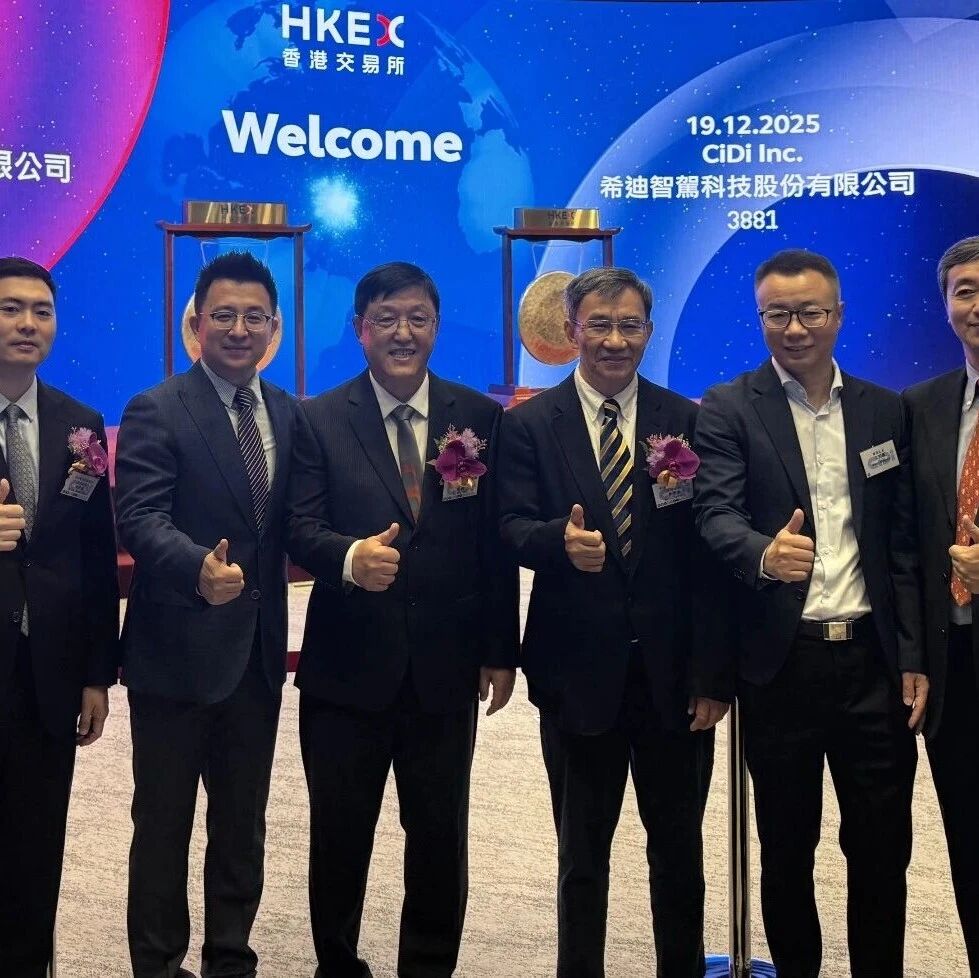
Core Viewpoint - The successful IPO of Xidi Zhijia marks a significant milestone for Lenovo Star, which has now achieved a total of 10 IPOs, showcasing the gradual realization of early-stage technology investments [2][6]. Group 1: Company Overview - Xidi Zhijia officially listed on the Hong Kong Stock Exchange on December 19, 2025, under the stock code "3881," becoming the first publicly traded company in Hong Kong focused on intelligent driving for commercial vehicles [2]. - As of the report, Xidi Zhijia's market capitalization exceeds 10 billion HKD [3]. Group 2: Investment History - Lenovo Star was an early investor in Xidi Zhijia, investing 4 million USD in February 2018 during the angel round, followed by an additional investment of 30 million RMB in August 2021, recognizing the company's growth potential [4]. - Over the past eight years, Xidi Zhijia has evolved into the "first stock of intelligent driving for commercial vehicles" in Hong Kong, following a successful investment strategy by Lenovo Star [5]. Group 3: Investment Strategy and Focus - Lenovo Star has focused on artificial intelligence since 2010, expanding its investments across various sectors, including autonomous driving, with nearly 20 companies in related fields and an overall investment scale reaching several hundred million RMB [5]. - The firm has identified autonomous driving as a key investment area since 2014, leading to significant returns from its investments in advanced driving assistance systems and related technologies [5]. Group 4: Future Outlook - Lenovo Star plans to continue supporting high-quality entrepreneurs and projects in cutting-edge fields, including embodied intelligence and AI in healthcare, as it enters a new phase of investment returns [6][7].
希迪智驾正式登陆港交所:市值超100亿港元,港股迎「商用车智驾第一股」
IPO早知道· 2025-12-19 03:08
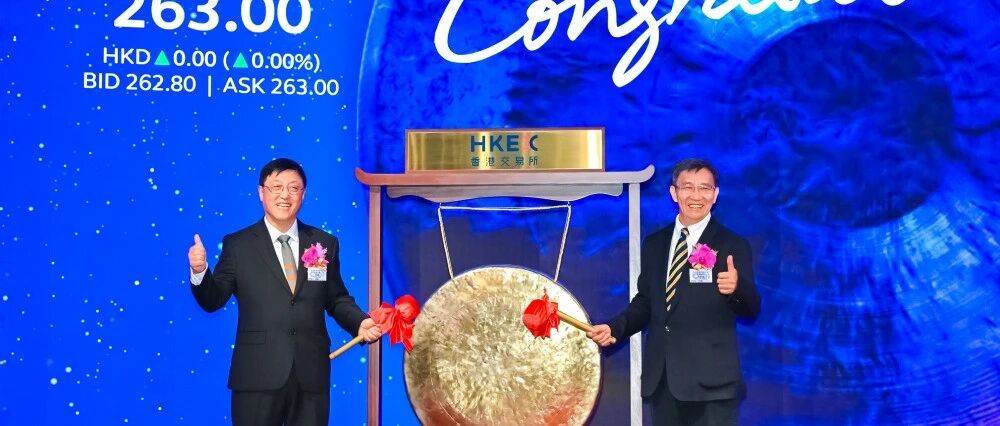
Core Viewpoint - The article highlights the successful IPO of Xidi Zhijia Technology Co., Ltd., marking it as the first Hong Kong-listed company focused on intelligent driving for commercial vehicles, with a strong emphasis on technological innovation and market expansion in the smart transportation sector [2][5]. Company Overview - Founded in 2017, Xidi Zhijia specializes in autonomous driving technology for commercial vehicles, particularly in closed environments like mines and logistics parks, and offers V2X (Vehicle-to-Everything) technology and intelligent perception solutions [8]. - The company has developed a product matrix centered around autonomous driving systems, including unmanned mining trucks, autonomous logistics vehicles, V2X smart terminals, and safety management solutions for commercial vehicles [8][9]. Market Position and Financial Performance - As of 2024, Xidi Zhijia ranks third in the autonomous mining truck solutions market in China, with a market share of approximately 5.2% [10]. - The company's revenue has shown significant growth, with figures of 0.31 billion, 1.33 billion, and 4.10 billion from 2022 to 2024, reflecting a compound annual growth rate of 263.1% [10]. - The gross margin has improved from -19.3% in 2022 to 24.7% in 2024, indicating a positive trend in profitability [10]. Strategic Goals and Future Outlook - The company aims to leverage its technological capabilities to reshape transportation experiences and enhance logistics efficiency while reducing operational costs [5][11]. - With a projected global market size for commercial vehicle intelligent driving expected to reach 16,144 billion by 2030, Xidi Zhijia is well-positioned for growth, particularly in high-growth segments [10][11]. Investment and Support - Xidi Zhijia has attracted significant investment from notable firms such as Sequoia China and Lenovo Star, which have supported the company since its early stages [12][14]. - The successful IPO is seen as a milestone that will enhance the company's brand image and governance, while also providing opportunities for further resource integration and market expansion [7][16].
AI算力赛道迎「上市潮」,联想创投是唯一一家同时投中四家的投资机构
IPO早知道· 2025-12-19 01:28
Core Insights - The article discusses the recent IPOs of domestic GPU companies, Moer Thread and Muxi, highlighting the investment strategy of Lenovo Capital in the AI computing sector [2][3]. Group 1: Investment Strategy - Lenovo Capital has strategically invested in four key AI computing companies: Cambricon, Haiguang, Moer Thread, and Muxi, becoming the only investment institution to hold stakes in all four [3]. - The firm began its investment in the AI computing space around 2016, well before it became a hot topic, by backing Cambricon in its Series A round and continuing to invest through its IPO [2][4]. Group 2: Technology and Market Trends - The four companies complement each other in terms of technology paths and product positioning, aligning with the diversified demand for AI computing [5]. - Lenovo Capital's approach reflects a systematic coverage of the AI computing landscape, moving from centralized and generalized computing to diversified, specialized, and ubiquitous computing [5]. Group 3: Ecosystem Development - The role of capital in China's semiconductor industry is evolving from merely providing financial support to becoming a co-builder of ecosystems, as exemplified by Lenovo Capital [6]. - Lenovo Capital is also investing in next-generation computing paradigms, including integrated storage and computing, quantum computing, RISC-V, and brain-like computing technologies [6].

岸迈生物IPO进程提速:中国TCE先驱企业,BD实力打开成长天花板
IPO早知道· 2025-12-19 01:28
Core Viewpoint - The TCE bispecific antibody sector is entering a "golden era" with significant growth potential and innovation opportunities in cancer and autoimmune disease treatments [2][9]. Company Overview - A new generation of bispecific antibody pioneer, "Anmai Biotech," is advancing its listing process on the Hong Kong Stock Exchange, with a focus on T cell engagers (TCE) to address unmet medical needs in cancer and autoimmune diseases [3][4]. - Anmai Biotech has developed a robust pipeline of products, including three clinical-stage candidates: core product EMB-01, key product EMB-06, and EMB-07, along with four preclinical TCE candidates [4]. Commercialization Strategy - Anmai Biotech demonstrates industry-leading commercialization capabilities and is a model for domestic innovative drug companies expanding internationally through the NewCo model, having secured over $2.1 billion in global licensing deals, ranking second in the TCE field [6][8]. - The NewCo model allows for higher upfront payments and better resource integration, enabling partnerships with top global players to maximize the value of innovative assets [6]. Key Collaborations - A notable collaboration involves EMB-06, with a potential total transaction value of $635 million, showcasing the company's strategic partnerships and rapid clinical development efforts [7]. - Anmai Biotech has also engaged in multiple high-value business development transactions, including a global licensing agreement with Juri Biosciences worth up to $210 million [8]. Market Outlook - The global TCE market is projected to grow from $400 million in 2020 to $3 billion in 2024, with an expected CAGR of 43.4% from 2024 to 2034, indicating a significant market opportunity for Anmai Biotech [9].

51WORLD今起招股:将成「Physical AI第一股」,亦为今年港股18C收官之作
IPO早知道· 2025-12-18 05:25
Core Viewpoint - 51WORLD is set to become the first "Physical AI" stock listed on the Hong Kong Stock Exchange, with an IPO planned to raise up to HKD 841 million, highlighting its unique position in the market as a comprehensive Physical AI company [1][5]. Group 1: Company Overview - Founded in 2015, 51WORLD has developed a complete technological capability in the three key components of Physical AI: data fuel, spatial models, and training platforms, creating a closed-loop ecosystem that is difficult to replicate [2]. - The company has built a high-fidelity digital twin environment and a reinforcement learning environment that allows agents to understand, plan, and predict the physical world [3]. Group 2: Technology and Innovation - 51WORLD has accumulated a vast library of high-quality 3D assets and possesses comprehensive synthetic data technology paths, achieving a synthetic data authenticity rate of 90% and scene controllability of 100% [3]. - The company has launched two new AI platforms, Clonova and Aperdata, to bridge the digital and physical worlds, enhancing its technological offerings [3]. Group 3: Financial Performance - 51WORLD's revenue has shown significant growth, with figures of CNY 170 million, CNY 256 million, and CNY 287 million projected for 2022, 2023, and 2024 respectively, and a 63.6% increase in revenue from CNY 33 million to CNY 54 million in the first half of 2024 [4]. Group 4: Market Position and Investment - The company has completed multiple rounds of financing, attracting investments from notable firms and individuals, positioning itself as a rare Physical AI enterprise with a proven commercial application in various sectors [5].
