思宇MedTech

Search documents
观众报名!就在明天!2025第三届中国整形外科创新转化大赛中部赛区
思宇MedTech· 2025-10-11 02:39
Core Viewpoint - The 2025 Third China Plastic Surgery Innovation and Transformation Competition has concluded its preliminary evaluation in the Central Region, with 12 projects advancing to the finals, showcasing innovation and market potential in the medical aesthetics industry [1][3]. Summary by Sections Competition Overview - The preliminary evaluation involved renowned clinical and transformation experts assessing projects based on innovation, technical feasibility, market prospects, team capability, and transformation potential [1]. - The finals will take place on October 12, 2025, at the Beijing Daxing International Airport Economic Zone International Conference Center [3]. Finalist Projects - A total of 12 projects have successfully advanced to the finals, including: 1. New generation micro-crosslinked hyaluronic acid technology for anti-aging applications [3]. 2. Silk protein medical material development and industrialization [3]. 3. A photothermal responsive Janus-guided bone regeneration membrane [3]. 4. Recombinant human collagen and functional peptides [3]. 5. 3D appearance body - adenosine four-dimensional collaborative hair growth plan [3]. 6. Medical filling beauty microneedle patches [3]. 7. AI dual-core empowerment: construction of a medical aesthetics expert assistant and congenital defect MDT consultation system [3]. 8. Injectable vascular organoids for ischemic disease treatment [3]. 9. Augmented reality-based optical positioning technology for jawbone surgery navigation [3]. 10. Application transformation of artificially regenerated platelet exosomes in facial skin anti-aging [3]. 11. Skin aging organ-on-a-chip and youth drug testing platform [3]. 12. Development and clinical application of a micro-artery identification system for plastic surgery navigation [3]. Event Invitation - The competition invites investment institutions, media, medical industry professionals, industrial parks, and incubators to attend the finals and participate in the innovation event [4]. Event Agenda - The event will feature a series of speeches, project roadshows, and expert reports, with a detailed agenda provided for both morning and afternoon sessions on October 12, 2025 [13][14]. Awards and Recognition - Various awards will be presented, including: - First Prize: Honorary certificate and trophy, priority recommendation for collaboration with sponsors and investment institutions [16]. - Second Prize: Honorary certificate and trophy, recommendation for cooperation with relevant medical beauty institutions [16]. - Third Prize: Project guidance services to enhance project quality [16]. - Best Potential Award: Honorary certificate and priority exposure opportunities in other regions [16]. - Best New Award: Honorary certificate and exposure opportunities in other regions [16]. - Technology Innovation Awards: Honorary certificates and priority for the next competition [16]. Industry Support - The Ba Da Chu Plastic Surgery Medical Concept Verification Center serves as a one-stop service platform for the transformation of plastic surgery technology achievements, providing comprehensive lifecycle services from concept incubation to product launch [19].

最新!又8款医疗器械进入创新通道!
思宇MedTech· 2025-10-11 02:39
Core Insights - The article highlights the approval of eight innovative medical devices by NMPA, indicating a growing trend in the medical technology sector in China [1] Company Summaries - **瑞石心禾(河北)医疗科技有限公司**: Established in July 2022, this company focuses on high-end medical equipment and innovative nuclear drug development, aiming to assist in early diagnosis and precision treatment of major diseases like cancer and cardiovascular issues [2] - **飞光视觉科技(南京)有限公司**: Founded in 2022, this company specializes in femtosecond laser technology for ophthalmic surgeries and has a strong research foundation from Huazhong University of Science and Technology [3] - **南京广慈医疗科技有限公司**: Established in 2013, this company focuses on ultrasound therapy devices for non-invasive treatment of hypertension and metabolic syndrome, showcasing a successful integration of academia and industry [6] - **上海术济客医疗科技有限公司**: This company is dedicated to the intelligentization of minimally invasive surgeries for structural heart diseases, combining robotic technology with catheter-based procedures [7] - **健诺维(成都)生物科技有限公司**: Founded in May 2020, this company specializes in regenerative medicine for ophthalmology, with its core product being the first approved wet preserved amniotic membrane in China [9] - **北京谱德生物科技有限公司**: Established in May 2021, this company focuses on molecular diagnostics and genetic testing, holding multiple patents in related technologies [10] - **深圳市纬康医疗科技有限公司**: Founded in October 2023, this company specializes in vascular intervention consumables and has already received approvals for multiple medical devices [11] - **通桥医疗科技有限公司**: Established in February 2016, this company focuses on high-end neurovascular interventional medical devices and has a wide sales network covering over 3,000 hospitals in China [12]

借助资本重塑增长?美敦力与强生的案例分析
思宇MedTech· 2025-10-10 08:09
Core Viewpoint - The article discusses the shift in growth strategies among global medical technology giants from traditional R&D-driven growth to capital-driven growth, emphasizing the importance of "tuck-in M&A" and partnerships with private equity (PE) to enhance innovation and manage risks in a challenging economic environment [2][3][4]. Group 1: Shift from R&D to Capital-Driven Growth - Historically, innovation in the medical technology industry was synonymous with R&D, but this approach is becoming less effective as R&D costs rise and the returns on new product sales decline [3][4]. - Major companies like Medtronic and Johnson & Johnson are now focusing on capital-driven growth, where capital serves as a tool for innovation rather than just a result of it [3][4]. Group 2: Tuck-in M&A as a Growth Strategy - Tuck-in M&A has become a key growth tool for medical technology giants, allowing them to embed critical capabilities or high-growth technology modules into their existing structures without large-scale mergers [5][6]. - This strategy enables companies to enhance their innovation density and growth flexibility while maintaining stability [5][6]. Group 3: Johnson & Johnson's M&A Strategy - Johnson & Johnson emphasizes that M&A is a core part of their strategy, focusing on high-growth and high-innovation areas while divesting from low-growth segments [8][9]. - Recent acquisitions, such as Abiomed and Shockwave Medical, illustrate their approach to strategically shift their portfolio towards more lucrative markets [8][9]. Group 4: Medtronic's Strategic Adjustments - Medtronic adopts a "shrink to grow" strategy, concentrating resources on areas where they have competitive advantages while executing smaller acquisitions to enhance their capabilities [12][13]. - The company has made significant decisions, such as splitting off its diabetes unit to improve cash flow and focus on core business areas [16][28]. Group 5: Role of Private Equity in Innovation - Private equity has emerged as a crucial partner in the medical device industry, helping companies share innovation risks and optimize their structures [18][20]. - Medtronic's collaboration with Blackstone exemplifies how PE can support R&D projects by sharing financial risks while allowing companies to maintain operational control [19][23]. Group 6: Trends in Capital Operations - The trend of divestitures and restructuring among major medical device companies reflects a broader industry shift towards optimizing growth quality through capital management [27][28]. - Companies are increasingly focusing on strategic divestitures to concentrate resources on high-growth areas, leading to a more dynamic industry landscape [27][32]. Group 7: Future of Chinese Medical Device Companies - Chinese medical device companies are at a turning point, transitioning from financing-driven growth to capital-driven growth, learning from the strategies of global giants [34][35]. - The future growth of these companies will depend on their ability to effectively manage capital for structural optimization and risk transfer [35][36].



观众报名!2025第三届中国整形外科创新转化大赛中部赛区
思宇MedTech· 2025-10-10 08:09
Core Viewpoint - The 2025 Third China Plastic Surgery Innovation and Transformation Competition has concluded its preliminary evaluation in the Central Region, with 12 projects advancing to the finals, showcasing innovation and market potential in the medical aesthetics industry [1][3]. Summary by Sections Competition Overview - The preliminary evaluation involved renowned clinical and transformation experts assessing projects based on innovation, technical feasibility, market prospects, team capability, and transformation potential [1]. - The finals will take place on October 12, 2025, at the International Conference Center in Beijing Daxing International Airport Economic Zone [3]. Finalist Projects - A total of 12 projects have successfully advanced to the finals, including: 1. New generation micro-crosslinked hyaluronic acid technology for anti-aging applications [3]. 2. Silk protein medical material development and industrialization [3]. 3. A photothermal responsive Janus-guided bone regeneration membrane [3]. 4. Recombinant human collagen and functional peptides [3]. 5. 3D appearance body-adenosine four-dimensional collaborative hair growth plan [3]. 6. Medical filling beauty microneedle patches [3]. 7. AI-powered medical aesthetic expert assistant and congenital defect MDT consultation system [3]. 8. Injectable vascular organoids for ischemic disease treatment [3]. 9. Augmented reality-based optical positioning technology for jawbone surgery navigation [3]. 10. Application of artificially regenerated platelet exosomes in facial skin anti-aging [3]. 11. Skin aging organ-on-chip and youth drug testing platform [3]. 12. Development and clinical application of a micro-artery identification system for plastic surgery navigation [3]. Event Invitation - Investment institutions, media units, medical industry professionals, industrial parks, and incubators are invited to attend the finals, promoting collaboration and innovation in the industry [4]. Meeting Agenda - The event will feature a series of speeches, project roadshows, and expert reports, focusing on innovation and clinical applications in plastic surgery [13][14]. Awards and Recognition - Various awards will be presented, including: - First Prize: Honorary certificate and trophy, priority recommendation for collaboration with sponsors and investment institutions [16]. - Second Prize: Honorary certificate and trophy, recommendation for cooperation with relevant medical aesthetic institutions [16]. - Third Prize: Project guidance services to enhance project quality [16]. - Best Potential Award: Honorary certificate and priority exposure opportunities in other regions [16]. - Best Newcomer Award: Honorary certificate and exposure opportunities in other regions [16]. - Technology Innovation Awards: Honorary certificates and priority for the next competition [16]. Industry Support - The Ba Da Chu Plastic Surgery Medical Concept Verification Center serves as a one-stop service platform for the transformation of plastic surgery technology achievements, providing comprehensive support from concept incubation to product launch [19].
4.3亿出售!医械巨头的一场战略“瘦身”
思宇MedTech· 2025-10-09 08:09
Core Viewpoint - Enovis has completed the divestiture of its foot care brand Dr. Comfort, marking a strategic shift to focus on its core business segments of "Prevention & Recovery" and "Reconstructive" [2][4]. Transaction Structure and Use of Funds - The total transaction amount for Dr. Comfort is up to $60 million, including a $45 million upfront payment and up to $15 million in milestone payments based on future performance [3]. - Proceeds from the sale will be used to accelerate debt reduction, improve profit margins by divesting low-margin businesses, and reinvest in high-growth segments [3]. Strategic Focus - Enovis is transitioning from a diversified industrial and medical device company to a focused medical technology firm, emphasizing technology differentiation and product optimization [4]. - The divested Dr. Comfort business was part of the Prevention & Recovery segment but did not align with the current focus on orthopedic rehabilitation [5]. Characteristics of Dr. Comfort - Dr. Comfort specializes in foot care products for diabetic patients and those with foot diseases, offering therapeutic footwear and accessories [7]. - Despite its brand recognition, Dr. Comfort's growth potential and profit structure are limited, especially compared to Enovis's focus on innovative medical solutions [7]. Core Retention - Enovis retains its "Prevention & Recovery" segment, which aligns more closely with modern orthopedic and rehabilitation practices, focusing on preoperative prevention and postoperative recovery [8][11]. - This segment emphasizes collaboration with healthcare professionals and has a higher contribution to overall business synergy and profitability compared to Dr. Comfort [11]. Growth Engine - Enovis is accelerating its "Reconstructive" business, which includes a recent acquisition of LimaCorporate, enhancing its capabilities in custom implants and 3D-printed products [13]. - The revenue from the reconstructive segment has reached approximately $1 billion, positioning it as a strategic investment priority for the company [13]. Summary of Strategic Decisions - The divestiture of Dr. Comfort, despite a lower transaction value compared to its acquisition price, signals Enovis's commitment to building a synergistic network between its prevention and reconstruction business lines [14].


路演报名:医疗科技项目融资路演活动
思宇MedTech· 2025-10-09 08:09
Core Viewpoint - The article discusses an upcoming investment roadshow organized by the Zhongguancun Alliance for New Biomedical Industry and Siyu MedTech, focusing on connecting projects in the biomedical and medical device sectors with potential investors [2][5]. Group 1: Event Details - The roadshow will take place on October 30, 2025, at 14:00, both online via Tencent Meeting and in-person at Tsinghua Science Park [5]. - Projects eligible for participation range from angel to Series C funding stages, covering fields such as biomedicine, medical devices, and medical aesthetics [5][6]. - Participation is free for alliance members, but projects must undergo a review process to be accepted [7]. Group 2: Investor Participation - A list of vetted investment institutions will be provided to project teams after confirmation, ensuring that participating investors have relevant investment experience [4][8]. - Project teams are encouraged to leave their contact information during the presentation for investors to reach out directly, with additional support for connecting CEOs to investors [4]. Group 3: Previous Roadshows - The article references multiple previous roadshows, indicating a history of similar events aimed at fostering investment in the healthcare sector [10][11].

报名即将截止!2025第三届中国整形外科创新转化大赛中部赛区
思宇MedTech· 2025-10-09 08:09
Core Viewpoint - The 2025 Third China Plastic Surgery Innovation and Transformation Competition has concluded its preliminary evaluation in the Central Region, with 12 projects advancing to the finals, showcasing innovation and market potential in the medical aesthetics industry [1][3]. Summary by Sections Competition Overview - The preliminary evaluation involved renowned clinical and transformation experts assessing projects based on innovation, technical feasibility, market prospects, team capability, and transformation potential [1]. - The finals will take place on October 12, 2025, at the International Conference Center in Beijing Daxing International Airport Economic Zone [3]. Finalist Projects - A total of 12 projects have been selected for the finals, including: 1. New generation micro-crosslinked hyaluronic acid technology for anti-aging applications [3]. 2. Silk protein medical material development and industrialization [3]. 3. A photothermal responsive Janus-guided bone regeneration membrane [3]. 4. Recombinant human collagen and functional peptides [3]. 5. 3D appearance body - adenosine four-dimensional collaborative hair growth plan [3]. 6. Medical filling beauty microneedle patches [3]. 7. AI-powered medical aesthetic assistant and congenital defect MDT consultation system [3]. 8. Injectable vascular organoids for ischemic disease treatment [3]. 9. Augmented reality-based optical positioning technology for jawbone surgery navigation [3]. 10. Application of artificially regenerated platelet exosomes in facial skin anti-aging [3]. 11. Skin aging organ-on-chip and youth drug testing platform [3]. 12. Development and clinical application of a micro-artery identification system for plastic surgery navigation [3]. Event Invitation - The event invites investment institutions, media, medical industry professionals, and incubators to participate and witness the innovation in the industry [4]. Meeting Agenda - The agenda for the finals includes speeches from leaders, project roadshows, expert reports, and the announcement of awards [13][14]. - The event will feature various sessions, including project presentations and expert discussions on clinical and technological advancements in plastic surgery [14]. Awards and Recognition - Awards will be given in several categories, including Best Project, Second Prize, Third Prize, Best Potential Award, Best Newcomer Award, and Technology Innovation Award, with various benefits such as certificates, trophies, and project support [16].
给中秋加班的医械人
思宇MedTech· 2025-10-06 13:01
Core Viewpoint - The article highlights the dedication and hard work of medical device professionals during the Mid-Autumn Festival, emphasizing their crucial role in ensuring the functionality of medical equipment and supporting healthcare services during busy times [4][6][7]. Group 1: Medical Emergency Services - The Mid-Autumn Festival is one of the busiest times for emergency medical services, with incidents such as burns, fractures, allergies, traffic accidents, and sudden heart attacks occurring frequently [4]. - Behind emergency doctors, there are "invisible medical device personnel" including equipment engineers and maintenance staff who ensure that critical medical devices are operational and ready to respond at all times [4][5]. Group 2: Medical Device Development and Support - During holidays, medical device professionals often work through the night to meet project deadlines, testing algorithms, calibrating sensors, and preparing equipment for hospitals [5]. - These professionals, including R&D engineers and clinical support staff, play a vital role in maintaining the functionality of medical devices, ensuring that they are ready for use by frontline healthcare workers [5][6]. Group 3: Commitment to Healthcare - Some companies create duty rosters for their staff during holidays, ensuring that support teams are available to respond quickly to any issues that arise [6]. - The commitment of these professionals is often unrecognized, yet their efforts are essential for keeping hospitals operational and ensuring patient care during critical times [6][7]. Group 4: Professional Spirit in the Medical Device Industry - A sense of quiet professional pride exists within the medical device industry, where individuals find fulfillment in knowing that the machines they maintain have saved lives, even if they do not know the patients personally [7]. - The article pays tribute to the medical device personnel who work tirelessly to make family reunions possible during festive times, highlighting their significant yet often overlooked contributions to healthcare [7][8].

医疗器械创新的沟通壁垒:医生与工程师如何跨越“语言不通”?
思宇MedTech· 2025-10-06 13:01
Core Viewpoint - The article emphasizes the communication gap between doctors and engineers in the medical device innovation process, highlighting the need for a "translation mechanism" to convert clinical needs into quantifiable engineering requirements [1][22]. Group 1: Communication Challenges - Doctors express needs based on clinical issues and patient symptoms, which often lack the specific parameters engineers require for product development [3][5]. - The difference in cognitive paradigms between doctors and engineers leads to difficulties in communication, as engineers seek quantifiable inputs while doctors focus on clinical experiences and symptoms [7][8]. Group 2: Engineering Requirements - Engineers need to translate vague demands like "safety" or "efficiency" into measurable technical specifications, such as "maximum error margin" or "system response time" [9][10]. - The design control process in engineering requires clear documentation of design inputs and verification against those requirements to ensure compliance and quality [10][14]. Group 3: Case Studies and Examples - The concept of "clinician-innovator" highlights the importance of doctors learning engineering language to effectively communicate unmet needs [11]. - Cross-disciplinary collaboration, such as the Stanford Biodesign project, demonstrates the necessity for engineers to observe clinical procedures to identify pain points and translate them into design solutions [18][20]. Group 4: Establishing a Translation Mechanism - The proposed translation mechanism involves three stages: scenario-based understanding, parameterization of needs, and iterative feedback loops to refine product requirements [15][21]. - Successful examples from institutions like Stanford and Oxford show that structured communication and collaboration between clinicians and engineers can significantly enhance the efficiency of medical device development [25].

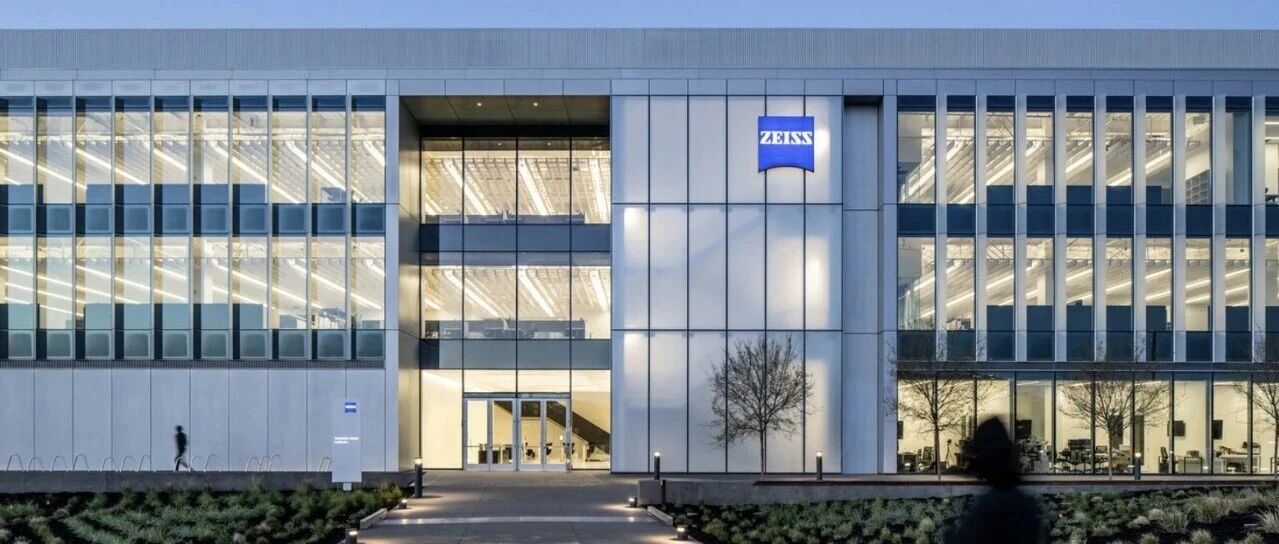
蔡司出手!8000多万投资数字眼科公司
思宇MedTech· 2025-10-05 16:01
Core Insights - The article discusses the strategic investment by Zeiss Vision Care in Ocumeda, a Swiss digital ophthalmology company, highlighting the growing importance of tele-ophthalmology in addressing the increasing demand for eye care services due to aging populations and rising eye diseases [3][5]. Group 1: Investment and Valuation - Zeiss Vision Care acquired a 10% stake in Ocumeda for €10 million (approximately $11.75 million), valuing the company at around €100 million (approximately $117.5 million) [3]. - This investment is part of Zeiss's broader strategy to enhance its digital health ecosystem [11]. Group 2: Tele-Ophthalmology Services - Ocumeda focuses on remote eye care services, connecting optometrists, opticians, and ophthalmologists through a digital platform, allowing patients to undergo initial screenings and remote consultations locally [6]. - The platform has approximately 60% of users who had never previously received an eye examination, indicating the potential of digital channels in promoting eye health [7]. Group 3: Technology and Operational Model - The Ocumeda platform is based on cloud architecture, integrating data from various stores and devices, enabling remote image reading and multi-point collaboration among doctors [8]. - The model addresses the shortage of ophthalmologists, with fewer than 10 ophthalmologists per 100,000 people in many countries, and the long wait times for initial diagnoses in remote areas [9]. Group 4: Strategic Implications - The partnership between Zeiss and Fielmann Group aims to create a leading open remote ophthalmology platform in Europe, enhancing accessibility and innovation in eye care services [11]. - The evolution of tele-ophthalmology from an emergency response during the pandemic to a structured solution is highlighted, with Ocumeda exemplifying a platform that redistributes eye health services [11]. Group 5: Market Insights and Future Directions - Traditional optical giants like Zeiss and Hoya are investing in digital startups to extend service chains and build a closed loop of "hardware + algorithms + services," indicating a shift in competition from equipment to data and platform levels [12]. - The Ocumeda model offers valuable insights for the Chinese market, suggesting potential for similar developments in remote eye care services [13].