投资界

Search documents
韩国人,涌入中国股市
投资界· 2025-08-12 07:41
Core Viewpoint - The article discusses the increasing interest of South Korean investors in the Chinese stock market, highlighting a shift in investment strategies due to market conditions and the pursuit of higher returns [5][11][22]. Group 1: Investment Trends - As of July 25, 2023, China has become the second-largest overseas stock market for South Korean investors, surpassing Japan and the EU in trading volume [5]. - The total trading volume of the Chinese stock market, including Hong Kong and A-shares, reached approximately $57.64 billion, second only to the U.S. market [6]. - South Korean investors show a preference for Hong Kong stocks over A-shares, focusing on technology and consumer sectors [5][9]. Group 2: Notable Stock Purchases - The top net purchases by South Korean investors include Xiaomi Group-W and BYD Company, with net buy amounts exceeding $1 billion [7][8]. - Other significant stocks include Ningde Times and Alibaba, indicating a strong interest in technology and consumer goods [8][9]. Group 3: Market Dynamics - The trading volume from South Korean investors in the Chinese stock market surged to $782 million in February 2023, marking a 179% month-on-month increase [12]. - In the first quarter of 2025, South Korean investors had a net inflow of 6.54 trillion KRW into Chinese stock funds, with 2.739 trillion KRW in April alone [12][13]. - The average return rate of Chinese stock funds in South Korea reached 43.56% over six months, significantly higher than domestic and U.S. stock funds [13]. Group 4: Broader Investment Context - The shift towards Chinese stocks is partly driven by volatility in the U.S. market, prompting South Korean investors to diversify their portfolios [13][14]. - Despite the growing interest in China, the U.S. market still dominates South Korean offshore trading, accounting for nearly 96% of transactions [14]. - The total assets of overseas investment funds in South Korea reached 134 trillion KRW by the end of 2024, reflecting a 62% year-on-year increase [15]. Group 5: Socioeconomic Factors - The article notes a prevailing negative sentiment in South Korea, with low employment rates and stagnant wages pushing individuals to seek alternative investment opportunities [20][21]. - A Gallup survey indicated that 31% of respondents now view stocks as the most favorable investment, surpassing real estate for the first time since 2006 [20]. - The number of active stock trading accounts in South Korea has risen to 69.3 million, indicating a widespread engagement in stock trading among the population [20].






创始人要求200万月薪,投资人怒了
投资界· 2025-08-11 08:27
Core Viewpoint - The article discusses the internal conflict at the robotics company Borunte, highlighting the controversial salary demands of its chairman, Yin, and the subsequent call from investors for a restoration of normal governance structures to protect shareholder interests [3][5][6]. Group 1: Company Background - Borunte, founded in 2008, specializes in the research and development of industrial robots and has grown from a small enterprise to a national-level specialized company with revenues exceeding 400 million and profits over 100 million [3][10]. - The company faced significant challenges, including a loss of over 300 million and the termination of its listing on the national stock transfer system in 2023 due to audit issues and declining sales [9][11]. Group 2: Internal Conflict - The conflict escalated when Yin proposed a fixed monthly salary of 2 million yuan and a year-end bonus based on company profits minus one yuan, which was rejected by the board due to the company's ongoing losses [5][11]. - Investors, particularly Junlan Investment, accused Yin of exploiting the company's governance structure for personal gain, claiming he had effectively privatized control over Borunte [6][7]. Group 3: Governance Issues - The governance structure was altered in April 2025, allowing only employees with contracts to serve as directors, which investors viewed as a means to prevent external shareholders from protecting their interests [6][11]. - The article emphasizes the importance of contractual integrity in maintaining trust between entrepreneurs and investors, suggesting that breaches of this trust can lead to detrimental outcomes for both parties [13][14].

深圳争抢清华系
投资界· 2025-08-11 08:27
Core Insights - The article highlights a recent investment roadshow in Shenzhen featuring 21 entrepreneurial projects from Tsinghua University alumni, covering sectors such as artificial intelligence, embodied intelligence, high-end equipment, and medical services [2][4] - Tsinghua alumni have established a significant presence in the venture capital scene, with over 53 hard-tech unicorns and more than 60 listed companies rooted in Shenzhen [2][7] Summary by Sections Investment Roadshow - The roadshow took place on August 7 at the Shenzhen University Town International Conference Center, showcasing Tsinghua alumni startups [2] - Notable participants included companies like Dahuang Robotics, Zerith, Ansheng Technology, and others, with backing from prominent investors such as IDG Capital and ByteDance [4][5] Company Highlights - Dahuang Robotics, founded in 2016, focuses on dexterous mobile robots and has completed multiple funding rounds [4] - Zerith, established in early 2025, specializes in embodied intelligence technology and has launched humanoid robots, securing three rounds of angel funding [4] - Ansheng Technology, founded in 2014, is dedicated to intelligent acoustics and has attracted investments from various institutions [5] - Ying Shen Intelligent, founded by a former Alibaba executive, focuses on embodied intelligence models and has achieved significant orders in multiple sectors [5] - Zhuoshi Technology, founded in 2019, offers AI-based health management services with a high accuracy rate [5] - Mier Medical, the only medical device company at the event, specializes in laser precision medicine and has garnered support from several investment firms [6] Tsinghua Alumni Impact - Tsinghua alumni account for 28% of hard-tech enterprise financing in Shenzhen, with over 40% of local unicorns being Tsinghua-affiliated [7] - The article emphasizes the strong technical capabilities and ambitious goals of Tsinghua entrepreneurs, contributing to their success in the competitive landscape [6][7] Shenzhen's Entrepreneurial Ecosystem - Shenzhen is recognized as a hub for technology innovation, actively attracting talent and fostering a vibrant startup culture [7][8] - The "X-Day" roadshow series has facilitated numerous investment connections, with 6 companies securing over 185 million yuan in equity financing [8] - The city continues to evolve its strategy to attract top talent and industries, positioning itself as a leader in the entrepreneurial space [8]
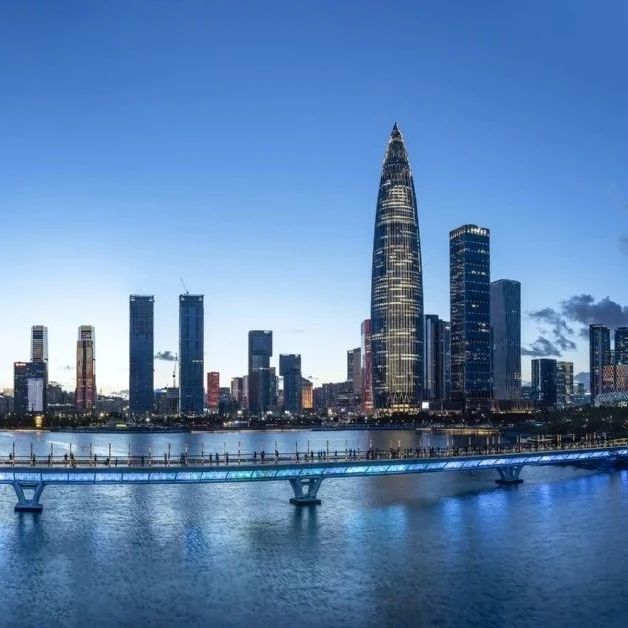
维梧资本,落地首个中国加速器
投资界· 2025-08-11 08:27
Core Viewpoint - The establishment of the Vi vo Ac c e l e r a t or by Vi vo Ca pit a l aims to create a new paradigm for innovative drug development through global collaboration, leveraging China's advantages in preclinical and clinical stages to accelerate the growth of global biotech companies [2][4][12]. Group 1: Overview of Vi vo Ac c e l e r a t or - The Vi vo Ac c e l e r a t or is designed to support biotech companies in drug development by utilizing Vi vo's unique ecosystem resources to identify high-quality projects at various stages of drug development [2][4]. - Vi vo Ca pit a l has invested in over 430 companies globally over nearly 30 years, indicating a strong track record in the biotech sector [2][8]. Group 2: New Business Model - The traditional VIC model, which involves collaboration between venture capital (VC), intellectual property (IP), and contract research organizations (CRO), is facing challenges due to geopolitical risks and rising costs in drug development [4][12]. - The Vi vo Ac c e l e r a t or aims to address these challenges by leveraging China's market resources and efficiency to promote the rapid development of innovative and first-in-class drugs while ensuring IP protection [4][5]. Group 3: Operational Mechanism - The accelerator will select high-potential biotech projects globally, often from thousands of candidates, and provide them with necessary support, including IP strategy and clinical development consulting [5][6]. - Projects will be structured as independent companies to ensure clear IP ownership and mitigate the risk of IP leakage, with stakeholders holding equity in the new project companies [5][6]. Group 4: Market Trends and Opportunities - The Chinese biotech industry is experiencing a recovery, with a shift in focus towards truly innovative assets rather than me-too or me-better drugs, reflecting a significant change in the investment landscape [12][13]. - The proportion of assets from China in MNC business development transactions has increased from around 5% five years ago to over 30% in 2024, indicating growing international recognition of Chinese drug development capabilities [13][14]. Group 5: Future Challenges - Despite the advantages, the Chinese biotech sector still faces challenges such as knowledge iteration, talent shortages, and limitations in drug development tools and raw materials, necessitating ongoing efforts from the entire industry [14].
一个医药IPO开盘涨150%
投资界· 2025-08-11 08:27
Core Viewpoint - The article highlights the successful IPO of Jiangsu Zhonghui Yuantong Biotechnology Co., Ltd. on the Hong Kong Stock Exchange, marking a significant moment in the booming biopharmaceutical sector, particularly in vaccine development [5][9]. Company Overview - Zhonghui Yuantong, founded by An Youcai, focuses on innovative vaccine development, with its first product, a quadrivalent influenza subunit vaccine, being the first of its kind approved in China [7][8]. - The company has expanded its product pipeline to include over ten vaccines, such as rabies and shingles vaccines, and has developed into a comprehensive enterprise with various facilities [8][11]. Financial Performance - The company has experienced significant revenue growth, with projected revenues for 2024 expected to increase by 397.65% compared to 2023, reaching approximately 260 million RMB [11]. - Despite the revenue growth, Zhonghui Yuantong is currently in a "burning cash" phase, with net losses projected at 425 million RMB for 2023 and 259 million RMB for 2024 [11][12]. Market Context - The biopharmaceutical sector in Hong Kong has seen a surge in interest, with the Hang Seng Biotechnology Index rising nearly 90% this year, indicating a broader recovery and enthusiasm for innovative drug companies [5][16]. - The article notes that the market has witnessed a significant number of IPOs and high levels of oversubscription, with Zhonghui Yuantong achieving approximately 40,000 times oversubscription during its IPO [16]. Regional Insights - The city of Taizhou, where Zhonghui Yuantong is based, has emerged as a hub for pharmaceutical innovation, housing numerous successful biotech firms and attracting significant investment [13][14]. - Taizhou's pharmaceutical high-tech zone has become a focal point for both domestic and international pharmaceutical companies, contributing to the region's economic growth and innovation in the healthcare sector [14].

现在就等梁文锋了
投资界· 2025-08-10 07:45
Core Insights - The article discusses the recent advancements in AI technology, particularly focusing on the competitive landscape among major players like OpenAI, Google, and Anthropic, highlighting their latest model releases and innovations [5][10][11]. Group 1: OpenAI Developments - OpenAI has released its first open-weight large language models, gpt-oss-120b and gpt-oss-20b, with parameters of 117 billion and 21 billion respectively, designed for local deployment [13][19]. - The gpt-oss-120b model achieves performance close to OpenAI's o4-mini on core reasoning benchmarks and can run efficiently on a single 80 GB GPU [13][19]. - The release aims to address local deployment needs and market demands, although it includes restrictions on commercial use for entities with annual revenues exceeding $100 million or daily active users over 1 million [19][26]. Group 2: Google Innovations - Google introduced Genie 3, a groundbreaking model that allows users to generate interactive 3D virtual worlds from text prompts, achieving 720p resolution at 24 FPS [27][28]. - The model requires precise physical feedback and interaction, presenting significant technical challenges, but has the potential to revolutionize fields like robotics and gaming if successfully developed [29][30]. - Despite its impressive capabilities, Genie 3 is currently in the demonstration phase and not available for public testing, indicating it remains a future prospect [30]. Group 3: Anthropic's Strategy - Anthropic has updated its top-tier model, Claude Opus 4.1, which reportedly improves AI programming capabilities by 2%, reflecting the current upper limit of AI coding abilities [34][38]. - The model's performance metrics show it has the highest market share and reputation in AI coding, positioning Anthropic as a strong competitor against OpenAI and Google [38][39]. - The focus on enhancing programming capabilities allows Anthropic to maintain relevance in the competitive landscape of large model commercialization [38]. Group 4: Contributions from Chinese Scientists - The article highlights the significant contributions of Chinese scientists and engineers in the development of these AI models, particularly within OpenAI and Google [40][42]. - Key figures include Ren Hongyu, who worked on language model training optimization at OpenAI, and Emma Wang, who contributed to the design and optimization of Genie 3 at Google [42][46].


35岁,体能断崖
投资界· 2025-08-10 07:45
Core Viewpoint - The article emphasizes that the decline in physical fitness associated with aging, particularly at the age of 35, is more related to lifestyle choices rather than age itself. Regular physical training can help mitigate or even reverse this decline [1][2][12]. Group 1: Age and Physical Fitness - A report indicates that job applicants aged 35 and above have increased by 14.9% in 2020, highlighting a societal perception of declining physical and mental capabilities in this age group [1]. - The article discusses how physical fitness can be maintained or improved through training, with examples of individuals achieving significant fitness milestones at advanced ages [2][12]. - It notes that the average adult loses 3-8% of muscle mass every decade after 30, and maximum heart rate and oxygen uptake decline by about 1% annually [12]. Group 2: Psychological Impact of Aging - The psychological effects of aging, particularly anxiety related to physical decline, are more pronounced than the actual physiological changes [5][6]. - The article mentions that many individuals in their mid-30s experience increased body awareness and concerns about weight gain, often attributing it to aging rather than lifestyle factors [5][10]. - Chronic pain issues, such as neck pain, are becoming more common among younger adults, indicating a shift in health concerns related to sedentary lifestyles [6][10]. Group 3: Lifestyle Factors and Health - Research indicates that BMI changes in adults are more closely linked to socioeconomic factors and lifestyle choices rather than age-related metabolic decline [8][10]. - The article highlights that unhealthy habits, such as irregular eating and increased alcohol consumption, contribute significantly to weight gain and health issues in the 35+ demographic [10][12]. - It emphasizes that maintaining a regular exercise routine can counteract the negative effects of aging and improve overall health and fitness levels [12][18]. Group 4: Recommendations for Fitness - The World Health Organization recommends a combination of moderate-intensity aerobic exercise and strength training to combat age-related decline [18]. - Regular physical activity is shown to enhance heart function, maintain healthy weight, and improve mental focus [18]. - The article encourages individuals to adopt a proactive approach to fitness, suggesting that age should not be a barrier to maintaining or improving physical health [18].

三位90后,估值700亿
投资界· 2025-08-10 07:45
Core Viewpoint - The article highlights the rapid rise of Mistral AI, a startup founded by three young graduates, which has achieved a remarkable valuation of approximately $10 billion within two years, showcasing the explosive growth potential in the AI sector [2][6][12]. Group 1: Company Overview - Mistral AI was founded by three 90s graduates who previously worked at top AI firms and returned to France to capitalize on the AI revolution [6][8]. - The company launched its first open-source large model, Mistral 7B, which outperformed competitors in several benchmark tests, quickly gaining attention in the developer community [6][7]. - Mistral AI aims to lead the generative AI wave through open-source initiatives, contrasting with closed models from competitors like OpenAI [6][7]. Group 2: Funding and Valuation - Mistral AI completed a record seed round of $1.13 billion shortly after its establishment, achieving a valuation of over $2.6 billion [10]. - By the end of 2023, the company raised $415 million in Series A funding, increasing its valuation to $2 billion, and later secured $640 million in Series B funding, bringing its valuation to $6 billion [11][12]. - The latest funding round discussions could potentially elevate Mistral's valuation to around $10 billion, with significant interest from major investors [12][13]. Group 3: Competitive Landscape - The AI landscape is becoming increasingly competitive, with the emergence of other open-source models like DeepSeek, which has gained significant traction [7][8]. - Mistral AI has launched several products, including a chatbot and a reasoning model, to compete directly with other players in the market [8]. - Despite initial success in France, Mistral's international performance has been mixed, indicating challenges in scaling beyond local markets [8]. Group 4: Industry Trends - The article notes a trend of young entrepreneurs in the AI sector, with many 90s graduates leading startups that are rapidly gaining valuations and market presence [14][16]. - The rise of AI is compared to the historical impact of electricity, suggesting that AI will significantly influence GDP across nations [13].

LP圈发生了什么
投资界· 2025-08-09 07:01
Core Viewpoint - The article highlights various recent developments in investment funds across different regions in China, focusing on government-backed initiatives and private sector participation to boost emerging industries and innovation. Group 1: Government Initiatives - Beijing has introduced measures to encourage local government and state-owned enterprise funds to invest in future industries, allowing for normal investment risks without strict annual profit-loss assessments [2] - The Guangxi government plans to establish an artificial intelligence industry fund with a minimum subscription of 100 billion RMB to enhance AI development across various sectors [11] - The Anhui government has partnered with China Life Insurance to set up a 100 billion RMB fund aimed at modernizing the industrial system and fostering emerging industries [9][10] Group 2: New Fund Establishments - The Zhejiang Province has launched the Zhejiang Zhanxing Industry Relay Fund with a target size of 50 billion RMB, focusing on private equity investments [3] - Xincheng Capital has successfully raised over 4.5 billion RMB for a new merger and acquisition fund, bringing its total managed assets to approximately 9.59 billion USD [4] - The establishment of the Nanning Artificial Intelligence Innovation Cooperation Development Investment Fund with a capital of 5 billion RMB aims to support equity investments and asset management [12] Group 3: Sector-Specific Funds - The establishment of the Hangzhou Talent Seed Fund focuses on investing in early-stage companies in the fields of optoelectronics, life sciences, and future industries [19] - The launch of the Langfang Silver Economy Fund targets investments in sectors related to elderly health, including biomedicine and high-end medical devices [18] - The Shanghai Clinical Transformation Seed Investment Fund, with an initial scale of 1.8 billion RMB, aims to facilitate the commercialization of medical technology innovations [24] Group 4: Collaborative Efforts - The Guangzhou Angel Mother Fund has announced partnerships with eight new GP institutions, bringing the total to 39, with a cumulative target fund size of 106.85 million RMB [7][8] - The establishment of the Future Science City Guoxin Mother Fund's first sub-fund, focusing on advanced energy and manufacturing sectors, marks a significant step in regional investment strategies [26] - The Sichuan University Technology Achievement Transformation Fund aims to leverage university resources to promote strategic emerging industries, with an overall scale of 100 billion RMB [41]

骑行凉了
投资界· 2025-08-09 07:01
Core Viewpoint - The cycling trend in China has rapidly cooled down, leading to a significant decline in participation and sales, particularly affecting the industry and related companies [5][6][8]. Industry Overview - The cycling industry experienced a surge in popularity post-2022, driven by increased health awareness and improved infrastructure, resulting in a 30% year-on-year growth in mid to high-end bicycle sales in 2022 [8][20]. - However, by August 2024, demand began to decline sharply, with a notable increase in second-hand sales as many buyers reported impulsive purchases that went unused [5][6][15]. Market Dynamics - Major brands like Shimano reported a 60% drop in net profit, primarily due to a 40% decrease in sales in the Chinese market as the cycling craze waned [5][27]. - The once high-demand bicycles are now facing significant price reductions, with discounts ranging from hundreds to thousands of yuan, as inventory levels rise [15][18]. Consumer Behavior - The initial enthusiasm for cycling was largely driven by social trends rather than genuine interest, leading to a quick decline in participation as attention shifted to other activities [21][22]. - The financial and time commitments required for cycling have proven to be significant deterrents for many, with entry-level costs starting at 1,000-3,000 yuan and additional expenses for safety gear and accessories [20][24]. Industry Impact - The rapid expansion of production capacity during the peak cycling trend has resulted in excess inventory, with companies like Merida and Giant reporting inventory overages of 45% and 40%, respectively [26]. - Despite the downturn, there remains a core group of dedicated cycling enthusiasts, with some segments of the market still showing growth, particularly in high-end products [27][29]. Future Outlook - The decline in cycling popularity presents an opportunity for domestic manufacturers to reassess their strategies, focusing on high-end products and brand development to capture a more significant market share [31][32].