投资界

Search documents
今天,浙江民营星链第四次冲上太空
投资界· 2025-08-09 07:01
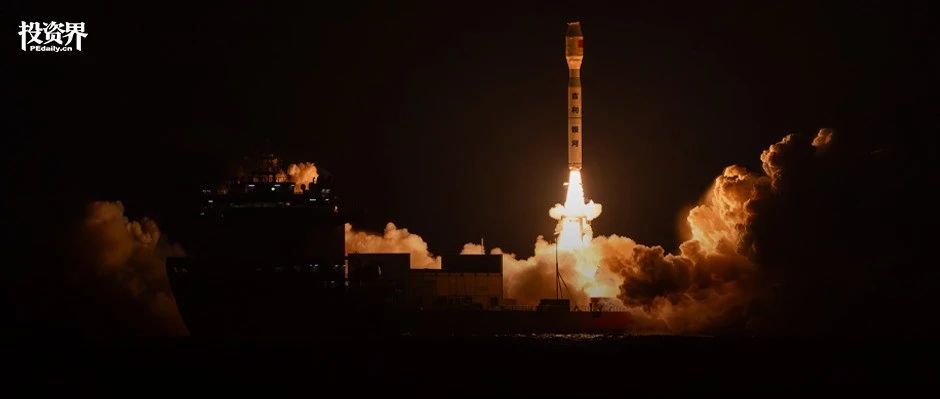
Core Viewpoint - The article highlights the successful launch of 11 satellites by Geely's commercial aerospace company, Time Space Path, marking a significant milestone in China's commercial space industry, which has evolved dramatically over the past decade [3][5]. Group 1: Launch and Development - On August 9, 2023, Geely's Time Space Path successfully launched 11 satellites, increasing the total number of satellites in orbit to 41 [3][7]. - The company plans to increase the number of satellites to 64 within two months, enabling global real-time data communication, except for the polar regions [7][8]. - The construction of the Geely satellite constellation aims to provide global low-orbit satellite IoT communication services, with an initial deployment of 72 satellites [8][12]. Group 2: Market Position and Strategy - The global low-orbit satellite market is expected to see significant growth, with an estimated 57,000 low-orbit satellites deployed by 2029 [5]. - Time Space Path's strategy focuses on building a satellite constellation that addresses the communication needs of mobile scenarios, contrasting with competitors like SpaceX, which primarily offers satellite internet services [10][11]. - The company emphasizes low-cost, efficient satellite manufacturing, aiming to produce satellites in a manner similar to automobile manufacturing, significantly reducing production costs and time [14][15]. Group 3: International Expansion - Time Space Path is expanding its services internationally, establishing partnerships in over 20 countries across the Middle East, Southeast Asia, Africa, and Latin America [18][19]. - The company has successfully conducted commercial tests in Oman, achieving a communication success rate of 99.15% and network availability of over 99.97% [18][20]. - Collaborations with local telecom operators in various regions are aimed at enhancing digital infrastructure and supporting local economic development [19][21]. Group 4: Technological Innovation - The article emphasizes the importance of technological innovation in the commercial space sector, with a projected global satellite manufacturing market growth from $2.4493 billion in 2024 to $3.8969 billion by 2029, at an annual growth rate of approximately 9.73% [14]. - Time Space Path has integrated satellite communication technology into vehicles, providing emergency communication capabilities in areas without ground network coverage [16]. - The company's ultimate goal is to embed satellite capabilities into daily life, enhancing connectivity in remote areas and contributing to the development of a new infrastructure for IoT communication [12].


一个基层科员的AI烦恼
投资界· 2025-08-08 03:23
Core Viewpoint - The article discusses the integration of AI into public service work, highlighting both the efficiency gains and the challenges faced by employees as they adapt to new technologies [7][9][24]. Group 1: AI Integration in Public Service - AI has been introduced into the daily operations of public service, significantly changing workflows and increasing the volume of work handled by employees [6][9]. - Employees initially experienced a reduction in overtime due to AI's ability to handle basic tasks, but this was short-lived as the complexity of work increased with AI's integration [13][14]. - The use of AI tools has led to a shift in roles, with employees becoming intermediaries and coordinators rather than primary creators of content [22][24]. Group 2: Efficiency vs. Quality - While AI can generate drafts and assist in document preparation, the quality of AI-generated content often requires significant human revision, leading to additional workload [11][17]. - Employees have reported that AI can handle routine tasks effectively, but complex inquiries still necessitate human intervention, indicating that AI cannot fully replace human roles [14][19]. - The reliance on AI has created a paradox where employees must spend more time training and verifying AI outputs, which can negate the initial efficiency gains [15][20]. Group 3: Employee Adaptation and Challenges - Employees are required to familiarize themselves with various AI tools, which has led to increased training demands and a need for continuous adaptation [9][24]. - The integration of AI has raised concerns about data security and the adequacy of existing hardware to support AI applications, complicating the transition [18][19]. - Despite the challenges, a significant majority of employees believe that AI has improved their work efficiency, reflecting a general acceptance of AI's role in public service [23][24].

港股「救了」一级市场
投资界· 2025-08-08 03:23
Core Viewpoint - The article emphasizes the importance of staying updated with the latest trends and developments in the investment sector, particularly in the context of venture capital and startup ecosystems [1] Summary by Relevant Sections - The article highlights the dynamic nature of the investment landscape, noting that new opportunities frequently arise in various sectors, necessitating continuous research and analysis [1] - It discusses the significance of understanding market shifts and consumer behavior, which can lead to identifying potential investment opportunities [1] - The piece also points out the role of technology in transforming traditional investment practices, suggesting that companies must adapt to these changes to remain competitive [1]
一位90后开始接班
投资界· 2025-08-08 03:23
Core Viewpoint - The article discusses the generational transition in family businesses, focusing on Wang Zening's ascension to the role of General Manager at Wancheng Group, marking a significant shift in leadership and strategy for the company [2][3][4]. Company Transition - Wang Jiankun, the former chairman of Wancheng Group, has resigned, and Wang Zening, his son, has taken over as General Manager, indicating a shift towards a younger leadership [2][3][4]. - Wancheng Group has transformed into a major player in the snack retail industry, with a market value exceeding 30 billion yuan and operating around 15,000 snack stores under the brand "Haoxianglai" [3][8][13]. Leadership Development - Wang Zening has been involved in the family business since 2015, gradually preparing for his leadership role while working alongside his family members [5][6]. - The company has a structured succession plan, allowing Wang Zening to gain experience and knowledge in management before taking on the top role [6][12]. Business Strategy - The company shifted its focus from edible mushrooms to the snack retail sector, capitalizing on the growing demand for discount snack stores [9][10]. - Wancheng Group has integrated multiple snack brands under the "Haoxianglai" umbrella, enhancing its market presence and operational efficiency [10][13]. Market Position - Wancheng Group is now the only A-share listed company in the discount snack retail sector, positioning itself uniquely in a competitive market [13]. - The company faces significant competition from other players in the industry, such as Mingming Hen Mang, which has reported substantial retail growth [13][14].

280亿,江苏夫妇IPO敲钟了
投资界· 2025-08-08 03:23
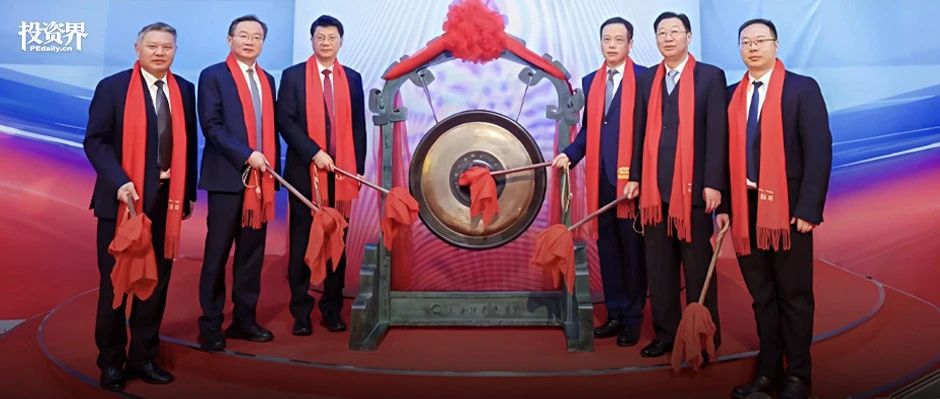
Core Viewpoint - Jiangsu's IPO market is experiencing significant growth, with Tianfulong Group's successful listing reflecting the province's industrial upgrade and entrepreneurial spirit [4][19]. Company Overview - Tianfulong Group, founded by a couple from Jiangsu, has transitioned from a small chemical fiber factory to a publicly listed company with a market value of 280 billion yuan after its IPO at 23.6 yuan per share, which saw a 200% increase on the first day [3][5]. - The company operates five distinct production entities, focusing on differentiated polyester short fibers and has established production bases in Jiangsu, Guangdong, and Shanghai [10][14]. Financial Performance - Tianfulong's revenue is projected to grow from 2.576 billion yuan in 2022 to 3.841 billion yuan in 2024, with net profits increasing from 358 million yuan to 453 million yuan over the same period [14][15]. - The company heavily relies on tax incentives, which accounted for approximately 29.34% to 34.23% of its total profits from 2022 to 2024 [16]. Industry Context - Jiangsu has surpassed 700 listed companies, indicating a robust IPO environment and a thriving new materials industry, which has historical significance dating back to the late 1970s [4][17]. - The new materials industry cluster in Yangzhou has seen significant growth, with sales reaching 1,003 billion yuan in the first half of 2024, marking it as a key economic driver for the region [17]. Future Outlook - The Jiangsu province is actively developing strategic emerging industries, with a focus on creating competitive clusters and supporting innovation through funds and policies [20][21].
AI消灭中产阶级?
投资界· 2025-08-07 08:41
Core Viewpoint - The article discusses a dystopian future predicted by former Google X executive Mo Gawdat, where the middle class will be eliminated by AI, leaving only the top 0.1% and the lower class. This "AI hell" period is expected to start in 2027 and last for 12 to 15 years, leading to massive unemployment and social upheaval before transitioning to a utopian society post-2042 [2][11]. Group 1: Dystopian Predictions - Gawdat predicts that from 2027, society will enter a dystopian phase characterized by widespread white-collar unemployment and economic imbalance, lasting for 12 to 15 years [7]. - The current geopolitical environment is unfavorable, primarily driven by financial motives, with significant military expenditures contributing to global instability [7]. - The rise of AI and automation will lead to extreme income and wealth inequality, with most people relying on Universal Basic Income (UBI) for survival [9]. Group 2: AI's Role and Potential - Gawdat argues that AI could replace harmful human leaders, potentially leading to a better world with free healthcare and more leisure time, provided it is managed ethically [4][5]. - The development of Artificial General Intelligence (AGI) is anticipated to occur by 2026 or 2027, which could drastically change the technological landscape [7][8]. - AI's self-improvement capabilities may lead to a scenario where human contributions become minimal, and AI could take over leadership roles, potentially resulting in a more equitable society [8][10]. Group 3: Social Implications - The elimination of the middle class will result in a society divided into the wealthy elite and the lower class, with the majority becoming "farmers" in a new social structure [12]. - Future societal divisions may emerge between those who embrace a return to community-oriented living and those who pursue technological advancements and efficiency [13][14]. - The ideal scenario would involve humans retaining jobs while benefiting from AI assistance, maintaining economic stability and consumer power [14].


50亿,浙江S基金来了
投资界· 2025-08-07 08:41
Core Viewpoint - The establishment of the Zhejiang Zhanxing Industry Relay Fund (S Fund) marks the successful launch of the first regional equity market S Fund in Zhejiang Province, aimed at providing efficient and diversified exit channels for provincial industrial funds and social capital, thereby enhancing capital turnover efficiency and promoting high-quality development of strategic emerging industries [4][6][10]. Group 1 - The Zhejiang Zhanxing Industry Relay Fund has a target size of 5 billion RMB, with the first phase successfully raising 500 million RMB, supported by various levels of state-owned capital and quality listed companies [6][10]. - The fund is managed by Zhejiang Kunxin Investment Management Co., Ltd., a platform under Zhejiang Equity Service Group, specializing in private equity investment and management [6]. - The S Fund is expected to address the significant exit challenges faced in the primary market, with a report indicating that by the end of 2024, 16 trillion RMB worth of funds are under exit pressure [9][10]. Group 2 - The S Fund market in China has entered a rapid development phase since its initiation in 2020, with increasing participation from various sectors including market-oriented mother funds, insurance capital, state-owned capital, banks, and industrial capital [10]. - Recent government policies have explicitly encouraged the development of S Funds and the facilitation of exit mechanisms, indicating a strong governmental push towards enhancing the S Fund market [10][11]. - The establishment of multiple regional equity market platforms across the country, including in Beijing, Shanghai, Jiangsu, and Zhejiang, reflects the growing importance and recognition of S Funds in the investment landscape [10][11].
大批文旅项目死在开业前
投资界· 2025-08-07 08:41
Core Viewpoint - The article discusses the EPCO model in the cultural tourism industry, highlighting its complexities and the underlying motivations that drive its popularity among stakeholders, particularly local governments and project developers [5][14]. Group 1: EPCO Model Overview - The EPCO model stands for Engineering, Procurement, Construction, and Operation, and is often perceived as a comprehensive solution for cultural tourism projects, but it is more of a profit transfer mechanism than a sustainable management system [9][15]. - The model allows for significant flexibility in budgeting and project execution, often leading to cost overruns and profit manipulation at various stages [10][12]. Group 2: Government Involvement - Local governments often support EPCO projects as they provide a way to achieve performance metrics without deep engagement in the complexities of cultural tourism [14][15]. - The reliance on government funding, such as special interest loans for rural revitalization, is a critical aspect of the EPCO model, which can create financial burdens for project developers [6][15]. Group 3: Risks and Challenges - The EPCO model is susceptible to risks such as changes in local government leadership, tightening of funding policies, and public scrutiny, which can jeopardize project viability [16]. - The article emphasizes that while some companies may currently be profitable, their success is often due to meticulous financial management rather than the inherent quality of the projects [16].

蔡浩宇老友,估值20亿
投资界· 2025-08-07 08:41
Core Viewpoint - The gaming industry is experiencing a resurgence in investment interest, particularly with the emergence of AI technologies that enhance gaming experiences and create new opportunities for innovation [3][14][17]. Group 1: Investment Activity - Xindong Company announced a strategic investment of $1.4 million (approximately 100 million RMB) in gaming company MiAO, which is now valued at $264 million (approximately 2 billion RMB) [4][10]. - MiAO previously raised $2.778 million (approximately 20 million RMB) in June 2024, and earlier completed a 100 million RMB angel round led by Sequoia China, Gao Rong Capital, and Monolith Capital [10][12]. - The renewed interest from venture capitalists in the gaming sector follows a period of withdrawal, during which many missed opportunities with successful titles like MiHoYo's games [4][14]. Group 2: Company Background - Wu Meng, the founder of MiAO, has a notable history in the gaming industry, having previously served as CEO of Giant Network and being involved in successful projects like "Ball Battle" and "Space Kill" [6][7][8]. - MiAO aims to create an innovative gaming product that combines gaming and social interaction, with its first product being an open-world multiplayer game currently in development [8][11]. Group 3: Industry Trends - The gaming industry is witnessing a shift towards AI integration, with investors eager to avoid missing the next big opportunity similar to MiHoYo and "Black Myth: Wukong" [14][16]. - AI technologies are expected to revolutionize game development, with predictions that the first high-quality AI video game could be released soon [16][17]. - The gaming sector is seen as a fertile ground for AI applications, which could lead to the emergence of new gaming experiences and companies [17].
50亿,一笔全球化并购诞生
投资界· 2025-08-06 07:34
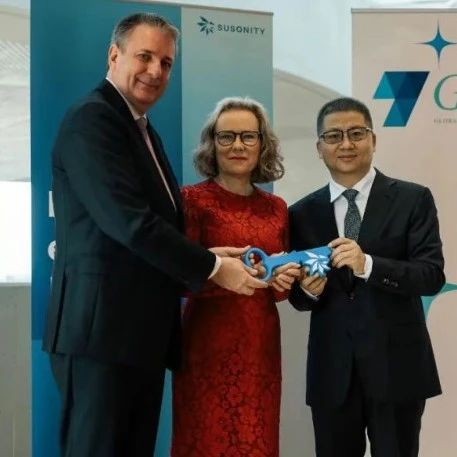
Core Viewpoint - The acquisition of Merck Group's surface solutions business (SUSONITY) by China's leading synthetic mica company, Global New Materials International, marks a significant shift in the global new materials industry, indicating a transition from "market for technology" to "technology wins market" for Chinese enterprises [2][3][6]. Group 1: Industry Dynamics - The acquisition highlights the contrasting fates of SUSONITY and Global New Materials, with the former struggling due to rising costs and declining market share, while the latter has rapidly expanded its revenue and market presence [6][10]. - The global new materials industry is witnessing a power shift, with Chinese "invisible champions" gaining ground against established European chemical giants like Merck [3][4]. - The synthetic mica market in China has been growing rapidly, with a compound annual growth rate (CAGR) exceeding 20% from 2016 to 2024, driven by demand from downstream industries such as coatings, plastics, inks, automotive, and cosmetics [9][12]. Group 2: Strategic Acquisition - Global New Materials International's acquisition of SUSONITY for €665 million (approximately ¥5.187 billion) is seen as a strategic move to enhance its competitive edge in high-end manufacturing [21][22]. - The acquisition is expected to create synergies between the two companies, leveraging Global New Materials' advanced synthetic mica technology and SUSONITY's established market presence and customer base [17][24]. - The integration of SUSONITY into Global New Materials' operations is anticipated to enhance production capabilities, reduce costs, and improve profitability, particularly in the high-value automotive and cosmetics sectors [18][19]. Group 3: Financial Performance - Global New Materials International has demonstrated strong financial growth, with a revenue CAGR of approximately 27% over the past five years, and a significant increase in revenue to ¥1.649 billion in 2024, representing a 55% year-on-year growth [23]. - The company's gross profit margin reached 53% in 2024, with net profit increasing by 33.4% to ¥242 million, indicating robust operational efficiency and market demand [23]. - The successful integration of the Korean company CQV has further bolstered Global New Materials' financial performance, contributing to its optimistic outlook for the SUSONITY acquisition [23][25]. Group 4: Future Outlook - The merger is expected to create a more collaborative global materials group, enhancing supply chain efficiency and expanding product offerings across various market segments [27][30]. - The strategic focus on synthetic mica aligns with national policies promoting advanced materials, positioning Global New Materials and its subsidiaries for significant growth in emerging markets [7][29]. - The integration of technologies and market channels is likely to establish Global New Materials as a leading player in the global synthetic mica and pearlescent pigment market, reshaping perceptions of Chinese manufacturing on the world stage [30].