投中网

Search documents
刚刚,2026开年最火IPO敲钟了
投中网· 2026-01-02 04:26
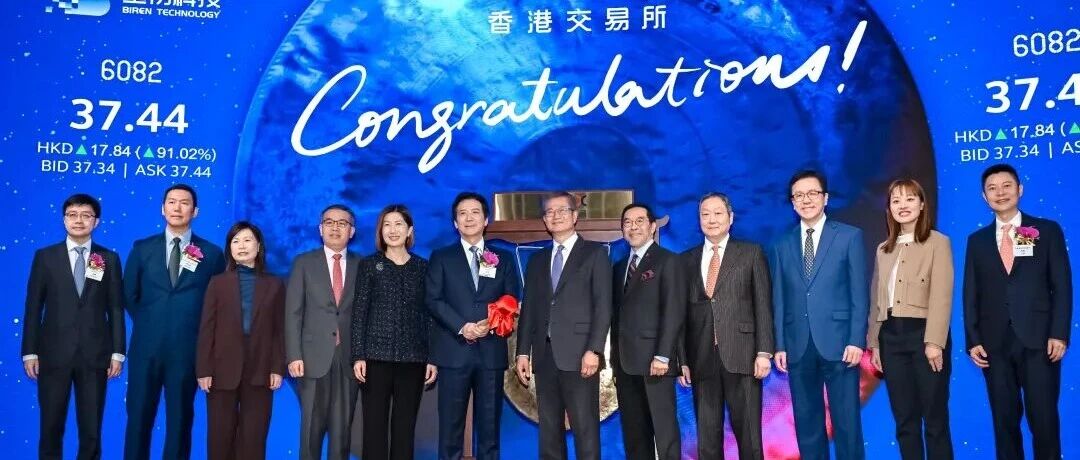
Core Viewpoint - Wallen Technology, the first GPU company listed in Hong Kong, has successfully completed its IPO, achieving a market capitalization exceeding 100 billion HKD after a significant surge in stock price [4][6]. Group 1: Company Background and Development - Founded in September 2019, Wallen Technology aims to address the critical need for domestic GPU production in China, which has been heavily reliant on foreign suppliers [8][9]. - The company has garnered substantial interest from investors, with a total fundraising of 5.583 billion HKD and over 2348 times oversubscription during its IPO [6][4]. - Wallen Technology's journey reflects the broader trend of domestic GPU companies emerging in response to geopolitical pressures and the need for self-sufficiency in semiconductor technology [8][27]. Group 2: Leadership and Team Building - Zhang Wen, the founder, recognized the strategic importance of developing domestic GPUs and has been pivotal in assembling a strong team of experts from leading tech companies [10][12]. - The company has attracted top talent from organizations like Huawei and AMD, which has been crucial for its technological advancements [12][18]. - Zhang's ability to recruit and motivate talent has been highlighted as a key factor in Wallen Technology's success, with significant investments made to ensure a robust team [11][17]. Group 3: Product Development and Innovation - Wallen Technology focuses on developing general-purpose GPUs (GPGPU) rather than application-specific integrated circuits (ASIC), emphasizing flexibility and innovation [16][25]. - The company successfully launched its first GPGPU chip in March 2022, marking a significant milestone in its product development timeline [22][25]. - Wallen Technology's revenue has shown substantial growth, reaching 620.3 million CNY in 2023 and projected to grow to 337 million CNY in 2024, despite ongoing challenges [25][26]. Group 4: Market Position and Future Outlook - The company is positioned as a pioneer in the domestic GPU market, contributing to the establishment of a financing framework and valuation logic for other startups in the sector [27][28]. - Wallen Technology aims to continue its growth trajectory by focusing on R&D and expanding its market presence, with a commitment to achieving self-sufficiency in semiconductor technology [26][28]. - The Chinese GPGPU market is expected to grow significantly, with projections indicating an increase from 23.5 billion USD in 2024 to 172.3 billion USD by 2029, highlighting the potential for further expansion in this sector [27][28].

一家连续押注壁仞「四轮」的投资机构
投中网· 2026-01-02 04:26
Core Viewpoint - The article highlights the successful IPO of Birran Technology, marking it as the first domestic GPU stock in Hong Kong, and emphasizes the strategic execution and investment philosophy that led to its rapid growth and market acceptance [3][4]. Group 1: IPO and Market Reception - Birran Technology successfully listed on the Hong Kong Stock Exchange on January 2, with an opening price of 35.70 HKD [3]. - The company experienced a remarkable oversubscription of 2363 times during its public offering, with over 47.6 million retail investors participating and total frozen funds reaching 579.6 billion HKD [3]. - The backing from top-tier institutional investors, including Qiming Venture Partners and UBS, indicates strong market consensus on Birran's potential [3]. Group 2: Leadership and Execution - Zhang Wen, the founder of Birran, is recognized for his clear strategic planning and effective execution, which has been pivotal in the company's financing journey [4]. - Under Zhang's leadership, Birran raised over 4.7 billion CNY in just 18 months from its establishment to the completion of its Series B financing in March 2021, setting a record for domestic chip startups [4][5]. - The company has completed eight rounds of financing, accumulating over 5 billion CNY, with participation from top investment firms and state-owned platforms [4]. Group 3: Investment Philosophy - Yunhui Capital, a key investor, made a significant early investment of nearly 20 million USD in Birran during a challenging market environment, demonstrating confidence in the company's potential [7][8]. - The investment strategy of Yunhui Capital focuses on identifying high-potential companies in the GPU sector, with a belief that the Chinese market can produce companies with valuations exceeding 10 billion USD [9]. - Yunhui Capital has consistently increased its investment in Birran, reflecting a long-term commitment to the company's growth trajectory [10][11]. Group 4: Future Outlook - The article suggests that Birran's journey is just beginning, with the IPO serving as a new starting point for further growth and expansion in the GPU market [10]. - Yunhui Capital's approach of focusing on fewer, high-potential investments rather than spreading resources thinly across many projects is highlighted as a key to capturing significant returns [11].

元旦,诸顺
投中网· 2026-01-01 01:29
Core Viewpoint - The article discusses the transformation of investment recruitment through a one-stop smart recruitment system, emphasizing its importance in modern business practices [5]. Group 1 - The article highlights the need for innovation in recruitment processes to adapt to changing market demands [5]. - It presents the smart recruitment system as a solution that integrates various functions to streamline the recruitment process [5]. - The focus is on enhancing efficiency and effectiveness in attracting talent through advanced technology [5].

最火60后,即将收获人生第三次IPO
投中网· 2026-01-01 01:29
Core Viewpoint - The article discusses the rise of Yu Renrong, a notable figure in the semiconductor industry, highlighting his unexpected prominence among younger entrepreneurs and his successful ventures, particularly with Weir Semiconductor and the upcoming IPO of OmniVision [3][5][21]. Group 1: Background and Rise of Yu Renrong - Yu Renrong, a member of the 60s generation, stands out among younger entrepreneurs who have gained fame in 2025, such as Liang Wenfeng and Wang Xingxing, who are mostly from the 80s and 90s [3]. - His entrepreneurial journey began in 2007 with the establishment of Weir Semiconductor, which quickly became a significant player in the semiconductor design field, ranking among the top ten globally by 2019 [4][5]. Group 2: Weir Semiconductor's Development - Weir Semiconductor's revenue reached 1 billion yuan by 2010, driven by the increasing demand for mobile phone components, particularly transient voltage suppressors [11]. - The company initially focused on low-barrier semiconductor components but later expanded into more advanced technologies through strategic acquisitions, including the purchase of Beijing Taihezhih and Wuxi Zhongpuwei [15][19]. Group 3: Acquisition of OmniVision - The acquisition of OmniVision, a leading player in the CMOS image sensor market, was pivotal for Weir Semiconductor, allowing it to tap into the rapidly growing markets of smart devices and automotive applications [19][20]. - The deal, valued at approximately 15.2 billion yuan, significantly enhanced Weir's market position, making it the largest CIS supplier in China and the third largest globally [20]. Group 4: IPO and Future Prospects - The upcoming IPO of OmniVision is expected to solidify Yu Renrong's status in the semiconductor industry, with the company projected to have a market capitalization exceeding 150 billion yuan by the end of 2025 [21][24]. - The IPO is seen as a strategic move to enhance the company's brand and market influence, providing additional resources for future growth in the semiconductor sector [21][25].

盛世投资超募设立国内首支S基金接续重组基金
投中网· 2025-12-31 03:45
Core Viewpoint - The article discusses the successful establishment of China's first S Fund continuation restructuring fund by Shengshi Investment, with a scale exceeding 600 million yuan, highlighting the innovative approach to asset reconfiguration and management in the S Fund sector [3][4]. Group 1: Fund Establishment and Scale - The S Fund continuation restructuring fund has a scale exceeding 600 million yuan and has attracted 14 long-term capital investors, including state-owned and insurance capital, achieving an oversubscription of the fund [3]. - This fund represents a pioneering effort in systematically selecting and reconfiguring quality assets from previously invested S Funds, marking a significant achievement for Shengshi Investment in the S Fund domain [3]. Group 2: Asset Configuration and Management - The fund employs a "reconfiguration" model that allows for a smooth exit of original shares while providing LPs with a clear and controllable asset portfolio [3][4]. - Shengshi Investment's S Fund team actively matches asset and capital sides, balancing short-term returns with long-term growth, and customizing complementary asset allocations for LPs [4]. - The fund has garnered significant interest from insurance capital, which accounts for over 40% of the contributions, making it the first S Fund continuation transaction model to involve insurance capital [4][5]. Group 3: Professional Capabilities and Future Outlook - The success of the fund is attributed to Shengshi Investment's strong capabilities in asset evaluation, pricing, and data analysis, which enhance decision-making efficiency and confidence among LPs [4][5]. - Shengshi Investment has been involved in the S Fund sector since its inception, with a management scale nearing 5 billion yuan and over 50 completed S transactions, establishing S strategy as a core focus [5]. - The chairman of Shengshi Investment emphasized that the successful launch of this fund provides an innovative solution for S Fund exits and offers a replicable path for long-term capital participation in S investments [5].

投GPU“铲子”股,赚了100倍
投中网· 2025-12-31 03:04
Core Viewpoint - The article highlights the significant investment opportunities in the domestic GPU sector, particularly focusing on the success of companies like Strong One Co., Ltd. (强一股份) and its role in the semiconductor testing market, especially with its probe cards [5][10][15]. Group 1: Company Performance and Market Position - Strong One Co., Ltd. has seen a remarkable increase in its market value, reaching 34.6 billion RMB after its IPO, with a price surge of 213% on its first trading day [5][10]. - The company reported revenues of 254 million RMB, 354 million RMB, and 641 million RMB for the years 2022, 2023, and 2024 respectively, with a compound annual growth rate of nearly 60% [10]. - Strong One's net profit grew from 15.62 million RMB in 2022 to 233 million RMB in 2024, marking a 14-fold increase over three years [10]. Group 2: Competitive Advantage and Technology - Strong One Co., Ltd. specializes in MEMS probe cards, crucial for testing semiconductor wafers, and has achieved the ability to mass-produce cards with a pitch of 45μm or less, catering to advanced GPU and high-performance processor manufacturing [6][7]. - The company has become the ninth largest semiconductor probe card manufacturer globally in 2023 and is projected to rise to sixth place in 2024, highlighting its rapid ascent in the industry [7][11]. - The probe card market in China is still in its early stages, with Strong One capturing less than 5% of the global market share despite the domestic market exceeding 10% of the global total [10]. Group 3: Strategic Partnerships and Future Growth - Strong One's primary client is a globally recognized chip design company, which significantly contributes to its revenue, accounting for over 80% of its income in recent years [7][10]. - The company is also focusing on the domestic replacement of high-bandwidth memory (HBM) chips, which are critical for AI applications, and is developing MEMS sample cards for DRAM and NAND Flash [8][11]. - The surge in demand for AI models and the corresponding need for advanced GPUs and testing solutions position Strong One as a key player in the evolving semiconductor landscape [11][15].

海南封关后,中产和资本抢着南下淘金
投中网· 2025-12-31 03:04
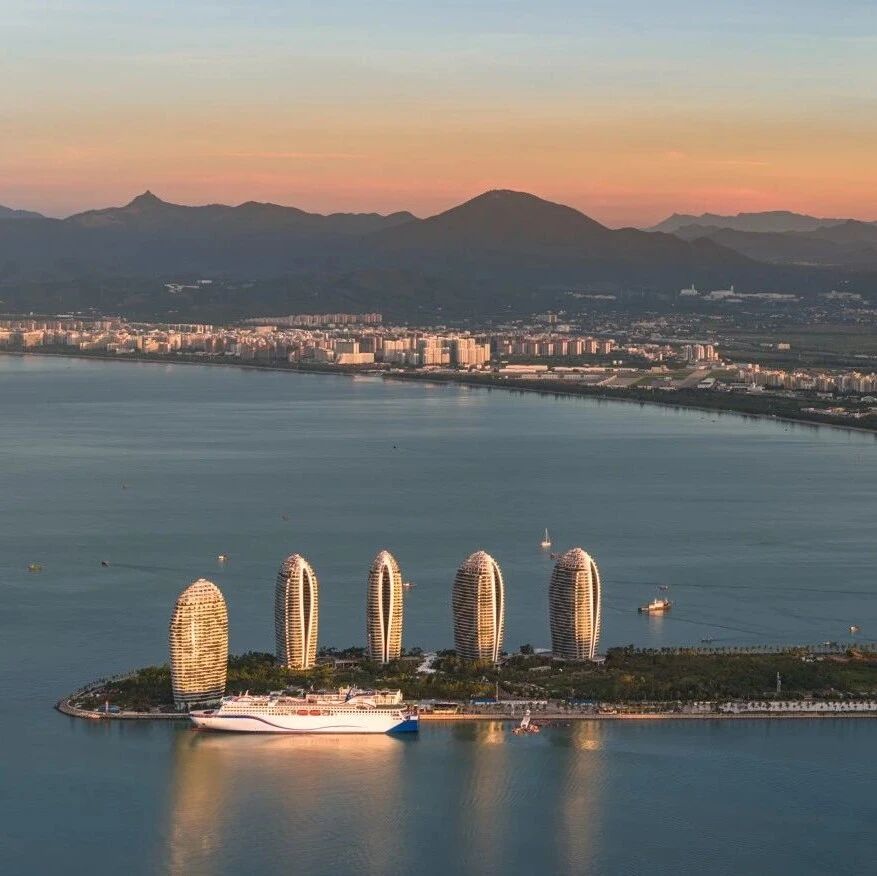
Core Viewpoint - The article discusses the significant opportunities arising from the recent policy changes in Hainan, which have created a favorable environment for gold purchases and investments, particularly benefiting the middle class and the gold industry as a whole [5][6][10]. Policy Changes and Economic Impact - Hainan's free trade port has implemented a "zero tariff" policy, allowing most imported goods to enter without tariffs, VAT, or consumption tax, significantly increasing the proportion of zero-tariff goods from approximately 21% to 74% [5][10]. - The number of foreign-funded enterprises in Hainan surged by 230% in the first week after the closure, indicating a strong interest in the region's economic potential [5]. - The personal shopping tax exemption has been raised to 100,000 yuan per person per year, enhancing consumer purchasing power [6]. Gold Market Dynamics - The gold price in Hainan has seen a significant reduction, with tax-free gold priced at 1,180 yuan per gram compared to 1,356 yuan per gram for taxed gold, creating a price advantage of 176 yuan per gram [9]. - The demand for gold has surged, with sales in Sanya's duty-free shops reaching 630 million yuan in just six days, a 47.2% increase year-on-year [6]. Industry Opportunities - Major gold companies like Zijin Mining and China Gold are establishing operations in Hainan, focusing on gold processing and trading, which indicates a shift towards enhancing the local gold industry [13][14]. - The article highlights the establishment of new companies and investment in gold processing facilities, such as Zijin Mining's international business headquarters in Sanya [13][14]. Consumer Behavior and Market Trends - The influx of middle-class consumers seeking gold has been described as a "gold rush," with reports of significant savings on gold purchases due to the new tax policies [10][19]. - The article notes that the current gold buying frenzy is largely driven by expectations of rising gold prices, with retail prices recently exceeding 600 yuan per gram [20]. Risks and Considerations - The article warns of potential risks associated with gold purchases, including tax implications for exceeding personal exemption limits and the volatility of gold prices [16][19]. - The regulatory environment is tightening, with measures in place to monitor high-frequency buyers in duty-free shops, indicating a need for consumers to be cautious [18].



罕见基石出手,MiniMax这群95后拿下上市的重要一票
投中网· 2025-12-31 03:04
将投中网设为"星标⭐",第一时间收获最新推送 冲击IPO的最年轻AI独角兽。 作者丨 簪竹 来源丨 投中网 值得一提的是, MiniMax在这次IPO发行中引入了一个堪称豪华的基石阵容,包括Aspex、Eastspring、Mirae Asset、阿里巴巴及易方达在内的14家基石投资者,认购总额约27.23亿港元。 投资者类型横跨国际长线、头部科技、 中资长线及产业战略等多个维度,在近期港股市场,如此多元的顶级资本罕见地协同一致,形成了强有力的价值背书。 MiniMax开启发售引发市场热议,不少投资人认为很可能成为又一个超认购的明星标的,这也引申出了一个被忽略的关 键问题:这家拥有全球2.12亿用户、技术位列第一梯队的公司,该如何用估值模型进行合理定价。 如果说过去三年,一级市场在争论"谁能做出模型",那么今天的问题已经变成,当模型已经成为基础设施,市场是否还 在用上一代"单点能力公司"的逻辑去定义真正的平台型AI公司? 成立四年,冲击IPO的最年轻AI独角兽 关于MiniMax的创业故事,已经无需赘述。2022年初,前商汤副总裁闫俊杰在商汤上市前夕,毅然放弃手中的期权, 辞职创业,他从上海起步,以研发通用人 ...

手握3200亿现金与5500亿债务压顶:“宁王”不停融资的A面B面
投中网· 2025-12-31 03:04
Core Viewpoint - CATL is actively seeking to raise funds through bond issuance despite having substantial cash reserves, indicating a strategic response to increasing competition and the need for aggressive expansion in the battery market [5][6][9]. Financial Position - CATL plans to issue bonds up to RMB 10 billion, with proceeds aimed at project construction, operational funding, and debt repayment [6]. - As of Q3, CATL holds cash reserves of RMB 324.24 billion, significantly higher than its peers [6]. - The company's financial assets increased by 202.9% year-on-year to RMB 43.26 billion, with investment income rising by 67.46% to RMB 5.24 billion [6]. Market Competition - CATL's market share in the power battery sector has declined to 41.7% in Q3 2025, down from 45.3% in the same period of 2024, marking the lowest level in five years [9]. - Competitors like Yiwei Lithium Energy have shown strong growth, with a 66.98% increase in battery shipments and a rise in market share from 3% to 4.6% [9][10]. Expansion Plans - CATL is aggressively expanding production capacity, with construction projects in various locations, leading to a 48.27% increase in ongoing projects year-on-year, totaling RMB 37.37 billion [11]. - The company is also investing heavily in overseas projects, with total investments in three major projects reaching RMB 136.7 billion [12][17]. Debt and Financing Strategy - CATL's total liabilities are projected to exceed RMB 600 billion this year, reflecting a significant increase in debt levels over recent years [18][22]. - The company's debt-to-asset ratio was 61.27% in Q3 2025, higher than the industry average of 48.67% [21]. - CATL has adopted a high-leverage financial strategy, which could pose risks if market conditions deteriorate [22].


首发丨募资17.6亿,年末一只抢手的人民币基金诞生了
投中网· 2025-12-31 01:00
Core Insights - The article highlights the successful fundraising of Huaye Tiancheng's fifth fund, which raised a total of 1.76 billion yuan, showcasing the firm's strength in a challenging fundraising environment [4][5]. - Huaye Tiancheng's ability to exceed its initial fundraising target by 260 million yuan indicates strong demand and confidence from investors, particularly in the context of a declining VC/PE market [5][6]. - The fund's LP composition is notable, with 80% of the investors being market-oriented, reflecting a high-quality investor base that includes major industry players and international institutions [8][9]. Fund Performance and Market Context - The fifth fund's performance is underscored by its active investment strategy, with 10 investments made within the first year, including significant stakes in companies like NPU chip firm Fangqing Technology [6]. - Despite a general decline in VC/PE fundraising by over 20% annually, Huaye Tiancheng's ability to maintain a high re-investment rate from existing LPs demonstrates strong trust and confidence in the firm [6]. LP Composition and Strategic Value - The fund's LP structure is diverse, featuring large industry players, insurance giants, and international investors like SOFINA, which marks a significant breakthrough for Chinese RMB funds in attracting foreign capital [9][10]. - SOFINA's involvement not only enhances Huaye Tiancheng's credibility but also opens doors for future fundraising opportunities, particularly for potential USD-denominated funds [10]. Industry Positioning and Strategy - Huaye Tiancheng's founders bring extensive industry experience, positioning the firm as a strong player in the hard technology investment space, which is increasingly recognized as a valuable asset in the current market [12][13]. - The firm emphasizes a hands-on approach to value creation, providing detailed support to portfolio companies, which is crucial for navigating the complexities of the tech sector [15]. Conclusion and Future Outlook - The successful fundraising of Huaye Tiancheng sets a high standard for RMB funds, suggesting a potential shift in the VC landscape towards more industry-focused investment strategies [17][18]. - The article posits that as the market evolves, firms that can effectively support entrepreneurs and provide certainty in uncertain times will emerge as leaders in the investment space [18][19].