投中网

Search documents
中国投资人播客“从夯到拉”
投中网· 2026-03-11 09:13
Core Viewpoint - The article discusses the significant rise of podcasts, particularly in the venture capital (VC) sector, highlighting the disparity between the popularity of podcasts and the actual participation of VC professionals in creating original content [2][3][4]. Group 1: Podcast Growth and VC Participation - The podcast medium has reached unprecedented influence, with notable figures like Luo Yonghao and Zhang Zetian launching their own channels, and a reported 422% increase in brand collaborations and 760% growth in commercial revenue for the platform Xiaoyuzhou [2]. - Despite the growth, there is a lack of original content from pure podcast creators within the VC community, with most successful podcasts being linked to individuals with existing fame or influence [3][4]. - The absence of VC-produced podcasts in the top rankings is disappointing, as VCs are well-positioned to leverage podcasts for their unique insights and experiences in the investment landscape [4][10]. Group 2: Characteristics of Venture Capital - Venture capital is characterized as a "brave person's game," focusing on high-risk investments in unproven companies and technologies, often lacking traditional financial metrics [4][5]. - The professionalization of venture capital has led to a more industrialized approach, where VCs are expected to clarify their processes and demonstrate the value they bring to investments [5][6]. - The nature of venture capital as a transaction necessitates clear communication about costs and benefits among all parties involved, moving away from ambiguity [6][7]. Group 3: The Role of Podcasts in VC - Podcasts can serve as a valuable tool for VCs to gather qualitative insights about potential investments, as they allow for in-depth conversations that reveal the emotional and psychological attributes of entrepreneurs [8][9]. - The format of podcasts enables VCs to build trust with entrepreneurs, which is crucial for successful investments, as the relationship is often collaborative rather than purely transactional [8][9]. - Notable VC podcasts from abroad, such as 20VC and a16z Podcast, exemplify how VCs can effectively engage with the startup ecosystem through this medium [9]. Group 4: Current State of VC Podcasts in China - The Chinese VC community shows a concerning lack of engagement with podcasts, with few maintaining a consistent update schedule and many existing podcasts serving more as PR tools rather than genuine content platforms [10][11]. - Some podcasts, despite appearing well-produced, fail to deliver substantive content, leading to criticism from listeners regarding quality and engagement [11]. - There is a call for the Chinese VC sector to embrace podcasting as a means of enhancing industry visibility and fostering a more vibrant discourse around investment and entrepreneurship [12].


“养虾”热潮的AB面:大厂抢滩、造富神话和万元账单
投中网· 2026-03-11 07:36
Core Insights - OpenClaw has emerged as a significant player in the AI landscape, attracting attention from both tech giants and everyday users, indicating a shift towards more accessible AI tools [8][11][21] - The rapid adoption of OpenClaw highlights the potential for AI agents to automate complex tasks, but also raises concerns about security and cost associated with token consumption [41][42][44] Group 1: OpenClaw's Rise and Adoption - OpenClaw, an open-source agent framework, has gained immense popularity, surpassing 270,000 stars on GitHub within four months, indicating strong developer interest [8] - Major tech companies, including Tencent and Alibaba, are quickly integrating OpenClaw into their cloud services, showcasing a competitive race to dominate the AI ecosystem [12][14] - The framework allows for local deployment and data privacy, making it appealing to users who want to automate tasks without relying on cloud services [21][41] Group 2: Economic Opportunities and Challenges - The installation of OpenClaw has created a new market for service providers, with individuals charging between 300 to 800 yuan for installation services, reflecting a growing demand for user-friendly AI solutions [22][25] - Users have reported significant earnings from leveraging OpenClaw for various applications, such as automated trading and content generation, demonstrating its potential as a revenue-generating tool [25][26] - However, the high operational costs associated with token consumption pose a barrier for many users, with reports of daily expenses reaching up to 1,172 yuan, raising questions about the sustainability of such models [27][28][42] Group 3: Security and Practicality Concerns - The high-level system permissions required by OpenClaw have led to security warnings from authorities, emphasizing the risks of data breaches and unauthorized access if not configured properly [41] - Many users experience challenges in effectively utilizing OpenClaw, leading to a phenomenon where installed systems remain unused, highlighting the need for better user education and practical applications [42][46] - The current business model surrounding OpenClaw primarily focuses on selling computing power and installation services, lacking a robust, scalable commercial pathway for long-term success [45][46]


扩募至100亿,陕西首只“永续母基金”现身
投中网· 2026-03-11 07:36
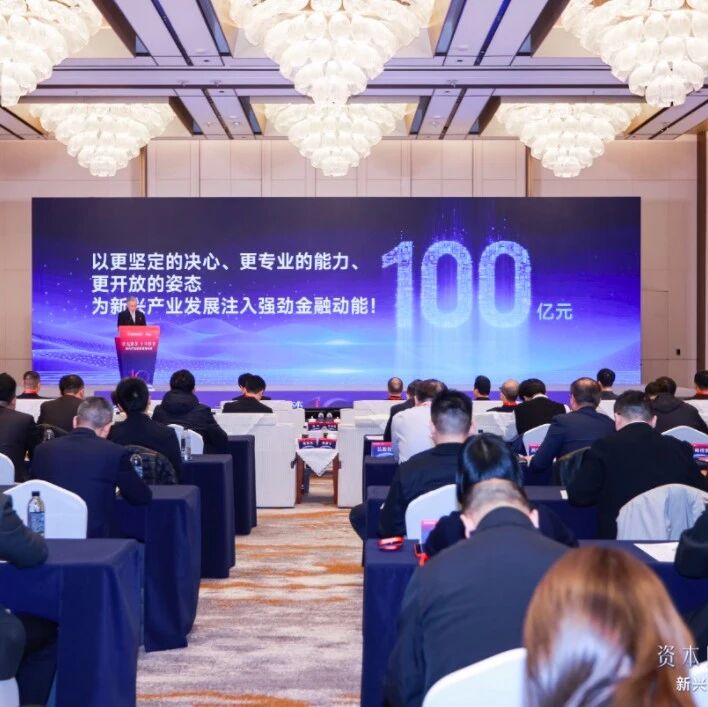
Core Viewpoint - The article discusses the evolution and future prospects of the Xi'an Emerging Industry Investment Fund, highlighting its growth from 50 billion to 100 billion and its transition to a perpetual fund structure, emphasizing its role in supporting strategic emerging industries and hard technology sectors in Shaanxi province [4][13][33]. Fund Growth and Structure - The Xi'an Emerging Industry Investment Fund, established in 2016 with an initial size of 50 billion, is set to expand to 100 billion by 2026, marking a significant milestone in its development [4][12]. - The fund's duration has been changed from 30 years to a "long-term/perpetual" structure, making it the first perpetual mother fund in Shaanxi, which reflects a strategic shift towards long-term investment [13][16]. Investment Strategy and Impact - The fund has supported 74 companies in the Xi'an High-tech Zone through direct equity investments, including notable firms like Plater (688333) and Juguang Technology (688167), contributing to the growth of local industry [6][8]. - It has also invested in 18 sub-funds, with a total scale of 167 billion, leveraging external capital by 4.9 times, and focusing on both early-stage and mature enterprises [9][12]. Ecosystem Development - The fund is actively involved in creating an investment ecosystem by collaborating with various stakeholders, including provincial and municipal state-owned assets, industry investment platforms, and academic institutions [19][33]. - Recent investments target high-tech sectors such as aerospace and digital economy, with signed agreements with six companies that align with the "6561" industry strategy of the high-tech zone [22][23]. Organizational Evolution - Xi'an High-tech Investment (XGIT), the fund's management entity, has evolved into a significant player in the region, managing 25 funds with a total scale of nearly 200 billion and supporting over 280 hard technology enterprises [24][30]. - The organization has introduced innovative financial products, such as the first "technology innovation + support for small and micro enterprises" corporate bonds, which blend debt and equity investment strategies [29][30].


蔡崇信之后,林斌也去美国买球队了
投中网· 2026-03-11 07:36
Core Viewpoint - The acquisition of a 1% stake in the Miami Dolphins by Xiaomi co-founder Lin Bin for $1.25 billion highlights the growing trend of wealthy individuals diversifying their portfolios through scarce sports assets, which are increasingly seen as a form of "hard currency" in investment strategies [4][11]. Group 1: Acquisition Details - Lin Bin's investment in the Miami Dolphins is valued at $125 billion, with his contribution amounting to approximately $1.25 billion, equivalent to 8.6 billion RMB [4]. - The acquisition requires approval from the NFL, needing consent from at least 24 team owners, indicating the complexity of such transactions in professional sports [6]. - The asset package includes not only the Dolphins but also the Hard Rock Stadium, F1 Miami Grand Prix rights, and partial rights to the Miami Open tennis tournament, significantly increasing the overall value of the investment [7]. Group 2: Economic Impact and Growth Potential - The F1 Miami Grand Prix is projected to generate a record economic impact of $505 million for South Florida by 2025, with average spending per fan reaching $2,230, making it one of the most lucrative events in the F1 calendar [7][8]. - The Miami Open has seen its sponsorship value rise, with significant brands participating, indicating strong commercial viability [8]. - The Miami Dolphins' valuation has surged from approximately $8.1 billion in 2024 to $12.5 billion, reflecting a 54% increase in just two years [12]. Group 3: Strategic Investment Rationale - Lin Bin's acquisition is viewed as a strategic move to diversify his wealth, which is heavily concentrated in technology stocks, particularly Xiaomi, where his net worth is reported at 80 billion RMB [10]. - The NFL's financial stability, with an average team revenue exceeding $23 billion and average operating profits of $127 million, makes it an attractive investment [11]. - Historical data shows significant appreciation in sports team valuations, with the Golden State Warriors' value increasing by approximately 62% from $7 billion in 2022 to $11.33 billion in 2025 [11]. Group 4: Social and Cultural Implications - The acquisition positions Lin Bin within the elite circle of NFL team owners, enhancing his social capital and potential business connections, similar to previous cases of wealthy individuals entering sports ownership [14][16]. - The trend of wealthy Chinese individuals investing in top-tier sports assets reflects a broader acceptance of sports as a form of social currency and a strategic asset class [16][17]. - The entry of Chinese capital into global sports markets signifies a shift in wealth management strategies among Chinese billionaires, emphasizing the importance of cultural and operational adaptability in these investments [17].

段sir也投AI了
投中网· 2026-03-11 07:36
Core Viewpoint - The article discusses the investment strategies of prominent investors, particularly focusing on their recent moves in AI-related stocks, highlighting the aggressive stance of Duan Yongping and the more conservative approach of Li Lu [4][21]. Investment Strategies - Duan Yongping has made significant investments in three AI vertical companies: CoreWeave, Credo, and Tempus AI, with a total allocation of only 0.28% of his portfolio, indicating a cautious observation approach [4][6]. - He has substantially increased his stake in NVIDIA by 1110%, making it his third-largest holding, valued at approximately 95 billion yuan (13.5 billion USD) [4][5]. - Duan's investment philosophy remains consistent, emphasizing understanding before investing, and he views AI as a fundamental area of focus for future growth [6][20]. Company Summaries - **CoreWeave**: An AI computing power rental company, initially focused on cryptocurrency mining, now providing GPU cloud computing infrastructure. It has a projected revenue of over 5 billion USD in 2025 but is currently unprofitable with a net loss of 1.17 billion USD [7][8]. - **Credo**: Founded in 2008, it specializes in high-speed data center connectivity solutions. It is expected to achieve 437 million USD in revenue in 2025, marking a 126% increase and achieving profitability for the first time [9][12]. - **Tempus AI**: An AI precision medicine company that has raised 1.3 billion USD before its IPO. It is projected to generate 1.27 billion USD in revenue in 2025, with a profit of approximately 12.9 million USD [13][14]. Market Trends - The article notes that Duan Yongping's investments reflect a broader trend among investors recognizing AI as a critical area for future growth, with many major firms increasing their stakes in AI technologies [17][20]. - Li Lu's investment in Google, which has become a significant part of his portfolio, showcases a more cautious approach to AI investments, focusing on established companies with strong fundamentals [21][22]. Conclusion - The contrasting strategies of Duan Yongping and Li Lu illustrate different approaches to investing in the rapidly evolving AI sector, with Duan taking a more aggressive stance while Li remains grounded in value investing principles [4][21].



机器人「起飞」元年:热钱、故事与未来
投中网· 2026-03-10 09:47
Core Viewpoint - The article discusses the rapid growth and investment in the humanoid robot industry, questioning whether the current excitement reflects genuine industry prosperity or is merely driven by speculative capital and hype [4][5][6]. Investment Trends - Since the beginning of 2026, there have been 19 financing events in the domestic embodied intelligence sector, averaging one every 2.3 days, with disclosed financing amounts exceeding 7.6 billion [5]. - By March 4, 2026, a total of 88 financing events had been reported, with total funding surpassing 20 billion [5][6]. - Notable investments include nearly 1 billion for Songyan Power and 2.5 billion for Galaxy General, indicating strong interest from top venture capital firms and state funds [5][6]. Market Dynamics - As of March 5, 2026, there are 9 companies in the embodied intelligence sector with valuations exceeding 10 billion, including Yushu Technology and Zhi Yuan Robotics [6]. - The rapid financing pace and scale in this sector are reminiscent of the investment boom seen a decade ago under the "mass entrepreneurship and innovation" slogan [6]. Technology and Application - Humanoid robots are viewed as the next disruptive hardware terminal, with potential applications in industrial production, home services, and commercial reception, leading to expectations of a trillion-level industry scale [6][7]. - However, the article highlights that non-humanoid robots have already achieved significant commercial success in various sectors, such as automotive manufacturing and logistics [8][9]. Industry Challenges - The article raises concerns about the actual value and practicality of humanoid robots, questioning whether they are truly the forefront of robotics innovation [9][10]. - It emphasizes that the hype surrounding humanoid robots may overshadow the core issues of achieving scalable commercial applications and sustainable profit models [7][10]. Speculative Behavior - The influx of capital has led to a proliferation of companies entering the humanoid robot space, often without substantial technological advancements, resulting in a potential bubble [10][13]. - The ease of entry into the humanoid robot market has attracted many players, leading to a focus on creating prototypes rather than developing viable products [10][13]. Future Outlook - The article concludes that while humanoid robots are a significant focus of investment and interest, the industry must return to rationality and focus on practical applications and technological advancements to avoid creating a speculative bubble [15][16].
开年最大风口:养“龙虾”
投中网· 2026-03-10 09:47
Core Viewpoint - The article discusses the rapid rise of the open-source AI project OpenlClaw, which has sparked a nationwide trend in China for "shrimp farming" using AI agents, leading to significant public interest and investment opportunities in the tech sector [3][4]. Group 1: OpenlClaw and Public Response - OpenlClaw has gained over 250,000 stars on GitHub, becoming the most starred project in history, and has led to a surge in public interest in AI applications [3]. - Events promoting OpenlClaw have attracted large crowds, with over 300 people attending a shrimp farming event in Shanghai and nearly 1,000 queuing for installation services in Shenzhen [3][4]. - Despite warnings from the Ministry of Industry and Information Technology regarding security risks associated with OpenlClaw, public enthusiasm remains high [4][5]. Group 2: Industry and Government Support - Major tech companies like Tencent, Alibaba, and ByteDance have launched their own versions of AI agents, contributing to a competitive landscape dubbed the "shrimp farming war" [8][9]. - Local governments are actively promoting "shrimp farming" through supportive policies, with Shenzhen's Longgang District offering up to 4 million yuan in subsidies for demonstration projects [13][15]. - Various regions are establishing OPC (One Person Company) communities to support individual entrepreneurs using AI, with incentives such as free office space and financial subsidies [19][20]. Group 3: Market Impact - The stock market has reacted positively to the "shrimp farming" trend, with companies related to cloud services and computing experiencing significant stock price increases [9][10]. - The article notes that the concept of "shrimp farming" has polarized opinions online, with some viewing it as revolutionary while others dismiss it as hype [12]. Group 4: Future Outlook - The emergence of OpenlClaw and the OPC model is expected to reshape the entrepreneurial landscape, with predictions that 2026 will be a pivotal year for individual innovation in AI [20].





江苏明星独角兽,要IPO了
投中网· 2026-03-10 09:47
Core Viewpoint - Jiangsu Xinhua Semiconductor Technology Co., Ltd. (Xinhua Technology) is applying for an IPO on the Sci-Tech Innovation Board, having grown into a leading domestic electronic-grade polysilicon manufacturer with a valuation of 8 billion yuan after over a decade of development [4][9]. Group 1: Company Development - Xinhua Technology was established in December 2015 through a collaboration between GCL-Poly Energy Holdings and the National Integrated Circuit Industry Investment Fund to address the domestic supply chain for high-purity electronic-grade polysilicon, which was previously dominated by foreign companies [6]. - The company successfully built China's first production line for electronic-grade polysilicon with an annual capacity of 5,000 tons in 2017, filling a significant gap in the domestic semiconductor industry [7]. - By 2022, Xinhua Technology had expanded its product offerings to cover various silicon wafer applications and gained recognition from major manufacturers, integrating into the supply chains of international silicon wafer producers [7]. Group 2: Financial Performance - Xinhua Technology's revenue from 2022 to September 2025 is projected to be 1.274 billion yuan, 946 million yuan, 1.109 billion yuan, and 1.335 billion yuan, with net profits of 143 million yuan, 36 million yuan, 62 million yuan, and 77 million yuan respectively [8]. - The company is set to enhance its production capabilities with a new 10,000-ton electronic-grade polysilicon production line in Inner Mongolia, addressing the domestic demand gap for semiconductor materials [8]. Group 3: Investment and Valuation - The founding shareholders, GCL-Poly and the National Integrated Circuit Industry Investment Fund, provided significant initial funding, with GCL-Poly contributing 520 million yuan in kind and the fund investing 500 million yuan directly [10]. - Xinhua Technology completed a 1 billion yuan B-round financing in March 2023, with a valuation reaching 8 billion yuan, involving multiple investors [11]. - The company plans to use the 1.32 billion yuan raised from the IPO to further develop its production capacity in high-purity electronic-grade polysilicon and related projects [12]. Group 4: Regional Industry Development - Xuzhou, where Xinhua Technology is located, is transforming from a coal-based economy to a hub for integrated circuits and ICT, with significant investments in the semiconductor industry [14][15]. - The local government has initiated several funds to support semiconductor development, with investments exceeding 300 billion yuan by 2019 and further commitments in subsequent years [14][15]. - The industrial output of Xuzhou's semiconductor and ICT sectors is projected to exceed 50 billion yuan by 2024, highlighting the region's growth in this critical industry [15][16].

街边不起眼的五金生意,一群浙商狂揽千亿
投中网· 2026-03-10 09:47
Core Viewpoint - The article highlights the resilience and growth of hardware stores in China, particularly in the context of the thriving hardware industry in Yongkang, which has become a significant economic hub despite lacking natural resources [6][12][25]. Group 1: Hardware Industry Overview - The total number of retail hardware stores in China is approximately 1 million, which is double that of milk tea shops, indicating a strong survival rate for hardware stores amidst the challenges faced by physical retail [6]. - Yongkang is recognized as the "hardware capital" of China, contributing significantly to the global supply of various hardware products, including 30% of thermal cups and 70% of anti-theft doors [10][12]. - In 2024, Yongkang's industrial output value reached 104.8 billion yuan, with the hardware industry accounting for over 90% of the city's industrial output and more than 80% of its GDP [23]. Group 2: Economic Indicators - Yongkang's average new housing price is nearly 30,000 yuan per square meter, with second-hand housing prices exceeding 25,000 yuan per square meter, positioning it among the highest in Zhejiang province [18]. - The per capita GDP of Yongkang in 2024 is projected to be 134,119 yuan (approximately 18,832 USD), significantly above the national average, indicating a high level of wealth among its residents [21]. - The city has 12 enterprises that pay over 100 million yuan in taxes annually, showcasing the economic strength of its businesses [22]. Group 3: Unique Economic Model - Yongkang's hardware industry thrives despite the absence of metal mineral resources, relying instead on a historical tradition of craftsmanship and a robust recycling system for raw materials [28][33]. - The city has developed a comprehensive industrial chain, with specialized production in various hardware categories, supported by its proximity to major trade hubs like Yiwu and Ningbo [35][36]. - The rise of e-commerce has allowed Yongkang's hardware businesses to adapt quickly to market demands, with a significant portion of sales now occurring online [40][44]. Group 4: Market Dynamics and Trends - Yongkang's manufacturers are adept at quickly pivoting to produce trending products, capitalizing on market opportunities and consumer demands [49][52]. - The local economy benefits from a "wave economy," where businesses rapidly respond to emerging trends, although this approach may limit the development of high-end brands [54][58]. - The ongoing growth of outdoor and smart home markets presents new opportunities for Yongkang's hardware industry, further driving economic expansion [58].

140亿,新茶饮鼻祖要被卖了
投中网· 2026-03-10 02:31
Core Viewpoint - The valuation of Gong Cha has significantly increased, rising by over 10 billion RMB in just four to five years, with a current estimated valuation of approximately 20 billion USD (about 140 billion RMB) [2][3]. Company Background - Gong Cha, founded in 2006 by Wu Zhenhua in Kaohsiung, Taiwan, revolutionized the tea beverage market by offering high-quality tea drinks made with real tea and milk, rather than powdered ingredients [5]. - The brand quickly gained popularity in Taiwan and expanded internationally, opening its first overseas store in Hong Kong in 2009 and entering the mainland China market in 2010 [6][7]. Market Expansion - By 2017, Gong Cha had over 750 stores in mainland China, surpassing competitors like Yi Dian Dian and emerging brands such as Heytea and Nayuki [7][8]. - The brand faced challenges from counterfeit products and increased competition, prompting it to focus on global markets, particularly in South Korea, where it became the leading bubble tea brand [9][11]. Ownership and Investment History - In 2012, Australian investor Martin Berry acquired the franchise rights for Gong Cha and expanded its presence in South Korea, leading to a reverse acquisition in 2016 where Berry's company acquired 70% of the Taiwanese parent company [12]. - In 2019, TA Associates purchased 100% of Gong Cha for approximately 3 billion USD, marking a significant investment in the brand [12]. Current Operations and Future Plans - Gong Cha currently operates over 2,400 stores in 32 countries, with a focus on markets such as South Korea, Japan, and North America [13]. - The company plans to open 240 new stores globally in 2024 and aims to reach a total of 10,000 stores by 2032 [13][14]. Competitive Advantages - Gong Cha's operational efficiency, with simplified business models and innovative store formats, allows for rapid expansion [15]. - The introduction of a new store model, "Gong Cha 2.0," features a digital kitchen system that enhances service speed and efficiency [16]. Industry Context - The new tea beverage market in China is entering a phase of saturation, with major brands needing to explore overseas markets for growth [17]. - Gong Cha's early international expansion positions it favorably to capitalize on this trend, as it has established a strong brand presence and operational capabilities in various regions [18].