叫小宋 别叫总

Search documents
曾经聊过的一个 空手套白狼的项目
叫小宋 别叫总· 2025-09-30 03:47
Core Viewpoint - The article discusses a project focused on deuterium-free water, highlighting its potential market value and the unique resources available for its production. Group 1: Project Overview - The project aims to produce deuterium-free water, which is marketed as a premium product despite natural water already having low deuterium levels [2][4] - The process of removing deuterium from water is complex and costly, but the project seeks to leverage a specific resource from a company in Sichuan that produces deuterium water [5][7] Group 2: Business Model - The founder of the project plans to finance the acquisition of deuterium-free water as a byproduct from the Sichuan company, which has not recognized its commercial value [10][16] - The business strategy includes building a purification line to prepare the deuterium-free water for sale, with a vision to compete against established brands like Wahaha and Zhong Shanshan [15][17] Group 3: Market Potential - The founder claims that with sufficient funding, the project could achieve mass production within six months, go public in three years, and potentially compete globally within ten years [18] - The project is positioned to attract significant investment by promising high returns, with the founder suggesting a potential for ten-thousandfold returns for investors [22]

继续聊聊国家集成电路大基金(原创)
叫小宋 别叫总· 2025-09-27 03:02
Investment Strategy - The first phase of the National Integrated Circuit Industry Investment Fund (大基金一期) was established in 2014 with a registered capital of 98.7 billion, and actual funds received were approximately 120 billion [3] - The second phase (大基金二期) was established in 2019 with a registered capital of 204.2 billion, and actual funds received were around 220 billion [3] - Significant investments from both phases were directed towards wafer manufacturing, including companies like SMIC, Hua Hong Semiconductor, and Changjiang Storage [3] - Investments also extended to the packaging segment, targeting companies such as Tongfu Microelectronics and Jiangsu Changjiang Electronics Technology [5] - The strategy focused on addressing the largest shortfall in the semiconductor industry, which is manufacturing, while also investing in the relatively stronger area of chip design [7] Management - The management of both phases is handled by Huaxin Investment Management Co., Ltd. (华芯), established in 2014 specifically for managing the fund [9] - The largest shareholder of Huaxin is the National Development Bank, which is also a significant contributor to the fund [9] - In the first phase, the Ministry of Finance was the largest contributor (36%), followed by the National Development Bank (22%) [10] - By the second phase, the Ministry of Finance remained the largest contributor (11.02%), with the National Development Bank as the second largest (10.78%) [10] - The first phase also involved Huaxin managing several market-oriented semiconductor funds to mitigate risks and enhance investment strategies [10] - By the second phase, Huaxin's investment capabilities had matured, managing 220 billion solely without additional fund managers [11]

金融业开始扩招了
叫小宋 别叫总· 2025-09-27 03:02
Group 1 - Goldman Sachs has abandoned the second round of layoffs for the second half of the year, with M&A revenue in Q2 soaring by 71% year-on-year [1] - JPMorgan plans to increase bonuses for its investment banking and trading departments by approximately 15% [1] - The investment management, insurance, and financial sectors in Hong Kong have fully recovered, ranking first globally, particularly driven by government support and policies in the Greater Bay Area [1] Group 2 - There is a significant demand for ESG and green finance talent, as the Hong Kong government has initiated a "talent grab" plan to attract professionals in these fields due to a severe shortage [1][2] - The current market lacks professionals with both financial expertise and ESG knowledge, making such individuals highly sought after by financial institutions expanding their ESG business [2] Group 3 - The global sustainable finance market has exceeded $35 trillion, with the U.S. alone accounting for $17 trillion, highlighting the financial impact of ESG [9] - Financial regulators worldwide are transitioning ESG disclosures from voluntary to mandatory, with over 60 countries expected to implement mandatory ESG disclosures by 2025, covering more than 80% of multinational companies [11][12] Group 4 - The introduction of mandatory ESG disclosures in China will require companies listed on major exchanges to disclose sustainability reports by 2026, with penalties for non-compliance starting in July 2025 [13] - The demand for ESG-related positions is increasing, with roles such as ESG investment analysts, green finance product managers, and ESG risk modelers emerging as top choices for financial professionals looking to transition [24] Group 5 - The rapid development of the ESG financial market in China has created a strong demand for ESG professionals, with local governments offering financial incentives for ESG practices [31][32] - Training courses and certification programs for ESG knowledge are gaining popularity, providing financial professionals with opportunities to enhance their skills and employability [33][34] Group 6 - The CFA Institute has introduced a Sustainable Investment Certificate, which is recognized in the industry and offers a comprehensive curriculum for newcomers to ESG [37] - The Registered ESG Analyst certification is gaining traction as an official ESG credential, with a lower difficulty level compared to the CFA certification, making it more accessible [39]



一级市场 没有小登 全是老登
叫小宋 别叫总· 2025-09-26 03:48
Core Insights - The article emphasizes the importance of strategic actions in investment banking, including share buybacks, valuation adjustments, and securing investment quotas. Group 1: Share Buybacks and Valuation - Companies must ensure they can execute share buybacks before making commitments [1] - It is essential to adjust valuations, regardless of whether they seem reasonable or not [2] Group 2: Securing Investment Quotas - Companies should aggressively pursue investment quotas by presenting timelines for project approvals [3] - Initial high valuations can be used to negotiate better terms once other investors are locked in [4] Group 3: Investment Strategies - Early and small investments should be prioritized, but if they hinder project completion, they should be postponed [5] - If early investments do not materialize, focus should shift to ensuring successful project execution [6] Group 4: Management Fees and Fundraising - Companies should collect management fees upfront, even if they plan to return them later [7] - A target of raising 1 billion should be set, encouraging initial investments from limited partners (LPs) [8] Group 5: Capital Structure Adjustments - In cases where only existing shares are available, companies can facilitate capital increases by first executing share buybacks [9] Group 6: Investment Commitments - Companies should negotiate priority purchase rights, indicating they will only invest if other shareholders do [10] Group 7: Documentation and Compliance - Timely payments are crucial, and minor errors in transaction documents can be rectified easily [11] - Engaging third-party firms for evaluations and comparisons is necessary, regardless of the actual selection process [12] Group 8: Recruitment and Carry Commitments - Companies should promise carry to attract talent, with the option to revise policies once carry is realized [13] Group 9: Addressing Revenue Declines - When questioned about revenue declines, companies can attribute this to strategic decisions made by founders for long-term value [14] Group 10: Presentation Adjustments - During formal investment decisions, it may be advisable to omit certain details from reports presented to LP committees [15]
公司0收入,对赌五年后IPO
叫小宋 别叫总· 2025-09-23 03:47
Core Viewpoint - The article discusses the challenges and expectations surrounding IPOs for companies with zero revenue, particularly focusing on a semiconductor project that aims for an IPO within five years despite its current financial status [5][9]. Group 1: Investment Timing and Expectations - An investor's entry point into a company was marked by the company's zero revenue status [2] - There are key terms set for a buyback related to an IPO within five years, involving both the company and its founders [4] - The current market environment suggests that the IPO process can take at least five years, especially if there are multiple inquiries or delays [5][6] Group 2: Industry-Specific Insights - The expectation for a zero-revenue company to complete an IPO within five years raises questions about the valuation and acceptance by founders [7] - Different industries have varying growth paths and logic, which can influence the feasibility of achieving an IPO within the specified timeframe [7][8] - The article specifically highlights that the discussed project is in the semiconductor sector, which may have unique characteristics affecting its IPO timeline [9] Group 3: Market Sentiment - The article concludes with a hopeful sentiment regarding the potential success of the zero-revenue company in achieving its IPO goal in five years, reflecting the current positive market conditions [11]
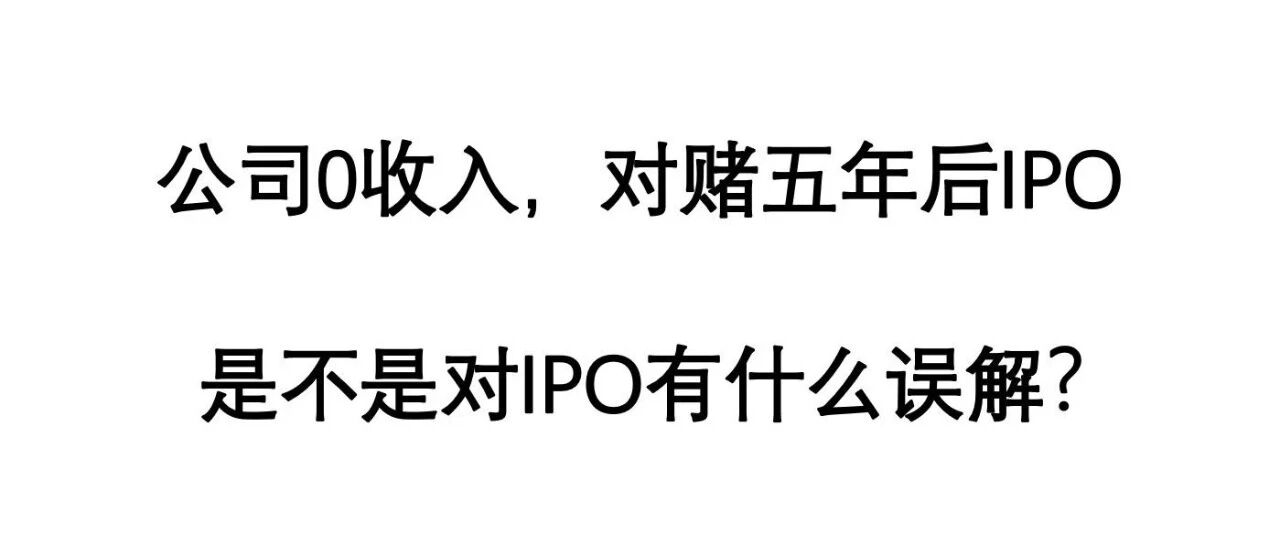
如果老罗和贾国龙在投资行业
叫小宋 别叫总· 2025-09-16 03:47
Group 1 - The article discusses the dynamics of relationships in the investment industry, using recent events involving prominent figures as a backdrop [1][4] - It highlights the importance of understanding the expectations and needs of superiors, particularly in the context of junior analysts and their direct supervisors [6][7] - The author emphasizes the necessity for junior professionals to adopt a proactive approach, including better attitudes and increased effort, to build rapport with their superiors [8][10] Group 2 - The relationship with partners is explored, noting that as professionals advance, they encounter various partners with differing strengths and weaknesses [12][14] - The article suggests that to gain more from partnerships, one must be willing to invest additional resources, such as increasing co-investment amounts to demonstrate commitment [16][17] - It points out that partners are perceptive and can see through superficial gestures, necessitating genuine efforts to build trust [15] Group 3 - The challenges of networking within the industry are discussed, particularly for those in less prestigious firms trying to connect with top-tier professionals [18][19] - The emotional bandwidth of top investors is limited, making it difficult for them to engage with newcomers or those outside their immediate circle [20][22] - The article references a quote from Steve Jobs about the value of associating with intelligent individuals, underscoring the importance of practical value in professional relationships [23][24] Group 4 - The dynamics between content creators and their audience are analyzed, revealing that the commercial value of accounts can differ significantly based on market focus [26][27] - The article notes that secondary market accounts can command much higher commercial rates due to broader participation and engagement [28][29] - It concludes with a reflection on the reciprocal nature of content consumption, where the audience's needs drive the creator's content strategy [30]
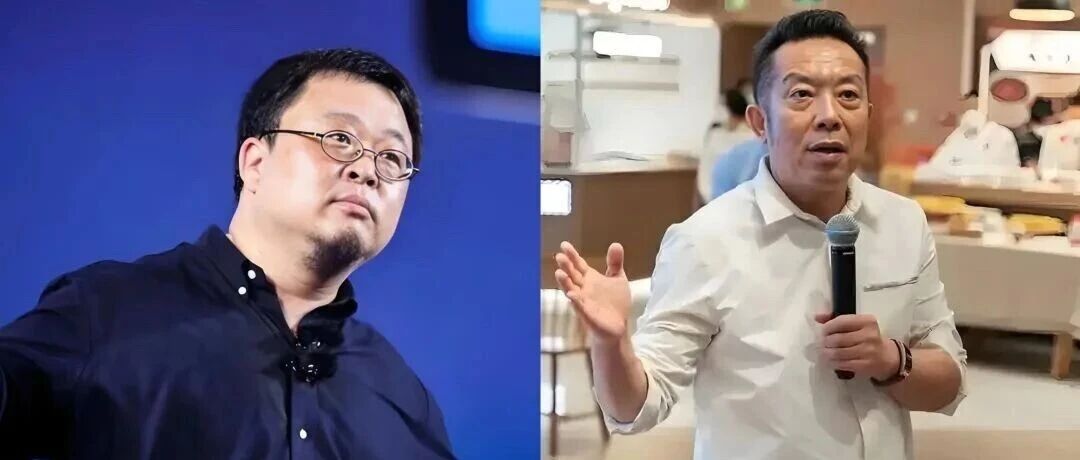
五粮液出资数十亿造车
叫小宋 别叫总· 2025-09-09 03:46
Core Viewpoint - The article discusses the investment and development of Yibin Kaiyi Automobile, highlighting the financial involvement of Wuliangye and the local government's aggressive push for new energy initiatives in Yibin [2][11][12]. Group 1: Investment in Kaiyi Automobile - Wuliangye's total investment in Kaiyi is reported to be in the range of "tens of billions," with some estimates as high as 6.1 billion [3][4]. - Wuliangye initially invested 2.4 billion to acquire Kaiyi from Chery, with subsequent investments contributing to the total [5]. - The acquisition was made by two entities: Yibin Automotive Industry Development Investment Co., Ltd. and Sichuan Yibin Push Group Co., Ltd., with the former being controlled by the Yibin government [6][7]. Group 2: Yibin's New Energy Initiatives - Yibin is noted for its aggressive approach to new energy, with significant investments in lithium battery production led by CATL, which has the largest single-city production capacity globally [13][14][15]. - The city hosts major solar energy companies, including Yingfa Ruineng and Gaojing Solar, both of which have received substantial funding and are involved in public listings [16][19]. - Kaiyi's projected sales for 2024 are 28,000 vehicles, with a target of 250,000 for the entire year of 2025 [23][24]. Group 3: Academic and Research Support - The article mentions the involvement of Ouyang Minggao, a prominent figure in the automotive field, who has established a research station in Yibin, indicating strong academic support for the city's industrial plans [32][41]. - The establishment of the Sichuan New Energy Innovation Center and associated investment funds reflects Yibin's commitment to fostering innovation and attracting talent [42].
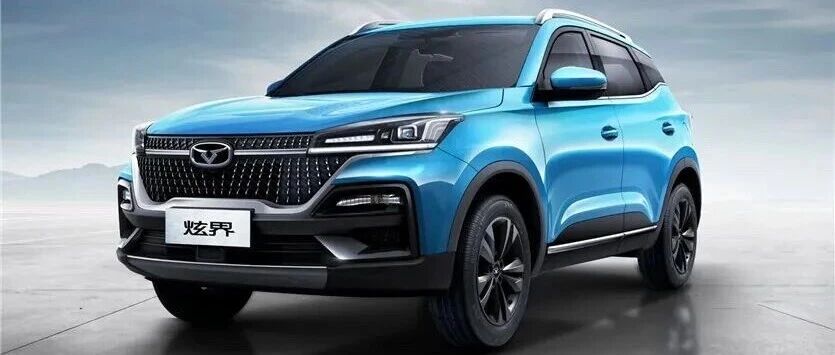
继续聊聊国家集成电路大基金(原创)
叫小宋 别叫总· 2025-09-06 12:46
Investment Strategy - The first phase of the National Integrated Circuit Industry Investment Fund (大基金一期) was established in 2014 with a registered capital of 98.7 billion, and actual funds received were approximately 120 billion [3] - The second phase (大基金二期) was established in 2019 with a registered capital of 204.2 billion, and actual funds received were around 220 billion [3] - Significant investments from both phases were directed towards wafer manufacturing, including companies like SMIC, Hua Hong Semiconductor, and Changjiang Storage [3] - Investments also extended to packaging segments, with companies such as Tongfu Microelectronics and Jiangsu Changjiang Electronics Technology [5] - The strategy focused on addressing the largest gaps in the semiconductor industry, particularly in manufacturing, while also investing in chip design, exemplified by companies like Huawei's HiSilicon [6][7] Management - The management of both phases is handled by Huaxin Investment Management Co., Ltd. (华芯), established in 2014 specifically for managing the fund [9] - The largest shareholder of Huaxin is the National Development Bank, which is also a significant contributor to the fund [9] - In the first phase, the Ministry of Finance was the largest contributor (36%), followed by the National Development Bank (22%), while in the second phase, the Ministry of Finance contributed 11.02% and the National Development Bank 10.78% [10] - The management structure raised questions about the dual role of the National Development Bank as both a manager and a major limited partner, reflecting a high level of trust from the state [10] - The first phase involved collaboration with other semiconductor investment institutions to mitigate risks, while the second phase saw a more mature investment capability with no additional management entities [10][11]
智元收购上纬新材,获得比亚迪、上汽支持
叫小宋 别叫总· 2025-09-05 03:46
Core Viewpoint - The article emphasizes the importance of using platforms like Qichacha to discover valuable information about companies and potential investment opportunities through monitoring changes in corporate structures and ownership [1]. Group 1: Company Acquisitions - Zhiyuan Robotics initiated the acquisition of Shuangwei New Materials, with significant backing from major players like BYD and SAIC Group [3][4]. - The acquisition process highlights the trend of established companies investing in startups to enhance their technological capabilities [3]. Group 2: Investment Trends - Source Code Capital became the largest shareholder of the startup Zhichun Technology, indicating a strategic move into the semiconductor design sector [9][11]. - The article notes that direct acquisitions of startups by investment firms are relatively rare, suggesting a shift in investment strategies within the industry [11]. Group 3: Notable Individuals - Wang Yu, a prominent figure in the AI sector, became the largest shareholder of the startup Wuwen Xinqiong, which is expected to positively impact the AI industry in China [14][16]. - The article discusses the potential future contributions of entrepreneurs like Yao Song, who has left his position at Dongfang Space, hinting at new ventures in the investment landscape [5][7]. Group 4: Corporate Changes and Financing - The article suggests that changes in corporate registration and capital increases can be indicators of financing rounds, which can be tracked through Qichacha [18]. - It raises the possibility that some companies may rely on relocation and structural changes to facilitate funding rather than solely on their operational performance [18]. Group 5: Market Dynamics - The article advises investors to monitor past high-valuation projects for signs of ongoing financing or potential legal issues, which could indicate underlying problems within those companies [20][21]. - It suggests that frequent checks on platforms like Qichacha can help investors maintain realistic expectations and stay informed about their investments [23].
一家百亿估值消费企业的破产
叫小宋 别叫总· 2025-09-02 03:47
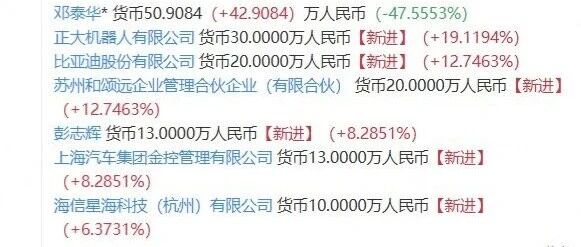
Core Viewpoint - The article discusses the rise and fall of YOHO, a once-prominent consumer brand in China, highlighting the challenges faced by consumer companies in the current market environment and the implications for investment strategies in the sector [1][17]. Financing Information - YOHO's operating entities, Nanjing Xinyuli Cultural Communication Co., Ltd. and Youhuo (Jiangsu) Trading Service Co., Ltd., have collectively raised significant funding, with Xinyuli securing six rounds of financing from top-tier investment institutions [2][7]. - The last disclosed funding round for Xinyuli was in 2018, amounting to $25 million, suggesting a valuation in the tens of billions of RMB [7]. - Youhuo has completed one round of financing, a D round, with a total of $10 million, indicating a valuation close to 100 billion RMB [7][11]. Founders and Business Model - YOHO was founded by Liang Chao, who has a background in media and previously worked as a television program director [13]. - The company was known for its dual focus on media and fashion, collaborating with European designers and hosting events to promote its brand [13][14]. - The flagship store in Nanjing was designed by renowned Japanese designer Masamichi Katayama, reflecting the brand's upscale positioning [14]. Downfall - Since 2020, YOHO has faced increasing legal challenges, and by 2021, reports indicated that the company had run into financial difficulties, with its cash flow collapsing due to high inventory, long payment terms, and low margins [18][19]. - The company, which once had a valuation in the tens of billions, likely needed to generate over 1 billion RMB in revenue to sustain such a valuation [19]. Market Reflection - The article reflects on the luxurious investor backing of YOHO, including prominent firms like CDH Investments and Bertelsmann, and questions the exit strategies of these investors given the company's decline [21]. - A personal anecdote highlights the founder's ability to liquidate shares for personal gain, raising questions about governance and investor oversight during the company's peak [21].