叫小宋 别叫总

Search documents
再来聊聊智元和上纬
叫小宋 别叫总· 2025-08-09 10:33
Core Viewpoint - The acquisition of the listed company, Shangwei New Materials, by Zhiyuan Robotics has attracted significant attention due to its unusual structure and the rapid increase in market value of Shangwei following the announcement of the acquisition [1][3][6]. Summary by Sections Acquisition Details - Zhiyuan Robotics is not directly acquiring Shangwei; instead, two limited partnership entities, Zhiyuan Hengyue and Zhiyuan Xinchuang, are involved in the acquisition [1]. - The acquisition was announced on July 1, with Shangwei's stock being suspended for trading due to control change plans [4]. Market Reaction - Following the resumption of trading on July 9, Shangwei's stock experienced daily limit-up increases until July 30, with multiple instances of one-word boards [5]. - On July 31, trading was suspended again, and upon resuming on August 5, the market capitalization reached 44.6 billion, a significant increase from 3.1 billion on July 1 [6]. Financial Implications - At the time of signing the equity transfer agreement, Shangwei's market value was 3.1 billion, with Zhiyuan planning to invest 941 million. By August 5, the market value had surged to 44.6 billion, resulting in a paper profit of 12.4 billion for Zhiyuan [8]. - This transaction raises questions about whether it constitutes a backdoor listing, as it involves a 29.99% agreement transfer, relinquishing voting rights, and a 37% tender offer [8]. Stakeholder Concerns - There are concerns regarding the potential infringement of the rights of Zhiyuan's existing shareholders, as the two acquisition entities may benefit more quickly than the original shareholders [8]. - The article questions whether existing shareholders were aware of the transaction and if their interests were adequately protected [8]. Broader Implications - The acquisition model may disrupt traditional relationships between shareholders and companies, allowing certain shareholders to benefit from secondary market premiums without direct investment [8]. - Other robotics and low-altitude economy companies may consider similar acquisition strategies in the future [8].


那些正能量的投资人
叫小宋 别叫总· 2025-08-07 03:42
Core Viewpoint - The article emphasizes the importance of providing positive energy and emotional support from investors to entrepreneurs during challenging times, highlighting the role of investors in motivating and encouraging founders to persevere despite difficulties. Group 1: Investor-Entrepreneur Interaction - Founders often express concerns about business performance and challenges in securing clients or funding, while investors recall their initial excitement and commitment to the founders' vision, reinforcing their belief in the potential of the project [2][3][11]. - Investors actively engage in supporting founders by leveraging their resources and networks to help overcome obstacles, such as securing clients or funding for research projects [4][5][13]. - The emotional connection between investors and founders is crucial, as investors express their willingness to wait for the project's success, demonstrating their long-term commitment [16][18]. Group 2: Age and Experience - The article highlights examples of successful entrepreneurs who achieved significant milestones later in life, such as Warren Buffett and Akio Morita, suggesting that age should not be a barrier to success [6][7][9]. - Investors encourage founders who may feel overwhelmed by age or challenges, reminding them that many successful figures have thrived after 60, thus instilling confidence in their potential [6][10][13]. Group 3: Vision and Legacy - Investors challenge founders to think beyond immediate challenges and consider their legacy, urging them to aspire to be influential figures in their industry, similar to renowned entrepreneurs [17][18]. - The narrative emphasizes the importance of perseverance and the long-term vision for the company, encouraging founders to remain committed to their goals despite setbacks [20][21][22].

地方政府lp不仅是爸爸,还是...
叫小宋 别叫总· 2025-08-05 03:47
Core Viewpoint - The article illustrates the extensive modification process of a project report, highlighting how these changes ultimately led to the project's failure to launch [1][23]. Group 1: Project Report Development - The project intention was established, and a detailed report was created to outline its value to the local area [3]. - Initial feedback from the investment manager required the inclusion of existing projects to demonstrate industry chain synergy [4]. - The report underwent multiple revisions, with extensive feedback received in various formats, including voice messages [5][7]. Group 2: Government Review Process - The report was reviewed by multiple departments, leading to numerous questions and required modifications [12][13]. - The secretary's review highlighted formatting issues before the content was even considered, indicating a lack of communication regarding submission standards [14][16]. - After addressing the secretary's comments, the report was finally approved for discussion at the mayor's office, but further internal processes were required [19][22]. Group 3: Project Outcome - The lengthy review and modification process resulted in a significant delay, causing the project to lose momentum and ultimately leading to its abandonment by the project team [24]. - The investment manager inquired about the lack of progress, revealing issues with the project's leadership and decision-making processes [25]. - The conclusion drawn was that such a project, characterized by indecision and excessive revisions, was not worth pursuing [26].

关于科创债的一个梦(原创)
叫小宋 别叫总· 2025-08-01 13:11
Core Viewpoint - The article discusses the challenges faced by investment firms in managing liquidity and funding new projects when capital is tied up in existing investments, and explores potential solutions such as acquiring invested companies and utilizing new financial instruments like science and technology bonds to alleviate funding difficulties [1][10]. Group 1: Liquidity Challenges - Investment firms are experiencing a liquidity crunch as funds are locked in existing projects, making it difficult to invest in new opportunities [1][7]. - The low interest rates on bank loans present a potential solution, but banks prefer tangible assets over equity stakes in invested companies [1][2]. Group 2: Proposed Solutions - One suggested approach is for investment firms to acquire their invested companies, allowing these companies to take loans and return funds to the investment firm [2][3]. - Another strategy involves leveraging state-owned limited partners (LPs) to acquire invested companies, enhancing their creditworthiness and enabling them to issue bonds for funding [3][10]. Group 3: Risk Management - The article highlights the importance of negotiating "contingent agreements" or "drawer agreements" to protect the investment firm's interests, ensuring that if other shareholders have similar agreements, the firm can benefit from the same terms [4][5]. - Continuous monitoring of invested companies' performance is crucial to identify potential triggers for these agreements and act accordingly [3][4]. Group 4: Regulatory Changes - The introduction of science and technology bonds allows investment firms to issue bonds directly, simplifying the fundraising process and reducing reliance on complex and potentially unethical maneuvers [10][11][12]. - This regulatory change is seen as a positive development, instilling greater confidence in the industry and motivating firms to pursue legitimate funding avenues [12].

很严重了,大家勒紧裤腰带过苦日子吧.....
叫小宋 别叫总· 2025-08-01 13:11
Core Viewpoint - The article emphasizes the emerging trend of monetizing audio drama copyrights as a lucrative side business opportunity, particularly in the context of the internet era, where low entry barriers and high potential returns are prevalent [6][7][21]. Group 1: Market Potential - The audio drama copyright monetization is projected to become one of the most profitable projects in the internet sector by 2025, with many ordinary people and office workers still unaware of its existence [7][21]. - The online audio user base in China reached 690 million by 2022, and it is expected to exceed one trillion yuan by 2027, marking it as the next major opportunity in the internet landscape [15][45]. - The market for audio drama copyrights is characterized by a low entry threshold and a significant gap, with many individuals already profiting from it [13][45]. Group 2: Revenue Model - The monetization model involves splitting the IP rights of a work into multiple shares, allowing customers to purchase and co-own the copyright, generating monthly dividends akin to rental income for up to 20 years [14][48]. - The article outlines seven revenue models associated with audio drama copyrights, including platform listening fees, music rights, merchandise sales, and advertising revenue [57]. Group 3: Success Stories - The article shares success stories of individuals who have profited significantly from investing in audio drama copyrights, highlighting cases where investments have led to substantial monthly incomes [19][40]. - It mentions that individuals who invested in popular IPs, such as "The King's Avatar," have seen returns that far exceed traditional employment income [10][30]. Group 4: Industry Support - The "Miyue" brand, which has been in the copyright industry for over 12 years, has established partnerships with numerous companies and has a vast library of over 6,000 quality novel copyrights [33][34]. - The government of Hangzhou has included "Miyue" in its subsidy program to promote the development of the audio-visual industry, indicating strong institutional support for the sector [36].

B轮知名固态电池项目,实质性破产
叫小宋 别叫总· 2025-07-31 04:00
Core Viewpoint - The article discusses the significant challenges faced by Gaon Energy, including the termination of partnerships with two listed companies and the company's financial distress, leading to its classification as "substantially bankrupt" due to a projected revenue of only 19,500 yuan in 2024 against a loss of 17.89 million yuan [1][2]. Group 1 - Gaon Energy's partnerships with Anfu Technology and Lihu Co. have been abruptly terminated, indicating a loss of confidence in the company's viability [1]. - The company's major shareholder's shares have been frozen, reflecting ongoing legal and financial troubles [7]. - The team at Gaon Energy has reportedly been disbanded, further signaling operational collapse [2]. Group 2 - Gaon Energy focuses on the research and development of all-solid-state batteries and solid electrolytes, claiming to have comprehensive production capabilities from material development to cell design [3]. - The founder, Luo Ming, has 15 years of experience in the solid-state battery field and previously led the development of Toyota's sulfide all-solid-state battery technology [5]. - The company established a research center in Japan and formed strategic partnerships with Tokyo University and Tokyo Institute of Technology, becoming the first in China to develop prototype cells in the 1Ah-20Ah range [6]. Group 3 - The company has undergone significant changes, including a relocation from Shenzhen to Zhuhai in March 2022, which raises questions about the motivations behind this move [17][20]. - Local investment from Zhuhai institutions has been minimal, with only 4% ownership at the time of the first round of financing, suggesting a lack of strong local support [22]. - The company has also registered a wholly-owned subsidiary in Longgang District, Shenzhen, in 2023, indicating a potential return to its original base [27][33]. Group 4 - The CTO of Gaon Energy criticized the decision to establish a research center in Shenzhen as a major strategic error, highlighting internal disagreements regarding the company's direction [24]. - The company's history of moving locations and the involvement of various investors from different regions suggest a complex relationship with its operational strategy and funding sources [36][38]. - The article calls for more media attention on the project to uncover the truth and protect the integrity of the primary market [41].
清华背景的知名AI企业
叫小宋 别叫总· 2025-07-29 01:24
Core Viewpoint - The article highlights the significant presence of Tsinghua University alumni in the AI industry, showcasing various companies founded by individuals with Tsinghua backgrounds and emphasizing their contributions to the sector [1][13]. Group 1: AI Infrastructure and Platform Tools - Momenta, founded by Cao Xudong, has a background in engineering mechanics from Tsinghua and shifted focus to AI research [3]. - Lepton AI, founded by Jia Yangqing, has been acquired by NVIDIA, with Jia joining NVIDIA afterward [4]. - Other notable companies include Zhiyu AI, Baichuan Intelligence, and Mingxia, all founded by Tsinghua alumni from the computer science department [4]. Group 2: AI Applications - Companies like Yizhi Technology and Yingfei Network, founded by Tsinghua graduates, are making strides in AI applications [5]. Group 3: AI Chips - Hezhima Intelligent, founded by Shan Jizhang, and Lingxi Technology, with seven out of nine founders from Tsinghua, are key players in the AI chip sector [7]. Group 4: Additional Notable Companies - Other companies include Chaoji Technology, founded by Tu Cunchao, and Jiyuan Technology, founded by Wu Bin, both from Tsinghua's computer science department [12]. - Nexusflow, co-founded by Zhu Banghua and Jiao Jiantao, was acquired by NVIDIA, with Zhu becoming a chief research scientist at NVIDIA [12]. Group 5: Future Aspirations - The article expresses hope for the AI industry in China to achieve independence and global market presence, similar to other sectors [13].

如何装作经常出差
叫小宋 别叫总· 2025-07-26 13:22
Group 1 - The article discusses the differences in airport experiences, particularly focusing on the VIP lounges at Beijing Capital Airport and Daxing Airport, highlighting the overcrowding at the former due to non-elite users [1] - It emphasizes the convenience of using Didi at Daxing Airport, suggesting a specific drop-off point to save time [1] - The article notes that Guangzhou Airport is less affected by typhoons compared to Shenzhen Airport, which is located by the sea [2] Group 2 - The article mentions that in Shanghai, the Didi pickup point at Hongqiao High-Speed Railway Station is inconvenient, recommending a nearby hotel for easier access [3] - It points out that many cities protect local taxi services, making it easier to take taxis from major transport hubs compared to ride-hailing services [3] - For business travelers, it suggests a hotel near Hongqiao Airport for convenience when flying red-eye flights [3] Group 3 - The article provides information on shopping options at Hongqiao Airport, specifically Disney stores located in Terminal 2 [4] - It highlights the presence of Sanrio stores selling Hello Kitty merchandise at various airports, including Beijing and Shanghai [4] - It mentions that traveling from Nanchang to the Yangtze River Delta and Pearl River Delta regions takes about 2-3 hours, allowing for a quick meal before continuing the journey [5] Group 4 - The article notes that direct high-speed trains from Shanghai to Shenzhen can take around 10 hours, suggesting alternatives for quicker travel [6] - It recommends Shandong Airlines and Hainan Airlines for timely arrivals, particularly highlighting Shandong Airlines for its reliability [6] - It clarifies that Tianhe Airport is in Wuhan, not Guangzhou, correcting a common misconception [7]

突然宣布!全体金融投资人狂欢吧!
叫小宋 别叫总· 2025-07-26 13:22
Group 1 - ESG has become a significant trend in the financial and investment sectors, providing opportunities for career transformation and high-paying job offers [1][6][36] - The Shanghai Stock Exchange has introduced a comprehensive ESG policy aiming for 100% ESG report coverage by 2025, indicating a growing demand for ESG-related skills and professionals [4][18][19] - The demand for ESG professionals is increasing as more financial institutions establish dedicated ESG departments and seek candidates with ESG certifications [21][19][33] Group 2 - The implementation of ESG standards is supported by various policies, with a notable increase in job openings related to ESG, showing a growth of over 60% in new ESG positions in the past year [31][33] - Companies are required to enhance their ESG information disclosure quality, which is expected to create a significant talent gap in the ESG field [17][34] - The market potential for ESG information disclosure is substantial, with a need for annual reporting, ensuring stability and continuity in the ESG sector [35] Group 3 - The introduction of the Registered ESG Analyst certification aims to address the shortage of qualified ESG professionals, with a high pass rate and simplified examination process [46][50][56] - Training programs and resources are being developed to equip individuals with the necessary ESG knowledge and skills, facilitating their entry into the ESG job market [45][38][39] - Companies are increasingly recognizing the importance of ESG in their strategic planning and decision-making processes, further driving the demand for ESG expertise [23][15]

本周见面的招呼语:今天赚了没?
叫小宋 别叫总· 2025-07-24 02:14
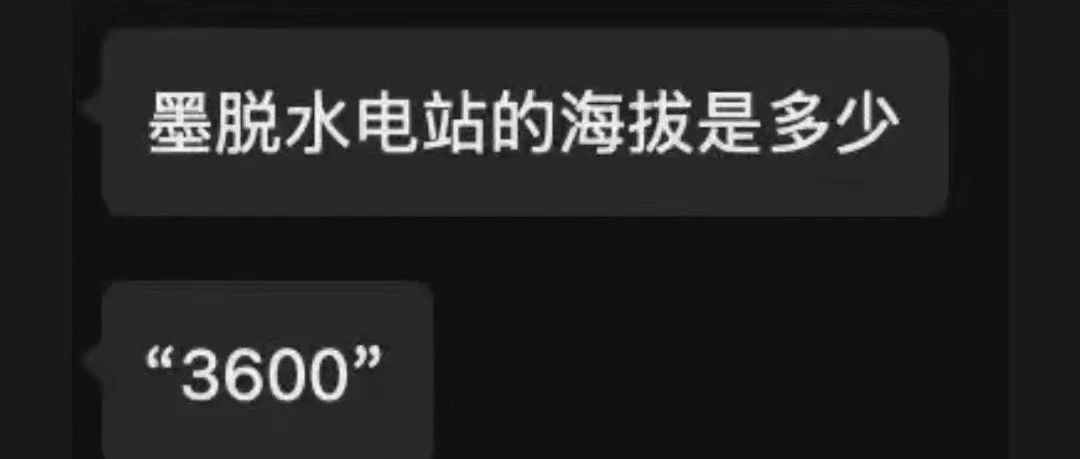
Core Viewpoint - The article discusses the current state of the stock market, highlighting the unusual behavior of investors and the implications of significant infrastructure projects on economic growth and stock performance. Group 1: Market Behavior - Investors are currently engaged in trading activities, with many expressing frustration over not being able to buy stocks [2][3] - The lack of scheduled meetings among partners suggests a collective focus on market movements rather than strategic planning [1] Group 2: Economic Indicators - There is a noted increase in M2 money supply while prices are declining, indicating a disconnect in economic activity [3] - The construction of large infrastructure projects, such as a major hydropower station, is expected to stimulate economic activity and consumer spending [4][6] Group 3: Infrastructure Impact - The hydropower station is projected to generate significant electricity, ranking around 15th globally in terms of annual output [6][7] - The combined output of this station and existing facilities could meet the electricity demands of major cities like Beijing, Shanghai, and Shenzhen [9] Group 4: Stock Market Dynamics - The recent surge in A-shares is attributed to favorable tax conditions compared to Hong Kong and U.S. markets, encouraging capital inflow [12][13] - The stock of companies like Shangwei New Materials has seen unprecedented gains, driven by market speculation rather than fundamental performance [15][17] Group 5: Investment Potential - With a substantial amount of household savings available, even a small portion directed to the stock market could significantly boost indices [21][22] - The article suggests that the upcoming fundraising environment may improve, potentially benefiting various sectors [23]