阿尔法工场研究院

Search documents
前“孝感首富”再融资,旗下“百亿”大洋电机遭专利诉讼
阿尔法工场研究院· 2025-09-26 00:25
Core Viewpoint - The article discusses the challenges faced by Dayang Electric, a leading motor manufacturer, as it seeks to go public in Hong Kong while dealing with a patent lawsuit from competitor Nidec, which casts uncertainty on its overseas operations and IPO process [2][3]. Patent Litigation - Dayang Electric is facing a patent lawsuit in the U.S. from Nidec, claiming that several of Dayang's products infringe on four of its patents [5]. - The lawsuit has been moved to the Eastern District of Missouri, and Dayang's legal counsel believes the risk of an unfavorable outcome is low [5][8]. Customer Dependency - The top five customers of Dayang Electric contribute over 30% of its revenue, indicating an increasing reliance on major clients [3][10]. - Trade receivables have been rising, with amounts recorded from 2.328 billion to 2.886 billion yuan from 2022 to mid-2025, and the turnover days for trade receivables have also increased [10]. Growth Potential - Dayang Electric ranks second globally among HVAC electric drive solution providers and first in China and North America, with nearly half of its revenue coming from overseas markets [3][8]. - The company has been expanding into the robotics sector, establishing a joint research center with Tongji University to advance technology in this area [12][14]. Financial Performance - Dayang Electric's revenue has shown consistent growth, with figures of 10.93 billion, 11.288 billion, 12.113 billion, and 6.241 billion yuan from 2022 to mid-2025 [10]. - The net profit attributable to the parent company has also increased, reflecting a positive trend in financial performance [10]. Debt and Financial Health - As of mid-2025, Dayang Electric has short-term liabilities totaling approximately 6.264 billion yuan, with cash and cash equivalents around 2.6 billion yuan, indicating a significant debt pressure [11]. - The company's net debt has been rising, with an asset-liability ratio of about 34% as of mid-2025 [11]. Market Position and Competition - Dayang Electric is a key player in the HVAC sector, with major domestic clients including Gree and Haier, and international clients like Daikin and Johnson Controls [10][16]. - The electric motor and drive system industry is highly competitive, with significant players like Nidec and WEG, and ongoing pressure from competitors could impact Dayang's market share and profit margins [16].



西贝又整大活了
阿尔法工场研究院· 2025-09-26 00:25
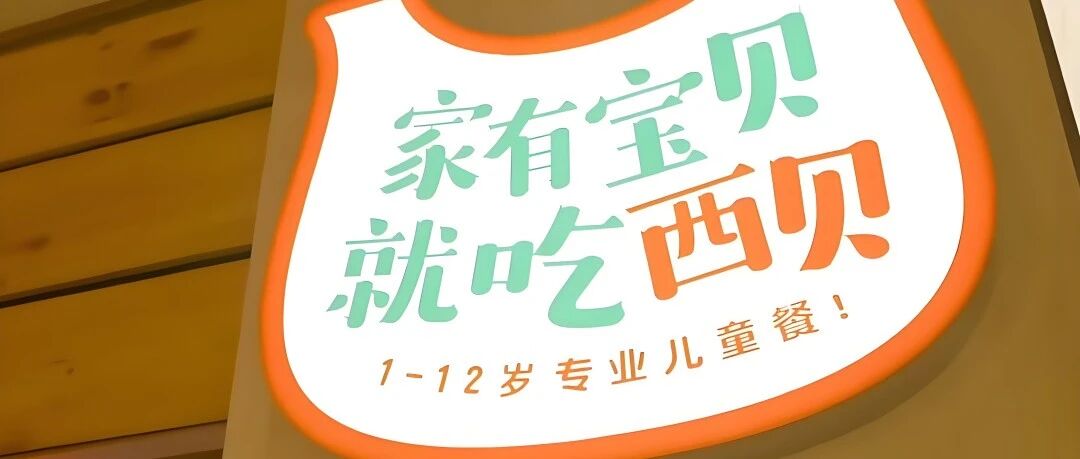
Core Viewpoint - The article highlights the unique customer loyalty and emotional connection that West B (西贝) has cultivated with its young customers, exemplified by a touching story of a child named Mao Mao who is deeply attached to the brand [4][25][30]. Group 1: Customer Loyalty and Emotional Connection - Mao Mao, a 7-year-old, demonstrates intense loyalty to West B, showcasing how emotional ties can influence customer behavior [5][7]. - The article describes a scenario where Mao Mao's emotional reaction to visiting West B illustrates the brand's strong impact on its young patrons [6][8]. - The narrative of another loyal customer, Du, emphasizes how West B has positively influenced her child's eating habits, further solidifying the brand's reputation [20][21]. Group 2: Business Strategy and Marketing - West B's approach to customer engagement is likened to a masterclass in emotional marketing, suggesting that other industries could learn from their methods [27][28]. - The article notes a recent promotional event where West B offered customers a 100 yuan dining voucher, demonstrating a strategic move to enhance customer experience and loyalty [44][45]. - The author contrasts West B's business acumen with that of smaller competitors, highlighting the effectiveness of West B's strategies in generating both revenue and goodwill [53].
这家航空公司持续“内斗”,创始人减持有何意图?
阿尔法工场研究院· 2025-09-26 00:25
Core Viewpoint - The article discusses the internal conflict between the founders of Zhongjian Technology, Yang Yonggang and Wen Yuefang, highlighting their public fallout and its implications for the company's governance and stock performance [4][5][25]. Group 1: Founder Conflict - The conflict between Yang Yonggang and Wen Yuefang escalated in October 2024, leading to a public dispute over company control and governance issues [7][8]. - Wen Yuefang has made multiple stock reductions, including selling 30,000 shares at an average price of 35.23 yuan per share, totaling approximately 1.06 million yuan in cash [4][22]. - The internal strife has not only affected their personal relationship but has also raised concerns about the company's governance structure, as Wen continues to express dissent within the board [18][27]. Group 2: Company Performance - Despite the ongoing conflict, Zhongjian Technology reported a revenue of 812 million yuan in 2024, a year-on-year increase of 45.39%, and a net profit of 356 million yuan, up 23.16% [25]. - In the first half of 2025, the company continued to perform well, achieving a total revenue of 464 million yuan, representing a 59.46% year-on-year growth, and a net profit of 208 million yuan, which is a 99.15% increase [25]. - The company has maintained strong profitability, indicating that the internal disputes have not yet significantly impacted its operational performance [25]. Group 3: Shareholding and Control - As of June 2025, Yang Yonggang and Wen Yuefang hold 2.47% and 2.15% of Zhongjian Technology's shares, respectively, with their combined control over the company reduced to 21.78% after the dissolution of their agreement as concerted actors [19][20]. - The ongoing power struggle has led to a situation where neither founder can unilaterally control the company, complicating decision-making processes [19][28]. - A potential share transfer agreement involving Huatai Investment and Sinopec Capital aims to dilute Wen's influence while introducing a state-owned enterprise as a shareholder, but the internal conflict poses challenges to this transaction [28][29].
环比新增631%,商家入驻潮背后,高德做对了什么?
阿尔法工场研究院· 2025-09-26 00:25
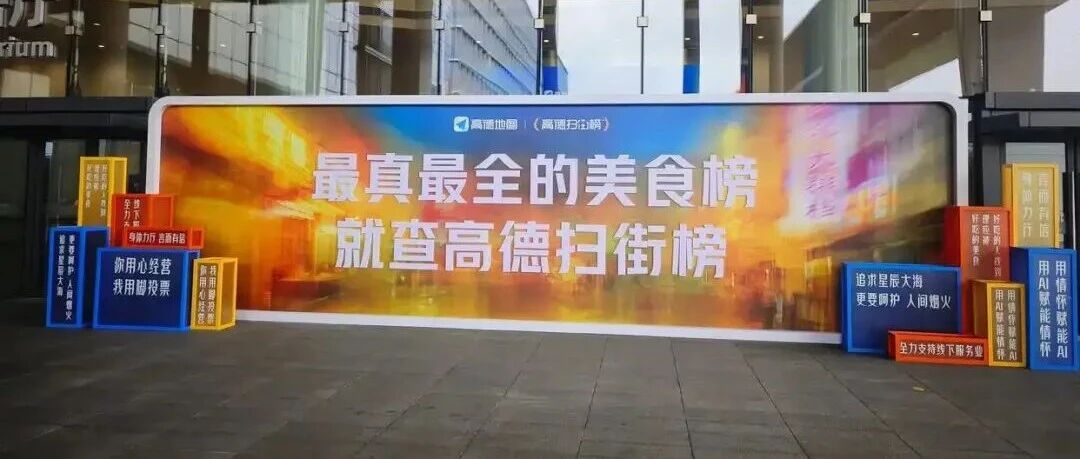
Core Viewpoint - The future of Gaode depends on its ability to transform initial momentum into sustained growth through innovative strategies in the local lifestyle market [2][22]. Group 1: Launch of Gaode's "Street Ranking" - On September 10, Gaode launched the "Street Ranking," a new local business ranking system based on real user behaviors rather than traditional user-generated content [2][4]. - The "Street Ranking" quickly gained traction, with over 40 million users on its first day, making it the largest local lifestyle ranking in China [4][5]. - The ranking system aims to provide an objective and trustworthy consumer guide, countering issues of fake reviews and incentivized ratings prevalent in traditional platforms [10][11]. Group 2: Impact on Local Businesses - The launch of the "Street Ranking" has led to a 631% increase in new restaurant registrations on Gaode, indicating strong interest from local businesses [4][16]. - Gaode's strategy includes waiving the first-year registration fee for restaurants, which is seen as a significant support measure for struggling businesses in the competitive food service industry [13][15]. - The "Street Ranking" has already resulted in a 187% increase in traffic for the first batch of 2,962 small businesses featured on the list [11]. Group 3: Technological and Ecological Support - Gaode's ranking system is supported by a robust technological foundation, leveraging data from 170 million daily active users and integrating with Alipay's credit scoring system [10][19]. - The collaboration within the Alibaba ecosystem enhances the credibility of the rankings by incorporating user credit scores into the evaluation process, thus improving trustworthiness [19][20]. - The synergy between Gaode and Alibaba's resources is expected to drive further growth and support for local businesses, positioning Gaode as a key player in the digital transformation of the food service industry [20][21]. Group 4: Future Implications for the Industry - The success of the "Street Ranking" signals a new phase in the local lifestyle competition, challenging existing players like Meituan [6][22]. - Gaode's approach promotes a shift away from reliance on traffic-driven marketing tactics towards a focus on service quality and consumer trust [24][26]. - The initiative aims to create a positive feedback loop where authentic rankings attract more consumers, leading to increased foot traffic for businesses, which in turn enriches the ranking system [24].

争议中的上海绿捷,“校园团餐背后的资本巨兽”
阿尔法工场研究院· 2025-09-26 00:25
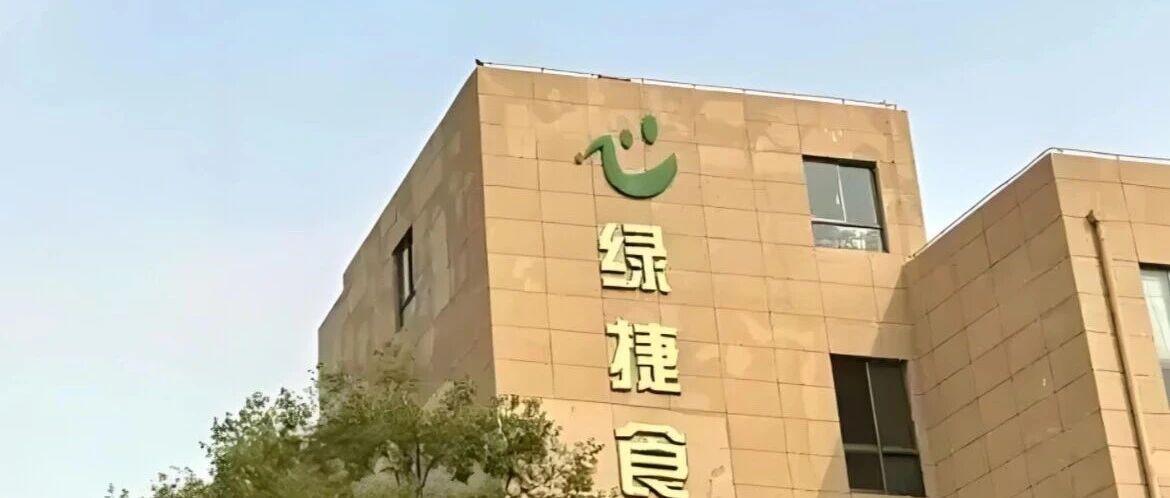
Core Viewpoint - The article discusses the intricate relationship between capital investment and the food service industry, particularly focusing on the case of GreenExpress Foods, Ltd. (Green捷) and its parent company Kilcoy Global Foods (KGF), emphasizing the need for responsible capital management in sectors impacting public health and trust [2][48][49]. Group 1: Company Background - Hosen Capital (Cayman), Ltd. was established in October 2011 as a private equity investment management firm, initially taking minor stakes in various food consumption projects [3]. - In 2013, Hosen made a significant move by acquiring a controlling stake in Kilcoy Pastoral Company, an Australian beef processing firm, which later transformed into KGF [3][4]. - KGF expanded its operations globally, with a notable acquisition of Green捷 in 2018 for $170 million, which specializes in providing meal solutions for schools in Shanghai [3][12]. Group 2: Financial Performance - Green捷 reported a revenue of $84.71 million in 2017, with a gross margin of 24.4% and a net profit margin of 15.7%, showcasing its profitability in the school meal sector [28]. - The company received $952,000 in government subsidies in 2017, contributing to its financial stability [33]. - KGF's overall revenue grew from $1.071 billion in 2018 to $2.195 billion in 2024, indicating significant growth and expansion in its market presence [40]. Group 3: Ownership Structure - KGF's ownership is complex, with major shareholders including Ananta Trust (45.44%) and Hosen Capital (38.95%), indicating a deep connection with New Hope Group and its family trust [21][25]. - The ownership structure involves multiple offshore entities, complicating the transparency of the capital network [23]. - New Hope Group has been instrumental in KGF's growth, leveraging its financial resources and expertise in the food sector [26][27]. Group 4: Market Impact and Challenges - The acquisition of Green捷 has positioned KGF as a significant player in the Chinese meal solutions market, with a reported revenue increase of $38.3 million in just three months post-acquisition [36]. - Despite its profitability, KGF faces scrutiny regarding the quality and safety of its meal solutions, particularly in the context of recent controversies surrounding school meals [12][47]. - The article highlights the importance of balancing capital growth with social responsibility, especially in sectors that directly affect public health [48][49].

上海绿捷为啥能掌控50万学生的校园餐?
阿尔法工场研究院· 2025-09-25 00:04
Core Viewpoint - The article discusses the controversy surrounding Shanghai Green Express, a major player in the school meal market, highlighting issues of food safety, management transparency, and the complex capital structure behind the company [4][5][8]. Group 1: Company Background and Controversy - Shanghai Green Express provides 500,000 meals daily and controls nearly 30% of the school meal market in Shanghai [5][34]. - The company faced backlash from parents due to food safety issues, particularly concerning the quality of shrimp in meals, leading to a police investigation [8][9]. - The company's apology was vague and did not address specific concerns raised by parents [5][8]. Group 2: Management and Ownership Structure - The real decision-maker behind the company is a previously unknown actual controller, Zhang, rather than the publicly listed general manager, Ge [11][12]. - Ge has connections to multiple companies, including those in the food supply chain, raising questions about potential conflicts of interest [14][16]. - The ownership structure involves a Hong Kong company that serves as the sole shareholder, which obscures the true beneficiaries and decision-makers [31][26]. Group 3: Market Position and Financial Dynamics - Green Express has been expanding rapidly, winning numerous contracts and maintaining a strong cash flow due to a prepayment model from parents [34][35]. - The company has a significant market share, providing meals to approximately one-third of Shanghai's 1.82 million school students [33][34]. - The cost structure reveals a discrepancy between the actual meal cost and what parents are charged, raising concerns about transparency and profit margins [36][37].
融通基金“旧时代”谢幕
阿尔法工场研究院· 2025-09-25 00:04
Core Viewpoint - The article discusses the significant personnel changes at Rongtong Fund following the change of its actual controller in 2022, particularly focusing on the departure of veteran fund manager Zou Xi, which marks the end of an era for the company [4][12]. Group 1: Personnel Changes - On September 6, Rongtong Fund announced that fund manager Zou Xi has resigned from managing four funds, indicating his potential departure from the company [5][6]. - Zou Xi has been with Rongtong Fund since its inception in 2001, serving in various roles and managing a peak fund size of 15.7 billion [9][10]. - The departure of Zou Xi is seen as part of a broader trend of high-level personnel changes at Rongtong Fund, which has undergone significant restructuring since the change in its actual controller [12][15]. Group 2: Company Background and Strategy - Following the acquisition of the controlling stake by China Chengtong Holdings Group, Rongtong Fund has shifted its focus to align with the objectives of its new state-owned parent, emphasizing the development of themed index funds related to state-owned enterprises [14][15]. - The company has launched several funds that reflect its new strategy, including various ETFs that cater to the needs of its state-owned shareholders [15]. - The leadership changes at Rongtong Fund, including the resignation of Zou Xi, signal a potential conclusion to the extensive management reshuffling that has occurred since the ownership transition [15].
“电解液一哥”营收缩水百亿,天赐材料流动性承压
阿尔法工场研究院· 2025-09-25 00:04
Core Viewpoint - The article highlights the challenges faced by Tianqi Materials, the global leader in electrolyte production, including a significant decline in cash reserves, ongoing profitability pressure, and the need for an IPO in Hong Kong to address liquidity risks and expand market share [2][3]. Group 1: Liquidity and Financial Performance - Tianqi Materials has seen its cash reserves shrink by 70% over three years, leading to increased borrowing and heightened liquidity pressure [3][12]. - The company's revenue and net profit have been declining since their peak in 2022, with revenue dropping from approximately 22.3 billion yuan in 2022 to about 12.5 billion yuan in 2024, a decrease of nearly 10 billion yuan [10]. - The gross profit has also decreased significantly, from about 8.47 billion yuan in 2022 to approximately 2.36 billion yuan in 2024, with the gross margin falling from 38% to 18.9% [10]. Group 2: Market Position and Client Relationships - Tianqi Materials holds the largest global market share in electrolyte production, with a 35.7% share as of 2024, and has established stable partnerships with eight of the top ten global battery manufacturers [4][7]. - The company has a high customer concentration, with the top five clients accounting for over 70% of revenue in recent years, indicating both strong ties and potential risks related to revenue volatility [5][9]. Group 3: Business Evolution and Strategic Focus - Founded in 2000, Tianqi Materials initially focused on daily chemical products before pivoting to lithium-ion battery materials, establishing a dual business model centered on battery materials and specialty chemicals [6][8]. - The company has been expanding its production capacity and global market presence, with a strategic emphasis on overseas expansion and production capabilities [6][7].


“国产GPU第一股”要来了?摩尔线程IPO未上先火
阿尔法工场研究院· 2025-09-25 00:04
Core Viewpoint - The article highlights the significant developments in the domestic GPU industry, particularly focusing on the upcoming IPO of Moore Threads, which is expected to raise 8 billion yuan and potentially become the first domestic GPU stock [6][17]. Group 1: IPO and Market Reaction - Moore Threads is set to undergo IPO review on September 26, with an expected fundraising of 8 billion yuan, leading to a surge in related concept stocks in the A-share market [6]. - Stocks such as Initial Spirit Information, Yingqu Technology, and Heertai have experienced significant price increases, with some hitting the daily limit up due to their previous investments in Moore Threads [6][17]. - The market's enthusiasm has led other companies to clarify their non-investment in Moore Threads to avoid speculation [6]. Group 2: Industry Background and Growth - The rise of domestic GPU companies like Moore Threads can be traced back to the U.S. sanctions against Chinese tech firms, which created a gap in the high-end GPU market [8][10]. - Moore Threads was founded by Zhang Jianzhong, a former key figure at NVIDIA China, who quickly assembled a team of top talents from various renowned tech companies [8][10]. - The year 2020 marked a pivotal moment for the domestic GPU sector, with numerous financing events indicating a strong investment interest despite the capital-intensive nature of the industry [10][11]. Group 3: Investment Landscape - Moore Threads has secured over seven rounds of financing since its inception, with early investors like Heertai participating in seed funding [14]. - Several listed companies have indirectly invested in Moore Threads, contributing to its equity structure, which has led to notable stock price increases for these companies [15][16]. - The stock prices of companies like Changfei Fiber and ST Huatuo have surged significantly, reflecting the market's optimism surrounding Moore Threads [16]. Group 4: Future Outlook - Despite the excitement surrounding Moore Threads' IPO, the company is still in its investment phase, with cumulative losses projected at approximately 5 billion yuan from 2022 to 2024 [17]. - The article emphasizes the importance of technological breakthroughs and market expansion for the domestic GPU industry, suggesting that a transformative change is on the horizon [17][18].

“杀回”中概,“木头姐”时隔四年重仓阿里
阿尔法工场研究院· 2025-09-25 00:04
Core Viewpoint - Cathie Wood's Ark Investment Management has re-entered a position in Alibaba Group after four years, indicating a renewed interest in the Chinese internet sector, driven by optimism surrounding Alibaba's advancements in artificial intelligence [2][4]. Group 1: Investment Activity - Ark Investment Management purchased approximately $16.3 million worth of Alibaba's American Depositary Receipts (ADRs), marking the first investment in Alibaba since September 2021 [2]. - The stock price of Alibaba's ADRs reached its highest level since November 2021, with a year-to-date increase of nearly 100% [2]. - Earlier this year, Ark began building a position in Baidu, increasing its holdings to approximately $47 million, and has also invested in BYD, Pony AI, and JD Logistics, although these positions are relatively smaller [5]. Group 2: Market Context - The Chinese internet sector faced significant regulatory challenges from 2021 to 2022, leading to a substantial market downturn, which had previously caused Ark to limit its holdings in Chinese internet stocks [4]. - The renewed investment in Alibaba may signal a strategic shift for Ark to increase its exposure to the Chinese market as investor confidence in Alibaba's AI-driven growth potential rises [4]. Group 3: Performance Metrics - Despite a 49% return year-to-date for Ark's flagship fund, the Ark Innovation Fund, it remains in a loss position over a five-year horizon, with a net outflow of $438 million this year [5].