阿尔法工场研究院

Search documents
宗馥莉率先出手,切断杜建英和娃哈哈的利益链
阿尔法工场研究院· 2025-08-18 00:06
Core Viewpoint - The article discusses the ongoing inheritance dispute within the Wahaha Group, focusing on the actions taken by Zong Fuli, the daughter of the late founder Zong Qinghou, in response to the legal challenges posed by her half-siblings and their mother, Du Jianying [5][6][40]. Group 1 - The Hong Kong High Court issued an asset preservation order of $1.799 billion, preventing the defendants from withdrawing or mortgaging related bank account assets until a final ruling is made by the courts in Hangzhou [5][44]. - The inheritance dispute has intensified, with Zong Fuli taking proactive measures, including renaming the Wahaha flagship store on Tmall to "Tongyuan Kang Food Specialty Store," effectively severing ties with the previous management controlled by Du Jianying [10][14][26]. - The rebranding of the store is seen as a strategic move by Zong Fuli to diminish Du Jianying's influence and control over the Wahaha brand during the ongoing legal battle [20][27]. Group 2 - The article highlights the complexities of the inheritance case, revealing that Zong Qinghou had established trusts for his three children with Du Jianying, each valued at $700 million, but the legitimacy of these trusts is now in question due to Zong Fuli's refusal to sign the necessary documents [46][56]. - Zong Fuli's actions, including the closure of 18 factories controlled by Du Jianying and the rebranding of the Tmall store, indicate a significant internal power struggle within the Wahaha Group, aimed at consolidating her authority [29][38]. - The article suggests that while the asset preservation order may seem like a setback for Zong Fuli, she may still hold advantages, including a will that designates her as the sole heir to her father's overseas assets [56][60].


中国恒大“二当家”藏身加拿大,3000万美元豪宅曝光
阿尔法工场研究院· 2025-08-15 00:41
Core Viewpoint - The article reveals that Xia Haijun, the former president of China Evergrande, is residing in a luxury home in Irvine, California, with his family, owning multiple properties valued over $30 million [4][24]. Group 1: Property Details - Xia Haijun has been frequently seen at a property located at 62 Como in Irvine, California, which is valued at approximately $3.2 million and is registered under his wife's name [12][13]. - The family also owns two additional luxury homes: 58 Boulder View, valued at around $7.73 million, and 15 Rim Ridge, valued at approximately $19.3 million [17][20]. - The total estimated value of these three properties exceeds $30 million, with significant appreciation noted since their purchase [22]. Group 2: Legal and Financial Context - Xia Haijun has not disclosed these U.S. assets as required by a Hong Kong court, which has ordered him to reveal his assets in connection with a lawsuit involving approximately $6 billion in claims against him and other executives [24][28]. - The court has previously issued warnings for non-compliance, leading to Xia's eventual disclosure of some assets, but it appears he has omitted the properties in the U.S. [25][26]. - As of July 31, the total debt claims against Evergrande amount to about 350 billion HKD (approximately $45 billion), highlighting the company's ongoing financial struggles [33].
套现美图后,蔡文胜押注香港“新时代”
阿尔法工场研究院· 2025-08-15 00:41
Core Viewpoint - Cai Wensheng has made significant investments in Hong Kong real estate, acquiring properties worth approximately HKD 18.7 billion, signaling a strategic shift towards establishing a startup hub in the city amidst its transformation into a tech innovation center [4][18]. Investment Activities - Cai Wensheng purchased a site on Causeway Bay for HKD 7.5 billion, which is nearly half the price of its previous auction value of HKD 14.5 billion four years ago [5][7]. - The site, previously known as the New An Building, has a total area of approximately 53,888 square feet and is designated for commercial use, allowing for a maximum floor area of about 80,800 square feet [7]. - The acquisition is part of a broader strategy where Cai has spent nearly HKD 20 billion on various properties, including luxury residences and commercial buildings, indicating a diversified investment approach [10][12]. Strategic Vision - The newly acquired property will be renamed "CAI Building" and transformed into an AI-Web3 startup center, featuring AI-themed cafes, shared office spaces, and studios for AI and Web3 projects [11]. - Cai's investments in financial companies, such as acquiring a 35% stake in China Financial Leasing and over 50% in China New Economy Investment, suggest a focus on building a financial platform to support his digital economy ambitions [12][14]. Market Outlook - Cai's actions reflect a strong belief in the long-term potential of the Hong Kong market, driven by favorable policies and a growing talent pool, positioning him to capitalize on emerging opportunities in the digital finance and Web3 sectors [18].

从大赚11亿到净亏近7亿,蓝月亮热衷GMV是“迷药”还是“解药”?
阿尔法工场研究院· 2025-08-15 00:41
Core Viewpoint - Blue Moon, a leading brand in clothing care, is facing significant challenges as its marketing expenses rise sharply while its net profit declines, leading to concerns about its sustainability and profitability in the long run [2][3][5]. Marketing and Financial Performance - Blue Moon has significantly increased its marketing expenses since its IPO in 2020, with marketing costs expected to account for nearly 60% of revenue in 2024, doubling since 2020 [3][7]. - Despite rising revenues, Blue Moon reported a net loss of over 6 billion HKD in 2024, marking its first annual loss, raising questions about its strategy of prioritizing revenue growth over profitability [3][6][7]. - The company's promotional expenses surged to 25.49 billion HKD in 2024, a 156% increase from the previous year, contributing to the erosion of net profit [7][8]. Sales Channels and Revenue Breakdown - In 2024, online sales revenue exceeded 51 billion HKD, accounting for 59.7% of total revenue, marking a significant shift from previous years [8][9]. - The sales performance during promotional events like the "618" shopping festival was notable, with Blue Moon achieving top rankings in various e-commerce platforms, yet this did not translate into profitability [6][10][12]. Competitive Landscape - Blue Moon remains a top player in the clothing care market, but faces intense competition from both international giants like Procter & Gamble and Unilever, as well as emerging local brands [14][15]. - The market has evolved into a multi-category competition, with new product types and brands entering, which poses a risk to Blue Moon's market share [15][16]. Research and Development - Blue Moon has maintained a low investment in research and development, with expenses not exceeding 100 million HKD from 2021 to 2024, indicating a continued focus on marketing over innovation [13][16].

吉林银行90后员工卷走733万,第四大股东正在甩卖3亿股份
阿尔法工场研究院· 2025-08-15 00:41
Core Viewpoint - The article highlights the recurring issue of employee fraud within Jilin Bank, emphasizing the need for stronger internal controls and risk management to prevent such incidents in the future [4][15]. Group 1: Employee Fraud Cases - A recent case involved a 90s-born employee, Zhu Moujie, who defrauded friends and family of 7.33 million yuan through a "high-interest loan" scheme, ultimately leading to a ten-year prison sentence [4][13]. - Zhu's fraudulent activities began in April 2019, where he promised high returns of 2% per week, luring in victims with his bank employee status [7][10]. - The scheme expanded as Zhu created fake documents and communications to build trust, resulting in over 74.6 million yuan being transferred to him by victims [10][12]. Group 2: Jilin Bank's Internal Risks - The repeated occurrence of fraud cases indicates inadequate internal controls and monitoring of employee behavior within Jilin Bank [4][15]. - The bank's internal issues are compounded by significant loans to related parties, with 12.899 billion yuan lent to shareholders and their companies, raising concerns about potential bad debts [22][23]. - The bank's non-performing loan ratio increased to 1.50% in 2024, up from 1.39% in 2023, indicating growing financial risks [22][23]. Group 3: Shareholder Dynamics - Jilin Bank's fourth-largest shareholder, Yatai Group, announced plans to sell 300 million shares due to substantial losses exceeding 11.55 billion yuan over four years [20][21]. - The sale of shares is seen as a desperate measure to recover from financial difficulties, with the bank continuing to provide loans to Yatai Group despite its precarious situation [22][23]. - The bank's aspirations for an IPO have stalled, with ongoing internal and external challenges threatening its operational stability and growth prospects [23].
砸50万美元筛选高智商胚胎,硅谷富豪瞄准“基因优化”
阿尔法工场研究院· 2025-08-14 00:06
Core Viewpoint - The article discusses the rising trend among tech executives in Silicon Valley to invest in finding high-IQ partners and selecting embryos with high intelligence potential, reflecting a deeper elitism and success ideology in the region [2][5]. Group 1: Investment in Intelligence - Tech executives are willing to spend up to $50,000 on new genetic testing services that promise to screen for intelligence at the embryo stage [5]. - High-end matchmaking services charge up to $500,000 to connect tech CEOs with Ivy League graduates, aiming to cultivate "smart children" [5][7]. Group 2: Genetic Screening and Ethical Concerns - The trend of "gene optimization" is seen as a way for wealthy individuals to ensure their children inherit "good genes," raising ethical concerns about fairness and the potential creation of a genetic elite [5][6]. - Companies like Genomic Prediction, Nucleus Genomics, and Herasight offer embryo genetic testing services, with prices ranging from $6,000 to $50,000, indicating a strong demand in the San Francisco Bay Area [7]. Group 3: Societal Acceptance and Implications - In Silicon Valley, there is a high acceptance of using technology to select for intelligence before birth, with elite preschools requiring IQ tests for children [5][6]. - The growing obsession with IQ among the ultra-wealthy and rationalist communities has created a complete ecosystem focused on intelligence prediction and selection [7].

美国39%关税重击瑞士:“中立国模式”还能玩多久?
阿尔法工场研究院· 2025-08-14 00:06
Group 1 - Trump's tariff policy is reshaping global supply chains and investment landscapes, prompting Switzerland to reassess its role in the world [1][2] - Switzerland has been historically viewed as a neutral mediator, but the current geopolitical climate raises questions about the viability of this stance [1][2] - The U.S. has imposed a 39% tariff on Swiss goods, shocking the nation as the U.S. is its largest single export market, with exports including watches, chocolate, pharmaceuticals, and machine tools [4][5] Group 2 - The trade deficit with the U.S. reached $48 billion as of June, primarily due to surging imports of pharmaceuticals and gold [4] - Swiss companies are considering relocating production to neighboring countries due to the high tariffs, with some already planning to shift operations [5][7] - The Gruyère cheese industry, representing 1,600 dairy farmers, anticipates a decline in exports to the U.S., which accounts for one-third of its market [7] Group 3 - The political debate in Switzerland is intensifying regarding whether to strengthen ties with the EU, with a potential public vote on expanding access to the EU single market [9][10] - Analysts suggest that the tariff situation may inadvertently bolster pro-EU sentiments among the Swiss population [10][11] - The historical neutrality of Switzerland is being challenged, especially in light of recent geopolitical events, including the war in Ukraine [8][11]

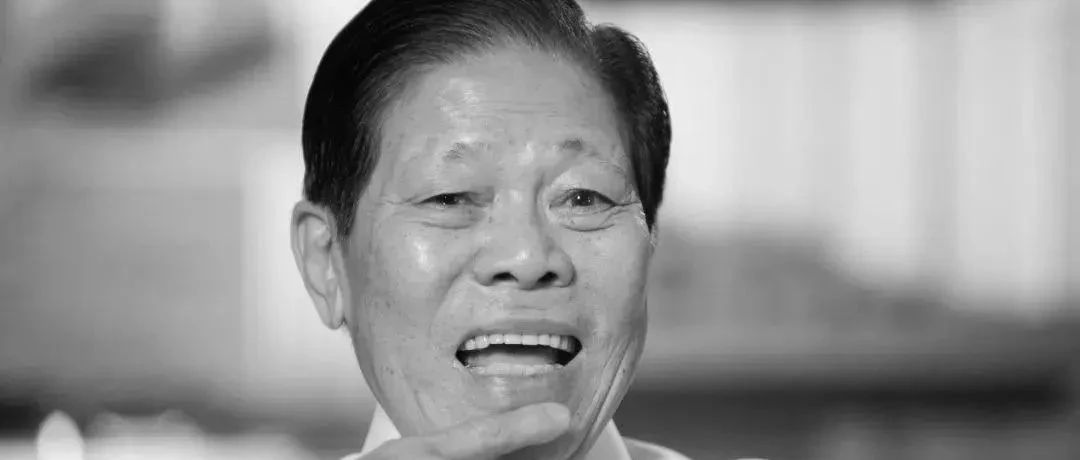
又一位千亿级首富大佬,走了
阿尔法工场研究院· 2025-08-14 00:06
Core Viewpoint - The article discusses the remarkable journey of the Wu Qingliang family in taking control of Nippon Paint Holdings, positioning the new Nippon group as the fourth largest paint company globally, with the potential to surpass AkzoNobel in the near future [4][62]. Group 1: Background of Wu Qingliang - Wu Qingliang, the founder of Nippon Paint, built a significant business empire from scratch, becoming Singapore's richest person with a fortune exceeding 140 billion RMB [5]. - The collaboration between Wu Qingliang and Nippon Paint Holdings dates back to 1950 when he sought to leverage their brand and technology for market expansion in Southeast Asia [9][10]. Group 2: Development of Nippon Paint - Wu Qingliang established the Lihua Group in 1962, gaining a 60% controlling stake, which allowed him to expand rapidly into neighboring Southeast Asian markets [11][12]. - The brand "Nippon" was created in 1990, inspired by the establishment of diplomatic relations between China and Singapore, with Wu Qingliang as the actual owner of the brand [14][15]. Group 3: Shareholding Battles - A power struggle ensued between Wu Qingliang's family and Nippon Paint Holdings, with significant moves made by both sides to gain control over the joint ventures [16][18]. - By 2020, Wu Qingliang's family secured over 50% of Nippon Paint Holdings, effectively gaining absolute control and elevating the company's global ranking in the paint industry [24][25]. Group 4: Financial Performance and Future Outlook - In 2021, the Nippon group reported revenues of $8.642 billion, ranking fourth in the industry, with a narrowing gap of less than $2 billion from AkzoNobel [62]. - The article suggests that with the current growth trajectory, Nippon Paint is likely to surpass AkzoNobel within the next couple of years, solidifying its position among the top three paint companies globally [62].
过半营收依赖“石化基因”,胜软科技凸显现金流“隐忧”
阿尔法工场研究院· 2025-08-14 00:06
Core Viewpoint - Shengruan Technology, despite its independence from Sinopec, still relies heavily on Sinopec for over half of its revenue, facing scrutiny over financial compliance as it pursues an IPO [2][3][7]. Group 1: Customer Dependency - Shengruan Technology ranks high in the smart energy solutions market, but from 2022 to 2024, Sinopec contributed over 50% of its revenue each year, with the top five customers accounting for over 70% of total revenue [3][19]. - The revenue contribution from Sinopec for the years 2022, 2023, and 2024 was 64.9%, 51.4%, and 51.6% respectively, indicating a persistent reliance on a single major client [20]. Group 2: Financial Governance Concerns - The company has faced multiple accounting errors and audit changes from 2021 to 2023, leading to regulatory warnings, and the Beijing Stock Exchange has raised concerns about the compliance of gross margin and revenue recognition [4][11]. - Shengruan Technology has changed its accounting firm multiple times, which has raised questions about its financial management practices [11]. Group 3: Cash Flow and Debt Pressure - Accounts receivable have risen to several hundred million yuan, with a cash flow crunch evident as the average collection period for receivables reached 1,663 days [5][20]. - By early 2025, the company is projected to have only about 67 million yuan in cash, insufficient to cover short-term liabilities of 233 million yuan [6]. Group 4: Market Position and Financial Performance - Shengruan Technology is the second-largest independent player in China's smart energy solutions market, with a market share of 2.3% in 2024, and is the only independent service provider among the top five in the smart oilfield solutions market, holding a 1.9% market share [14][15]. - The company's revenue for 2022, 2023, and 2024 was 391 million yuan, 502 million yuan, and 525 million yuan respectively, showing a significant slowdown in growth from 28.4% in 2023 to approximately 4.7% [16][17]. Group 5: Structural Issues - The company’s total assets and liabilities have shown fluctuations, with total assets at 685 million yuan and total liabilities at 353 million yuan in 2024, resulting in a debt-to-asset ratio of 51.6% [18]. - The high concentration of revenue from a few clients and the slow expansion of new business lines pose significant risks to the company's financial stability [21].

亚洲家办加码黄金
阿尔法工场研究院· 2025-08-13 00:05
Core Viewpoint - In the ultra-high-net-worth investment sector, there is a shift from passive gold holdings to active participation in physical gold trading among wealthy families in Asia, driven by rising gold prices and a desire for more direct involvement in the market [2][3][4]. Group 1: Investment Strategies - Some family offices are bypassing intermediaries and engaging directly in gold trading, providing financing, transportation, and resale services [3]. - Cavendish Investment Corp has allocated about one-third of its investment portfolio to physical gold trading, moving beyond traditional index-tracking funds [3]. - Wealthy families are exploring gold leasing, earning returns of 3% to 4% by lending their physical gold to local jewelers [7][10]. Group 2: Market Dynamics - Gold demand has surged due to geopolitical tensions, inflation, and central bank policy missteps, with gold prices rising nearly 30% this year [4][5]. - A survey by HSBC indicates that the allocation of gold among wealthy investors in Hong Kong has more than doubled within a year, while mainland China's allocation increased from 7% to 15% [4]. - The current market is characterized as a seller's market, with expectations of continued price increases, as indicated by forecasts from Deutsche Bank and Goldman Sachs [8][14]. Group 3: Regional Insights - Asian families have a deeper cultural understanding of gold, viewing it as a business opportunity rather than just an investment [7]. - The Hong Kong gold market is supported by mainland China, with the establishment of an offshore gold vault to facilitate global transactions [9]. - Compliance issues exist, as only two refineries in Hong Kong are LBMA certified, which may complicate sourcing gold from regions like Kenya [9]. Group 4: Profitability and Risks - Cavendish and its partners can earn a premium of 5% to 10% on each round trip of gold transportation [15]. - There are concerns that the current gold price surge may not be sustainable, potentially affecting demand from price-sensitive buyers in major markets like China and India [13][14]. - The profitability of gold trading is attracting more participants, with expectations of increased competition in the market [16].