阿尔法工场研究院

Search documents
七旬董事长遭留置,万通发展又“变天”
阿尔法工场研究院· 2025-08-20 00:04
Core Viewpoint - The sudden detention of Wang Yihui, the chairman of Wantong Development, has created significant uncertainty for the company, which is currently undergoing a challenging transformation while facing regulatory scrutiny and financial losses [3][4][7]. Group 1: Company Background and Leadership Changes - Wantong Development, founded in 1991, is a significant player in China's real estate market, with its leadership historically linked to various sectors [9][10]. - Wang Yihui, who took control of the company in 2016, has been pivotal in its strategic shift from real estate to other sectors, including technology [11][12]. - Following Wang's detention on August 18, 2023, the board appointed Qian Jinzhu, the CEO, to assume the chairman's responsibilities, indicating a rapid response to the leadership crisis [4][8]. Group 2: Financial Performance and Transformation Efforts - Wantong Development has struggled financially, reporting losses of 330 million yuan in 2023 and an anticipated 498 million yuan in 2024, with further losses expected in the first half of 2025 [12][13]. - Despite attempts to diversify into sectors like tourism, new energy, and financial services, over 99% of the company's revenue still relies on real estate sales and rentals [13]. - The company announced a controversial acquisition of a 62.98% stake in the loss-making chip company Shudu Technology for 854 million yuan, raising questions about the rationale behind such a move amid ongoing losses [15][17]. Group 3: Market Reaction and Investor Sentiment - Following the announcement of the acquisition, Wantong Development's stock surged by 72% within days, but the news of the chairman's detention led to a dramatic drop, making it the only stock to hit the daily limit down on that day [19][20]. - The stock's volatility has left approximately 68,600 shareholders anxious, with significant capital outflows exceeding 8.4 billion yuan in just two trading days [20]. - The company has committed to continuing its transformation strategy despite the challenges posed by leadership changes and regulatory scrutiny [20][21].



AI医疗与创新药齐热,京东健康在押什么注?
阿尔法工场研究院· 2025-08-19 06:47
Core Viewpoint - The article discusses the emergence of leading players in the healthcare sector as the hype subsides and the market stabilizes, particularly focusing on the growth of innovative drugs and AI healthcare in China [1][2][3]. Group 1: Market Trends - In the first half of the year, Chinese A/H share innovative drug companies saw stock prices rise by 78%, while some AI healthcare stocks experienced gains exceeding 100% [3]. - The healthcare sector is experiencing a resurgence, reminiscent of the internet healthcare boom over a decade ago, but with a more serious and sustainable approach [4][5]. Group 2: Company Performance - JD Health reported a revenue of 35.29 billion yuan for the first half of the year, marking a 24.5% year-on-year increase, with active user numbers surpassing 200 million [6][7]. - The company achieved a gross profit of 8.89 billion yuan, reflecting a 32.7% increase, and operating profit surged by 105.5% to 2.13 billion yuan [7]. Group 3: Industry Dynamics - The healthcare industry is expected to undergo a cooling period, with predictions of a more stable growth trajectory following a previous surge in 2019-2020 [9][10]. - In 2025, healthcare is positioned as a key focus area in policy frameworks, with initiatives aimed at promoting the integration of medical services and innovative healthcare models [11]. Group 4: Competitive Advantages - JD Health's competitive edge lies in its robust supply chain and comprehensive service offerings, including a one-stop solution for medication, diagnostics, and treatment [15][24]. - The company has established itself as a leader in the innovative drug market, launching over 30 new drugs in the first half of 2025, and has expanded its online pharmacy network significantly [22][23]. Group 5: AI Integration - JD Health is at the forefront of AI healthcare, having launched its AI triage and prescription review solutions as early as 2019, and has since developed a comprehensive AI product matrix [29][30]. - The introduction of AI-driven digital twins of doctors has significantly improved consultation efficiency, serving over 50 million users by mid-2025 [31].
零跑“领跑”小鹏和理想,靠的是什么?
阿尔法工场研究院· 2025-08-19 06:47
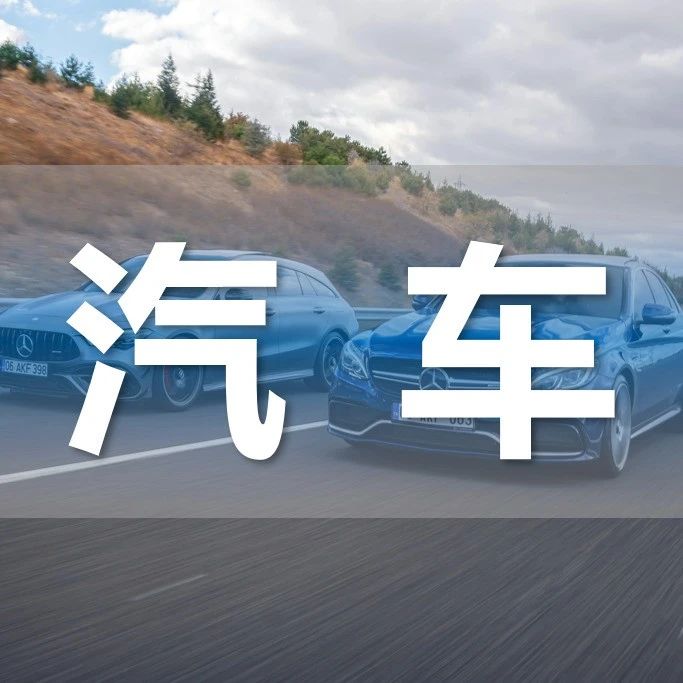
Core Viewpoint - Leap Motor has significantly increased its stock price by over 200% since August last year, and is expected to achieve its first annual profit [2][3]. Group 1: Company Performance - Leap Motor's stock has doubled since January this year, outperforming competitors like Xpeng Motors and Xiaomi, and has risen from a low of 19.54 HKD to 65.40 HKD [5]. - The company has raised its sales target for 2025 from approximately 290,000 units to 500,000 units, indicating strong growth potential [3][5]. - Leap Motor's competitive pricing strategy, supported by about 70% vertical integration, allows it to offer large vehicles at mass-market prices [3][6]. Group 2: Market Position and Strategy - The company has positioned itself as a more affordable alternative to Li Auto, focusing on in-house production of electrical components to reduce costs [5][6]. - Leap Motor's C11 SUV, launched in late 2020, has a starting price of 148,800 RMB (approximately 20,700 USD), significantly lower than Li Auto's L6 SUV starting at 249,800 RMB [6]. - The recent economic slowdown in China has led consumers to prioritize cost, benefiting Leap Motor's mass-market positioning [9]. Group 3: Future Prospects - Analysts predict that Leap Motor will achieve a profit of 558 million RMB by 2025, with upcoming half-year results expected to provide insights into its progress [9]. - The joint venture with Stellantis, announced at the end of 2023, is anticipated to be a significant growth driver, allowing Leap Motor to expand its global presence [9][10]. - Leap Motor's export growth and software monetization are seen as potential catalysts for its transformation into a scalable global electric vehicle brand [10].
向下扎根 向上突破,老字号白酒要讲新故事
阿尔法工场研究院· 2025-08-19 06:47
Core Viewpoint - The company reported a revenue of 14.796 billion yuan and a net profit attributable to shareholders of 4.344 billion yuan for the first half of 2025, indicating a focus on sustainable development amidst a complex external environment and market competition [1]. Group 1 - The company is committed to long-term and rational development, focusing on its core business [1]. - Continuous efforts are being made in product quality enhancement, brand improvement, channel expansion, and basic management [1]. - The company aims to accumulate sustainable development momentum through these initiatives [1].


“汽车座舱二哥”现金流告急,均胜电子再融资
阿尔法工场研究院· 2025-08-19 06:47
Core Viewpoint - Junsheng Electronics, known as the "Merger King," is striving for a listing on the Hong Kong Stock Exchange, facing challenges such as high debt levels, profit pressure, and high customer concentration while being a leader in the smart cockpit domain control and automotive passive safety sectors [1][5]. Financial Risks - The asset-liability ratio of Junsheng Electronics is close to 70%, with short-term debts amounting to approximately 8.8 billion yuan, leading to significant repayment pressure [2][15]. - The company has faced scrutiny over the improper use of raised funds, raising compliance concerns [3][11]. - The goodwill risk remains significant, with accumulated goodwill from previous acquisitions reaching approximately 7.216 billion yuan, accounting for 11.25% of total assets [4][19]. Business Overview - Junsheng Electronics is attempting to open new financing avenues through an A+H share structure, with plans to raise funds for debt repayment, working capital, and technological development [5][20]. - The company has maintained stable revenue growth, with projected revenues increasing from 49.793 billion yuan in 2022 to 55.864 billion yuan in 2024, reflecting a compound annual growth rate of 5.9% [14]. Customer Concentration - In 2024, revenue from the top five customers totaled 26.614 billion yuan, accounting for 48% of total revenue, with the largest customer contributing 13.174 billion yuan, or 23.6% [16][18]. - The high concentration of customers poses risks, as fluctuations in demand from a single customer can significantly impact overall performance [16][20]. Goodwill and Compliance Issues - The company has faced compliance issues regarding the use of raised funds, which could undermine investor confidence in future financing [11][20]. - Past acquisitions have led to goodwill impairments, with a notable 2.02 billion yuan impairment recorded in 2021 due to underperformance of acquired entities [19]. Market Position and Competitive Landscape - Junsheng Electronics ranks as the second-largest supplier of automotive safety systems in China and globally, with a strong global presence and competitive advantages in product quality, reliability, and customer service [6][20]. - The automotive parts industry is highly competitive, with the top three suppliers in the global passive safety market accounting for approximately 91.9% of the total market size [20].

印度富豪悄悄入股中国电池公司
阿尔法工场研究院· 2025-08-19 06:47
Core Viewpoint - A group of Indian conglomerates is seeking low-profile collaborations with Chinese companies in the electric vehicle and battery sectors, aiming to leverage China's mature and cost-effective technologies as bilateral relations improve [2][3]. Group 1: Indian Conglomerates and Collaborations - Major Indian firms, including Adani Group, Reliance Industries, and JSW Group, are in discussions with Chinese renewable energy leaders for technology transfer in electric vehicles and battery production [2]. - Gautam Adani has visited China and engaged in talks with major battery manufacturers like CATL and BYD, although Adani Group denies any ongoing discussions with BYD [3]. - JSW Group has signed an agreement with Chery Automobile for component and technology support in the new energy vehicle sector [3]. Group 2: Reliance Industries' Strategy - Reliance Industries, led by Mukesh Ambani, is exploring investments in Chinese battery technology firms to enhance its fuel cell and battery manufacturing capabilities [5]. - Indian conglomerates lacking experience in battery storage and clean transportation are increasingly reliant on Chinese technology to enter these new business areas [5]. Group 3: Regulatory and Market Dynamics - Indian companies often navigate regulatory restrictions by engaging with Chinese firms through subsidiaries in Singapore, Vietnam, or Hong Kong, which may include technology transfer clauses [5]. - The thawing of bilateral relations may lead to more transparent collaborations, as evidenced by recent diplomatic developments [5]. Group 4: Market Access and Competition - Chinese companies are likely to seek greater access to the Indian market in exchange for technology cooperation, given India's large consumer base of 1.4 billion people [7]. - The Indian government has historically been protective of local industries, particularly in the automotive sector, complicating the entry of Chinese firms [7]. Group 5: Supply Chain and Manufacturing Challenges - Indian companies face challenges in scaling up lithium-ion battery production, an area where China excels, making partnerships essential for stable supply chains [10]. - Analysts emphasize the importance of establishing long-term relationships with Chinese firms to secure critical component supplies for the expanding electric vehicle market [10].
狂拒20位人类司机后,我终于坐上了“无人车”
阿尔法工场研究院· 2025-08-19 06:47
Core Viewpoint - Uber is expanding its autonomous vehicle services in multiple cities, including Atlanta, to compete with rivals like Tesla and Lyft, as consumer interest in self-driving cars grows [1][5]. Group 1: Uber's Autonomous Vehicle Services - Uber has started offering rides in Waymo's autonomous vehicles in Atlanta since June, allowing users to opt for self-driving cars [1]. - Users have reported needing to cancel multiple human driver requests to successfully match with a Waymo autonomous vehicle, indicating a growing demand for this service [1][3]. - Uber's spokesperson mentioned that the fleet of autonomous vehicles in Atlanta will increase to "hundreds" in the coming years, with dozens currently operational [5]. Group 2: User Experience and Preferences - Users like Nate Galesich have taken numerous rides in Waymo's autonomous vehicles, with some reporting an average of 35 rides since the service began [1][2]. - The rides are typically short, averaging 4 miles and costing under $12, primarily on city streets rather than highways [5]. - Users are encouraged to avoid peak hours and select non-highway routes to increase their chances of matching with an autonomous vehicle [5]. Group 3: Public Perception and Concerns - Despite the growing interest, many potential passengers still express safety concerns regarding autonomous vehicles, influenced by negative news about accidents [6]. - A survey indicated that 17% of Americans are unwilling to use fully or semi-autonomous vehicles, although urban residents show more openness to trying them [6]. - Galesich believes that acceptance of autonomous vehicles will grow over time, similar to the gradual adoption of smartphones after the launch of the iPhone [6].

看看澳洲女首富是如何投美股的?
阿尔法工场研究院· 2025-08-18 00:06
Core Insights - Gina Rinehart, Australia's wealthiest woman, has increased her investments in various sectors, including Trump's media company and major mining resources, with a net worth of $27 billion [2][3] Investment Portfolio - Rinehart's U.S. stock and ETF portfolio grew by over $600 million in Q2, reaching approximately $3.1 billion in value as of June 30 [2] - She increased her stake in Trump's media company, Trump Media & Technology Group, by 67% during Q2 [2] - Rinehart holds a 7.8% stake in MP Materials Corp., the largest rare earth producer in the U.S. [2] Market Reactions - Following the U.S. Department of Defense's announcement of a $400 million investment in MP Materials, the company's stock surged by 70%, increasing Rinehart's holdings to over $1 billion [3] Additional Investments - Rinehart has also invested in Teck Resources Ltd. and holds a 3.7% stake in Hudbay Minerals Inc., which focuses on copper, gold, and silver production [3] - Other investments include NexGen Energy Ltd. (uranium exploration), Dell Technologies, and Nvidia [3]
巴菲特最后一笔投资
阿尔法工场研究院· 2025-08-18 00:06
Core Viewpoint - Berkshire Hathaway's cash reserves have increased to $344 billion, surpassing the market value of Coca-Cola, indicating a strategic shift in investment focus towards the healthcare sector as Warren Buffett approaches retirement [1][3]. Group 1: Investment Activities - Berkshire Hathaway purchased approximately 5 million shares of UnitedHealth Group, valued at around $1.6 billion as of June 30, reflecting Buffett's belief that the stock was undervalued following a significant price drop [1][2]. - The company reduced its stake in Apple by 7% to 280 million shares, with a market value of $57 billion, having sold over two-thirds of its holdings since the beginning of 2024 [2]. - New positions were disclosed in Lamar Advertising and Allegion, while increasing stakes in Chevron, Constellation Brands, and Domino's Pizza [2][3]. Group 2: Market Reactions - Following the announcement of Buffett's investment in UnitedHealth, the stock price surged over 10% in after-hours trading, demonstrating the market's trust in Buffett's investment decisions [1][2]. Group 3: Financial Performance - Berkshire Hathaway reported a net sale of $3 billion in stocks last quarter, with purchases totaling $3.9 billion and sales reaching $6.9 billion, marking the 11th consecutive quarter as a net seller of stocks [3].


寿险掉队,资管狂奔,华泰保险的非对称之道
阿尔法工场研究院· 2025-08-18 00:06
Core Viewpoint - Huatai Life Insurance achieved profitability in 2024 primarily through strong performance in its asset management business, which has become increasingly critical for the company's financial health [4][10]. Group 1: Management Changes and External Influence - Huatai Insurance Group is entering a crucial phase under the dual pressures of foreign control and performance commitments, with the appointment of Niu Zengliang as the new general manager of Huatai Life Insurance [5][7]. - Niu Zengliang's extensive experience in various insurance companies and his alignment with the risk control culture of the foreign shareholder, Chubb Insurance, are expected to drive strategic coordination between Huatai Life and its parent company [5][7]. - Chubb Insurance has increased its stake in Huatai Insurance Group to over 85%, making it the first domestic insurance group to transition from Chinese to foreign control [5][7]. Group 2: Asset Management Business Dynamics - Huatai Life Insurance's profitability is increasingly reliant on its asset management segment, which has seen significant growth, with investment income reaching 2.192 billion yuan in 2024, a year-on-year increase of 984 million yuan [10][11]. - The asset management division has expanded its third-party business significantly, with its management scale surpassing 900 billion yuan in 2024, indicating a shift towards a model resembling an asset management company with insurance licenses [10][12]. - The company has faced challenges, including a compliance scandal involving a former investment manager, which highlighted risks in its aggressive growth strategy [8][9]. Group 3: Future Challenges and Strategic Goals - The company aims to achieve an asset management scale of over 1 trillion yuan by 2025, with approximately 20% of its assets in equity, amidst increasing regulatory scrutiny and market volatility [15][16]. - The transition to a fully foreign-controlled structure may complicate investment decision-making, as the integration of foreign governance practices with local market realities presents unique challenges [21]. - The success of Huatai Insurance Group in 2025 will hinge on stabilizing returns from its asset management segment while navigating the complexities of foreign and local governance dynamics, regulatory pressures, and market uncertainties [21].