QYResearch

Search documents
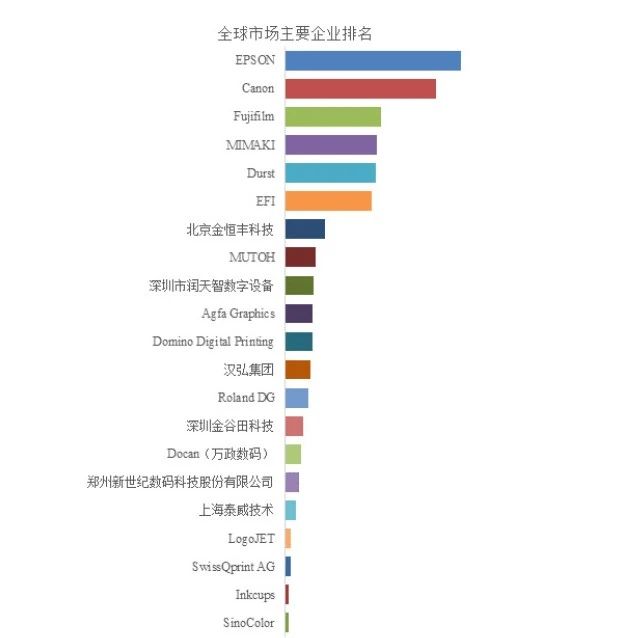
全球UV打印机市场前10强生产商排名及市场占有率
QYResearch· 2025-08-05 09:20
Core Viewpoint - The UV printer market is expected to reach a size of $2.06 billion by 2031, with a compound annual growth rate (CAGR) of 5.5% in the coming years [1][4]. Group 1: Technology and Advantages - UV printers utilize UV-curable inks instead of traditional solvent-based inks, allowing for faster drying times and producing more vibrant colors and clearer images [1]. - The technology is characterized by high precision, strong adhesion, and durability, making it suitable for various materials [1]. - UV inkjet printing is an emerging technology that offers advantages over traditional printing methods, such as no need for plates, non-contact printing, shorter production cycles, and the ability to print variable data [7]. Group 2: Market Dynamics - The global UV printer market is dominated by major manufacturers such as EPSON, Canon, Fujifilm, MIMAKI, and Durst, which collectively hold approximately 51.0% of the market share as of 2024 [4]. - The demand for personalized and immediate fulfillment from consumers is increasing, driven by the mobile internet and e-commerce [8]. - The printing industry is evolving from mass production to a model that emphasizes small batches, zero inventory, and quick turnaround times, necessitating the integration of internet technologies for efficient demand analysis and supply [9]. Group 3: Application Expansion - UV printing technology is expanding into various downstream applications, including advertising, textiles, packaging, ceramics, labels, PCB, and digital publishing [10]. - The continuous expansion of application fields is expected to drive industry growth [10].

全球CMOS数字隔离器行业总体规模、主要企业国内外市场占有率及排名
QYResearch· 2025-08-05 09:20
Core Viewpoint - The CMOS digital isolator industry is experiencing rapid growth and technological innovation, driven by the increasing demand for signal isolation and system protection in various applications such as industrial automation, medical devices, and automotive electronics [2][4]. Industry Overview - The CMOS digital isolator market is projected to grow from $579 million in 2024 to $1.228 billion by 2031, with a compound annual growth rate (CAGR) of 10.85% from 2025 to 2031 [4]. - The Chinese market is expected to grow from $201 million in 2024, accounting for approximately 34.66% of the global market, to $532 million by 2031, increasing its share to 43.34% [4]. - China and Taiwan are significant production regions, with market shares of 45.14% and 32.74% respectively in 2024, and China's share is expected to reach 55.35% by 2031 [4]. Technological Development - Capacitive coupling isolation architecture based on CMOS technology has become mainstream, with continuous improvements in common-mode transient immunity (CMTI), transmission consistency, and temperature characteristics [5]. - Multi-channel digital isolators are gaining importance, projected to account for 94.55% of the market share by 2031 [5]. - The industrial automation sector is expected to hold approximately 31.16% of the market share in 2024, with a CAGR of about 11.39% in the coming years [5]. Market Dynamics - Major players in the international market include companies like SiTime, Broadcom, Texas Instruments, Analog Devices, and Infineon, which collectively hold about 57.52% of the market share in 2024 [5]. - In the domestic market, leading companies such as Naxin Microelectronics, Shanghai Chuantu Microelectronics, and Analog Devices account for approximately 66.46% of the market share in 2024 [5]. Future Directions - Companies are focusing on differentiated competition and ecosystem layout, with leading firms enhancing certification systems and key application scenarios, while smaller firms target niche markets with customized solutions [6]. - The evolution of the global supply chain and the emphasis on localized production and supply chain security are becoming critical focal points in the digital isolation sector [6]. Industry Characteristics - CMOS digital isolators are gradually replacing traditional optocouplers due to their superior performance in speed, lifespan, and anti-interference capabilities [8]. - The trend towards miniaturization and high integration is evident, with CMOS digital isolators requiring less board space and allowing for multiple signal channels [9]. - High reliability and longevity are key advantages of CMOS technology, making these isolators suitable for demanding environments [10]. Market Acceptance and Cost Trends - The cost of digital isolators is decreasing due to mature manufacturing processes, making them competitive with high-performance optocouplers [11]. - The growing acceptance of digital isolation solutions in various markets, including industrial control and medical devices, is driving widespread adoption [11]. Influencing Factors - The continuous maturation of CMOS technology is enhancing the performance and yield of digital isolators, supporting their development [12]. - The increasing demand for high-end applications in electric vehicles, industrial automation, and medical electronics is expanding the market space for CMOS digital isolators [13]. - The limitations of traditional optocouplers, such as temperature drift and slow transmission speeds, are accelerating the shift towards digital isolation technologies [14]. Challenges - Market awareness of digital isolators is still developing, with some customers remaining loyal to optocouplers, which may slow the adoption rate [16]. - The high technical barriers and long R&D cycles associated with digital isolation technology pose challenges for new entrants [17]. - Price competition remains a concern, particularly in low-end markets where digital isolators may still be perceived as more expensive than optocouplers [18]. - Domestic manufacturers face challenges in technology accumulation and certification compared to established international players [19].

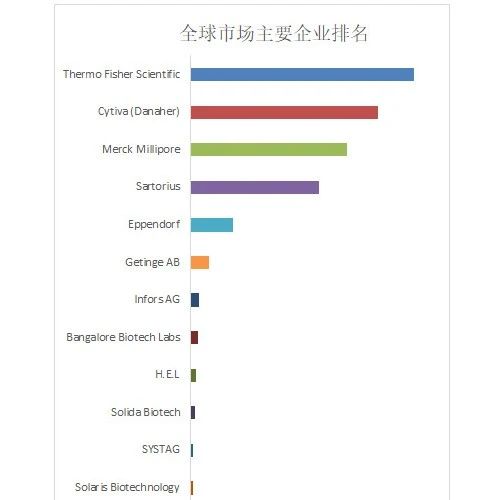
欧洲地区细胞生物反应器和发酵器市场前10强生产商排名及市场占有率
QYResearch· 2025-08-04 08:48
细胞生物反应器和发酵器模拟自然生化环境,以实现微生物和细胞培养中细胞或组织的最佳生长。在欧洲, "发酵罐"和"生物反应器"是同义词。然而,在美国,"发酵罐"一词专用于微生物系统,"生物反应器"则用于动 物细胞培养系统。生物反应器和发酵罐可根据其结构材料、混合机制、工作体积和总体用途分为不同类型。最 显著的区别通常在于一次性设备与多次使用设备。一次性生物反应器的一次性培养容器由塑料制成,而多次使 用容器则由玻璃或不锈钢制成,需要在每次工艺运行之间进行清洁和灭菌。一种非常常见的混合机制是通过培 养容器中的中央搅拌元件。这种搅拌槽设计长期以来一直是不锈钢生物反应器的黄金标准,并且至今仍被大多 数一次性生物反应器系统所采用。然而,波浪混合或摇摆运动技术对于剪切应力敏感的细胞系来说可能是一个 不错的选择。在这里,气体和营养物质的混合是通过生物反应器的摇摆运动实现的。由于生物反应器的工作体 积可以小到几毫升,大到几千升,因此通常将其分为实验室规模、中试规模和生产规模的生物反应器系统。实 验室规模生物反应器的一个特殊子集是多并行系统,它允许同时运行多个培养实验。最后,生物反应器类型通 常会区分为哺乳动物细胞培养和微生物培养 ...
全球与中国铁路信号市场现状及未来发展趋势
QYResearch· 2025-08-04 08:48
Core Viewpoint - The railway signaling system is a comprehensive technology system that integrates safety control, scheduling management, and information transmission, ensuring train operation safety and improving transportation efficiency [1] Global Railway Signaling Market Overview - The global railway signaling market is projected to reach $12.453 billion in 2024 and $16.162 billion by 2031, with a compound annual growth rate (CAGR) of 3.78% [3] - The Chinese market is expected to grow from $4.768 billion in 2024 to $6.969 billion by 2031, with a CAGR of 5.85%, driven by government policies supporting rail transport and infrastructure [3] Product Types and Market Applications - Railway signaling system products include CBTC systems, I-CBTC systems, and FAO systems, with CBTC being the mainstream product [5] - In 2024, the global market share for mainline railway applications is expected to reach 62.76%, indicating a concentrated market with over 84.10% of the market held by the top five companies [5] Industry Development Opportunities - Urban rail transit is a key focus for infrastructure development in China, driven by urbanization and traffic congestion, leading to increased demand for new lines and upgrades [7] - Governments worldwide are increasing investments in railway infrastructure, particularly high-speed and intercity railways, to promote regional connectivity and economic development [8] - There is a rising demand for intelligent upgrades of existing lines, as traditional technologies struggle to meet modern operational requirements [9] Challenges Facing the Industry - The industry faces a shortage of specialized talent, which is crucial for rapid technological advancement [11] - Changes in the financing environment for railway projects may slow down development, as local governments face tighter fiscal constraints [12] - International market expansion is hindered by standard barriers and geopolitical tensions, complicating the adaptation of different railway technologies [13] - High R&D costs and long return periods pose challenges for companies, especially amid fluctuating government investment and project approval timelines [14] Key Players and Market Analysis - Major companies in the railway signaling market include China Railway Signal & Communication Corp, Alstom, Hitachi, Siemens, and CAF, among others [17] - The report provides detailed analysis of market size, shares, and competitive landscape for both global and Chinese markets [17]

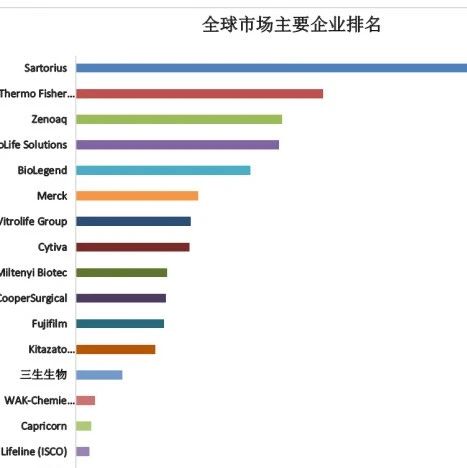
全球细胞冷冻保存液市场前10强生产商排名及市场占有率
QYResearch· 2025-08-04 08:48
Core Viewpoint - The global cell freezing preservation solution market is projected to reach $160 million by 2031, with a compound annual growth rate (CAGR) of 4.8% from 2025 to 2031 [2]. Market Size, Classification, and Application - The global market for cell freezing preservation solutions is expected to grow significantly, driven by advancements in regenerative medicine and cell therapy [15][21]. - The major demand source currently comes from biotechnology companies, accounting for approximately 54.8% of the market share [10]. - The leading product type is serum-free cell freezing culture medium, which holds about 92.7% of the market share [11]. Industry Development Trends - There is a growing demand in niche markets, particularly in stem cell therapy, immune cell therapy (such as CAR-T), and gene therapy, which is driving market diversification [14]. - Serum-free freezing solutions are gaining traction due to their ability to reduce external substance interference and improve cell quality [14]. - Innovations in products and technology, including new cryoprotectants and smart monitoring systems, are enhancing the efficiency and precision of cell freezing [14][20]. Major Driving Factors - The progress in regenerative medicine and cell therapy is leading to an increased demand for high-quality cell freezing solutions [15]. - The rise of precision medicine is creating a growing need for personalized treatment, particularly for patient-specific cell preservation [16]. - The development of biobanks and tissue sample banks is also contributing to the sustained demand for cell freezing solutions [19]. Industry Development Constraints - High production and usage costs of cell freezing solutions pose a challenge, particularly for small and medium enterprises and in developing countries [22]. - The lack of standardization in technology and application can lead to varying preservation outcomes for different cell types [23]. - Despite advancements, cell damage during the freezing process remains a significant issue, particularly affecting cell viability in immune and stem cell therapies [24]. - Regulatory and compliance requirements vary by country, complicating international market expansion [25]. - Limited awareness and education about cell freezing solutions in emerging markets may hinder broader acceptance [26].
全球与中国全嵌冰箱市场现状及未来发展趋势
QYResearch· 2025-08-01 02:39
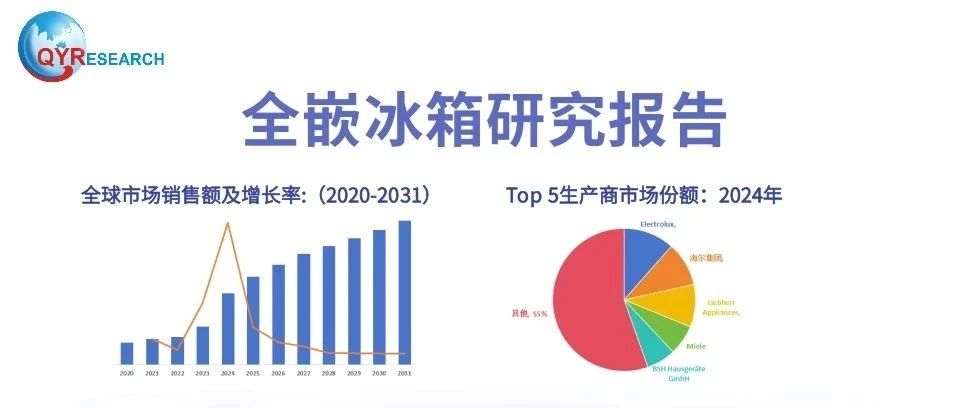
Core Viewpoint - The article discusses the development, current status, and future trends of fully integrated refrigerators, highlighting their seamless integration into home decor and the increasing consumer demand for high-quality, aesthetically pleasing appliances [3][4][14]. Industry Background, Development History, and Current Status - **Industry Background**: The rise in consumer living standards has led to increased demands for appliance quality, aesthetics, and functionality. Fully integrated refrigerators meet the needs for high-end, personalized home decor [3]. The trend towards home integration emphasizes overall coordination and space efficiency, which these refrigerators provide [3]. - **Development History**: Initially targeting high-end consumers in developed countries, fully integrated refrigerators have evolved from basic cooling functions to advanced features, including precise temperature control and energy efficiency. The latest models incorporate smart technology, enhancing user experience [4]. - **Current Status**: The market is competitive, with international brands like Electrolux and Siemens holding significant market shares. Domestic brands like Haier are also prominent, focusing on quality and innovation. Emerging brands are gaining traction through innovative designs and marketing strategies [5]. Development Trends - **Cooling Technology Improvements**: Bottom cooling technology is widely adopted to enhance integration and aesthetic appeal, allowing for better temperature uniformity and reduced space requirements [7]. - **Space Utilization Optimization**: Innovations like vacuum insulation panels and optimized internal structures increase storage capacity and flexibility, catering to diverse consumer needs [8]. - **Preservation Technology Upgrades**: New preservation methods, such as nitrogen preservation technology, significantly extend the freshness of food items [9]. - **Refrigeration System Innovations**: The adoption of dual-circuit refrigeration systems improves cooling efficiency and prevents cross-contamination of food odors [10]. - **Aesthetic and Material Innovations**: The design of fully integrated refrigerators is becoming more diverse, with options for customized colors and materials to match various home styles [11]. - **Intelligent Development**: Smart features, including remote control and food management systems, are becoming standard, enhancing user convenience [12]. - **Large Capacity Trends**: The demand for larger refrigerators is increasing, with models like the 750-liter integrated refrigerator catering to larger households [13]. Global Market Analysis - **Market Size and Growth**: The global market for fully integrated refrigerators is projected to reach $7.044 billion in 2024 and $14.216 billion by 2031, with a CAGR of 8.62% from 2025 to 2031 [16]. - **Regional Insights**: China is the largest market, expected to account for 55.15% of global sales in 2024, with significant growth anticipated [17][18]. - **Production Insights**: China and Europe are key production regions, with China projected to increase its market share to 65.55% by 2031 [19]. - **Market Segmentation**: The market is primarily segmented into single-door, double-door, and three-door refrigerators, with double-door models being the most popular [19]. Key Manufacturers - Major manufacturers include Electrolux, Liebherr, Miele, BSH Hausgeräte GmbH, Haier, Whirlpool, Smeg, Panasonic, and LG, with Electrolux leading the market in 2024 [23].
2024年氮化镓激光二极管市场集中度高,前三大厂商掌控85%收入
QYResearch· 2025-08-01 02:39
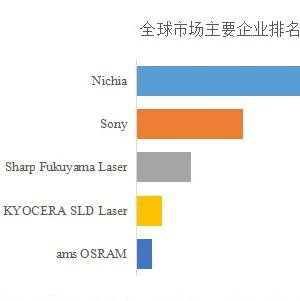
氮化镓激光二极管是基于第三代半导体材料氮化镓( GaN )的光电器件,具有高效率、高功率、宽波长范围等优点,通过电子空穴复合产 生激光,主要发射紫光、蓝光、绿光等短波长激光。 市场前景广阔 : GaN 激光二极管是高价值、高利润的产品。其增长受到高科技设备日益普及的推动,这些设备涵盖光学显示器、光存储、 工业以及医疗设备等领域,为 GaN 激光二极管提供了广阔的应用空间。 行业竞争格局复杂 : 随着市场需求的不断变化,消费者对产品性能、质量和价格的要求也日益提高。从单模和双模激光二极管到具有不同 波长和功率水平的产品,企业需要不断创新并扩展其产品组合,才能在市场中保持竞争力 。 政策和法规环境 推动 : GaN 激光二极管的核心挑战集中在材料缺陷控制和工艺复杂性上, GaN 激光二极管必须在外延生长、热管理、成 本控制等方面不断取得突破 。 根据 QYResearch 最新调研报告显示, 预计到 2031 年全球规模将达到 1758.43 百万美元 , 2025 至 2031 期间年复合增长率为 7.71% 。 就产品类型而言,目前 多模 是最主要的细分产品,占据大约 72.1% 的收入份额。 全球范围内,氮 ...
14.1% CAGR增长!全球数字相控阵波束形成IC市场2031年规模预测949万美元
QYResearch· 2025-08-01 02:39
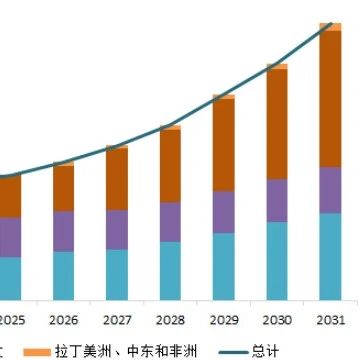
Core Insights - The article discusses the digital phased array beamforming IC market, highlighting its expected growth and key drivers, including advancements in 5G/6G technology and increasing demand in defense and aerospace sectors [2][14][23]. Market Overview - The global digital phased array beamforming IC market is projected to reach $9.49 billion by 2031, with a compound annual growth rate (CAGR) of 14.1% over the coming years [2]. - Major manufacturers in the market include Analog Devices, Otava, and pSemi, with the top three companies holding approximately 86.6% market share in 2024 [3]. Product Types - The market features various product types, including: - 8-channel beamformers optimized for cost-sensitive applications like 5G small cells and automotive radar [7]. - 16-channel beamformers designed for high-performance needs in 5G massive MIMO and satellite ground terminals [7]. - Higher-order 64/128 channel ICs for advanced military AESA radar applications, though commercial use is limited [7]. Application Segments - Satellite communication is the leading downstream application, expected to account for about 48.4% of the market share in 2024 [12]. - The out-of-band service segment is the primary product category, projected to hold approximately 74.98% of the market share in 2024 [9]. Market Drivers - The expansion of 5G/6G communication infrastructure is a significant driver, as 5G mmWave frequencies require phased array antennas to overcome signal attenuation [14]. - The growing demand in defense and aerospace sectors for modern military systems that rely on digital phased array antennas is also a key factor [14]. - The proliferation of low Earth orbit (LEO) satellites is driving the need for compact and efficient phased array antennas for broadband access [15]. - Innovations in semiconductor processes are enabling higher integration, lower power consumption, and reduced costs for digital beamforming ICs [17]. Market Challenges - The technical complexity of high-frequency designs poses challenges, particularly as applications move to frequencies above 24 GHz [18]. - High development and production costs due to specialized processes and advanced packaging are significant barriers [19]. - Supply chain vulnerabilities and geopolitical risks related to critical materials and advanced manufacturing processes are also concerns [20]. Industry Trends - The demand for high-precision beamforming ICs is accelerating due to the global rollout of 5G and early 6G trials [21]. - Material innovations and advanced packaging technologies are enhancing performance while reducing size and costs [22]. - The integration of AI and machine learning is improving beamforming accuracy and responsiveness [23]. - Increased defense budgets globally are driving demand for high-performance beamforming ICs [23]. - Supply chain localization and the development of domestic semiconductor capabilities are becoming critical, especially in regions like China and Europe [23].
全球与中国强耐受性特种膜市场现状及未来发展趋势
QYResearch· 2025-07-31 10:49
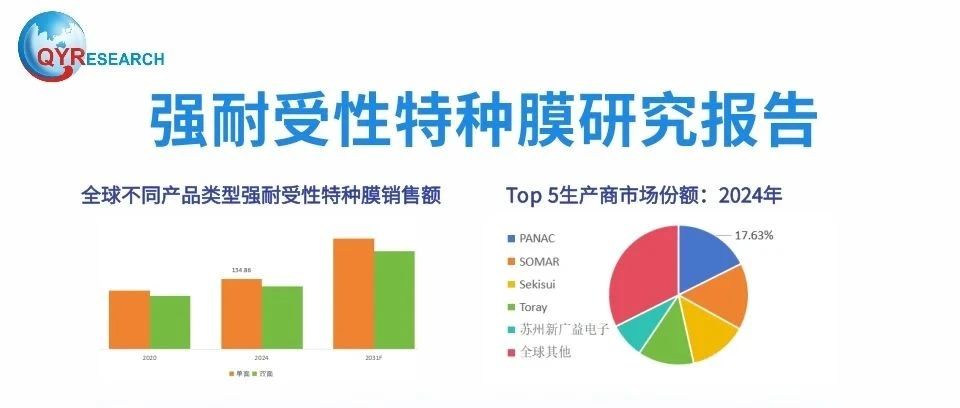
Core Viewpoint - The strong resistance specialty film industry is experiencing significant growth driven by the transfer of FPC production capacity to China and increasing demand from sectors such as AI, new energy vehicles, and smart wearables [2][10]. Industry Status Analysis - The market size of strong resistance specialty films is continuously expanding, benefiting from the deepening application in complex working conditions [2]. - The global market for strong resistance specialty films is projected to reach $254.99 million by 2024 and $400.50 million by 2031, with a CAGR of 6.98% [10]. Technological Advancements - Domestic companies like Xinguangyi are breaking the monopoly of Japanese firms through independent research and development, achieving international standards in high-temperature and strong acid-base resistance [3]. - The industry is witnessing accelerated breakthroughs in technology localization, with local manufacturers providing stable supplies to leading FPC manufacturers [3]. Application Diversification - Strong resistance specialty films are extending their applications beyond traditional consumer electronics to emerging fields such as new energy battery separators, medical device high-frequency signal transmission modules, and aerospace circuit protection [4]. Development Trends - The trend towards ultra-thin and high-temperature materials is evident, with developments in foldable screens and automotive-grade FPCs pushing thickness below 20μm while enhancing temperature resistance above 300℃ [5][7]. - The industry is moving towards environmentally friendly processes, with the elimination of fluorinated coatings and the introduction of bio-based polyimide films that reduce carbon footprints by 40% [6]. Market Performance by Product Type - In 2024, the global market for single-sided strong resistance specialty films is expected to reach $134.86 million, accounting for 52.89% of the market, while double-sided films will reach $120.13 million, making up 47.11% [11]. Application Areas and Market Share - The consumer electronics sector is the largest application area, with a market size of $184.59 million in 2024, representing 72.39% of the revenue share [17][20]. - Strong resistance specialty films are also utilized in medical electronics and automotive electronics, ensuring stability and reliability in harsh environments [21][22]. Competitive Landscape - The global market is dominated by major manufacturers such as PANAC, SOMAR, Sekisui, and Toray, with PANAC holding a market share of 17.63% in 2024 [25]. - The competition is expected to intensify as more entrants join the industry, with Chinese manufacturers likely to gain competitive advantages due to market and cost benefits [25].
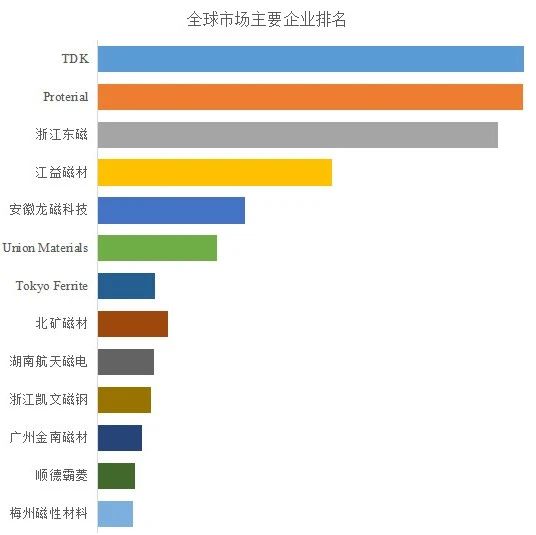
全球硬磁铁氧体厂商格局:2024年Top5占29%份额,TDK领衔
QYResearch· 2025-07-31 10:49
硬铁氧体磁铁也被称为陶瓷磁铁。硬铁氧体磁铁主要有两种类型:钡铁氧体 (BaO.6Fe2O3) 和锶铁氧体 (SrO.6Fe2O3) 。与其他永磁体 相比,烧结铁氧体磁铁价格低廉。它最适合于敏感度较高但性能要求不高的应用。由于它是一种非金属磁铁,因此是潮湿环境下需 要防锈磁铁的理想选择。 烧结铁氧体(陶瓷)磁铁也有各向同性和非各向同性两种形式。各向同性铁氧体的磁性能在所有方向上都相同,因此它们可以在任 何磁极排列下被磁化。另一方面,非各向同性硬铁氧体磁铁只能在生产过程中取向的方向上被磁化,但它们的磁场强度比各向同性 硬铁氧体磁铁高得多。 硬磁铁氧体 全球市场总体规模 据 QYResearch 调研团队最新报告"全球硬磁铁氧体市场报告 2025-2031 "显示, 预计 2031 年全球硬磁铁氧体市场规模将达到 45.4 亿 美元 ,未来几年年复合增长率 CAGR 为 4.2% 。 硬磁铁氧体 ,全球市场总体规模 全球 硬磁铁氧体 市场前 13 强生产商排名及市场占有率(基于 2 02 4 年调研数据;目前最新数据以本公司最新调研数据为 准) 根据 QYResearch 头部企业研究中心调研,全球范围内硬磁铁氧体 ...