QYResearch

Search documents
全球新能源方形铝壳电池极柱行业应用领域市场份额细分调查(2025年调研数据)
QYResearch· 2025-08-08 09:40
新能源方形铝壳电池极柱是指电池内部的一对导电金属部件,它们分别连接到电池的正负极板,并通过壳体上的专门孔洞向 外延伸,作为电池与外部电路之间的桥梁,承担着传递电能的重要任务;这些极柱通常由导电性能出色的材料如铜或铝合金 制成,具有高导电性、良好的机械强度和耐腐蚀性,以确保在电池的充放电过程中能够稳定、高效地传输电流,同时还要考 虑到安全性,防止由于短路或漏电造成的安全隐患;极柱的结构设计包括接触端、延长段和连接端,其中接触端与电池内部 的正负极板紧密相连,延长段负责从电池内部穿过壳体到达外部,而连接端则提供了一种方便的方式,使极柱可以与外部电 路或充电设备顺利连接,其尺寸和质量都是根据电池的设计和应用需求来决定的,对电池的整体性能和可靠性有着直接影 响。 根据 QYResearch 最新调研报告显示, 预计 2 030 年全球 新能源方形铝壳电池极柱 市场规模将达到 6.07 亿美元 ,未来几年 年复合增长率 CAGR 为 20.7% 。 新能源方形铝壳电池极柱 ,全球市场总体规模 ( 百万美元 ) 全球 新能源方形铝壳电池极柱 在电动汽车领域的市场份额(百万美元) 全球 新能源方形铝壳电池极柱 市场不同应用 ...

全球与中国尼龙MXD6市场现状及未来发展趋势
QYResearch· 2025-08-08 09:40
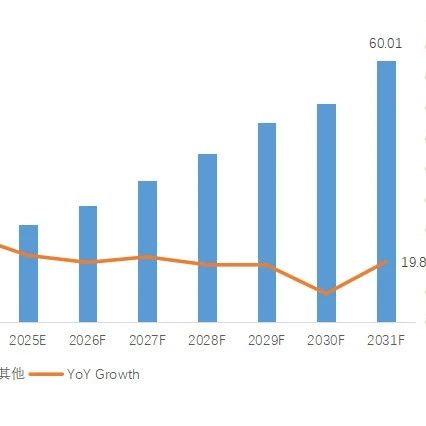
Core Viewpoint - The article discusses the characteristics, market trends, and future growth potential of Nylon MXD6, highlighting its unique properties and applications in various industries, particularly in packaging and automotive sectors [1][2][4]. Group 1: Product Definition and Characteristics - Nylon MXD6, also known as meta-xylylene diamine nylon, is a high-performance polyamide resin distinguished by its mechanical strength, barrier properties, and thermal stability [1]. - The chemical structure of Nylon MXD6 includes meta-xylylene groups, enhancing rigidity and resistance to gas and moisture permeation, making it ideal for packaging applications [1]. - Key properties of Nylon MXD6 include excellent barrier performance against gases, high mechanical strength, thermal stability, chemical resistance, and optical transparency [1]. Group 2: Industry Background and Current Status - The emergence of nylon has significantly transformed the textile industry, with nylon fibers benefiting from stable demand due to economic growth and consumer upgrades [2]. - Despite being more expensive than polyester fibers, the superior performance of nylon is expected to drive demand as consumer preferences evolve [2]. - The domestic production of high-temperature nylon, including MXD6, is still limited, with core technologies primarily held by foreign chemical giants [3]. Group 3: Industry Development Trends - The market for Nylon MXD6 is undergoing a profound transformation, expanding beyond traditional packaging into sectors like renewable energy and electronics [4]. - Innovations such as nanocomposite technology are enhancing the oxygen barrier performance of Nylon MXD6, increasing its penetration in high-end pharmaceutical packaging and fresh food labeling [4]. - The demand for Nylon MXD6 in packaging materials and automotive components is projected to grow steadily, with significant market opportunities in emerging economies [5]. Group 4: Market Size and Forecast - The global Nylon MXD6 market is expected to reach a production capacity of approximately 62,000 tons by 2024, with an estimated annual output of 46,024 tons and a market value of 2.94 billion yuan [6][8]. - The market value of Nylon MXD6 is projected to grow from 2.94 billion yuan in 2024 to 4.4 billion yuan by 2031, with an average annual growth rate of 6.34% from 2025 to 2031 [8]. - Major suppliers in the Nylon MXD6 market include Mitsubishi Gas Chemical, Syensqo, and Toyobo, with Mitsubishi holding a significant market share of 61.99% in 2024 [8][11].

全球算力散热结构件行业应用领域市场份额细分调查2025年调研数据
QYResearch· 2025-08-08 09:40
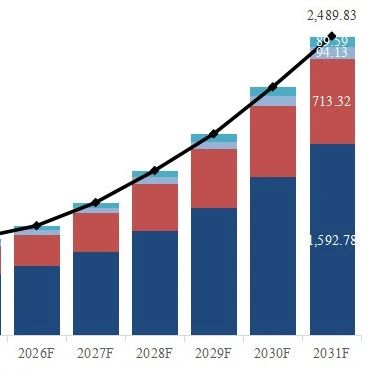
Core Viewpoint - The global market for computing heat dissipation structural components is projected to reach $2.489 billion by 2031, with a compound annual growth rate (CAGR) of 20.4% in the coming years [2]. Market Overview - The computing heat dissipation structural components are essential for high-performance devices such as AI servers and GPU acceleration cards, providing mechanical support and thermal conduction paths [2]. - The materials and processes used in these components, such as copper alloys and aluminum carbide, directly influence the heat dissipation efficiency and reliability of computing devices [2]. Market Segmentation Server Sector - The server sector holds the largest market share for computing heat dissipation structural components, specifically designed to manage heat from high-performance computing chips [8][9]. - Liquid cooling technology is becoming mainstream due to its efficiency, with cold plate liquid cooling leading in deployment, while immersion cooling is seen as a long-term direction [10]. Consumer Electronics - In consumer electronics, these components are designed to manage heat from high-performance chips in devices like smartphones and laptops, with a focus on lightweight and high-performance requirements [13]. - Innovations include the use of graphene films and heat pipes, with a trend towards integrated and intelligent cooling systems [13]. Communication Equipment - For communication devices, the components are tailored to ensure stable operation of high-density equipment like 5G base stations, utilizing advanced materials and liquid cooling technologies [16]. - The market is evolving towards smaller, more efficient designs, with liquid cooling technologies replacing traditional air cooling [16]. Other Applications - Beyond the main sectors, computing heat dissipation structural components are also applicable in automotive computing, industrial computers, and medical devices, addressing the unique thermal management needs of these environments [19]. - Trends include lightweight designs and integration with battery thermal management in automotive applications, as well as noise reduction in medical devices [20].
全球应急救援机器人市场前10强生产商排名及市场占有率
QYResearch· 2025-08-07 09:07
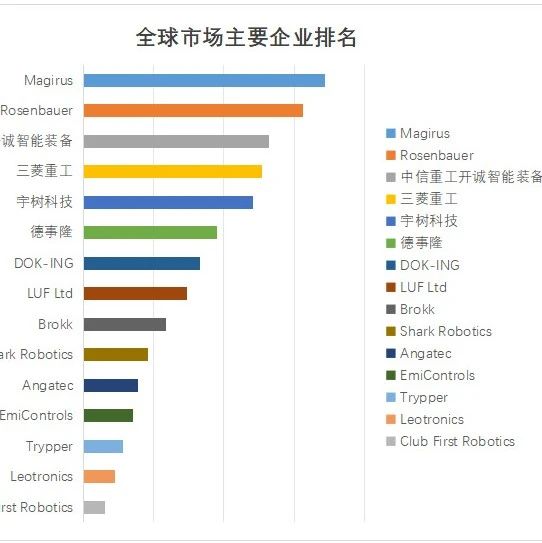
Core Viewpoint - Emergency rescue robots are intelligent systems that can perform tasks such as monitoring, search and rescue, communication, logistics, and production operations, enhancing efficiency and safety in complex hazardous scenarios. Their development signifies the modernization of emergency management equipment and capabilities in China [1][2]. Group 1: Market Overview - The global emergency rescue robot market is projected to reach USD 1.79 billion by 2031, with a compound annual growth rate (CAGR) of 12.6% over the coming years [3]. - In 2022, the top ten manufacturers held approximately 41.0% of the global market share [6]. - Ground robots are the most significant product type, accounting for about 68.0% of the market share [7]. Group 2: Application and Demand - The primary application for emergency rescue robots is in firefighting, which constitutes around 30.5% of the demand [9]. - The development of aerial and underwater rescue robots is gaining attention due to their unique advantages in disaster response, although they currently face technological challenges and are in the early stages of application [2]. Group 3: Industry Dynamics - The industry is witnessing a shift towards increased intelligence, digitization, and specialization in emergency rescue equipment, with a growing focus on aerial and underwater robots as extreme weather events and diverse emergency scenarios increase [2]. - Major manufacturers in the global market include Magirus, Rosenbauer, Mitsubishi Heavy Industries, and others, indicating a competitive landscape [6][13].
全球及中国结扎夹企业出海开展业务规划及策略研究报告
QYResearch· 2025-08-07 09:07
Core Viewpoint - The ligating clip market is projected to grow significantly due to increasing demand for minimally invasive surgeries, an aging population, and improvements in medical infrastructure, with a global market size expected to reach between $1,882 million and $2,232 million by 2031, depending on various scenarios [2][4]. Market Overview - The global ligating clip market sales reached $13.22 million in 2024, with a compound annual growth rate (CAGR) forecasted between 5.26% and 7.62% from 2025 to 2031 [2]. - The market is driven by the rising demand for minimally invasive surgeries, aging demographics, and enhanced medical facilities [4]. Market Drivers - The increasing prevalence of surgeries related to tumors, cardiovascular diseases, and gastrointestinal disorders due to an aging population is boosting the clinical usage of ligating clips [4]. - The expansion of healthcare infrastructure in emerging markets is providing new growth opportunities for the ligating clip market [4]. Market Challenges - The ligating clip market faces challenges such as low technical barriers leading to intensified competition, continuous price declines, and a strong reliance on imported brands [5]. - The prevalence of product homogeneity has led to price wars among companies, squeezing profit margins [5]. Future Trends - The ligating clip market is expected to evolve towards high-value, intelligent, and personalized products, with a focus on high-performance clips that offer better safety and efficiency [6]. - Innovations such as absorbable ligating clips and advanced materials like PEEK are anticipated to replace traditional products in specific surgical fields [6]. Regional Insights - Emerging economies like China, India, and Brazil are becoming significant markets for ligating clips due to the rapid development of their healthcare systems [7]. - In mature markets, there is still potential for structural upgrades, particularly in high-end absorbable materials and customized surgical tools [7]. Internationalization of Chinese Companies - Chinese ligating clip manufacturers are experiencing both opportunities and challenges in their internationalization efforts, driven by technological advancements and cost advantages [8][9]. - The lack of brand trust and complex international regulations pose significant challenges for Chinese companies seeking to enter global markets [9]. Conclusion - The ligating clip market is poised for growth, driven by technological advancements and increasing surgical demands, while facing competitive pressures and the need for differentiation in product offerings [5][6][8].

全球肝素原料药市场前10强生产商排名及市场占有率
QYResearch· 2025-08-07 09:07
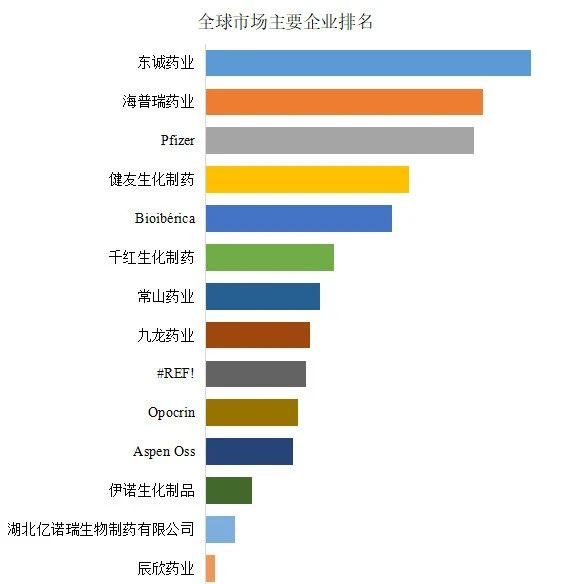
Core Viewpoint - The global heparin raw material market is projected to grow from $1.47 billion in 2025 to $2.3 billion by 2031, with a compound annual growth rate (CAGR) of 7.77% from 2025 to 2031 [1][10]. Market Overview - Heparin raw materials are primarily used as anticoagulants to prevent thrombosis and are available in two forms: heparin sodium and heparin calcium [1]. - The heparin sodium product type dominates the market, accounting for approximately 96.63% of the share [6]. - Low molecular weight heparin formulations represent the largest demand source, holding about 85.10% of the market share [7]. Market Dynamics - The European market is the largest consumer of heparin raw materials, contributing 36.86% of global revenue in 2024, with expectations to grow from $538 million in 2025 to $802 million by 2031, reflecting a CAGR of 6.88% [10]. - Key drivers for market growth include rising incidences of renal insufficiency, coronary artery disease, and venous thromboembolism, alongside a high demand for anticoagulant medications [12]. Competitive Landscape - Major global manufacturers of heparin raw materials include Dongcheng Pharmaceutical, Hepalink, Pfizer, and others, with the top five companies holding approximately 55.0% of the market share in 2024 [4][15]. - The market is characterized by a significant reliance on pig intestinal mucosa for raw materials, which poses supply chain vulnerabilities due to animal diseases and geopolitical factors [12]. Regulatory and Quality Challenges - Ensuring the quality and safety of heparin raw materials remains a regulatory focus, with ongoing efforts to prevent adulteration and contamination [12]. - The industry faces challenges from alternative anticoagulants and complex production processes, necessitating a balance between addressing these challenges and maintaining market growth [12].
中国残余应力测量服务市场现状研究分析与发展前景预测报告
QYResearch· 2025-08-06 08:33
Core Viewpoint - The article discusses the significance of residual stress measurement in manufacturing, highlighting its impact on product quality, safety, and market growth in China. The residual stress measurement service market is projected to grow from 563 million yuan in 2024 to 1.129 billion yuan by 2031, with a compound annual growth rate (CAGR) of 10.14% from 2025 to 2031 [1][5]. Market Size and Trends - The residual stress measurement service market in China is expected to reach 563 million yuan in 2024 and grow to 1.129 billion yuan by 2031, indicating a CAGR of 10.14% from 2025 to 2031 [1][5]. - The industrial application segment dominates the market, projected to increase from 396 million yuan in 2024 to 820 million yuan by 2031, with a CAGR of 10.58% [5]. Key Players and Market Share - Major players in the domestic market include Zhongke Testing, Zhongxi Research Institute, Changyu Stress Technology, and others, with the top ten companies holding approximately 31% of the market share in 2024 [4]. - Non-destructive testing methods, particularly X-ray diffraction, dominate the market, accounting for over 66.6% of the residual stress measurement service market in 2024 [4]. Technological Advancements - Recent advancements in residual stress measurement technologies, such as X-ray diffraction and neutron diffraction, have expanded the applicability and service depth of these measurements, allowing more industries to access high-quality stress evaluation services at reasonable costs [8]. - The complexity of modern manufacturing processes necessitates precise stress assessments, driving demand for high-precision technologies like X-ray diffraction [7]. Policy and Standards - The increasing focus on structural integrity and equipment safety by governments and industry associations has led to the establishment of standards that include residual stress as a necessary evaluation metric [9]. - Policies such as "Made in China 2025" emphasize the development of advanced detection technologies, including residual stress measurement, as a critical component of quality management [13]. Industry Challenges - The high technical barriers and complexity of residual stress measurement methods, which require expertise across multiple disciplines, pose challenges for the industry [10]. - The reliance on imported high-end measurement equipment, which is expensive and complex to maintain, adds to the operational costs for service providers [11]. - The high cost of measurement services and customer price sensitivity can limit market growth, particularly for high-precision non-destructive methods [12].

全球机器人云台市场格局:头部厂商主导,前五大企业占据59%市场份额
QYResearch· 2025-08-06 08:31
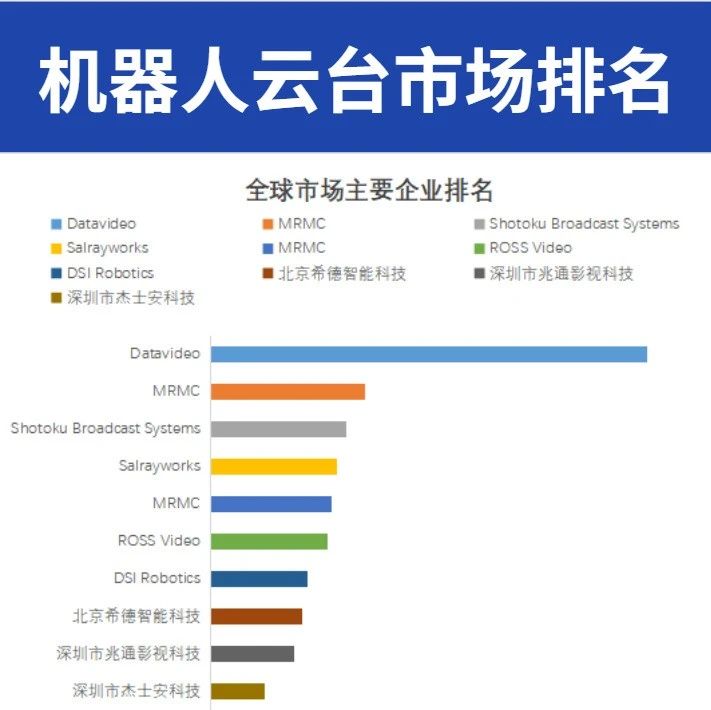
Core Viewpoint - The article discusses the rapid growth and diversification of the robotic cloud platform market, driven by advancements in AR/VR content production, smart manufacturing upgrades, and the integration of lightweight, intelligent, and multi-sensor technologies. The market is expected to reach a size of $730 million by 2030, with a compound annual growth rate (CAGR) of 14.9% over the coming years [2][6]. Market Overview - The robotic cloud platform is transitioning from film shooting and security monitoring to applications in industrial inspection, scientific research, and drones, indicating a phase of accelerated market expansion [2]. - The current market landscape shows established players from Europe, the US, and Japan dominating the high-end broadcast market, while Chinese manufacturers are rapidly penetrating the market with competitive pricing and localized services [2][6]. Market Size and Growth - According to QYResearch, the global robotic cloud platform market is projected to reach $730 million by 2030, with a CAGR of 14.9% [2]. - The top five manufacturers are expected to hold approximately 59.0% of the market share in 2024 [6]. Product Segmentation - The product type with an angular velocity greater than 180°/s currently dominates the market, accounting for about 51% of the share [6]. - The largest downstream market for robotic cloud platforms is film production, which holds a 31% market share [11]. Key Drivers and Challenges - The increasing demand for high precision and low jitter motion stabilization and positioning control across various industries, especially in drone aerial photography, autonomous driving assistance, and industrial inspection, is a major driver [13]. - Challenges include the complexity of overall system integration, reliability and safety issues in extreme environments, and high costs due to customization [13]. Industry Opportunities - Opportunities arise from the advancement of smart manufacturing and Industry 4.0, the proliferation of 5G and edge computing, and the explosive growth in demand for precise navigation and video stabilization in service robots, medical rehabilitation, and smart city construction [13].
数字电视SoC,TOP6大企业占据全球95%的市场份额(2024)
QYResearch· 2025-08-06 08:31
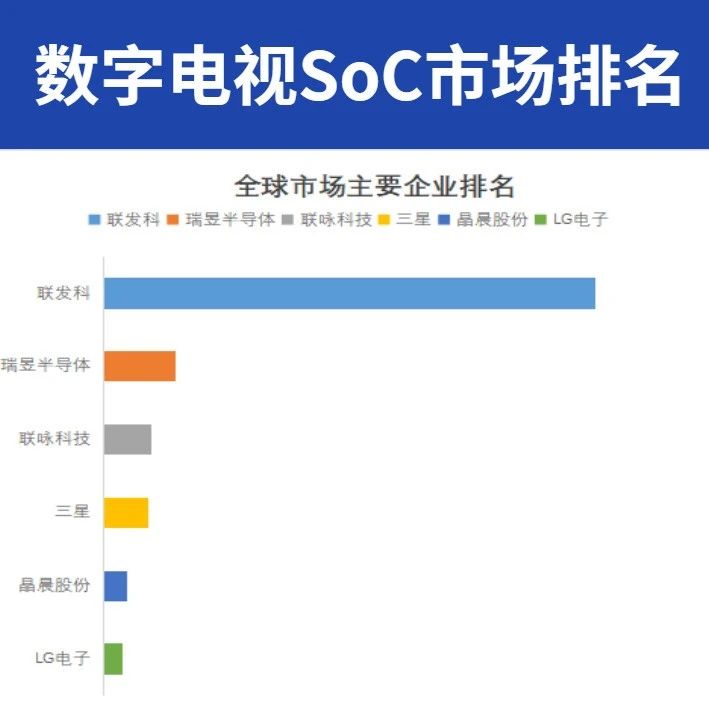
Core Insights - The global digital TV SoC market is projected to reach USD 4.77 billion by 2031, with a compound annual growth rate (CAGR) of 1.8% over the coming years [1]. Market Overview - Digital TV SoC integrates various components and functions required for digital TV reception and processing into a single chip, supporting multiple video and audio codecs and broadcasting standards [1]. - The leading product type in the digital TV SoC market is UHD SoC, which holds approximately 96.6% market share [5]. - LCD TVs represent the largest downstream market for digital TV SoC, accounting for about 94.2% of the demand [9]. Market Players - Major global manufacturers of digital TV SoC include MediaTek, Realtek Semiconductor, Novatek Microelectronics, Samsung, and Amlogic, with the top four companies holding around 89.0% of the market share in 2024 [5]. Market Drivers - The transition from analog to digital broadcasting is driving demand for digital TV SoC as governments worldwide promote digital broadcasting [16]. - Increasing consumer demand for high-definition and ultra-high-definition video support, smart TV features, and internet connectivity is pushing TV manufacturers to adopt advanced digital TV SoC [16]. - The growing popularity of UHD content and the increasing number of TV channels and services require more powerful SoCs for high-quality video experiences [16]. - Technological advancements in digital TV SoC enhance performance, integration capabilities, and support for complex audio and video processing [16]. - Cost-effectiveness and integration advantages of digital TV SoC are facilitating market penetration, especially in emerging economies [16]. Market Challenges - High R&D costs for developing high-performance and feature-rich digital TV SoC pose a significant barrier for smaller manufacturers [18]. - Compatibility issues arise due to the need for digital TV SoC to support various codecs, streaming standards, and network protocols [18]. - Rapid technological updates in the digital TV sector require manufacturers to continuously invest in R&D to meet evolving consumer demands [18]. - Variations in digital TV standards across different regions complicate the design and development of compatible digital TV SoC solutions [18]. - Data security and privacy concerns are increasingly important as smart TVs become more connected, necessitating robust measures to protect user data [18].
全球PI绝缘漆市场前10强生产商排名及市场占有率
QYResearch· 2025-08-05 09:20
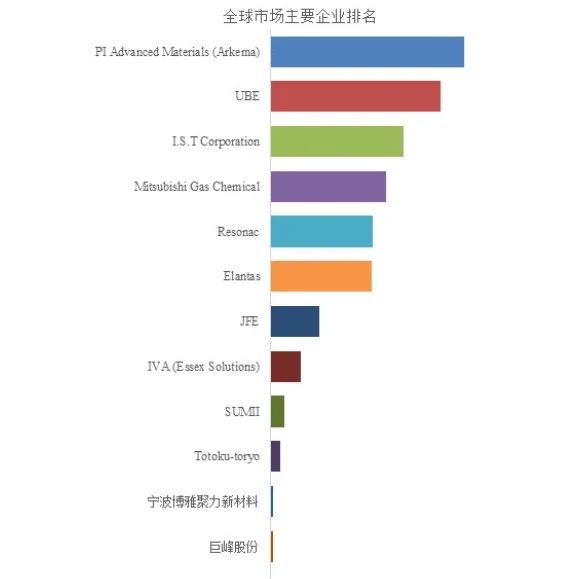
Core Insights - The article highlights the growing market for PI insulation paint, which is expected to reach a market size of $270 million by 2031, with a compound annual growth rate (CAGR) of 5.7% in the coming years [1][10]. Market Overview - PI insulation paint is characterized by excellent thermal stability, dielectric strength, and chemical resistance, making it suitable for applications in the electrical and electronic industries, particularly in high-temperature environments [1]. - Major manufacturers in the global PI insulation paint market include PI Advanced Materials (Arkema), UBE, I.S.T Corporation, Mitsubishi Gas Chemical, and Resonac, with the top five companies holding approximately 69.0% of the market share in 2024 [4][15]. Application Trends - The demand for PI insulation paint is driven by the rapid expansion of the electric vehicle market, which requires high-performance motors with stringent insulation material specifications [10][11]. - The application of PI insulation paint is diversifying beyond traditional uses in motors and transformers to include sectors such as semiconductor packaging, flexible electronics, aerospace, and high-speed rail, indicating a broader development space for the market [12].