新财富

Search documents
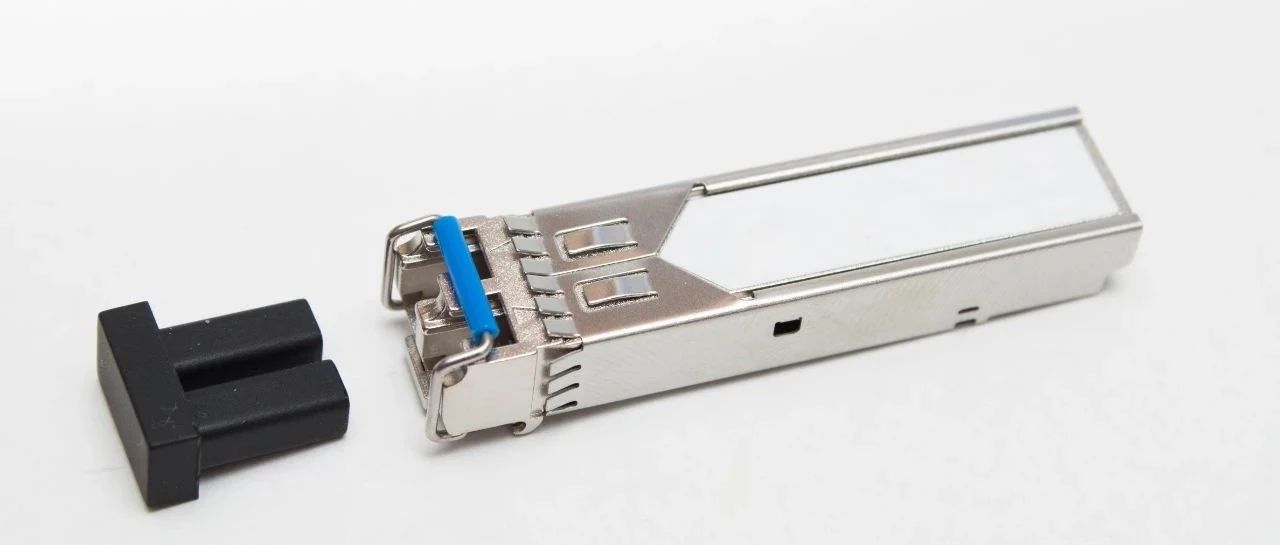
中国产业叙事:新易盛
新财富· 2025-08-20 08:05
Core Viewpoint - The explosive growth in global AI computing power demand has led to a significant performance surge for Xinyi, redefining the growth boundaries of the optical module industry, with Q1 2025 revenue soaring to 4.1 billion yuan, a year-on-year increase of 264%, and net profit reaching 1.6 billion yuan, up 385% year-on-year [1][5][9]. Group 1: Company Overview - Xinyi was founded in Chengdu in 2008, focusing on high-performance optical modules for data centers, telecom networks, security monitoring, and smart grids [5][9]. - The company established a wholly-owned subsidiary in 2011, separating its production and R&D centers to enhance its focus on high-speed optical module technology [6]. - Xinyi went public on the Shenzhen Stock Exchange in 2016, raising 417 million yuan, marking a strategic leap in its development [9]. Group 2: Technological Advancements - Xinyi has achieved breakthroughs in various optical module technologies, including 100G, 400G, and 800G, and plans to start small-scale delivery of 1.6T optical modules in Q2 2025 [6][10]. - The company has successfully captured nearly 30% of the global market share for 800G optical modules, with a significant reduction in power consumption [11][14]. - The acquisition of US-based Alpine has positioned Xinyi to lead in silicon photonics technology, enhancing its competitive edge in the optical module market [14][17]. Group 3: Market Dynamics - The demand for AI computing power is driving the need for higher capacity data centers, with projections indicating that the average capacity of new large-scale data centers will double in the next four years [22][23]. - Major tech companies are significantly increasing their capital expenditures for data centers, with Microsoft and Amazon projected to spend $80 billion and $100 billion, respectively, by 2025 [23]. - The industry is undergoing a transformation driven by AI technology, which is expected to reshape power supply and cooling systems in data centers, marking a shift from quantitative to qualitative changes in the sector [23].

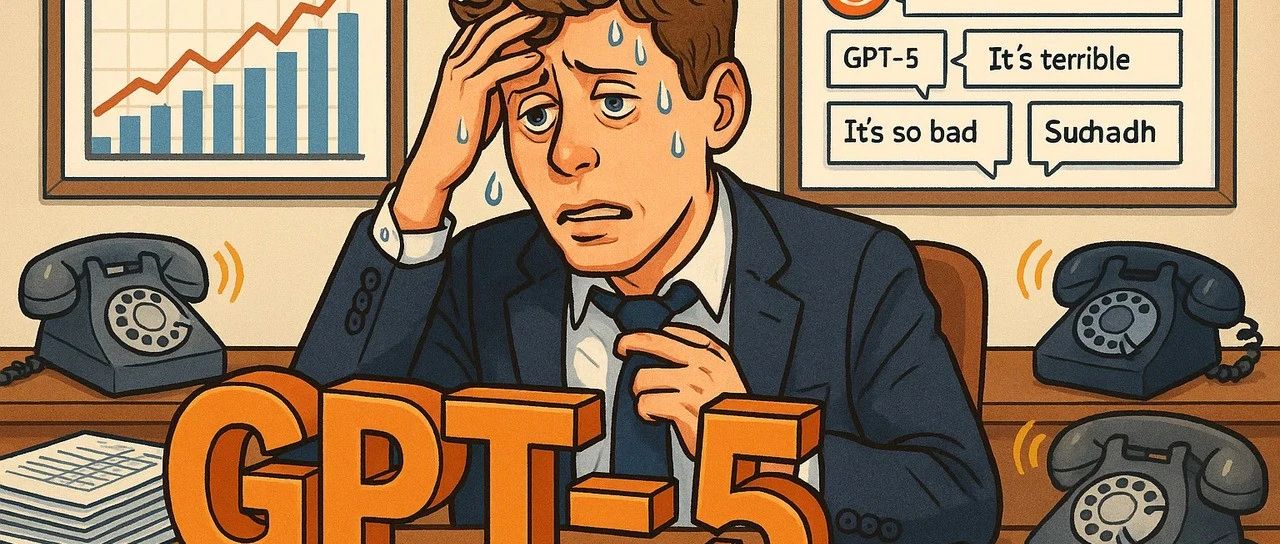
惹怒7亿用户的GPT-5,暴露了OpenAI的全部焦虑
新财富· 2025-08-19 08:05
Core Viewpoint - GPT-5 has not introduced a new paradigm in artificial intelligence as expected, but rather represents a gradual technological upgrade [2][44]. User Experience - Ordinary users find it difficult to perceive significant improvements in GPT-5, as existing models already meet basic needs [3]. - The performance enhancements of GPT-5 are primarily in coding and agent tool usage, which are beyond the average user's requirements [3][4]. - Users expressed dissatisfaction with GPT-5 compared to GPT-4o, leading to a movement to restore the older model due to perceived loss of personality and engagement [10][13]. OpenAI's Strategic Challenges - OpenAI faced backlash after discontinuing older models without notice, which was seen as a cost-cutting measure [6][7]. - The company’s marketing strategies have backfired, leading to operational issues and user dissatisfaction [6][16]. - OpenAI's user base reached 700 million weekly active users, with subscription fees constituting 42.5% of total revenue, highlighting the importance of user retention [14][41]. Competitive Landscape - OpenAI is under pressure from competitors like Anthropic, which has made significant strides in coding applications [20][28]. - The rise of open-source models, particularly from Chinese companies, poses a threat to OpenAI's market dominance [19][20]. - Cursor, an AI programming startup, has achieved rapid revenue growth and is a notable competitor in the coding space [25][28]. Strategic Shifts - OpenAI is pivoting towards open-source models with the introduction of the GPT-oss series, aiming to regain market share [35][36]. - The company is also exploring new revenue streams by enhancing its API offerings and government contracts [37][39]. - GPT-5 is designed as a unified model system to optimize costs and improve user experience, addressing the challenge of high operational costs associated with free users [39][42]. Future Outlook - OpenAI's future strategies include expanding into consumer applications beyond ChatGPT, indicating a shift in focus [43]. - The company aims to create a complete commercial ecosystem around GPT, addressing gaps in API subscriptions and government markets [44].
市场如何看待毛戈平
新财富· 2025-08-18 09:03
Core Viewpoint - The article highlights that Mao Geping, a domestic high-end cosmetics brand, has benefited from the consumption downgrade trend in the luxury goods market, achieving significant revenue growth despite a challenging industry backdrop [1]. Group 1: Company Performance - Mao Geping has achieved a compound revenue growth of 35%-40% over the past three years and is expected to maintain a growth rate of around 30% in the next 2-3 years [1]. - The brand's sales expense ratio is 49%, which is considered moderate in the industry, with a significant portion allocated to employee salaries and rental costs [7]. - The number of offline counters for Mao Geping has increased from 135 in 2017 to 372 by the first half of 2024, indicating a strong expansion strategy [7]. Group 2: Market Positioning - The brand has successfully captured the market share lost by foreign high-end brands like Estée Lauder and YSL due to their poor performance in China [1]. - Mao Geping's strategy focuses on offline sales and a robust membership system, which differentiates it from other domestic brands that primarily rely on online traffic for growth [4][10]. Group 3: Membership and Customer Engagement - Mao Geping has developed a strong private membership operation, with core member repurchase rates exceeding 80% and core member consumption accounting for over 75% of total sales [16]. - The brand's unique service experience includes a well-trained staff of over 2,700 beauty consultants, providing personalized makeup advice and services [19]. - The company has established a comprehensive membership system with various tiers, enhancing customer loyalty and engagement [22]. Group 4: Sales Strategy - Mao Geping's sales strategy involves using online platforms to attract new customers while focusing on offline experiences to deepen customer relationships [25]. - The average annual revenue per counter has shown a steady increase, from 3.2 million in 2021 to an expected 4.3 million in 2023 [27]. - The brand emphasizes a consistent pricing strategy across online and offline channels, encouraging customers to purchase in-store [21].


投票总分单日净增 31.2% | 2025 第二十三届新财富最佳分析师评选
新财富· 2025-08-15 08:42
Group 1 - The 23rd New Fortune Best Analyst Selection has entered a critical phase, with a significant increase in voting data on August 15, showing a 31.2% growth in total voting scores compared to the previous day [1] - There are notable changes in industry rankings, with five changes in the top position of research fields, and closely contested rankings in financial engineering, banking, non-banking finance, retail and social services, machinery, and energy extraction [2] - The voting tool used for this selection is the "New Fortune Secretary Circle" WeChat mini-program, allowing voters to track real-time rankings and updates [2] Group 2 - Voters can log in using their registered mobile number and receive a password via SMS, which may be intercepted [3] - Institutions can check their voting credentials through the New Fortune official website [3] - Contact information for the selection process is provided, including an email for inquiries [4]

新财富最佳分析师评选倒计时 5 天!
新财富· 2025-08-14 11:40
Group 1 - The 23rd New Fortune Best Analyst Selection voting is currently ongoing, emphasizing the importance of each vote [1] - Voting can be conducted through the "New Fortune Secretary Circle" WeChat mini-program, with specific login instructions provided [1][2] - Contact information for the selection process is available via email for any inquiries [3]

交大高金MBA董事会秘书方向发布会 | 8月16日深圳 报名进行中
新财富· 2025-08-14 11:40
Core Viewpoint - The event hosted by Shanghai Jiao Tong University aims to discuss the core functions and practical strategies of board secretaries in cross-border capital markets, focusing on A+H share governance and investor relations strategies. Group 1: Event Overview - The event titled "A+H Share Board Governance and Investor Relations: Cross-Border Practices and Strategies" will take place on August 16 in Shenzhen, gathering top experts from both Hong Kong and mainland China [1]. - Participants will gain insights into A+H share cross-border governance practices, investor relations (IR) strategies, and the professional system for company secretaries in Hong Kong [3]. Group 2: Agenda Highlights - The agenda includes a keynote speech on the three core elements of investor relations, aimed at enhancing the high-quality development of listed companies' market value [6]. - A roundtable discussion will address the challenges of corporate governance and the evolving role of board secretaries in the dual market environment [6]. Group 3: Educational Offerings - The event will also feature the launch of the MBA program focused on board secretaries, designed to cultivate governance elites for A-share, Sci-Tech Innovation Board, H-share, and Chinese concept stocks [7].

8月13日,新财富最佳分析师评选阶段性排名出炉!24家券商研究机构跻身各领域前五
新财富· 2025-08-13 11:29
Core Insights - The article presents the rankings of analysts and research teams across various sectors as part of the 23rd New Fortune Best Analyst Awards, highlighting the performance of different securities firms in macroeconomic, strategy, fixed income, and sector-specific research [1][2][3]. Macroeconomic Research - The top firms in macroeconomic research include: - Guangfa Securities ranked 1st - Huachuang Securities ranked 2nd - Changjiang Securities ranked 3rd [1]. Strategy Research - In strategy research, the rankings are as follows: - Guangfa Securities ranked 1st - Xingye Securities ranked 2nd - Shenwan Hongyuan Securities ranked 3rd [2]. Fixed Income Research - The leading firms in fixed income research are: - Shenwan Hongyuan Securities ranked 1st - Xingye Securities ranked 2nd - Huatai Securities ranked 3rd [3]. Sector-Specific Research - The rankings for various sectors are detailed, with notable mentions including: - Real Estate: Changjiang Securities ranked 1st, Shenwan Hongyuan Securities 2nd, Xingye Securities 3rd [6]. - Food and Beverage: Changjiang Securities ranked 1st, Guangfa Securities 2nd, Huachuang Securities 3rd [7]. - Pharmaceuticals: Xingye Securities ranked 1st, Huachuang Securities 2nd, Tianfeng Securities 3rd [8]. - New Energy and Power Equipment: Changjiang Securities ranked 1st, Dongwu Securities 2nd, Tianfeng Securities 3rd [17]. Overall Rankings - The overall performance of securities firms is summarized, with Guangfa Securities frequently appearing at the top across multiple categories, indicating a strong reputation in the industry [4][5][6].





AI赋能生育健康,贝瑞基因开启智慧孕育新纪元
新财富· 2025-08-13 11:29
Group 1: National Childcare Subsidy Policy - The implementation of the national childcare subsidy system marks a significant step in supporting childbirth in China, providing a subsidy of 3,600 yuan per child per year for children under three years old starting from January 1, 2025 [1] - The subsidy aims to have a positive incentive effect on childbirth, contributing to long-term population growth [1] Group 2: Local Initiatives and Impact on Birth Rates - Prior to the national policy, over 20 provinces and cities had already implemented various forms of childcare subsidies, with examples like Jinan providing 600 yuan per month for second and third children [3] - Data shows that these policies have contributed to a slight increase in birth rates, with 2024 seeing a total of 9.54 million births, an increase of 520,000 from 2023 [3] Group 3: Auxiliary Reproductive Industry Growth - The auxiliary reproductive sector has seen significant stock price increases, with the sector rising by 20.47% from June 20 to August 7, 2025, and leading company Berry Genomics increasing by 22.13% [4] - Berry Genomics focuses on gene testing services and products related to high-throughput sequencing technology, aiming for comprehensive clinical application of gene sequencing [4] Group 4: Birth Defect Prevention and Market Potential - The market for birth defect prevention is expected to grow significantly, with an estimated occurrence rate of 5.6% in China, potentially affecting over 500,000 families annually based on 2023 birth statistics [7] - Berry Genomics is expanding its clinical product matrix to capture market opportunities in the birth defect prevention sector [7] Group 5: AI Integration in Healthcare - The company is integrating AI technology into its operations, launching the GENOisi™ intelligent system to support clinical decision-making in genetic testing [10] - The AI healthcare market in China is projected to grow significantly, with estimates suggesting it will reach 115.7 billion yuan by 2025 [11] Group 6: Future Directions and Sustainable Value Creation - Berry Genomics plans to continue aligning with national policies, enhancing the integration of genetic technology and AI, and expanding its applications in healthcare [12] - The company aims to create a comprehensive AI healthcare ecosystem covering prevention, diagnosis, treatment, and management, contributing to both public health and sustainable investor returns [12]


8月12日,新财富最佳分析师评选阶段性排名出炉!九行业第一名变化
新财富· 2025-08-12 11:31
Core Viewpoint - The article presents the rankings of analysts from various securities firms in different categories, highlighting the performance of these firms in the 23rd New Fortune Best Analyst Selection. Macroeconomic Analysis - The rankings include firms such as GF Securities, Huachuang Securities, and Industrial Bank Securities, with specific positions noted for each [1][2][3]. Strategy Research - In strategy research, Shenwan Hongyuan Securities and GF Securities are noted for their top positions, indicating strong performance in this area [2][3]. Fixed Income Research - Shenwan Hongyuan Securities leads in fixed income research, followed by other firms like GF Securities and Industrial Bank Securities [3][4]. Banking Sector - In the banking sector, firms like GF Securities and Industrial Bank Securities are highlighted, showcasing their competitive standings [4][5]. Non-Banking Financials - GF Securities and Industrial Bank Securities are again noted for their strong performance in the non-banking financial sector [5][6]. Real Estate - Longjiang Securities and GF Securities are recognized in the real estate category, indicating their influence in this sector [6][7]. Food and Beverage - Longjiang Securities and GF Securities are also mentioned in the food and beverage sector, reflecting their analytical capabilities [7][8]. Pharmaceuticals and Biology - In the pharmaceuticals and biology sector, firms like Industrial Bank Securities and Huachuang Securities are noted for their rankings [7][8]. Electronics - GF Securities and Longjiang Securities are highlighted in the electronics sector, showing their analytical strengths [11][12]. Communication - In the communication sector, firms like GF Securities and Huachuang Securities are recognized for their performance [13][14]. Energy and Utilities - Longjiang Securities and GF Securities are noted in the energy and utilities sector, indicating their analytical prowess [20][21]. Transportation and Warehousing - Shenwan Hongyuan Securities and Longjiang Securities are highlighted in the transportation and warehousing sector [23][24]. Overall Performance - The rankings reflect a competitive landscape among securities firms, with several firms consistently appearing across multiple categories, indicating their broad analytical capabilities [1][2][3][4][5][6][7][8][9][10][11][12][13][14][15][16][17][18][19][20][21][22][23][24].

8月11日,新财富最佳分析师评选阶段性排名出炉!这些机构暂居前列,悬念留到最后揭晓
新财富· 2025-08-11 11:34
Group 1 - The article presents the rankings of various securities firms in different research categories as part of the 23rd New Fortune Best Analyst Awards [1][2][3] - The rankings are based on a phased statistical result as of August 11, indicating that they are not final [1][2] - The categories include macroeconomic research, strategy research, fixed income research, and sector-specific research such as real estate, food and beverage, and healthcare [1][2][3][4] Group 2 - In the macroeconomic research category, the top firms include GF Securities, Huachuang Securities, and Shenwan Hongyuan Securities [1] - For strategy research, the leading firms are CITIC Securities, GF Securities, and Shenwan Hongyuan Securities [2] - In fixed income research, the top firms are Huatai Securities, Shenwan Hongyuan Securities, and GF Securities [3] Group 3 - The rankings for specific sectors show that in real estate, the top firms are Longjiang Securities, Shenwan Hongyuan Securities, and GF Securities [6] - In the food and beverage sector, the leading firms are GF Securities, Shenwan Hongyuan Securities, and CITIC Securities [9] - For healthcare, the top firms include Industrial Securities, CITIC Securities, and Tianfeng Securities [7]