新财富

Search documents
豆包手机引发的思考:AgentVS超级App,AI公司VS手机厂商
新财富· 2025-12-16 08:22
Core Viewpoint - The launch of the Doubao mobile assistant by ByteDance represents a significant step towards the realization of system-level AI agents, challenging the dominance of super apps like WeChat and Alipay in the mobile ecosystem [2][14][27] Group 1: Doubao Mobile Assistant Launch - On December 1, ByteDance's Doubao team released a technical preview of the Doubao mobile assistant, which collaborates deeply with phone manufacturers at the operating system level to enable cross-application automation [2] - The initial batch of 30,000 units sold out instantly, but within two days, major super apps like WeChat, Alipay, Taobao, and Meituan blocked the Doubao mobile assistant [3] Group 2: AI Agent Development - The Doubao mobile assistant demonstrates the feasibility of GUI agents, completing a closed-loop attempt for AI phones, but raises questions about its practical utility in real-world scenarios [5] - The evolution of AI agents has transitioned from fixed scripts and rule engines to a stage where GUI intelligent agents can understand and operate across applications, as seen with advancements from companies like Microsoft and Anthropic [6][7] Group 3: System-Level Agent vs. Super Apps - The system-level agent can understand user intent and orchestrate multiple apps, moving the focus from an app-centric model to a user-intent-centric model [8][10] - The core advantages of system-level agents include the ability to organize tasks across multiple apps and theoretical platform neutrality, alleviating long-standing issues like fragmented cross-app processes [11][12] Group 4: Industry Dynamics and Conflicts - The emergence of the Doubao mobile assistant has highlighted the conflict between system-level agents and super apps, with super apps responding defensively to protect their user entry points [14][15] - The long-term outcome may not be the elimination of one model over the other, but rather a redefinition of power boundaries and responsibilities between system-level agents and super apps [17] Group 5: Manufacturer Strategies - Different manufacturers are adopting varied strategies regarding AI agents, with Huawei integrating agents into its operating system, Xiaomi focusing on ecosystem integration, and Apple maintaining a single official agent [19][23][24] - The competitive landscape suggests a future where multiple agents coexist in the Android ecosystem, while iOS maintains a clearer structure with one official agent and several plugins [24][25]





医保谈不动的高价药终于有出路了
新财富· 2025-12-15 08:03
Core Viewpoint - The introduction of a dual-track payment system for innovative drugs in China, combining basic medical insurance and commercial health insurance, marks a significant shift in the industry, providing a structured approach to address the payment challenges faced by high-priced innovative drugs [2][5][34]. Summary by Sections Introduction - The release of the new medical insurance directory and the first commercial health insurance directory for innovative drugs signifies the establishment of a dual-track payment system in China [2]. Innovative Drug Payment Mechanism - The reliance on a single payment channel through medical insurance has become unsustainable due to rising costs and the increasing number of high-priced innovative drugs [5]. - The latest medical insurance directory adds 114 new drugs, with 50 being class 1 innovative drugs, achieving a negotiation success rate of 88%, the highest ever [5]. Commercial Health Insurance Directory - The first commercial health insurance directory includes 19 high-value innovative drugs, providing a structured payment pathway for drugs previously excluded from medical insurance [8][20]. - This directory signals a shift in the payment structure, where both basic medical insurance and commercial insurance will share the payment responsibilities for innovative drugs [8][21]. Challenges in Medical Insurance - Despite the expansion of the medical insurance directory, high-priced innovative drugs still face significant barriers to entry due to strict cost-effectiveness evaluations and negotiation mechanisms [10][11]. - The trend indicates that medical insurance is moving towards risk control rather than merely expanding coverage [10][16]. Filling the Payment Gap - The introduction of the commercial health insurance directory is a necessary response to the limitations of the medical insurance system, providing a payment avenue for high-value drugs that have been excluded [18][21]. - The directory includes drugs with high clinical value and costs, addressing the long-standing payment vacuum in the market [18][20]. Growth Opportunities for Innovative Drugs - The commercial health insurance directory opens new growth avenues for high-priced innovative drugs, allowing for a broader patient reach and a more structured payment approach [23][24]. - The directory is expected to enhance the commercial health insurance market, with high-value innovative drugs becoming a core differentiator in product offerings [24]. Structural Bottlenecks for Commercial Health Insurance - There are significant barriers to the short-term adoption of the commercial health insurance directory, including data insufficiency, product risk acceptance, and user payment behavior [28][29][30]. - The lack of real-world data on innovative drug usage complicates pricing and risk assessment for insurance companies [29]. Conclusion - The dual-track payment system represents a structural change in the payment landscape for innovative drugs, but challenges remain in achieving widespread accessibility and effective implementation [34][35]. - The commercial health insurance system is expected to play an increasingly important role in providing payment solutions for innovative drugs, although it will take time to fully realize its potential [36].

整车厂走向固态电池话语权中枢
新财富· 2025-12-11 08:09
多个方面报道,2024年5月底,我国工信部和财政部拟牵头60亿元专项研发资金支持固态电池技术攻关。据悉,宁德时代、比亚迪、一汽、上汽、卫蓝 新能源和吉利等六家企业获得了政府的基础研发支持,并将于今年9月进行研发专项的中期审查评估。根据消息,预计今年9月完成中试线的验收,并于 2027年完成装车验收。 六家企业中包含了四家车企,这是过去传统电解液锂电池时代不曾出现的。这意味着什么?整车厂是否正在逐步走向固态电池话语权的中枢? 0 1 多维阵营 全球 固态电池 主要玩家分布 来源: IDTechEx 我们把这些公司根据技术路线和参与主体两个维度进行划分,可以得到一张二维的表格。两个维度交叉在一起,才能真正看清当前固态电池产业的力量 分布、竞争结构与主导权所在。 | | 整车厂 | 电池厂 | 上游材料厂 | | --- | --- | --- | --- | | | 丰田、本田、目产、 | 宁德时代、国轩高科、 | | | | 比亚迪、一汽、广汽、 | 孚能科技、亿纬锂能、 | 住友化学、出光兴产、 | | 硫化物 | 现代、宝马、奔驰、 | 松下、三星SDI、LG、 | Solid Power、 | | | | ...


央视聚焦!中集车辆液罐车对标国际标准,助力“中国造”卖全球
新财富· 2025-12-10 08:05
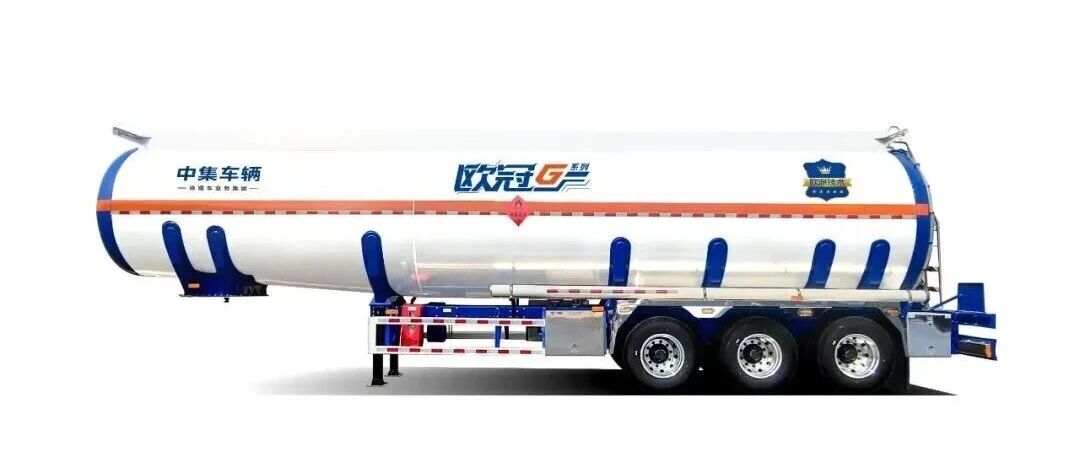
12月9日,中央电视台《朝闻天下》聚焦危化运输行业重大变革——GB21668-2025《危险货物运输车辆安全技术条件》强制性国家标准即将于2026年7 月1日全面实施。在此次权威报道中,由中汽中心武汉检验中心牵头修订、中集车辆(股票代码:301039.SZ)深度参与制定的新国标,通过中集车辆液 罐车完成核心技术解读,直观展现了我国危化运输安全体系的重构升级,更印证了中集车辆液罐车作为行业标杆的技术硬实力。 作为整合替代GB21668-2008等三项旧标的重磅新规,GB21668-2025构建了覆盖车辆设计、制造、使用全生命周期的安全技术体系,其核心升级直指行 业痛点。新标不仅强制要求中型以上车辆配备ESC电子稳定系统、AEBS自动紧急制动等智能安全装备,更对罐体结构强度、后部防护距离、新能源车辆 电池热失控防护等提出严苛要求,同时实现与联合国危险货物运输标准的全面接轨。这意味着,危化运输行业将迎来"安全门槛"的全面提升,合规不再 是底线,而是生存必备前提。 作为国内危化运输装备领域的领先企业,中集车辆深度参与了新国标的修订全过程,将多年技术积累与市场实践融入标准制定,为安全技术要求的落地 提供了关键参考。此次 ...
谷歌此次点燃的战火,可以燎原
新财富· 2025-12-10 08:05
Core Insights - The AI battlefield in 2025 has evolved from a focus on model performance to a multidimensional competition involving chips, software stacks, cloud services, and open-source ecosystems [2] - Google's rise signifies a strong challenge to the "horizontal division" model in AI infrastructure, promoting a "vertical integration" approach [3][4] - OpenAI faces significant financial pressure due to its heavy reliance on external computing power and a single revenue stream, while Google leverages its self-developed TPU chips for cost advantages [6][7][10] Group 1: Competition Dynamics - OpenAI's challenge is not only to catch up with Google's Gemini model performance but also to address its dependency on external computing resources, particularly from Microsoft [2] - NVIDIA's main threat comes from a fully integrated alternative system that combines hardware, software, applications, and open-source strategies [2][4] - The emergence of Google's TPU has lowered the entry barriers for specialized chips, transforming NVIDIA from the "only option" to "one of the options" in the market [4][19] Group 2: Technological Advancements - Google's TPU strategy has led to a significant reduction in total cost of ownership (TCO) for AI workloads, providing a competitive edge over NVIDIA's GPU solutions [3][17] - The core software stack of Google, including JAX, XLA, and Pathways, is designed to work seamlessly with TPU, enhancing performance and efficiency [4] - Google's Gemini 3 model has outperformed OpenAI's GPT-5 in key benchmarks, marking a significant technological advancement for Google [6] Group 3: Financial Implications - OpenAI's projected capital expenditure of nearly $2 trillion over the next eight years contrasts sharply with its expected revenue of over $10 billion in 2025, highlighting a severe financial imbalance [7][10] - Google's cloud services have become the preferred platform for over 70% of generative AI unicorns, showcasing its strong market position [10] - The shift in investment logic within the AI sector now emphasizes the viability of business models and profitability over mere technological breakthroughs [10] Group 4: Market Positioning - Google's comprehensive capabilities across large models, TPU chips, cloud platforms, and consumer applications provide it with a unique competitive advantage [24] - The AI market is likely to exhibit a winner-takes-all dynamic, with Google positioned to capitalize on its extensive ecosystem and financial stability [24][25] - Google's advertising revenue has seen significant growth, driven by AI's ability to enhance user intent understanding, further solidifying its market position [25]



1399的飞天茅台和1430的贵州茅台
新财富· 2025-12-09 08:05
Core Viewpoint - The white liquor industry is experiencing increased market attention following the release of Q3 reports, with notable investors like Duan Yongping and Zhang Kun re-accumulating shares in Moutai. The market sentiment is shifting towards a belief in the industry's recovery, particularly for Moutai, as it approaches its factory price of 1499 yuan per bottle, indicating a potential price floor [2][3]. Group 1: Market Dynamics - Moutai's batch price is nearing 1499 yuan, leading to a perception of a solid price support level as the stock price rises despite a decline in batch prices [3]. - Wuliangye's quarterly performance has seen a 50% decline, suggesting a significant industry clearing, with expectations for a recovery phase starting in 2026 [3]. - The impact of the 25-year alcohol ban is expected to diminish gradually, contributing to a more favorable outlook for the industry [3]. Group 2: Company Performance and Strategy - Moutai's revenue from series products is increasing, indicating that relying solely on the Flying Moutai price for profit calculations may be misleading. Key indicators for observing the industry include sales dynamics, pricing, inventory, and distributor profits [3]. - The recent appointment of Chen Hua as Moutai's chairman is seen as a strategic move to enhance the company's management and adaptability to new challenges, with a focus on quality over short-term metrics [6][7]. Group 3: Pricing and Sales Trends - The price of 530 ml 53° VOL Flying Moutai has reached 1399 yuan per bottle, which is below the official suggested retail price, indicating a shift in pricing strategies [8]. - Online sales of liquor are experiencing lower prices compared to offline distributors due to various factors, including inventory clearance strategies by distributors and competitive pricing tactics to attract consumers [10][11][12]. Group 4: Brand Integrity and Consumer Trust - Moutai has introduced an app for appointment-based product authentication, reflecting its commitment to combating counterfeit products and enhancing brand integrity. However, the current authentication process is limited and costly for consumers [16].


中国医保谈判之后,美国医保也学会了“灵魂砍价”
新财富· 2025-12-08 08:05
Core Insights - The 2025 Medicare negotiation results indicate a significant and ongoing impact on the innovative drug industry, with expectations of continued price reductions rather than a one-time event [3][8] - The second round of negotiations confirmed that high discount rates will persist, reshaping the industry's operational landscape and investor expectations [8][20] Group 1: Medicare Negotiation Outcomes - The second round of negotiations involved 15 high-cost drugs, with price reductions reaching up to 85%, and 11 drugs seeing discounts over 50% [5][8] - Notable drugs affected include Ozempic, which saw a price drop from $959 to $274 per month, representing a 71% reduction, saving patients approximately $8,220 annually [19][20] - The consistency in high discount rates between the first and second rounds signals a shift towards a systematic approach to drug pricing reform [8][18] Group 2: Industry Implications - The innovative drug industry's business model is being fundamentally rewritten, with lifecycle values of mature drugs entering a "compression era" due to systematic price reductions [22][24] - The commercialization timeline for innovative drugs is being forced to accelerate, requiring companies to maximize revenue in the early years post-launch [24][26] - The valuation of innovative drugs is shifting from "story pricing" to "cash flow pricing," emphasizing immediate revenue generation over long-term high pricing [26][30] Group 3: Future Landscape - The second round of negotiations has clarified the future regulatory environment, reducing uncertainty and allowing companies to plan around stable policy parameters [29][30] - The focus of competition is shifting back to the core aspects of innovation, such as product quality, clinical differentiation, and commercialization capabilities [30][31] - The industry is entering a new phase characterized by efficiency, speed, and differentiation, which may lead to a healthier and more transparent market for truly valuable innovations [30][31]



外卖、AI 2025年的阿里打赢了命运之战
新财富· 2025-12-04 08:04
Core Viewpoint - Alibaba is refocusing its strategy around e-commerce and AI cloud services, with significant investments planned for infrastructure and product development, aiming to reclaim its market position and enhance user engagement [2][3][31]. Investment and Strategic Focus - CEO Wu Yongming announced an investment of over 380 billion yuan in cloud and AI hardware infrastructure over the next three years, exceeding the total investment of the past decade [3]. - The company is prioritizing long-term investment in core businesses while seeking to monetize non-profitable segments quickly [2]. E-commerce Developments - In April, Alibaba launched "Taobao Flash Purchase," integrating various categories into a "30-minute delivery" system, marking its entry into the competitive food delivery market [4]. - By Q3 2025, the average daily order volume for Alibaba's delivery services surged to 28-30 million, increasing its market share from 18% to 32% [9][11]. AI and Technology Advancements - Alibaba's Qwen series of AI models has achieved over 600 million downloads globally, establishing itself as a leading choice for developers [4][17]. - The "Qwen" API offers competitive pricing, significantly lower than alternatives like GPT-4, enhancing its attractiveness in the market [16]. Product Launches and User Engagement - The "Qianwen" app, launched in November 2025, became the fastest-growing AI application, surpassing 10 million downloads in just one week [4][14]. - The introduction of Quark AI glasses represents a significant step in integrating AI into everyday life, allowing users to access various services seamlessly [5][27]. Market Position and Future Outlook - Alibaba's strategic shift is reflected in the rebranding of Ele.me to "Taobao Flash Purchase," emphasizing its integration into the broader Taobao ecosystem [29][30]. - The company aims to leverage both e-commerce and AI as dual engines for growth, signaling a return to its core strategic focus [31][32].


市场如何消化茅台的放量
新财富· 2025-12-03 08:05
Core Viewpoint - The article discusses the production cycle and future supply potential of Moutai liquor, emphasizing the unique production process and the expected market release of capacity over the next five years [2][6][17]. Production Process and Capacity - Moutai liquor is produced using a complex process involving specific ingredients and a lengthy production cycle, which includes a minimum of five years before the product can be sold [3][5]. - The design capacity reported in annual reports reflects the base liquor capacity that will only be marketable five years later, with the 2024 design capacity reported at 44,595 tons and actual capacity at 56,271.99 tons [6][9]. Capacity Conversion and Sales - The conversion coefficient for Moutai's production capacity typically ranges from 1.2x to 1.3x, influenced by annual climatic conditions [7][11]. - Actual sales figures reported in annual reports accurately reflect the sales for that year, but the production output does not directly correlate with the base liquor output from five years prior due to blending ratios and losses [8][10]. Future Sales Projections - Based on historical conversion coefficients and production data, Moutai's sales are projected to grow at a compound annual growth rate (CAGR) of approximately 6.12%, reaching an estimated 64,613 tons by 2030 [15][17]. - The "14th Five-Year Plan" for Moutai includes significant capacity expansion, with expectations for new production facilities to contribute to output starting in 2025 [12][14]. Social Inventory Analysis - Moutai's social inventory is complex and consists of both channel inventory and social inventory, with the latter further divided into speculative and collectible stocks [19][20]. - It is estimated that 30-40% of Moutai's annual sales flow into social inventory, amounting to approximately 90,000 to 95,000 tons, with a wealth retention value of around 400 billion yuan [21].

产业评论:AI,阳光下的泡沫?
新财富· 2025-12-02 09:21
Core Viewpoint - The article discusses the ongoing debate about whether the AI industry is experiencing a bubble, highlighting the impressive financial performance of Nvidia and the broader implications for the AI sector [2][4]. Group 1: Nvidia's Financial Performance - Nvidia reported a record revenue of $57 billion for Q3 2025, a 62% year-over-year increase, with a net profit of $31.9 billion, up 65% [2]. - The data center segment was the primary revenue driver, contributing $51.2 billion, a 66% increase year-over-year, accounting for nearly 90% of total revenue [8]. - Nvidia's GPU business generated $43 billion, serving as the foundation for AI training and inference, while the networking business contributed $8.2 billion [8]. Group 2: Market Sentiment and Bubble Concerns - Despite Nvidia's strong performance, nearly 50% of fund managers believe there is a bubble in AI stocks, a significant increase of over 30 percentage points from three months prior [9]. - The article emphasizes that assessing the existence of a bubble requires looking at the entire industry rather than just one company, noting that historical technological revolutions often accompany capital bubbles [10]. Group 3: Comparison with the Internet Bubble - Nvidia has faced capital withdrawal from investors, including notable figures like Peter Thiel, indicating a cautious attitude towards AI valuations [12]. - The article argues that the current AI landscape differs from the 2000 internet bubble, as AI valuations are still based on real revenue growth and companies possess fundamental support [13]. - AI is now directly involved in transforming production processes and decision-making systems, unlike the internet bubble, which primarily focused on information dissemination [14]. Group 4: AI Market Growth in China - The AI chip market in China is projected to exceed 150 billion yuan in 2024 and reach nearly 1.5 trillion yuan by 2030, with a compound annual growth rate of over 50% [18]. - Domestic companies like Cambricon are experiencing significant revenue growth, with a reported increase of nearly 2400% year-over-year [19]. - The demand for AI capabilities is rapidly increasing, particularly in sectors like automotive and pharmaceuticals, indicating a robust market for AI applications [24]. Group 5: Long-term Viability and Investment Considerations - OpenAI's revenue is expected to grow significantly, but it also faces substantial losses due to high operational costs, indicating a reliance on external financing for the foreseeable future [26]. - The article suggests that the current market correction is more about recalibrating short-term valuations rather than denying the underlying industry logic [27]. - Investors should focus on identifying companies with technological barriers and sustainable cash flow capabilities, as these will be the winners in the long run [28].