新财富

Search documents
8月10日,新财富最佳分析师评选阶段性排名出炉!这些机构暂居前列,悬念留到最后揭晓
新财富· 2025-08-10 11:31
Group 1 - The article discusses the rankings of various securities firms in different sectors, highlighting their performance and market positioning [2][4][5] - It provides a list of top securities firms in categories such as banking, non-bank financials, real estate, and food and beverage, indicating their competitive standings [6][7][8] - The rankings reflect the firms' capabilities in sectors like healthcare, technology, and energy, showcasing their influence in the investment banking landscape [9][10][11] Group 2 - The article emphasizes the importance of sector-specific expertise among securities firms, suggesting that firms with strong sector knowledge tend to perform better [12][13] - It notes the dynamic nature of the market, where firms must adapt to changing economic conditions and investor preferences to maintain their rankings [14][15][16] - The analysis includes insights into how firms are leveraging technology and innovation to enhance their service offerings and client engagement [17][18][19]





实时榜单发布 | 2025 第二十三届新财富最佳分析师评选
新财富· 2025-08-09 10:40
Group 1 - The voting for the 23rd New Fortune Best Analyst Awards in 2025 is currently ongoing, and voters can check the real-time leaderboard through the "New Fortune Secretary Circle" WeChat mini-program [1] - Voters can access the voting tool via the "New Fortune Secretary Circle" WeChat mini-program by scanning the provided QR code [2] - Voters can log in using their registered mobile number and receive a password via SMS, which may be intercepted, or they can check their login credentials on the New Fortune official website [2]

全球工程机械2025年都在触底,国内国外后续有望双增
新财富· 2025-08-08 09:46
Core Viewpoint - The domestic engineering machinery market is expected to continue its recovery trend in 2025, driven by infrastructure and large-scale water conservancy projects, despite short-term inventory adjustments affecting sales in May 2025 [1] Domestic Market Analysis - The domestic engineering machinery industry has shown two significant upward cycles: 2006-2011 and 2016-2021, with the latter driven by government investment and infrastructure projects [7] - From 2021 to 2023, domestic sales revenue for major companies like SANY and XCMG dropped sharply, while export revenue increased significantly, indicating a shift towards international markets [9] - As of early 2024, domestic demand for hydraulic excavators has shown signs of recovery, with a year-on-year growth rate of around 20% [10][15] - The demand narrative for domestic engineering machinery has fundamentally changed, with a shift away from reliance on real estate towards infrastructure projects and agricultural development [16] Export Market Dynamics - The export ratio of domestic engineering machinery companies has increased from less than 10% to over 50%, enhancing their ability to benefit from global demand recovery [3] - The export of second-hand excavators has accelerated, with 2025 projections indicating that second-hand exports will impact domestic sales significantly, accounting for 76.5% of the influence on new machine sales [18] Global Market Trends - The global engineering machinery market is expected to hit bottom in 2025, with a long-term upward trend beginning in 2026, primarily due to declining growth in major markets like Europe and North America [1] - Caterpillar and Komatsu reported declines in Q2 2025 revenues, with Caterpillar's revenue at $16.569 billion, down 1% year-on-year, affected by pricing pressures and increased manufacturing costs [20][27] - Emerging markets, particularly in Southeast Asia and Africa, continue to contribute positively to global engineering machinery demand, offsetting declines in developed markets [29][35]






线控正在悄悄改变汽车底盘
新财富· 2025-08-07 08:03
Core Viewpoint - A significant transformation is occurring in the automotive industry with the advent of X-by-Wire technology, which replaces mechanical systems with electronic signals, enabling vehicles to have a "nervous system" for better responsiveness and control [1][4]. Group 1: Definition and Importance of X-by-Wire Technology - X-by-Wire refers to the use of electronic signals to control critical vehicle functions such as steering, braking, and acceleration, allowing for greater design freedom and programmability [3]. - This technology is foundational for the realization of smart vehicles, as it enables precise and reliable execution of control signals necessary for advanced levels of autonomous driving [4][5]. Group 2: Applications and Segmentation of X-by-Wire Technology - The current discussions around X-by-Wire technology focus on its application in the power domain and chassis domain, including components like throttle control, gear shifting, braking, steering, and suspension [8]. - The article categorizes these applications into three groups based on their level of adoption and complexity [8]. Group 3: Widely Adopted Technologies - Throttle control is the most widely adopted X-by-Wire technology, implemented in most fuel and electric vehicles, enhancing the precision of power output control [15][17]. - Shift-by-Wire technology is increasingly seen in electric and hybrid vehicles, allowing for more flexible gear shifting mechanisms [15][17]. Group 4: Transitioning Technologies - Brake-by-Wire (BBW) technology is gaining traction, with a projected penetration rate of 51.58% in the domestic passenger car market by 2024, up from 37.68% in 2023 [19]. - Steer-by-Wire technology is still in its early stages, with a penetration rate of less than 1%, primarily due to safety concerns and regulatory requirements [22][23]. Group 5: Comfort-Oriented Technologies - X-by-Wire suspension systems focus on enhancing ride comfort by actively adjusting to road conditions, with three main development directions: Continuous Damping Control (CDC), air suspension, and fully active hydraulic suspension [25][26]. - CDC is the most widely used and cost-effective option, while air suspension and fully active systems are seen in higher-end models, reflecting a trend towards increased adoption of X-by-Wire technologies in the market [26][29]. Group 6: Future Outlook - The electrification and intelligence of new energy vehicles provide a conducive environment for the rapid development of X-by-Wire technology, with simpler and safer applications leading the way [32]. - The remaining challenges in more complex areas like steer-by-Wire and fully active suspension systems may require the broader adoption of advanced smart vehicles to unlock their full potential [32].


DeepSeek:薛定谔式“凉”了?
新财富· 2025-08-06 08:03
Core Viewpoint - The article discusses the recent decline in the usage and market share of DeepSeek, questioning the validity of the reported statistics and emphasizing the importance of considering third-party API usage in evaluating its performance [2][4][10]. Summary by Sections Market Share and Usage Statistics - Reports from Semianalysis indicate that DeepSeek's market share has dropped to below 5%, with a significant decline noted since January [4][10]. - The statistics cited by Semianalysis primarily focus on the official API usage, potentially overlooking significant third-party integrations and deployments [10][12]. Third-Party API Usage - DeepSeek's third-party API calls have reportedly increased nearly 20 times since the release of versions V3 and R1, indicating sustained interest from developers [11][12]. - The article argues that the decline in official API usage does not reflect the overall demand for DeepSeek, as many applications integrate it without being captured in the official statistics [10][12]. Comparative Performance - Data from OpenRouter shows that DeepSeek V3 has a tokens consumption of 378 billion, ranking it third behind Claude Sonnet 4 and ahead of Google’s Gemini [17][22]. - Despite a decline in market share, DeepSeek maintains over 50% of the domestic B-end demand, indicating its strong position in the market [33]. User Preference and Community Engagement - A survey by Artificial Analysis found that 53% of respondents still prefer DeepSeek, placing it fourth among AI product providers [39]. - DeepSeek-R1 continues to lead in popularity on platforms like Hugging Face, indicating strong community support despite market fluctuations [44]. Industry Context and Future Outlook - The rapid evolution of AI technology suggests that a decline in DeepSeek's market share may not indicate a loss of relevance but rather reflects the dynamic nature of the industry [49]. - The article highlights the importance of open-source contributions from DeepSeek in promoting AI equity, contrasting it with other companies that are moving away from open-source models [49][50].

股票组前3名平均收益率高达108%,创新药能否追?TOP3投顾解读热点机会!新财富投顾评选7月战报
新财富· 2025-08-05 09:00
Core Viewpoint - The article highlights the strong performance of the stock market in July, with major indices showing significant gains and a record number of investment advisors participating in the New Fortune Best Investment Advisor evaluation, indicating a bullish market sentiment and opportunities for investors [1][9][27]. Market Performance - In July, the Shanghai Composite Index reached a new high of 3636.17 points, while the ChiNext Index saw an 8.14% increase [1]. - The overall market sentiment was positive, with a notable increase in the number of investment advisors participating in the evaluation, totaling 39,893 from 90 securities firms, marking a record high [1]. Investment Advisor Performance - The top three advisors in the stock trading group achieved an average return of 108.4%, showcasing exceptional performance [2]. - The top ten advisors in the stock trading group had an average return of 89.79%, with the top 300 advisors averaging 43.98%, both significantly outperforming the Shanghai Composite Index's 8.97% increase [7][16]. ETF Group Performance - The top three advisors in the ETF group achieved an average return of 85.03%, reflecting strong performance in passive investment products [8]. - The average returns for the top 10, 100, and 200 advisors in the ETF group were 63.87%, 41.24%, and 36.25%, respectively, all exceeding the performance of major indices [15][16]. Advisor Insights - Advisors discussed the current market phase, with varying opinions on whether it is in the early, mid, or late stages of a bull market. They emphasized the importance of focusing on individual stocks rather than indices [17][18][19]. - Key sectors to watch include innovative pharmaceuticals, robotics, and military industries, with a focus on earnings reports and policy catalysts [17][19][20]. Institutional Strength - The competition among securities firms is highlighted, with Guangfa Securities and CITIC Securities leading in advisor numbers, indicating strong institutional capabilities [27][38]. - The article emphasizes the growing importance of professional advisory services in the securities industry as market reforms deepen [38].


PD-(L)1/VEGF双抗走向“百家争鸣”
新财富· 2025-08-04 08:01
Core Viewpoint - The article discusses the emergence of bispecific antibodies targeting both PD-(L)1 and VEGF in cancer treatment, highlighting the approval of Ivoris monoclonal antibody as the first of its kind in China, which has sparked a wave of interest and competition in this field [2][3]. Group 1: Overview of Bispecific Antibodies - The combination of immune therapy and anti-angiogenesis drugs has shown significant clinical success, but traditional dual-drug regimens face challenges such as dosage control and side effects [2]. - Ivoris monoclonal antibody, developed by Kangfang Biopharma, is the first PD-1/VEGF bispecific antibody approved globally, marking a significant milestone in the industry [2][3]. Group 2: Competitive Landscape - Over 17 PD-(L)1/VEGF bispecific antibodies are currently in clinical trials globally, indicating a highly competitive environment with numerous companies entering the market [3]. - The competition is characterized by a diverse range of technical approaches and designs, leading to a "hundred flowers bloom" scenario in the industry [3][4]. Group 3: Key Technical Variables - Three critical variables differentiate the designs of PD-(L)1/VEGF bispecific antibodies: 1. Selection of immune targets (PD-1 vs. PD-L1), which affects the breadth of immune response and potential side effects [6]. 2. Choice of anti-angiogenesis targets (VEGF vs. VEGFR), influencing the mechanism of action and potential adverse effects [6]. 3. Antibody structure and fusion methods, which impact the drug's pharmacological properties and production processes [9]. Group 4: Representative Technical Designs - Kangfang Biopharma's Ivoris features a symmetrical tetravalent structure ("2+2 design") that enhances affinity for both PD-1 and VEGF targets, showcasing a promising design in the bispecific antibody landscape [13]. - Other companies are exploring different fusion strategies, such as C-terminal and N-terminal fusions with nanobodies, which may offer advantages in tissue penetration and efficacy [14]. Group 5: Clinical Relevance - The article emphasizes that despite theoretical advantages of various designs, the true measure of success will be clinical efficacy and safety data, as past experiences with PD-1 and PD-L1 antibodies have shown that theoretical differences do not always translate into clinical outcomes [16][17]. - The focus should remain on actual clinical results, production efficiency, and market competitiveness rather than solely on innovative structural designs [20].


投票开启 | 2025 第二十三届新财富最佳分析师评选
新财富· 2025-08-03 12:04
Group 1 - The voting for the 23rd New Fortune Best Analyst Selection starts on August 4 at 16:00 and ends on August 18 at 24:00 [1] - Voting can be conducted through the "New Fortune Secretary Circle" WeChat mini-program [1] - Voters need to log in using their registered mobile number and the password received via SMS [2] Group 2 - The list of voting institutions can be queried through mobile and web platforms [3] - For mobile, users can click to query, while for the web, they need to log in to www.xcf.cn and navigate to the relevant section [3] - The specific page for querying voting institutions is titled "Voting Institution Publicity" [3]

无人叉车带来叉车行业的新增量
新财富· 2025-08-01 08:05
Core Viewpoint - The article discusses the growth potential and application of autonomous forklifts, emphasizing their integration with existing forklift technology and the increasing demand in logistics and manufacturing sectors [2][5][6]. Group 1: Industry Trends - The robotics industry is evolving along two main paths: vertical development focusing on humanoid robots for industrial and consumer applications, and horizontal development targeting specific applications to enhance efficiency through automation [2]. - In the logistics sector, companies like Amazon have deployed a significant number of robots, optimizing operations and reducing movement time by 10% [3]. Group 2: Market Data - Global forklift sales are projected to reach 2.14 million units in 2024, with a year-on-year growth of 6.5%, and China is expected to account for half of this volume [5]. - In 2023, global sales of autonomous forklifts reached approximately 30,700 units, marking a 46% increase year-on-year, with China leading the market at 19,500 units sold, a 47% increase [10]. Group 3: Technology and Cost - The cost of autonomous forklifts has significantly decreased from 600,000 RMB to around 200,000 RMB per unit since 2018, making them more competitive against traditional electric forklifts [13]. - The integration of advanced navigation and control technologies has enhanced the operational capabilities of autonomous forklifts, allowing for greater efficiency in indoor logistics [12]. Group 4: Company Performance - Toyota Industries reported a decline in forklift sales for FY2025 but expects net sales to grow by 7.7% due to price increases and favorable exchange rates [20]. - Hyster-Yale's Q1 2025 revenue fell by 14% year-on-year, primarily due to a weak European market, while KION Group saw a significant increase in order volume, indicating strong demand in the industrial vehicle sector [22][25]. Group 5: Future Outlook - The forklift industry is anticipated to experience a recovery starting in 2025, driven by growth in emerging markets, while the North American and European markets remain relatively weak [27].

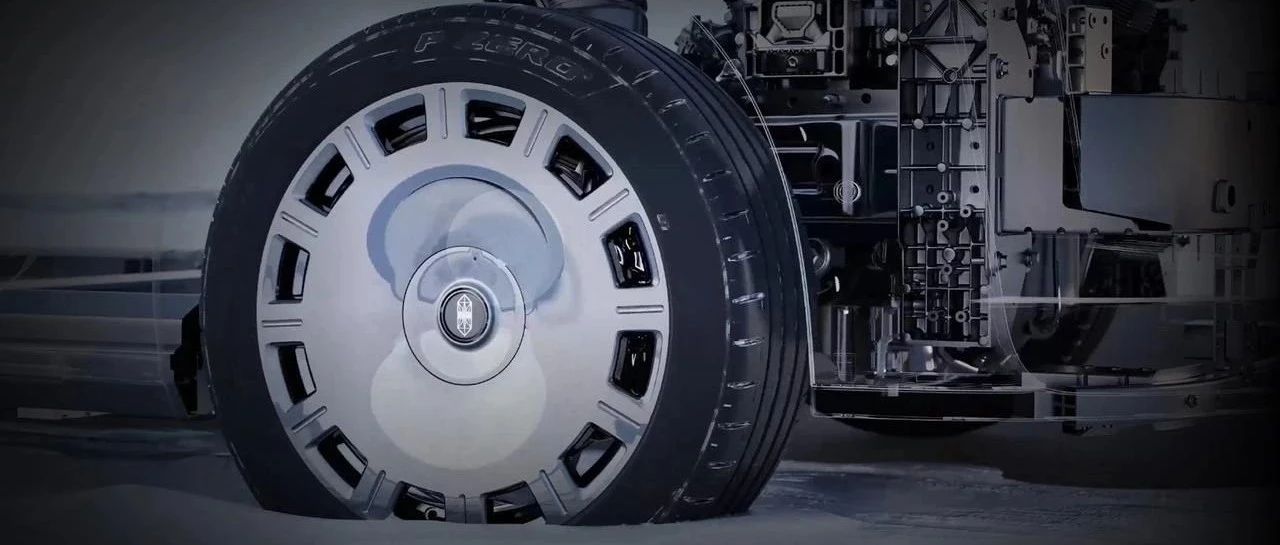
华为怎么和底盘“杠”上了
新财富· 2025-07-31 08:05
Core Viewpoint - The article discusses the shift in the automotive industry from price wars to technological competition, highlighting Huawei's strategy to focus on smart chassis technology to gain a competitive edge in the mid-to-high-end market [1][3]. Group 1: Industry Trends - The development of electric vehicles has transitioned from electrification to smart technology, with the ability to educate consumers on smart features becoming crucial for market leadership [3]. - Smart vehicles are categorized into three main areas: smart cockpit, smart driving, and smart chassis, with the latter still in the early stages of competition [3][4]. - The integration of multiple domains in smart chassis technology is essential for enhancing vehicle control and driving experience [5]. Group 2: Huawei's Initiatives - Huawei launched its first-generation smart chassis, "Tuling Smart Chassis," in November 2023, followed by the second-generation "Tuling Longxing Digital Chassis" in February 2024, which integrates six subsystems into a central controller for real-time decision-making [7][10]. - The smart chassis aims to improve safety, comfort, and flexibility in driving experiences, with features like slip prevention and rapid tire blowout detection [10][12][13]. Group 3: Strategic Rationale - Huawei's move into smart chassis technology leverages its extensive experience in ICT, allowing for a seamless integration of various automotive functions and enhancing its competitive position [15][16]. - The shift from hardware-centric sales to software-defined chassis solutions represents a significant business model upgrade, enabling ongoing revenue through software subscriptions and data services [16]. - As competition in smart cockpit and driving technologies intensifies, Huawei seeks to differentiate itself by completing the execution chain of smart vehicles and enhancing product value [17]. Group 4: Historical Context - Huawei has been building its automotive capabilities since 2018, collaborating with Audi and establishing a dedicated chassis tuning team in Germany, which includes experienced engineers from renowned automotive companies [19][20].