新财富

Search documents
第八届新财富投顾评选评委观点集:为什么说“信任复利”才是财富管理最深的护城河?
新财富· 2025-12-30 08:04
Core Viewpoint - The eighth New Wealth Best Investment Advisor selection has concluded, highlighting the evolution of the investment advisory industry from product sales to asset management and long-term client relationships [1][66]. Group 1: Professional Development and Industry Trends - The investment advisory team is rapidly maturing, showcasing high research standards and a strong client service awareness, which is essential for the high-quality development of the wealth management industry [2][5]. - The transition from "product sellers" to "asset allocators and companions" emphasizes the growing importance of professionalism, communication, and trust in the advisory role [10][58]. - The industry is moving from "scale expansion" to "deep service," with a focus on understanding clients and navigating market fluctuations [14][66]. Group 2: Future Expectations and Capabilities - Future investment advisors are expected to enhance their capabilities in asset allocation, risk identification, and the use of digital tools to improve service efficiency and precision [62][66]. - The wealth management industry is at a critical stage, where compliance, professionalism, and long-termism will be foundational for success [62][67]. - Advisors should aim to create value centered around client trust, ensuring that investment advice is both profound and warm [67]. Group 3: Client-Centric Approach - The essence of successful wealth management lies in building long-term trust with clients, which requires a shift towards a client-centered service model [41][66]. - Advisors are encouraged to maintain a focus on clients' long-term interests, ensuring that wealth management is not merely about product sales but about delivering sustainable value [66][67]. - The industry is witnessing a significant transformation, where the role of advisors is evolving into that of "wealth stewards" and "life companions" for clients [66].

从“卖产品”到“做配置”:第八届新财富最佳投顾评委眼中的投顾转型关键三步
新财富· 2025-12-29 08:04
Core Viewpoint - The eighth New Wealth Best Investment Advisor selection has concluded, highlighting the evolution of the investment advisory industry from product sales to asset management and long-term client relationships [1][75]. Group 1: Professional Development and Industry Trends - The investment advisory team is rapidly maturing, showcasing high research standards and a strong client service awareness, which is essential for the high-quality development of the wealth management industry [2]. - The transition from "product sellers" to "asset allocators and companions" is becoming increasingly evident, emphasizing the importance of professional skills, communication, and trust [10][44]. - The industry is moving from "scale expansion" to "deep service," with a focus on understanding clients and navigating market fluctuations [14][67]. Group 2: Client-Centric Approach - Advisors are encouraged to embrace a "buy-side perspective," focusing on long-term client interests and developing cross-cycle asset allocation capabilities [10][62]. - The importance of enhancing client experience and service quality is recognized as a core direction for the asset management industry [24][38]. - Trust and responsibility are highlighted as critical elements for advisors to effectively support clients in wealth growth and risk management [41][46]. Group 3: Future Outlook - The future of the investment advisory industry lies in those who can adapt to market changes and maintain a commitment to client trust and professional integrity [14][75]. - The integration of technology and quantitative tools is expected to enhance the professionalism and replicability of advisory services [46]. - The industry is poised for significant growth, driven by the evolving wealth structure of residents and the deepening reforms in the capital market [75].
“共产党好”,为什么又回来了?——从田间地头的真实感受,看正面舆论的基层回流
新财富· 2025-12-26 01:12
它背后对应的,是普通人是否在现实生活中 " 被国家看见 " 。 如果把时间线拉长,我们会发现一个被很多人忽略的现象: 近几年,最稳定、最真实、最持续的正面舆论,并不是从 城市中产 开始的,而是从农村、从 基层 、从 最弱势群体中生长出来的。 而这条路径,极其耐人寻味 —— 它正在呈现出一种 " 农村包围城市 " 的舆论回流结构。 一、为什么在毛泽东时代, "共产党"在人民心里? " 共产党好 " 这四个字,从来不只是口号。 在毛泽东时代, " 共产党好 " 并不是因为生活条件优越,而是基于: 二、为什么后来说 " 共产党好 " 的人越来越少? 转折点,并不在于改革开放本身,而在于权力结构的演化。 随着经济发展 , 在很多普通人眼中, " 政府官员 " 逐渐变成了一个特殊权力阶层,而不是 " 我们中的一 员 " 。 与此同时: 于是出现了一种非常典型的心理变化: " 国家在发展,但发展好像不是为了我。 " 这是情感疏离。 三、真正的变化,发生在最近十年,尤其是近几年 很多人低估了这一轮变化的深度。 近几年, 国家 在做的,并不是宏大叙事层面的 " 口号回归 " ,而是 极其具体、极其现实、直击 基层 风 险的制 ...

两家公司同一天股价翻倍,资本市场在押注什么样的减肥药?
新财富· 2025-12-25 08:52
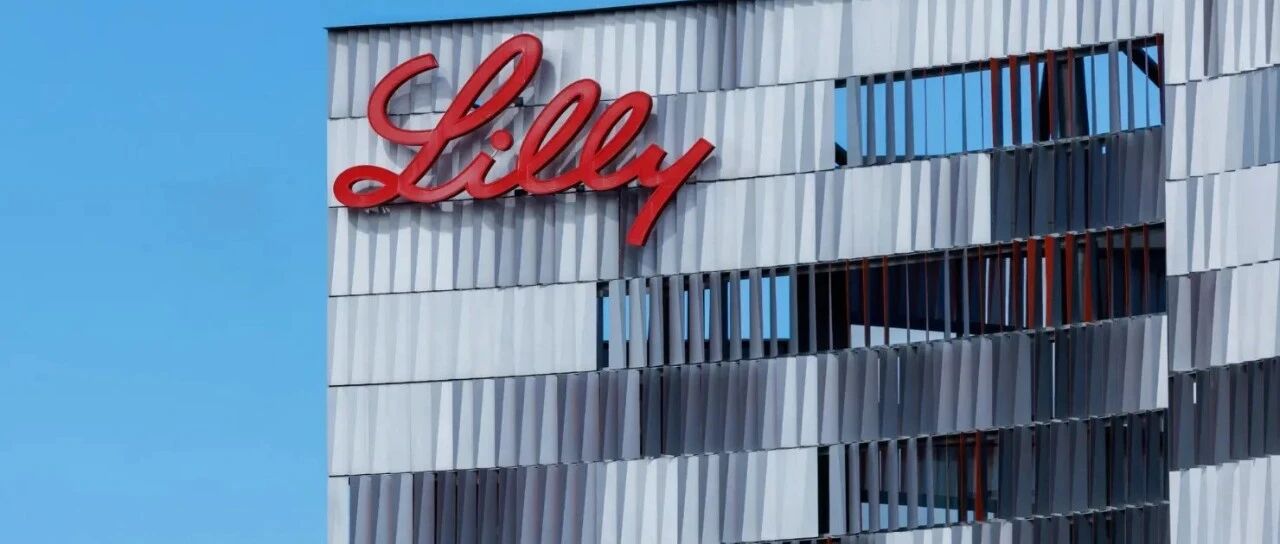
Core Viewpoint - The capital market is shifting its focus from merely achieving higher weight loss percentages to exploring alternative methods for addressing obesity, particularly through new drug mechanisms and oral formulations [3][6]. Group 1: Market Trends and Innovations - The weight loss drug industry is reaching a consensus that a 25% weight loss may be the upper limit achievable through drug interventions, with increasing difficulty in achieving stable and tolerable breakthroughs [3][6]. - On December 8, 2023, several biotech companies focused on next-generation weight loss drugs saw significant stock price increases, driven by early clinical data on oral small molecules and new mechanisms outside of GLP-1 [3]. - Eli Lilly's Retatrutide reported a 28.7% weight loss in its Phase III TRIUMPH-4 study, surpassing the previously accepted 25% ceiling, but this came with higher discontinuation rates and new adverse reaction signals [5][13]. Group 2: Clinical Data and Implications - The TRIUMPH-4 study included 445 participants with obesity or overweight and knee osteoarthritis, indicating a larger weight loss potential due to the higher baseline BMI of participants [15]. - Retatrutide demonstrated significant improvements in pain scores related to osteoarthritis, suggesting its clinical value extends beyond weight loss alone [20]. - The study revealed that 47.7% and 58.6% of participants in the 9 mg and 12 mg groups, respectively, achieved at least 25% weight loss, while only 1.3% in the placebo group did [22]. Group 3: Future Directions in Weight Loss Drug Development - The next generation of weight loss drugs is expected to focus on improving tolerability and adherence rather than solely maximizing weight loss percentages, with oral formulations and receptor signaling pathways becoming key areas of exploration [29][30]. - Companies like Structure Therapeutics and Wave Life Sciences are developing oral small molecules and RNA therapies that aim to enhance patient compliance and address body composition rather than just weight [30][36]. - The competition in the weight loss drug market is evolving towards a more nuanced understanding of patient needs, emphasizing long-term management and the optimization of body composition [44][46].
OpenAI有几分胜算
新财富· 2025-12-24 08:04
Core Insights - OpenAI's journey reflects the intersection of technological enthusiasm, capital competition, ethical dilemmas, and future aspirations, leading to three potential futures: becoming a leader in AGI, a top AI product company, or a diluted leader in a competitive landscape [2] Group 1: OpenAI's Formation and Early Development - OpenAI was founded in 2015 with a $1 billion commitment from investors like Elon Musk and Peter Thiel, aiming to ensure AGI benefits all humanity while avoiding early commercialization pressures [5] - The initial research path was ambitious, focusing on projects like OpenAI Gym and OpenAI Five, which showcased AI's capabilities in various scenarios [6] - The emergence of the Transformer architecture marked a pivotal shift for OpenAI, leading to the development of the GPT series, starting with GPT-1 in 2018 [10] Group 2: Business Model and Financial Challenges - OpenAI's business model faces significant challenges, with nearly 80% of revenue dependent on ChatGPT and projected losses reaching $10 billion by 2025 [16] - The company is transitioning from being an API provider to developing application products, aiming for $100 billion in annual revenue by 2029 [17] - OpenAI is also integrating vertically by developing enterprise solutions and exploring self-developed AI chips to reduce reliance on external infrastructure [18] Group 3: Competitive Landscape - OpenAI's market share is projected to decline from 50%-55% in 2024 to 45%-50% in 2025 due to increasing competition from companies like Anthropic and Google [27] - The rise of open-source models, such as Meta's Llama series, is disrupting the market, with open-source models expected to capture 35% of the market by 2025 [29] - The competitive landscape is shifting towards a multi-model strategy, where users prefer flexibility among top models rather than seeking a single best model [30] Group 4: Future Outlook - OpenAI's future is uncertain, with potential paths ranging from becoming a dominant AGI player to facing dilution in a competitive market [2] - The ongoing AI revolution, ignited by OpenAI, is reshaping various aspects of human life, indicating that the journey of innovation is far from over [30]

九号2026全系标配智驾系统,重塑两轮电动车出行体验
新财富· 2025-12-24 08:04
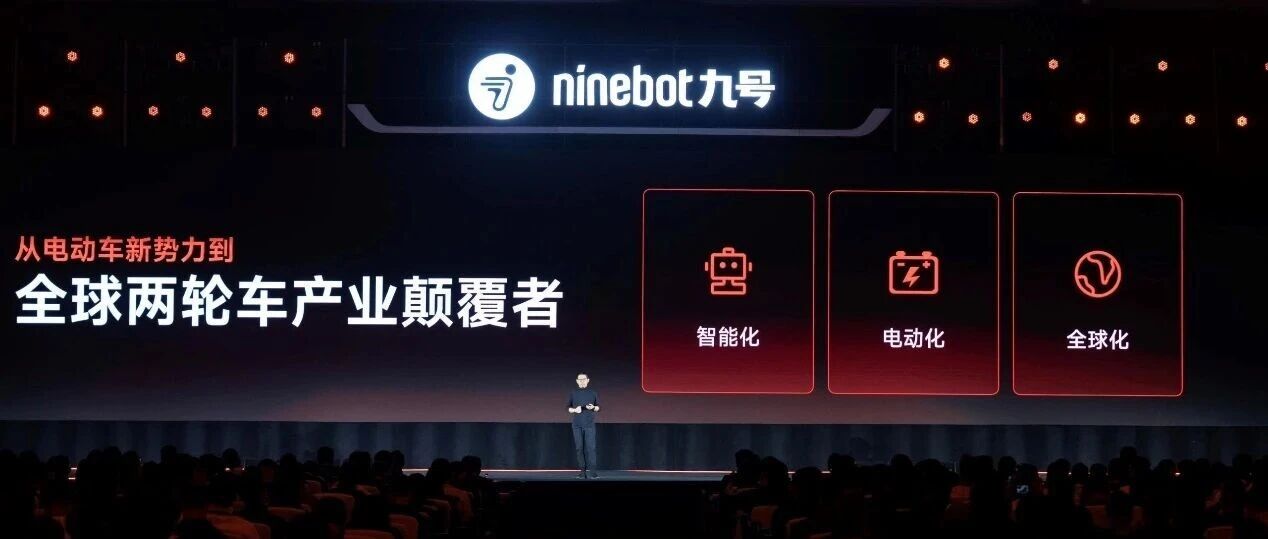
Core Viewpoint - Ninebot Company aims to transform from a new force in electric vehicles to a global disruptor in the two-wheeler industry, focusing on innovation and market expansion rather than competition in existing markets [5][6]. Group 1: Strategic Vision - The future of Ninebot is centered around three strategic pillars: smart technology, electrification, and globalization [6]. - The company plans to launch a dual-brand strategy with "Ninebot" and "Segway" to cater to diverse global user preferences [8]. Group 2: Technological Advancements - Ninebot is committed to making advanced technology accessible to all users, with nearly one million units of ABS technology deployed to enhance safety [10]. - The company aims to introduce a comprehensive upgrade in 2026, focusing on four dimensions: intelligence, driving experience, safety, and enjoyment [12][13]. Group 3: Market Performance - As of September 2025, Ninebot's cumulative shipments in the Chinese market exceeded 9 million units, reflecting strong consumer trust in its technology [10]. - In 2025, Ninebot dominated the smart two-wheeler market, with 70% of sales attributed to its brand [16]. Group 4: User Engagement and Social Responsibility - Ninebot has engaged with younger demographics through various initiatives, including collaborations with brand ambassadors and community events [17][19]. - The company has established the "Ninebot Safe Driving Academy" to promote proactive safety measures and has conducted over 260 public safety awareness events [20]. Group 5: Future Initiatives - Ninebot plans to enhance user experience through the "Oasis Campaign," focusing on service integration and customer satisfaction [20].
第八届新财富投顾评选评委寄语集锦:真正的投顾,从不只有一种答案
新财富· 2025-12-23 08:31
历经数月的激烈角逐, "第八届新财富最佳投资顾问"评选结果 于昨日揭晓。在聚焦"服务能力"的总决赛阶段,新财富于成都、北京、深圳、上海四地 搭建舞台,由54位来自券商、公私募及三方机构的资深评委坐镇,通过严谨的现场评审与答辩,最终从众多精英中遴选出91位行业标杆。他们不仅展现 了卓越的个人专业素养,更树立了财富管理行业以客户为中心的服务典范。 一场高规格的赛事,也是一次行业思想的深度碰撞。我们特邀本届评委留下寄语,他们以深刻的洞察与殷切的期盼,共同勾勒出财富管理行业的当下风 貌与未来图景。 部分评委寄语(排名不分先后,以机构首字母为序) 承泽资产CEO兼投资总监曹雄飞 : 与五六年前相比,本届选手在投资逻辑、业绩呈现、材料准备及演讲表达等方面均展现出质的飞跃。新财富投顾评 选长期坚守,对推动行业专业进步功不可没。祝贺评选硕果累累,也祝福每位选手前程似锦! 绰瑞基金基金经理金戈 : 作为第一次参加的评委,我从自己的专业角度对各位参评者给出分析和建议,同时也了解到券商服务的新生态。每个参评者 表现都非常出色,不仅要做专业投资方面的建议,同时也负责给不同经历不同背景的客户来做资产配置。希望新财富最佳投顾评选越来越好 ...
第八届新财富最佳投顾荣耀诞生:全国最大投顾竞技平台的巅峰对决!
新财富· 2025-12-22 08:11
Core Viewpoint - The article discusses the results of the 2025 New Fortune Best Investment Advisor Awards, highlighting the top investment advisors and teams in the industry, showcasing their performance and contributions to wealth management [30]. Group 1: Best Investment Advisors - The top investment advisors in the stock trading category include Ning Shiyu from CITIC Securities, Lei Mengyao from Guolian Minsheng Securities, and Wang Xiaolai from Tongshi Securities, among others [3][5]. - A total of 91 advisors were selected as the best investment advisors after rigorous evaluations in two phases: investment management capability and service capability [31]. Group 2: Best Investment Advisor Teams - The leading investment advisor teams are led by Guangfa Securities, CITIC Securities, and China Galaxy Securities, reflecting their strong performance in the industry [15][24]. - New awards were introduced this year, including the Best Stock Elite Advisor Team Award and the Best ETF Elite Advisor Team Award, focusing on actual business performance and innovation in advisory services [31]. Group 3: Evaluation Process - The evaluation process involved participation from 39,893 advisors across 90 securities firms, covering all 31 provincial-level administrative regions and 325 cities, setting a record for participation [30]. - The final selection of advisors was based on a comprehensive assessment by 54 senior judges from various financial institutions during the finals held in major cities [31].



茅台非标减量,价格重回1550
新财富· 2025-12-18 08:05
Core Viewpoint - Guizhou Moutai has introduced new distribution channel policies focusing on controlling supply and reducing non-standard product quantities to adapt to changing market conditions and consumer demand [3][5]. Group 1: Supply Control Measures - The company has decided to pause all unshipped orders for December and will not prioritize early sales for the 2026 sales plan, instead basing future shipments on actual sales performance [9]. - Non-standard product supplies will be adjusted, with a 30% reduction in 15-year aged and kilogram Moutai, a 50% reduction in the zodiac series, and a halt in the supply of rare Moutai [9]. - The pricing strategy for premium Moutai will be optimized, with potential price reductions based on market performance after the supply adjustments [9]. Group 2: Price Formation Mechanism - The wholesale price of Moutai can be viewed as a dynamic equilibrium function of supply and demand, with the factory's suggested retail price being a set figure rather than a market-driven price [8]. - The significant gap between the actual wholesale price and the official price (greater than 1499 yuan) has led to excess demand, which has been supplemented by older vintages of Moutai [10]. - As of December 2025, the wholesale price of Moutai had dropped to 1450 yuan, indicating a direct reflection of supply and demand dynamics, with the price sensitivity to demand fluctuations increasing [12]. Group 3: Market Dynamics and Future Outlook - The overall demand for liquor is declining in line with population growth, while supply is in a capacity release cycle, prompting the management to implement proactive measures to control prices [13]. - The effectiveness of Moutai's price control will depend on the execution of the proposed measures and the market's response to these changes [13]. - The company aims to focus resources on three core products: Moutai 1935, Flying Moutai, and Premium Moutai, targeting price segments of 600+ yuan, 1500+ yuan, and 2000+ yuan respectively [9].


怎么理解金价是老铺的β
新财富· 2025-12-17 08:04
Core Viewpoint - The article discusses the divergence in market perception regarding Laopu Gold and its relationship with gold prices, emphasizing that Laopu Gold is a beta to gold prices and exploring the implications of this relationship for investors [3]. Group 1: Sales and Revenue - Laopu Gold's projected revenues for 2023, 2024, and the first half of 2025 are 31.80 billion, 85.06 billion, and 123.54 billion yuan respectively, showing year-on-year growth of +145.7%, +167.5%, and +251% [5]. - The gross profit margins for these periods are 42%, 41%, and 38%, with the decline attributed to rising raw material costs [5]. - Laopu Gold does not use hedging tools to mitigate gold price volatility but manages risks through monthly procurement plans and price adjustments [5]. Group 2: Business Model Comparison - Most gold jewelry retail companies rely on stable processing fees for sustainable profits rather than fluctuating gold prices [6]. - Laopu Gold's strategy is to maximize profit margins during gold price increases, positioning itself as a high-end brand with less sensitivity to raw material price changes [10]. Group 3: Store Expansion and Pricing Strategy - Laopu Gold plans to open 9 new stores and expand or renovate 8 stores in 2025, indicating a proactive approach to capitalize on the current gold price cycle [10]. - The company has implemented price increases 2-3 times annually, with a cumulative increase of approximately 20% in 2024 and over 40% in 2025 [12]. - The price adjustments have not kept pace with the rise in gold futures, suggesting a lag in price increases relative to market conditions [12]. Group 4: Consumer Behavior and Market Positioning - Laopu Gold is attracting customers from traditional brands like Chow Tai Fook and Chow Sang Sang, indicating a shift in consumer preferences towards its offerings [17]. - The brand's unique design philosophy and cultural narrative have contributed to its ability to capture high-net-worth consumers, despite a general trend of "downgrading" among luxury consumers [17][18]. - The company is focusing on expanding its VIC (Very Important Customer) user base to reduce price sensitivity among its clientele [21]. Group 5: Future Profitability and Market Challenges - Laopu Gold aims to maintain its gross margin despite the removal of gold price increases as a factor, focusing on enhancing its membership system and product offerings [21]. - The company has maintained a stable gross margin of 41-42% from 2021 to 2024, with specific products achieving higher margins [22]. - The challenge remains in persuading consumers to continue purchasing gold jewelry during price downturns, as gold pricing is linear and does not follow the same supply-demand narratives as other luxury goods [24].