机器人大讲堂

Search documents
Springer Nature旗下OA期刊+全新指标解析,助你选刊不迷茫!
机器人大讲堂· 2025-09-22 06:40
Core Insights - Open Access (OA) has become a significant model in scientific publishing, with Springer Nature being a leading institution in this field, offering a comprehensive OA publishing portfolio [1][3]. Group 1: OA Publishing Overview - Springer Nature has approximately 700 pure OA journals, which provide authors with greater benefits, including higher citation rates compared to industry peers. In 2023, the average citation per pure OA article was 6.3 [3]. - The average impact factor (IF) of Springer Nature's pure OA journals is high, with over 500 journals having an IF, and 62% of these journals showing growth in their IF [3]. - 309 pure OA journals are ranked in Q1 across various disciplines, representing 57% of the total, while 450 journals are in the top 50 of their fields, accounting for 83% [3]. Group 2: Springer OA Journal Brands - Springer, established in 1842, is a renowned publisher in various scientific fields, offering over 2000 mixed and OA journals [5]. - BMC, a pioneer in OA publishing, has around 300 peer-reviewed OA journals focused on advancing biological and health sciences [11]. - Discover, another OA brand from Springer Nature, aims to support researchers in publishing their findings quickly and openly, with a target publication time of 7-10 weeks [16]. Group 3: Notable Journals and Their Metrics - Nature Communications, a highly selective multidisciplinary OA journal, has an impact factor of 15.7 and a total citation count of 911,428 in 2024, making it the second most cited journal globally [34][37]. - Scientific Reports, a multidisciplinary OA journal, has an impact factor of 3.9 and a total citation count of 834,622 in 2024, ranking third in global citations [38][42]. - Humanities and Social Sciences Communications, an OA journal for humanities and social sciences, has an impact factor of 3.6 and a total download count of 10,654,567 in 2024 [42].


剑指中美,英国首款工业人形机器人发布
机器人大讲堂· 2025-09-22 04:20
Core Viewpoint - Humanoid has launched the UK's first humanoid robot for industrial applications, HMND 01 Alpha, aiming to challenge the dominance of German and Japanese companies in the global industrial robotics sector [3][4]. Group 1: Product Features - HMND 01 Alpha was developed in just 7 months, setting a new record for similar products, and is designed to operate without the need for existing facility modifications [3]. - The robot features a foldable body and 360° rotation capability, allowing it to navigate between shelves and switch tasks flexibly [4]. - It stands 2.22 meters tall, weighs 300 kilograms, can carry a payload of 15 kilograms, and has a maximum speed of 2 meters per second (7.2 kilometers per hour) [4]. - The robot is equipped with 29 degrees of freedom and can operate for approximately 4 hours on a single charge [4]. Group 2: Technical Specifications - HMND 01 Alpha utilizes a wheeled chassis for movement and can operate in a range from ground level to 2 meters high, suitable for 60-centimeter deep shelves [7]. - It features a flexible end effector design, allowing for a 12-degree freedom dexterous hand or a 1-degree freedom parallel gripper, catering to various task requirements [7]. - The robot is equipped with panoramic RGB cameras and depth sensors for 360° environmental perception, driven by an end-to-end AI inference system [7][14]. Group 3: Market Strategy - Humanoid plans to deploy HMND 01 Alpha in warehouses, logistics hubs, and retail facilities for tasks such as picking, sorting, and packaging [8]. - The company adopts a "robot as a service" (RaaS) business model, allowing enterprises to use the robot through subscription or leasing, reducing the financial burden of capital expenditures [8]. - Humanoid aims to capture a total addressable market (TAM) of $38 billion in the industrial sector, with projections suggesting it could reach $1 trillion by 2050 [18]. Group 4: Company Background - Humanoid's founder, Artem Sokolov, transitioned from the jewelry industry to robotics, motivated by the desire to free workers from repetitive tasks [17]. - The company has raised $50 million in initial funding and boasts a team with expertise from major tech companies like Apple, Tesla, and Google [18]. - Humanoid's dual-track strategy focuses on immediate commercial applications with HMND 01 Alpha while exploring broader possibilities with the general-purpose HMND 01 [18][21].

突破性进展!中国团队开发“磁驱-超声感知”微型机器人,开辟体内精准诊疗新路径
机器人大讲堂· 2025-09-22 04:20
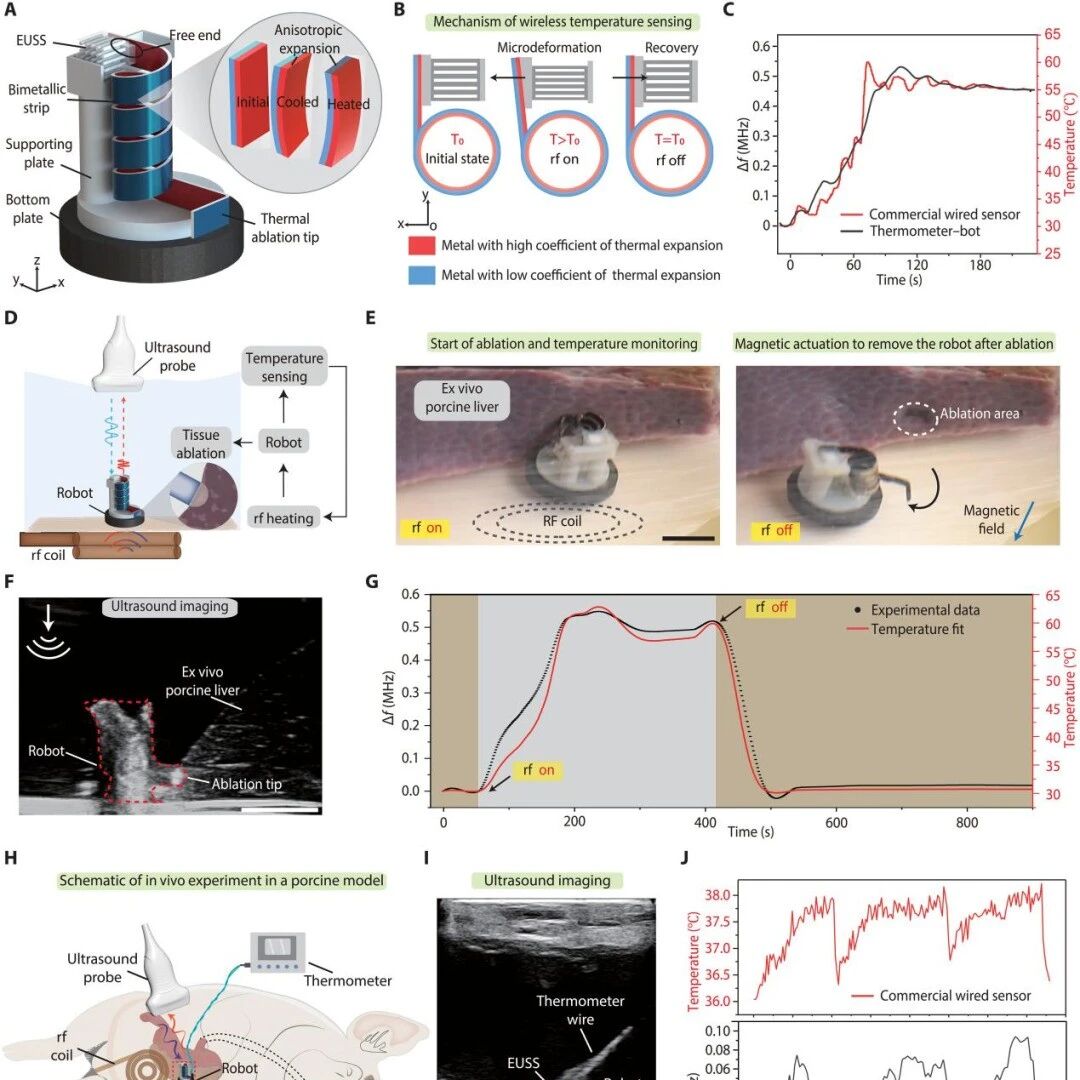
针 对 上 述 挑 战 , 来 自 华 中 科 技 大 学 的 研 究 团 队 提 出 了 一 项 创 新 性 的 技 术 : 将 嵌 入 式 超 声 波 软 传 感 器 (Embedded Ultrasonic Soft Sensor, EUSS) 与磁力驱动器结合,构建出既能被无线操控又能实现多参 数感知的机器人传感器方法。 然而,要实现这些功能,微型机器人需具备几个核心能力:无线驱动、高精度传感、实时反馈和长期稳定 性。 其中,磁驱动被广泛认为是实现无线操控的有效方式,它可对微型机器人施加精确的力和扭矩,从而 控制其运动和形变。但仅有驱动还不够,如何在毫米甚至微米尺度上集成传感与通信系统,一直是技术上 的瓶颈。 大多数现有的无线生物电子系统仍依赖机载电池,这增加了装置的重量和体积,降低了其在磁驱动下的机 动性。虽然无电池技术(如电磁耦合)有所进展,但传输距离短(通常小于10厘米)和信号干扰问题限制 了其应用。此外,在复杂的人体环境中,如何实现稳定、抗干扰的传感与数据回传,仍是亟待解决的难 题。 ▍全新解决方案,嵌入式超声波软传感器(EUSS)与磁驱动融合 在科幻电影中,我们常看到纳米机器人潜入人体内部执 ...
5个月连获两轮数千万级融资!订单暴涨4倍!这家公司业务覆盖国内核心一线城市!
机器人大讲堂· 2025-09-22 04:20
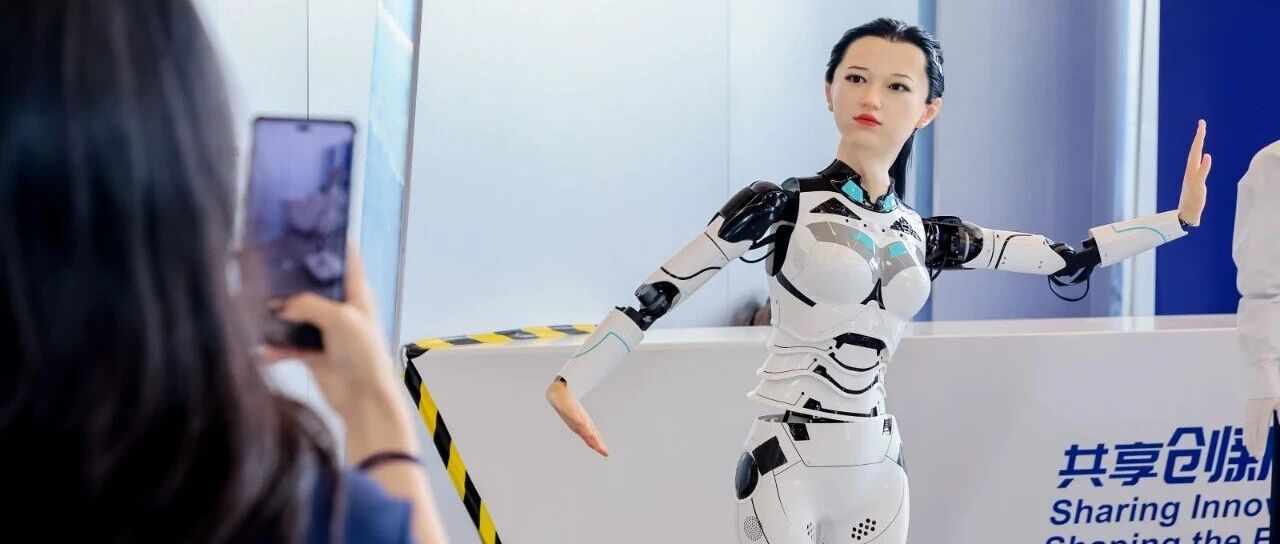
Core Viewpoint - Qingbao Robot has successfully completed a multi-million Pre-A+ financing round, indicating strong market recognition of its technology and application capabilities [1][12]. Financing and Market Recognition - Qingbao Robot completed its second financing round within five months, making it one of the fastest-growing humanoid robot companies in terms of funding [1]. - The latest round was led by Zhejiang Dechuang Enterprise Management Co., which expressed strong support for Qingbao's technology and application scenarios [1]. Technological Breakthroughs - Qingbao Robot has achieved three major technological breakthroughs: 1. **Facial Expression System**: Features a 19-degree-of-freedom micro-expression system that generates various human-like expressions driven by voice, applicable in multiple cultural and live-streaming scenarios [5]. 2. **Flexible Motion Control**: Utilizes self-developed FOC algorithms and flexible joint actuators to enhance movement fluidity, adaptable to various environments like commercial spaces and outdoor scenic areas [6]. 3. **Growing AI Model**: Develops a multi-task generalization cognitive engine, enabling the robot to learn from its environment and optimize service processes autonomously, thus extending product lifecycle and providing a "memory-based service experience" [8]. Business Growth and Application - In the first half of 2025, Qingbao Robot reported a fourfold increase in order volume and over 60 new projects, covering major first-tier cities and key industry scenarios [10]. - The company has developed the world's first automated driving cabin testing system, capable of 24/7 automated operations, validating the reliability of various functions for automotive manufacturers [12]. Industry Transition - The humanoid robot industry is transitioning from technology development to practical application, with core competitiveness shifting towards the ability to adapt technology to specific scenarios [12]. - Qingbao Robot's rapid financing and technological advancements position it as a significant player in driving the industry from conceptualization to practical utility [13].
浙大校友A轮融资8.5亿元!英伟达、亚马逊、三星、LG全部押注这家具身智能公司!
机器人大讲堂· 2025-09-22 04:20
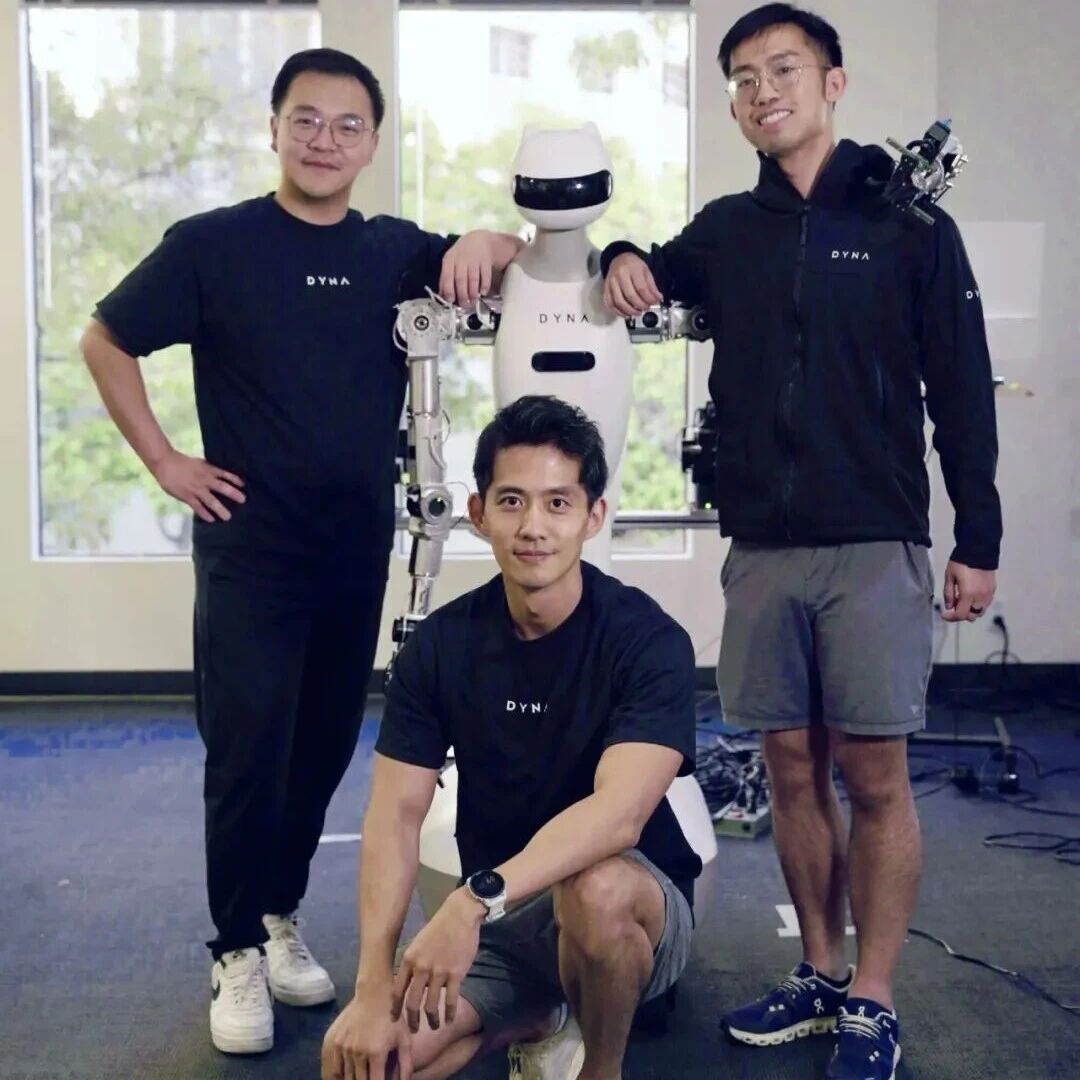
Core Insights - Dyna Robotics, a startup focused on embodied intelligence, has successfully completed a $120 million Series A funding round, raising its valuation to $600 million [1][3] - The company aims to develop low-cost, single-task robots that can eventually evolve into general-purpose embodied intelligence [13][20] Funding and Valuation - The recent funding round was led by Robostrategy, CRV, and First Round Capital, with participation from Salesforce Ventures, NVIDIA, Amazon, Samsung Next, and LG Technology Ventures [1] - In March, Dyna Robotics raised $23 million in seed funding, with a valuation of approximately $10 million, indicating a sixfold increase in valuation within six months [3] Company Background - Founded in September 2024 in Houston, Texas, Dyna Robotics has a hardware R&D center in Shanghai, with its Chinese entity, Shanghai Dyna Robotics Technology Co., Ltd., registered in February 2025 [5] - The company has attracted talent from top tech firms like DeepMind, OpenAI, and Google, as well as renowned universities such as Harvard and MIT [9] Founders and Team - The company is co-founded by Lindon Gao and York Yang, who previously founded Caper AI, which was acquired by Instacart for $350 million in 2021 [6] - Jason Ma, the Chief Scientist, has a strong research background, having worked at Google DeepMind and developed breakthrough algorithms at NVIDIA AI and Meta AI [8] Product Development - Dyna Robotics has developed the DYNA-1 model, which can autonomously fold napkins with a success rate of 99.4% after just six weeks of training, outperforming traditional models [15][17] - The company is currently in small-scale production, focusing on practical applications rather than experimental projects, to ensure data accumulation and avoid unprofitable spending [18][20] Market Strategy - The company emphasizes creating commercial value and cash flow through practical tasks like cutting potatoes and washing dishes, rather than merely showcasing capabilities [20] - Dyna Robotics aims to reduce hardware costs while providing immediate value to customers, addressing the high costs and long delivery times typical in the robotics industry [20]
ADI两款人形机器人驱控芯片、传感器产品亮相 破解产业规模化落地难题!
机器人大讲堂· 2025-09-21 10:00
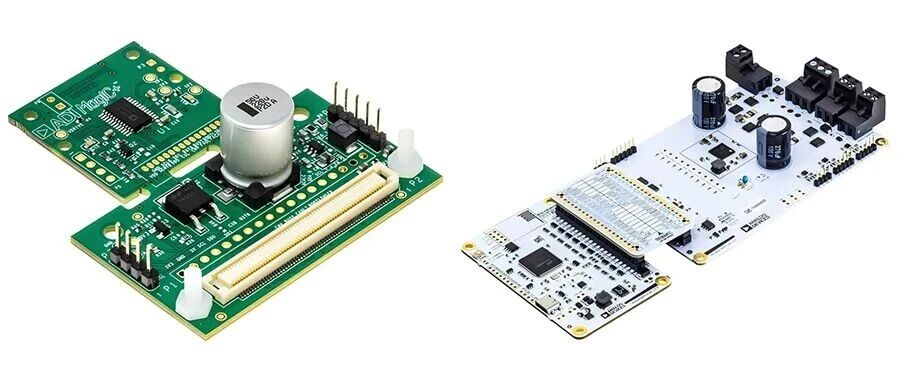
Core Insights - Humanoid robots are gradually entering practical application deployment, with 2025 seen as the year of mass production. The demand for humanoid robots will drive the need for sensors, edge computing, power, and connectivity systems [1] - ADI views automation and robotics as a "second growth curve," expecting its automation business revenue to double by 2030, particularly in the humanoid robot sector where the value of ADI chips per device could reach thousands of dollars, ten times that of current AMRs [1] Market Overview - The global analog chip market is estimated to be around $85-90 billion in 2024, with a projected annual growth rate of 5%-7% over the next five years, driven mainly by automotive electronics and industrial control [2] - ADI is expected to hold a 13% market share in the global analog chip market by 2025, primarily in industrial and automotive signal chain chips, second only to Texas Instruments [2] - The humanoid robot market in China is projected to reach approximately 2.76 billion yuan in 2024, exceeding 10 billion yuan by 2026, and reaching 75 billion yuan by 2029, accounting for 32.7% of the global total [2] Product Development - ADI has accelerated its focus on humanoid and autonomous mobile robots, partnering with NVIDIA in 2025 to integrate its edge sensing, precision motion control, and connectivity technologies with NVIDIA's Jetson Thor platform [4][5] - ADI showcased innovative products such as the multi-turn sensor ADMT4000 and the highly integrated servo driver chip TMC9660, which provide comprehensive system solutions for humanoid robots [6][12] Technological Innovations - The ADMT4000 sensor offers a measurement range of 46 turns with an accuracy of ±0.25, eliminating the need for backup batteries or mechanical gears, and can maintain position information even during power outages [8][11] - The TMC9660 chip features a highly integrated design with built-in MCU and supports high-frequency servo control, making it suitable for applications requiring high precision [12][13] Industry Collaboration and Challenges - ADI's VP emphasizes the need for deep integration of AI and physical intelligence to overcome current technical bottlenecks in humanoid robots, such as adaptability to complex environments and system coordination [14] - The company aims to collaborate with leading humanoid robot enterprises to supply technological solutions and hardware products, facilitating the transition from prototypes to mass production [18] Market Demand and Future Outlook - There has been a surge in orders for humanoid robots both domestically and internationally, with companies like Figure AI and Tesla planning significant production increases [19][21] - The industry consensus is that humanoid robots have moved from the experimental phase to small-scale deliveries, but true mass production may take an additional 3-5 years [23] - ADI's revenue for the first three quarters of 2025 reached $7.943 billion, with the emerging humanoid robot sector expected to become a significant growth point beyond its traditional industrial, automotive, communication, and consumer electronics segments [23]

字节提出Robix大模型!三阶训练+统一架构,打破机器人认知瓶颈,真实场景任务完成率领先
机器人大讲堂· 2025-09-20 09:44
在现代机器人技术的浪潮中,我们似乎总离那个理想中的 "家庭机器人"还差一步。它们能看、能听,甚至能 跑能跳,却依然难以在真实的家庭、商场或街道中像人类一样应对自如。哪怕硬件再先进、感知再敏锐,一旦 置身于开放、多变的环境中,机器人往往显得笨拙、迟疑,甚至 像是 " 社恐 "附体。 而最近,字节跳动 Seed 团队推出的 Robix ,试图从根本上重新设计这个"大脑"。 究其原因,并不全在 机器人的 "手脚",更在于 其 "大脑"。 当前大多数机器人系统采用分层架构:高层负责思考(比如用大语言模型做任务拆解),底层负责执行。问题 就在于,这些所谓的 "大脑"——比如大语言模型( LLM )或视觉 - 语言模型( VLM ) , 往往只擅长分 解任务,却在面对物理世界的空间关系、位置感知,或是人类的实时打断、多轮对话时,表现得捉襟见肘。 ▍ Robix 统一模型架构:告别 " 机械式应答 " 更直白地说,现有的机器人系统缺乏一种真正意义上的 "智能":它们无法像人一样,在动态环境中同时进行 理解、推理、回应和行动。 Robix 作为 一个统一的视觉 - 语言模型架构 , 与传统分层系统将机器人推理、任务规划和自然 ...

浙大校友A轮融资8.5亿元!英伟达、亚马逊、三星、LG全部押注这家具身智能公司!
机器人大讲堂· 2025-09-20 09:44
Core Insights - Dyna Robotics, a startup focused on embodied intelligence, has successfully raised $120 million in Series A funding, bringing its valuation to $600 million [1][3] - The company aims to develop low-cost, single-task robots that can eventually evolve into general-purpose embodied intelligence [10][14] Funding and Valuation - The recent funding round was led by Robostrategy, CRV, and First Round Capital, with participation from Salesforce Ventures, NVIDIA, Amazon, Samsung Next, and LG Technology Ventures [1] - Dyna Robotics previously raised $23 million in seed funding in March, with a valuation of approximately $10 million at that time, indicating a sixfold increase in valuation within six months [3] Company Background - Founded in September 2024 in Houston, Texas, Dyna Robotics has a hardware R&D center in Shanghai, with its Chinese entity registered in February 2025 [4] - The company is actively recruiting for multiple hardware R&D positions [4] Founders and Team - Dyna Robotics was co-founded by Lindon Gao and York Yang, who previously co-founded Caper AI, which was acquired by Instacart for $350 million in 2021 [5] - Jason Ma, the co-founder and Chief Scientist, has a strong research background, having worked at Google DeepMind and focusing on robotics and reinforcement learning [7] Technology and Product Development - Dyna Robotics has developed the DYNA-1 model, which can autonomously fold napkins with a success rate of 99.4% after just six weeks of training [12][13] - The DYNA-1 model is designed for practical applications in the restaurant industry, showcasing the company's focus on creating commercially viable robots [10][14] Market Strategy - The company is entering small-scale production and aims to provide immediate value to customers by reducing hardware costs while ensuring operational efficiency [15] - Dyna Robotics emphasizes the importance of accumulating high-quality data through practical applications to avoid unprofitable ventures [13][14]

华为的具身智能之路:底色、方法论、竞争策略与边界
机器人大讲堂· 2025-09-20 09:44
Core Viewpoint - The article emphasizes the importance of embodied intelligence as a key link between AI capabilities and real-world value, as outlined in Huawei's "Intelligent World 2035" report, which envisions a future where over 90% of Chinese households will have smart robots within the next decade [1][19]. Group 1: Strategic Foundation of Embodied Intelligence - Huawei defines embodied intelligence as a physical AI carrier that integrates various technologies, including visual, tactile, language, and action models (VTLA), perception interaction, computing storage, communication networks, and energy technologies [3][6]. - Embodied intelligence serves as a crucial bridge connecting virtual cognition and physical action, essential for the development of Artificial General Intelligence (AGI) [4][3]. Group 2: Methodology for Implementation - Huawei's approach to embodied intelligence involves a layered technical architecture and domain-specific evolution, focusing on foundational technology, scenario validation, and ecosystem collaboration [7][10]. - The foundational technology architecture consists of six core modules, including perception, decision-making, action, and support, with specific breakthrough directions and metrics for each module [8]. Group 3: Competitive Strategy - Huawei aims to avoid a technology parameter race in the global competition for embodied intelligence, instead focusing on ecosystem collaboration, data differentiation, and end-cloud integration to build unique competitive advantages [11][13]. - The company recognizes the need for vertical data platforms tailored to industry-specific needs, enhancing the precision of embodied intelligence in vertical fields [13]. Group 4: Boundaries and Limitations - Huawei acknowledges the technical and commercial limitations in the development of embodied intelligence, particularly in fine manipulation and tactile perception, which remain significant challenges [14][16]. - Ethical and safety risks associated with physical interactions between embodied intelligence and humans are highlighted, necessitating the establishment of unified interaction standards and responsibility frameworks [16][14]. Group 5: Long-term Vision - Huawei's strategy for embodied intelligence reflects a long-term commitment to integrating technology into daily life, emphasizing the balance between technological breakthroughs and ecological maturity [19]. - The company envisions a future where embodied intelligence serves humanity, enhancing quality of life and operational efficiency across various sectors [19].
登上Science Robotics的中国冠军:HANDSON团队如何用「最聪明」的机器人假肢征服“半机械人仿生奥运会”?
机器人大讲堂· 2025-09-20 09:44
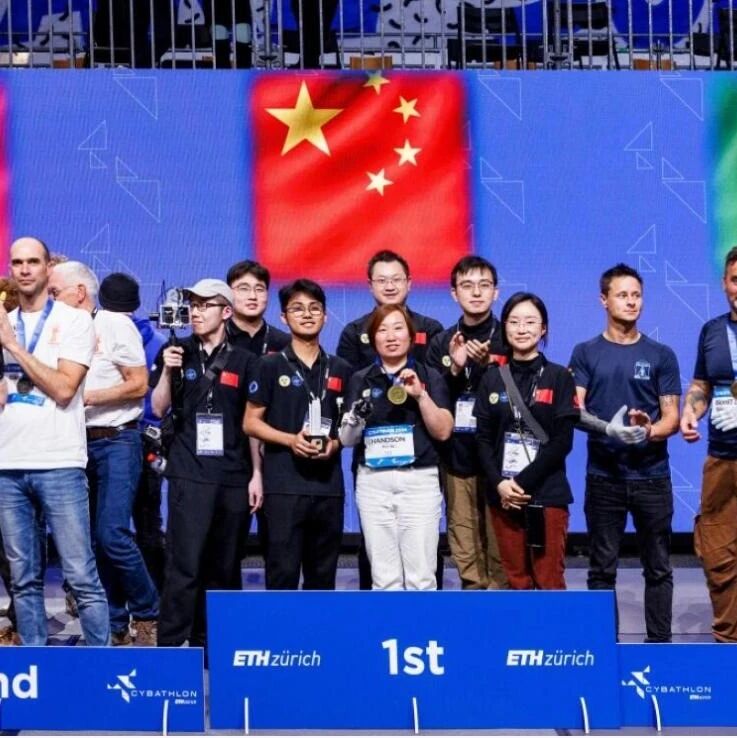
参赛者需要完成一系列模拟日常生活的任务,如处理食物、开关门、使用工具等,这些都是截肢者日常生活中 常遇到的挑战。 2024 年 10 月,来自 HANDSON 团队的徐敏在苏黎世赛场上创造了历史。她 不仅完成了所有任务,还是 唯一成功完成最难题 "触觉袋"任务的选手——需要仅凭假手从盲取袋中取出具有特定形状和柔顺性的物体。 近日 ,国际顶级期刊 《 Science Robotics 》 刊登了一篇令人瞩目的研究,详细记录了 东南大学宋爱国教 授领导的 HANDSON 团队在 2024 年 Cybathlon 全球辅助技术大赛中夺冠的技术细节。这标志着中国在辅 助技术领域的研究首次获得如此高级别的国际学术认可。 该成果以 " Arm prosthesis with dexterous control and sensory feedback delivers winning performance at Cybathlon "发表在《 Science Robotics 》上。 科学与技术的完美结合让 47 岁的徐敏——一位失去右上肢三十年的女性 , 在这场被称为 "仿生学奥运 会"的赛事中,以惊人表现击败了来自 ...