GLP1减重宝典

Search documents
孕期控重=伤害宝宝?真相颠覆认知!科学控重让母婴双赢
GLP1减重宝典· 2025-10-25 09:01
对于准妈妈们来说,体重管理早已超越"美丑"的简单命题。这直接关系到母婴安全、分娩风险、产后恢复,甚至影响宝宝未来的代谢健 康——绝不只是"胖多胖少"的问题。 以下文章来源于内分泌早知道 ,作者关注内分泌的 内分泌早知道 . 深度分享内分泌用药经验、病例剖析、指南专业解读并紧跟国内外内分泌领域前沿进展,「每医健」旗下内容平台。 2025年美国糖尿病协会(ADA)第85届科学年会上,一场关于孕期体重管理的学术交锋引发热议。来自美国母胎医学学会的Pa tri c k Ca t a l a n o博士与英国剑桥大学代谢研究专家Cl a ir e Me e k博士,分别代表两种观点:一方关注控重可能影响胎儿发育,另一方则强调科 学管理能实现母婴双重健康收益。这场辩论将重新定义我们对孕期体重管理的认知。 ▍孕期控重=影响胎儿发育?"谨慎派"专家发出警告 "怀孕不是一个人在吃,而是两个生命在成长。"Ca t a l a no博士在演讲中一针见血地指出。 他解释道,孕期增加的体重并非全是母体脂肪——约60%来自母体生理变化(如血容量增加、乳腺发育等),而40%则直接关联胎儿发 育(包括胎盘、羊水及胎儿本身)。 更重要的是,孕 ...


速递|GLP-1受体激动剂,可能改善类风湿关节炎症状
GLP1减重宝典· 2025-10-25 09:01
Core Viewpoint - GLP-1 receptor agonists (GLP-1RAs) show potential benefits for overweight or obese rheumatoid arthritis (RA) patients, beyond their established use for obesity and type 2 diabetes treatment [4][6]. Group 1: Research Findings - A study published in ACR Open Rheumatology indicates that GLP-1RAs can reduce disease activity and improve cardiovascular risk indicators in RA patients with a BMI ≥ 27 [4][6]. - The study included 173 RA patients treated with GLP-1RAs and a control group of 42 patients who were prescribed but did not use the medication [6]. - Significant improvements were observed in various clinical endpoints for the treatment group compared to the control group, including: - Disease activity score decreased by an average of -0.03 vs +0.2 (P=0.03) - Visual analog scale pain score improved by -0.6 cm vs +1.3 cm (P<0.001) - Weight loss of -4.4 kg vs -1.2 kg (P<0.001) - Total cholesterol reduction of -10.3 mg/dL vs +0.3 mg/dL (P=0.04) - Hemoglobin A1c decrease of -0.3% vs -0.01% (P=0.03) [6][7]. Group 2: Implications and Recommendations - The study suggests that GLP-1RAs may provide independent cardiovascular benefits beyond weight loss, potentially alleviating obesity-related inflammation in RA patients [7]. - However, nearly one-third of the treatment group discontinued the medication, primarily due to gastrointestinal side effects and accessibility issues, which could hinder clinical benefits [7]. - The study highlights disparities in accessibility, noting a higher proportion of white patients in the treatment group (71% vs 47% in the control group), indicating structural barriers that may limit access for Black, Latino, and Asian patients [7]. - Future research should prioritize increasing sample diversity to better reflect the RA population and confirm the findings through more rigorous prospective studies [7][8].
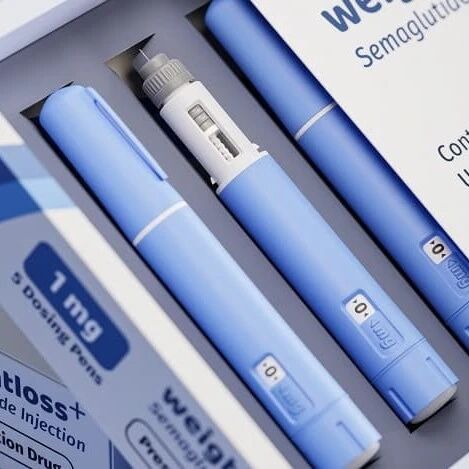
甲状腺结节患者,使用司美格鲁肽等GLP-1RA药物的指南
GLP1减重宝典· 2025-10-25 09:01
Core Viewpoint - The article discusses the implications of GLP-1 receptor agonists (GLP-1RAs) in the treatment of thyroid nodules, emphasizing the need for careful monitoring and specific guidelines for patients with a history of thyroid cancer or related conditions [4][6][12]. Summary by Sections GLP-1RA and Thyroid Cancer - There is currently no conclusive evidence linking GLP-1 receptor agonists to thyroid cancer [4] - Patients with benign thyroid nodules can use GLP-1RAs, but those with grade 4 or higher nodules require regular monitoring of serum calcitonin levels [6] Classification of Thyroid Nodules - Benign nodules account for approximately 95% of all thyroid nodules, while malignant nodules represent about 5% [7] - The risk of malignancy in nodules is influenced by factors such as appearance, size, growth rate, and patient demographics [7] Management Strategies for Thyroid Nodules - For benign nodules, treatment is generally not required, and regular follow-up is recommended [8] - Malignant or suspicious nodules typically require surgical intervention based on ultrasound risk stratification [8] TI-RADS Classification and Cancer Risk - The TI-RADS classification system helps assess the nature of thyroid nodules, with levels ranging from 0 (no nodules) to 6 (confirmed malignancy) [9][10][11] - TI-RADS 2 indicates benign nodules with less than 2% malignancy risk, while TI-RADS 5 indicates a high risk of malignancy between 85% and 100% [10] Medullary Thyroid Carcinoma (MTC) - MTC accounts for 2% to 3% of all thyroid cancers and can be sporadic or familial [12][13] - Patients with a history of MTC or multiple endocrine neoplasia type 2 (MEN2) are generally advised against using GLP-1RAs due to increased cancer risk [6] Oral Semaglutide and Clinical Trials - Oral semaglutide (Rybelsus) has shown significant efficacy in lowering HbA₁c by 1.0%-1.5% and reducing weight by approximately 4 kg over 52 weeks [14] - The PIONEER studies indicate that oral semaglutide is effective in the Chinese population, demonstrating statistical advantages over sitagliptin [16] Future Market Potential for Small Molecule GLP-1 - Eli Lilly's small molecule GLP-1 agonist, Orforglipron, shows promising results with an average weight loss of 7.3 kg and HbA₁c reduction of about 1.5% over 40 weeks [18] - If approved, small molecule oral formulations could significantly enhance the accessibility and application of GLP-1 therapies [18] Regulatory Developments - Novo Nordisk has submitted a marketing application for oral Wegovy (oral semaglutide 25 mg) for chronic weight management, which could become the first oral GLP-1 approved for weight loss [19]

Nature旗下子刊引爆热议:减肥潮流下,主食迎来新机遇!上海交通大学贾伟平团队重磅发布“肠道菌群联动代谢组”新突破
GLP1减重宝典· 2025-10-25 09:01
Core Viewpoint - The article discusses a recent study published in *Nature Metabolism* by a team from Shanghai Jiao Tong University, which demonstrates that resistant starch (RS) can significantly aid overweight or obese individuals in weight loss and metabolic health improvement through its effects on gut microbiota and metabolism [6][8]. Group 1: Research Highlights - The study integrates multi-omics analysis, combining microbiome and metabolomics data to comprehensively assess the impact of resistant starch on gut microbiota structure and human metabolism [6]. - An innovative clinical trial design was employed, utilizing a randomized, placebo-controlled, crossover approach, which effectively reduced confounding variables and enhanced the reliability of results [6]. - The research reveals that resistant starch influences multiple pathways, including bile acid metabolism, inflammation reduction, gut barrier repair, and lipid absorption inhibition, providing a new theoretical basis for future obesity prevention and treatment strategies [6][8]. Group 2: Clinical Trial Details - The study included participants aged 18 to 55 years who were overweight or obese, defined as BMI ≥ 24 kg/m² or waist circumference ≥ 85 cm for men and ≥ 80 cm for women. Exclusion criteria included acute diseases, recent antibiotic or probiotic use, and certain metabolic disorders [9]. - The trial involved 37 overweight or obese participants over an 8-week intervention period, with a 4-week washout phase between treatments. Results indicated that resistant starch effectively reduced weight, fat mass, and waist circumference while improving insulin sensitivity [11]. Group 3: Mechanisms and Findings - Resistant starch supplementation led to an increase in beneficial gut bacteria such as *Bifidobacterium* species, enhancing gut barrier function and reducing inflammation levels [11][13]. - The study found that *Bifidobacterium adolescentis* was highly correlated with reductions in BMI, waist circumference, and other metabolic markers, suggesting its critical role in alleviating obesity [14]. - Animal studies demonstrated that gut microbiota from resistant starch-fed humans could reduce obesity and improve glucose metabolism in mice, indicating the potential of RS to reshape gut microbiota for weight management [16]. Group 4: Inflammatory Response and Gut Barrier - The RS-induced gut microbiota significantly lowered systemic inflammation markers in mice, with reductions in MCP-1, IL-1β, and IL-6, while increasing anti-inflammatory IL-10 levels [18]. - The study showed that RS improved gut barrier integrity, reducing the permeability to lipopolysaccharides (LPS) and thereby alleviating obesity-related chronic inflammation [19]. Group 5: Role of *B. adolescentis* - The proliferation of *B. adolescentis* due to RS was linked to a decrease in abdominal obesity, with active *B. adolescentis* enhancing the expression of ANGPTL4, which mitigated weight gain and fat accumulation in mice [21]. - Metabolomic analysis indicated that *B. adolescentis* treatment led to a decrease in primary bile acids and an increase in secondary bile acids, contributing to improved metabolic profiles [21].

一文读懂肥胖指标:你的体重真的超标了吗?
GLP1减重宝典· 2025-10-24 12:26
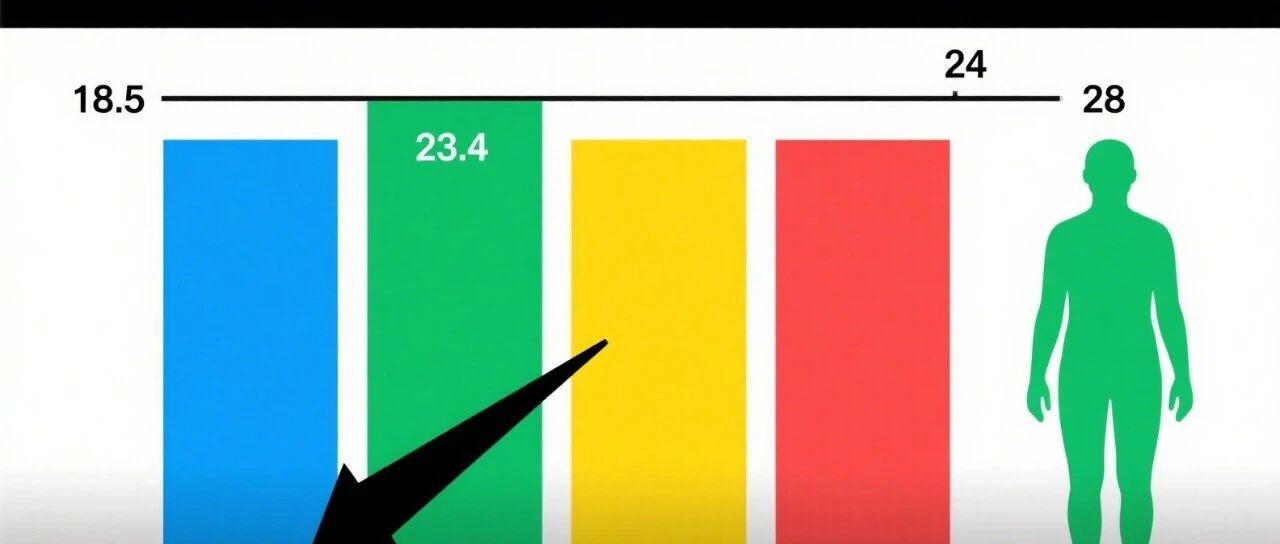
以下文章来源于内分泌早知道 ,作者关注内分泌的 内分泌早知道 . 深度分享内分泌用药经验、病例剖析、指南专业解读并紧跟国内外内分泌领域前沿进展,「每医健」旗下内容平台。 还在为体重数字焦虑?科学评估肥胖有妙招!这份指南教你用对指标,精准掌握健康体重。 ▍ 一、全身肥胖的黄金标准:BMI 2024版《肥胖症诊疗指南》明确指出,BMI(体质指数)仍是评估肥胖的核心指标。只需用体重(kg)除以身高(m)的平方,就能 快速判断体重状态: 这个沿用30年的指标有何优势? 但要注意3个"不完美": 【关键结论】BMI仍是首选筛查工具,但需结合个体情况综合判断! 二、隐形杀手:中心性肥胖三大指标 亚洲人更需警惕"苹果型身材"!腰围、腰臀比、腰高比是检测内脏脂肪的利器: 1. 腰围(最常用) 男性≥9 0cm、女性≥8 5cm即超标 2. 腰臀比 - <1 8.5 低体重 - 18.5 - 23 .9 正常 - 24- 2 7.9 超重 - ≥2 8 肥胖(分四级) ✓ 全球通用,数据可比 ✓ 与体脂率相关性良好 ✓ 肥胖并发症预警性强 1. 肌肉达人易"误伤"(运动员可能被误判) 2. 老年人适用性降低 3. 青少年评估需 ...
《自然》全新揭示:肥胖导致肿瘤免疫无效!
GLP1减重宝典· 2025-10-24 12:26
Core Viewpoint - Obesity is a significant risk factor for cancer, being the second leading preventable cause after smoking, with over 13 types of cancer closely linked to obesity [6]. Group 1: Obesity and Cancer - Obesity accelerates the occurrence and progression of cancer, yet obese patients often show a "protective effect" during immunotherapy, responding better to treatments and having improved survival rates [7]. - A recent study from Vanderbilt University published in Nature reveals that inflammatory cytokines induced by obesity stimulate the expression of PD-1 on tumor-associated macrophages (TAM), weakening the body's immune surveillance against tumors [8][17]. Group 2: Research Findings - In experiments with mice, those on a high-fat diet (HFD) exhibited significant weight gain and metabolic abnormalities, leading to accelerated tumor growth when injected with cancer cells. However, these mice also showed a notable anti-tumor response when treated with anti-PD-1 antibodies [11][12]. - Analysis of immune cells from HFD mice revealed a decrease in specific CD8+ T cells and an increase in macrophages, with TAM showing altered metabolism and increased PD-1 expression [14][16]. Group 3: Mechanisms and Implications - The study indicates that obesity-related inflammatory factors like INF-γ and TNF-α upregulate PD-1 expression in macrophages, which in turn suppresses their function and reduces T cell activation [17]. - This mechanism suggests that anti-PD-1 inhibitors could effectively counteract the suppressive effects of obesity on TAM, enhancing T cell anti-tumor activity in high BMI populations [18]. Group 4: Future Research Directions - Further investigation is needed to explore the impact of other innate immune cells and different dietary structures on anti-tumor immunity in the context of obesity [18].

口服,将决定GLP-1药物能否从“明星药物”升级为“普及性重磅药物”的关键
GLP1减重宝典· 2025-10-24 12:26
Core Viewpoint - The article emphasizes the growing recognition and effectiveness of GLP-1 receptor agonists in managing obesity and type 2 diabetes, highlighting the transition from injectable to oral formulations as a key development for broader accessibility and patient adherence [4][12]. Injectable GLP-1 Agonists - Semaglutide can lead to a weight loss of approximately 10%-15% and a reduction in HbA₁c by about 1.5%-2.0%, along with improvements in cardiovascular events and liver fat [4]. - Tirzepatide, as a dual agonist of GLP-1 and GIP, shows superior efficacy and has been validated in clinical settings, marking a significant milestone in metabolic treatment [4]. Oral Semaglutide - Oral semaglutide (Rybelsus) is the first GLP-1 oral medication, with PIONEER studies showing an average HbA₁c reduction of 1.0%-1.5% and a weight loss of about 4 kg over 52 weeks, with good overall tolerability [6]. - PIONEER-12's subgroup analysis in Chinese populations demonstrated statistically significant advantages in controlling HbA₁c and weight compared to sitagliptin, with no new safety signals identified [8]. Small Molecule Oral GLP-1 - Eli Lilly's small molecule GLP-1 agonist Orforglipron shows better oral stability and production advantages, with Phase 3 data indicating an average weight loss of 7.3 kg and HbA₁c reduction of about 1.5% over 40 weeks [10]. - In the ATTAIN-2 study, high-dose groups achieved a weight loss of 10.5% (approximately 10.4 kg) and over 75% of patients met diabetes remission criteria, indicating comparable efficacy to injectable GLP-1 products [10]. Market Potential and Accessibility - The transition to oral GLP-1 medications is seen as a key factor in making these treatments more accessible, with advantages in cost, adherence, and safety compared to injectable forms [12][13]. - The article suggests that the future will involve a combination of injectable and oral forms tailored to individual patient needs, enhancing metabolic management [12]. Future Outlook - The anticipated approval of oral Wegovy (oral semaglutide) for chronic weight management could mark a significant milestone as the first oral GLP-1 for weight loss [11]. - The article predicts a "new era" for oral GLP-1 medications in China, driven by clinical advancements, policy clarity, and improved insurance coverage, which will enhance the management of metabolic diseases [14].

速递|EASO最新共识:肥胖及并发症治疗首选司美格鲁肽或替尔泊肽
GLP1减重宝典· 2025-10-24 12:26
欧洲肥胖研究协会(EASO)近日发布最新指导意见,建议司美格鲁肽或替尔泊肽应成为肥胖及大多数相关并发症的首选药物。 这份《肥胖及并发症药物治疗框架》在Nature Medicine上在线发表,为临床医生提供一套算法,用以"将患者健康背景与药物作用机制 相匹配",以便制定个体化治疗方案。 整理 | GLP1减重宝典内容团队 共同作者、EASO肥胖管理工作组联合主席安德烈亚·丘丁(Andreea Ciudin)博士表示:"虽然市面上已有多种药物可选,但从疗效角 度看,司美格鲁肽与替尔泊肽的效果远超其他药物,几乎应成为所有病例的首选。" ▍ "首选药物"的确定依据 研究团队由国际肥胖领域专家组成,他们以患者是否存在肥胖相关并发症作为主要决策依据,并综合评估各药物在总体减重效果、并发 症改善及安全性等方面的表现。基于截至2025年1月的传统和网络荟萃分析结果,研究者指出:当目标是实现显著体重下降时,替尔泊 肽和司美格鲁肽应被视为"一线药物"。 作者将肥胖相关并发症分为两类: 脂肪负担性疾病(与机械性问题相关,如阻塞性睡眠呼吸暂停、膝骨关节炎) 病理性脂肪疾病(与代谢及免疫异常相关,如糖尿病前期、2型糖尿病、心血管疾病 ...

瘦身奇迹!一文了解司美格鲁肽为何成为全球医疗热点,要减肥的你必须了解
GLP1减重宝典· 2025-10-23 11:49
Core Viewpoint - The article discusses the rise of GLP-1 receptor agonists, particularly semaglutide (Ozempic and Wegovy), as effective treatments for type 2 diabetes and obesity, highlighting their popularity driven by social media and celebrity endorsements [4][6][10]. Group 1: Drug Development and Approval Timeline - The first GLP-1 drug, liraglutide (Victoza), was approved by the FDA in 2010 for blood sugar control in diabetes patients [6]. - Semaglutide was introduced in 2017 as Ozempic, initially for type 2 diabetes, and later as Wegovy for obesity in 2021, showing an average weight loss of about 15% after one year of use [6][16]. - The FDA approved semaglutide for weight management in 2021, and it was included in China's National Medical Insurance Directory in 2021 [16]. Group 2: Market Impact and Popularity - Since 2022, semaglutide has gained immense popularity, becoming known as a "celebrity weight loss injection" due to endorsements from figures like Elon Musk and Donald Trump [7][10]. - The demand for Wegovy surged, leading to shortages of both Wegovy and its sister product Ozempic, which is primarily used for diabetes treatment [10][12]. - Social media platforms have seen millions of views on content related to the weight loss effects of semaglutide, indicating a significant public interest [10][12]. Group 3: Mechanism of Action - GLP-1 is a hormone that helps lower blood sugar levels by promoting insulin secretion, inhibiting glucagon secretion, and delaying gastric emptying, which also contributes to weight control [30]. - The development of GLP-1 receptor agonists is based on the observation that both diabetic and non-diabetic obese patients have reduced GLP-1 secretion and action [30][31]. Group 4: Usage Guidelines and Side Effects - Semaglutide is available in both injectable and oral forms, with specific dosing guidelines for initiation and maintenance [19][22]. - Common side effects include gastrointestinal issues such as nausea and vomiting, which may decrease as the body adjusts to the medication [28].


两项《自然》最新研究:年轻人间断性高脂饮食,危害超乎想象
GLP1减重宝典· 2025-10-23 11:49
Core Insights - The article emphasizes the increasing prevalence of dyslipidemia among adults in China, with a reported rate of 35.6% in individuals aged 18 and above as of 2018, highlighting the need for early intervention in blood lipid management [6][8]. Summary by Sections Dyslipidemia Prevalence - Dyslipidemia includes conditions such as hypercholesterolemia, hypertriglyceridemia, mixed dyslipidemia, and low high-density lipoprotein cholesterol [6]. - The article points out that dyslipidemia often has no early symptoms, yet it can lead to significant vascular damage over time, increasing the risk of atherosclerotic cardiovascular diseases [6]. Importance of Early Intervention - Recent research published in *Nature* suggests that the prevention of atherosclerosis should begin earlier in life, particularly focusing on blood lipid management in children and adolescents [6][8]. - The study conducted by the University of Cambridge indicates that intermittent high-fat diets from a young age significantly increase the risk of atherosclerosis compared to those who only consume high-fat diets later in life [8][9]. Research Findings - The findings from the "Young Finnish Cardiovascular Risk Study" show that individuals with elevated cholesterol levels in childhood have more severe atherosclerotic plaques in adulthood [8][9]. - The research indicates that early cholesterol elevation is closely linked to the incidence and severity of carotid atherosclerosis in middle age [9]. Mechanisms of Atherosclerosis - The study suggests that macrophages, which normally help clear damaged cells and cholesterol, have their gene expression altered by early cholesterol elevation, reducing their protective function [9]. - Intermittent cholesterol elevation, often due to fluctuating dietary habits, may lead to greater damage and increased heart disease risk, particularly in patients who do not adhere to medication regimens [9][11]. Additional Research - A concurrent study from Paris Descartes University also found that intermittent high-fat diets accelerate atherosclerosis more than continuous high-fat diets, indicating a need for consistent dietary management [11].