GLP1减重宝典

Search documents
速递|一款口服减肥药,二期临床后画上终止符
GLP1减重宝典· 2025-10-23 11:49
Core Insights - Terns Pharmaceuticals, Inc. has announced the topline results of its Phase 2 clinical trial for TERN-601, an oral GLP-1 receptor agonist aimed at treating obesity [2][6] Group 1: Key Trial Results - Participants using doses above 500 mg experienced a maximum placebo-adjusted weight loss of 4.6%, with statistically significant weight loss observed at higher doses [3] - Weight loss results by dosage: - TERN-601 250 mg: -1.8% placebo-adjusted - TERN-601 500 mg (slow titration): -3.6% placebo-adjusted - TERN-601 500 mg: -4.6% placebo-adjusted - TERN-601 750 mg: -3.0% placebo-adjusted - Placebo: No significant weight loss observed - p-values for 500 mg and 750 mg doses were below 0.01, indicating statistical significance [3] Group 2: Safety Profile - 12% of participants discontinued treatment due to adverse events (AEs), primarily gastrointestinal issues, with nausea being the most common [4] - Gastrointestinal AEs were generally mild to moderate, including nausea (56%), vomiting (26.9%), constipation (11.9%), and diarrhea (9.7%), and were dose-related but did not result in severe cases [4] - Three participants experienced grade 3 liver enzyme elevations post-treatment, with two possibly related to the drug, consistent with drug-induced liver injury (DILI) [4] Group 3: Strategic Shift - Despite some treatment groups showing weight loss effects, the trial results did not meet the high standards for safety, efficacy, and tolerability required for a differentiated oral GLP-1RA treatment [6] - Consequently, Terns Pharmaceuticals has decided to discontinue the development of TERN-601 and will not pursue further investments in metabolic diseases [6] - The company will refocus on TERN-701, an allosteric BCR-ABL inhibitor for chronic myeloid leukemia (CML), with confidence in the ongoing Phase 1 CARDINAL trial and expects to release related data this quarter [6]



重磅研究颠覆传统认知!美食愉悦感竟是体重管理关键因素?
GLP1减重宝典· 2025-10-23 11:49
Core Viewpoint - The recent research from the University of California, Berkeley, challenges the traditional belief that high-calorie foods are the main cause of obesity, suggesting that the pleasure derived from eating can play a positive role in weight management [4][7]. Group 1: Research Findings - The study titled "Changes in neurotensin signalling drive hedonic devaluation in obesity" reveals that the enjoyment of food can help maintain energy balance, redefining the relationship between food pleasure and obesity [4][7]. - High-fat diets were shown to impair the brain's reward system, leading to reduced appetite for high-calorie foods in obese mice, despite weight gain [9][11]. - The research identified neurotensin (NTS) as a key player in this process, with high-fat diets significantly suppressing NTS expression, which is crucial for enhancing dopamine neuron activity during food enjoyment [11][12]. Group 2: Implications for Weight Management - Restoring NTS levels through dietary intervention or gene therapy resulted in obese mice regaining normal food responses, reducing overall food intake, and improving anxiety symptoms [12]. - The findings suggest a shift from traditional weight loss strategies focused on appetite suppression to approaches that enhance the brain's reward mechanisms related to food enjoyment, potentially leading to the development of "happy dieting" therapies [12]. - This research opens new avenues for addressing obesity and related metabolic disorders, emphasizing the intersection of neuroscience and nutrition [12].

司美格鲁肽,实际上只是模仿了身体内置的减肥机制
GLP1减重宝典· 2025-10-22 12:42
Core Viewpoint - The article discusses the emergence and effectiveness of GLP-1 receptor agonists as a dual solution for obesity and diabetes, highlighting their mechanisms, clinical trial results, and future prospects in weight management and glycemic control [4][6][18]. Summary by Sections Introduction to Obesity and Diabetes - Obesity is a common comorbidity in diabetes, worsening insulin resistance and complicating blood sugar control. Traditional diabetes medications often lead to weight gain, creating a vicious cycle. The introduction of GLP-1 receptor agonists offers a potential solution to address both obesity and diabetes simultaneously [4]. What are GLP-1 Receptor Agonists? - GLP-1 (Glucagon-like peptide-1) is an incretin hormone that promotes insulin secretion, inhibits glucagon release, and delays gastric emptying, contributing to blood sugar control and appetite suppression. However, reduced GLP-1 secretion and action are observed in both diabetic and non-diabetic obese patients [6][7]. Efficacy of Liraglutide - Liraglutide, approved by the FDA in 2009 for type 2 diabetes under the brand name Victoza®, has shown significant weight loss effects in clinical trials. In a study with 564 participants, those receiving liraglutide lost between 4.8 kg to 7.2 kg compared to 2.8 kg and 4.1 kg in placebo and orlistat groups, respectively [9][10]. Over a year, liraglutide users lost an additional 5.8 kg compared to placebo [11]. By 2014, liraglutide was also approved for weight management under the brand name Saxenda® [12]. Emergence of Semaglutide - Semaglutide, introduced in 2017 under the brand name Ozempic®, requires weekly injections and has demonstrated superior weight loss results. In the STEP trials, semaglutide users lost an average of 15% of their body weight, significantly outperforming placebo groups [13][15]. The STEP 1 trial showed a 14.9% weight reduction, with over one-third of participants losing more than 20% of their weight [15]. The FDA approved semaglutide for obesity management in June 2021, marking it as the first new drug for obesity since 2014 [17]. Future Prospects - Oral formulations of semaglutide are being explored, primarily for type 2 diabetes treatment, with ongoing studies demonstrating its efficacy in weight loss and metabolic regulation. The PIONEER trials showed significant reductions in HbA1c and body weight among participants [20][21]. The potential for oral administration may provide an alternative for patients averse to injections [18]. Conclusion - The article emphasizes the importance of lifestyle changes alongside medication for effective weight management, underscoring that pharmacotherapy should complement healthy living rather than replace it [21].

速递|七名董事会成员已辞职!诺和诺德基金会更换公司董事会,领导层内部分歧严重
GLP1减重宝典· 2025-10-22 12:42
Core Viewpoint - Novo Nordisk is undergoing a significant leadership transition driven by its largest shareholder, the Novo Foundation, aiming for more aggressive measures to revitalize the company amid recent challenges in the obesity and diabetes drug market [2][5]. Group 1: Leadership Changes - The board chairman Helge Lund and six other board members will resign, with former CEO Lars Rebien Sørensen returning to the CEO position for a term of two to three years [2][5]. - Sørensen emphasized the need for a new perspective and energy to support management in crucial transformation processes [4][5]. - The new board will support CEO Maziar Mike Doustdar, who has been pushing for a major restructuring that has led to thousands of job cuts and the closure of several research departments [4][5]. Group 2: Market Challenges - Novo Nordisk's stock has dropped 36% year-to-date, with a further decline of 1.4% following the announcement of board changes [4]. - Analysts have noted that the company has fallen behind competitors like Eli Lilly due to a slow response to changes in the U.S. market [5][6]. - Sørensen acknowledged that the board failed to recognize the importance of market changes in a timely manner, impacting the company's ability to adjust its strategy [8]. Group 3: Strategic Focus - The Novo Foundation expressed dissatisfaction with the previous board's speed and effectiveness in addressing the rapidly changing obesity and metabolic market [5][6]. - The new board will focus on members with consumer experience, as GLP-1 drugs are becoming more consumer-oriented [5][6]. - The leadership changes reflect a desire for Novo Nordisk to adopt a more proactive approach in the competitive obesity and diabetes treatment market [8].
体重超标会让大脑早衰12年?首都医科大揭秘肥胖对脑部的惊人伤害
GLP1减重宝典· 2025-10-22 12:42
Core Viewpoint - Obesity is not just a physical issue but a significant health risk, linked to various chronic diseases and even irreversible brain damage [5][9]. Group 1: Obesity Statistics - Nearly 49% of the Chinese population is facing overweight issues, making China the country with the largest number of obese individuals globally [7]. - The Body Mass Index (BMI) is a crucial indicator for measuring obesity, with stricter standards applied in China compared to international norms [8]. Group 2: Impact on Brain Health - Recent research indicates that being overweight can lead to accelerated brain aging, with individuals classified as obese experiencing brain aging equivalent to being 12 years older than their actual age [11][15]. - A study involving 1,074 Chinese adults revealed that a cumulative BMI greater than 26.2 is associated with significant brain structure damage, including reduced gray matter volume and increased white matter lesions [11][12]. Group 3: Specific Findings on Brain Changes - For individuals under 45, a long-term BMI above 26.2 results in an average brain volume reduction of 17.9 milliliters, reflecting accelerated aging [16]. - The study found that gray matter volume decreases by 13.4 milliliters, directly affecting memory and cognitive abilities [17]. Group 4: Recommendations and Preventive Measures - Maintaining a healthy BMI is essential for protecting brain health, especially for those under 45, who should keep their BMI below 26.2 [17]. - The research emphasizes the importance of early intervention in preventing obesity to safeguard cognitive function in the future [17].

博士生以第一作者身份发表Nature:减肥不靠节食!交感神经肽Y启动脂肪燃烧,助力逆转肥胖
GLP1减重宝典· 2025-10-22 12:42
Core Insights - Obesity is a prevalent health issue, and understanding its biological mechanisms is crucial for developing effective treatment methods, moving beyond the traditional approach of simply "eating less" [6][8] - Current mainstream weight loss methods primarily focus on appetite suppression, which often leads to a compensatory decrease in energy expenditure, resulting in weight regain [7][8] - A recent study published in *Nature* by the University of Oxford highlights the role of peripheral neuropeptide Y (NPY) released by sympathetic nerves in maintaining thermogenic fat function, converting energy into heat rather than storing it as fat [7][12] Energy Expenditure vs. Appetite Suppression - The study suggests that mechanisms of energy expenditure may be more important for weight management than merely suppressing appetite [8][16] - Future obesity treatments may focus on precisely regulating energy expenditure pathways, such as activating sympathetic neurons that promote fat burning without restricting food intake [8][16] Role of Neuropeptide Y (NPY) - NPY released by sympathetic nerves promotes the proliferation of specific progenitor cells that develop into fat-burning rather than fat-storing cells [11][12] - The research indicates that the absence of sympathetic NPY leads to a decrease in thermogenic capacity and increased obesity risk, even without increased food intake [12][14] Implications for Obesity Treatment - The findings emphasize that not all obesity is due to overeating, and activating sympathetic neurons to enhance fat burning could provide a new breakthrough in obesity treatment without the need for strict dieting [16]

司美格鲁肽替尔泊肽最后一针后还有剩药,还能接着使用吗?一文看懂!
GLP1减重宝典· 2025-10-21 08:26
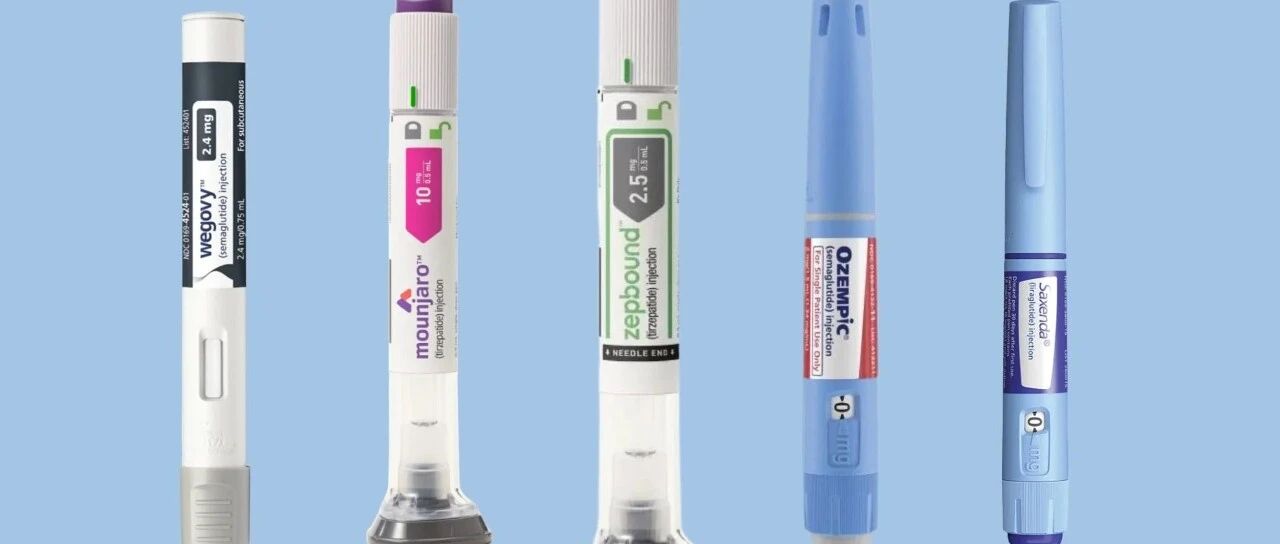
Core Viewpoint - The article emphasizes the risks associated with using the remaining medication in GLP-1 injection pens, referred to as the "golden dose," and advises proper disposal instead of usage [4][11][12]. Summary by Sections GLP-1 Drug Overview - GLP-1 drugs like Ozempic and Mounjaro are widely recognized for their weight loss effects and are also used to treat type 2 diabetes. Specific GLP-1 medications such as Zepbound and Wegovy are designed solely for weight loss [6]. Usage Statistics - As of 2024, approximately 12% of American adults have used GLP-1 drugs, with prescriptions for obesity treatment increasing by 586.7% from 2019 to 2024 [7]. "Golden Dose" Explanation - The "golden dose" refers to the small amount of medication left in the injection pen after the prescribed doses have been administered. For instance, a Mounjaro pen contains 2.4 milliliters, with each dose using 0.6 milliliters, leaving a small residual amount [9]. Risks of Using the "Golden Dose" - Experts strongly advise against using the remaining medication as it poses significant risks, including potential underdosing or overdosing, which can lead to adverse effects such as nausea, vomiting, diarrhea, or constipation [9][11]. - The remaining liquid is not a usable dose but a built-in buffer to ensure accurate dosing during injections [9]. Manufacturer Warnings - The manufacturers of Mounjaro warn that attempting to use the remaining medication can lead to contamination risks, including infections and abscesses, which could escalate to severe conditions like sepsis [11]. Proper Disposal Guidelines - It is recommended to discard the injection pen after completing the prescribed doses, regardless of any remaining medication. Users should safely dispose of the pen and needle to prevent health risks [12]. Misconceptions About Dosage - Some users may believe that using leftover medication will accelerate weight loss; however, experts caution that increasing the dosage too quickly can lead to severe side effects and that medications should be titrated gradually [12]. Importance of Medical Guidance - Patients are encouraged to consult healthcare professionals before making any adjustments to their medication regimen, as self-adjustment can lead to health risks [12].
能量通量揭开重症患者肥胖之谜
GLP1减重宝典· 2025-10-21 08:26
Core Insights - The article discusses the metabolic reprogramming that occurs during critical illness, emphasizing the role of inflammation and immune response in altering energy distribution and substrate utilization within the body [6][9][27]. Metabolic Regulation Principles - The priority of substrate utilization shifts during critical illness, with the body first consuming glucose and glycogen, followed by fats and proteins. This shift is crucial for supporting immune and inflammatory cell needs, leading to significant breakdown of muscle and fat tissues [10][13]. - The liver and kidneys enhance gluconeogenesis during critical illness, utilizing lactate, glycerol, and amino acids as substrates, which is vital for maintaining glucose levels [13]. Immune and Inflammatory Cell Metabolism - Immune cells, particularly M1 macrophages and activated T cells, primarily rely on aerobic glycolysis (Warburg effect) for rapid ATP production and biosynthetic precursors, supporting inflammatory responses despite lower energy efficiency [16][18]. - Metabolites such as succinate and itaconate can epigenetically regulate gene expression, influencing inflammation and immune responses [17]. Muscle and Fat Tissue Metabolic Remodeling - In critical illness, white adipose tissue may convert to brown adipose tissue, enhancing thermogenic capacity, while the phenomenon known as the "obesity paradox" suggests that obese individuals may have better survival rates due to greater energy reserves and anti-inflammatory factors [20][22]. - Muscle protein breakdown is significantly increased due to enhanced ubiquitin-proteasome and autophagy mechanisms, leading to muscle wasting [22][26]. Conclusion - The body undergoes metabolic reprogramming during critical illness to enhance immune defense and survival, with a focus on the roles of immune cell metabolism and the breakdown of muscle and fat tissues. Future research should explore innovative interventions targeting metabolic pathways to improve clinical outcomes for critically ill patients [27].

速递|a16z旗下基金跟投,GLP-1远程医疗平台新获2500万美元融资
GLP1减重宝典· 2025-10-21 08:26
Core Viewpoint - CVS Health Ventures is strategically investing in Knownwell, a primary care platform focused on metabolic health, aiming to shift obesity treatment from solely medication to comprehensive chronic disease management [2][4]. Group 1: Investment and Business Model - CVS Health Ventures led a $25 million strategic financing round for Knownwell, which has raised over $50 million to date [2][4]. - Knownwell's business model contrasts with traditional GLP-1 weight loss platforms by emphasizing a doctor-led comprehensive management approach, integrating nutrition counseling, behavioral health, and remote monitoring [4]. - The investment reflects a structural shift in the U.S. obesity treatment market, recognizing Knownwell's patient-centered and outcome-oriented model [4]. Group 2: Collaboration and Market Dynamics - Knownwell collaborates with Eli Lilly's LillyDirect platform to expand its service offerings, providing personalized health and weight management services covered by insurance [7]. - As the price of GLP-1 medications potentially decreases to $150 per month, CVS Health Ventures' investment strategy is evolving, focusing on integrated care rather than just medication [7]. - Knownwell's model stands out by prioritizing overall health management and long-term outcomes, marking a transition from a medication-centric approach to a results-oriented comprehensive management model [7][8]. Group 3: Leadership Perspective - Knownwell's CEO, Brooke Boyarsky Pratt, emphasizes that respectful, evidence-based obesity care leads to unprecedented patient engagement and significant health improvements [5].


国际内分泌学界权威指南发布!糖尿病女性孕产管理十大黄金准则 ENDO2025一览
GLP1减重宝典· 2025-10-21 08:26
Core Viewpoint - The article highlights the release of the "International Guidelines for Clinical Management of Diabetes in Pregnancy," which sets new standards for the management of diabetic patients during pregnancy, emphasizing a comprehensive approach from preconception to postpartum care [4][31]. Group 1: Overview of Guidelines - The guidelines are structured around "ten scenarios corresponding to ten solutions," providing evidence-based recommendations for the entire pregnancy cycle [4]. - This is the first cross-continental joint guideline released in five years, recognized for its authority by experts at the ENDO2025 conference [4]. Group 2: Key Recommendations for Preconception Diabetes Management - Preconception diabetes (PDM) refers to diabetes diagnosed before pregnancy, with a doubling of prevalence over the past 20 years, leading to increased risks during pregnancy [6]. - All women of childbearing age with diabetes should be asked about their pregnancy plans during medical visits [8][10]. - Effective screening should include promoting the necessity of preconception health management and assessing contraceptive needs [10]. Group 3: Medication Management - Type 2 diabetes patients should discontinue GLP-1 receptor agonists (GLP-1RA) before conception to avoid risks associated with sudden discontinuation [15][16]. - The routine combination of metformin with insulin therapy in pregnant women with type 2 diabetes is not recommended due to insufficient evidence [18][19]. Group 4: Dietary Recommendations - Daily carbohydrate intake should be individualized, with recommendations ranging from less than 175 grams to regular intake, balancing the need for blood sugar control and fetal development [20][22]. - Monitoring blood sugar levels is crucial, with specific targets set for fasting and postprandial glucose levels during pregnancy [26][27]. Group 5: Monitoring and Management During Pregnancy - Both continuous glucose monitoring (CGM) and traditional fingerstick monitoring are acceptable methods for blood sugar monitoring [24]. - The guidelines suggest that insulin pump therapy should be prioritized for type 1 diabetes patients, with a focus on using smart closed-loop systems [28]. Group 6: Postpartum Management - Professional diabetes management is essential postpartum, including for patients who have experienced pregnancy termination or miscarriage [30][31].