GLP1减重宝典

Search documents
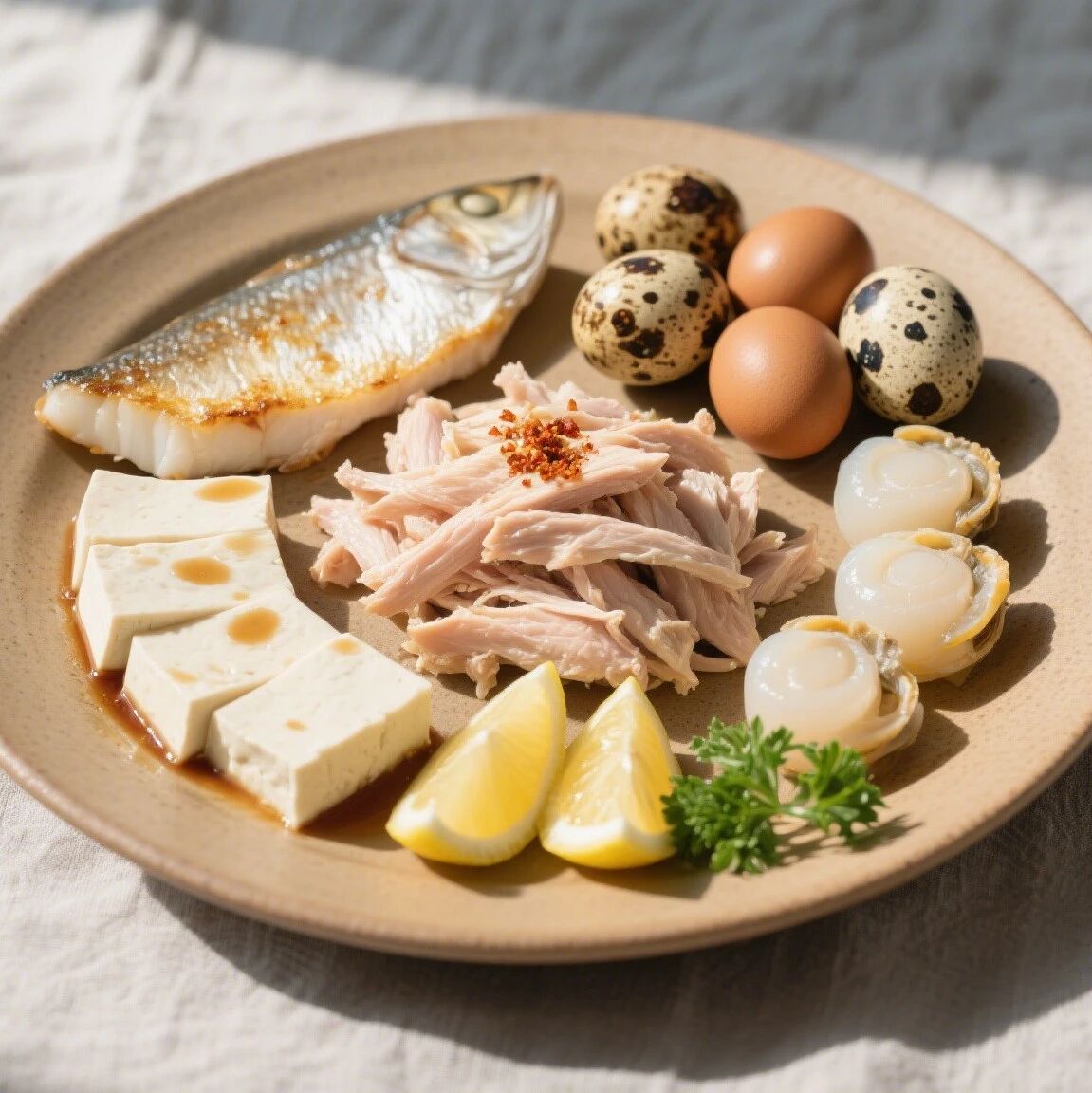
"高蛋白低碳水"饮食真的健康吗?最新研究揭示惊人真相:过量蛋白质可能加速衰老
GLP1减重宝典· 2025-09-28 11:57
Core Viewpoint - The article discusses the potential dangers of high-protein, low-carbohydrate diets, highlighting recent research that suggests such diets may accelerate aging and shorten lifespan, contrary to popular belief that they are effective for weight loss and health improvement [4][5][17]. Research Findings - A study published in the journal "NPJ Metabolic Health and Disease" indicates that while moderate protein intake can help delay aging, excessive protein consumption, particularly at the expense of carbohydrates, can trigger mechanisms that accelerate aging and significantly reduce lifespan [4][5]. - The research identifies a key mechanism: high protein intake leads to "gene-length-dependent transcriptional decline" (GLTD), impairing cellular repair functions and contributing to accelerated aging [5][11]. Experimental Design - The research utilized genetically modified mice (Ercc1Δ/-) that age faster than humans and are sensitive to dietary changes. Different groups were subjected to varying levels of protein intake to observe the effects on aging and lifespan [7][9]. - The experiments included a protein restriction study and a nutrient ratio adjustment study, with groups receiving standard diets and varying levels of protein, carbohydrates, and fats [8][12]. Key Results - The findings revealed a "U-shaped" relationship between protein intake and lifespan, indicating that both excessive and insufficient protein can negatively impact longevity. Specifically, a 50% reduction in protein intake led to a 19% increase in median lifespan for male mice, while excessive restriction (95%) resulted in a 12% decrease in lifespan [11][13]. - The study also found that high-protein, low-carbohydrate diets significantly reduced lifespan compared to other dietary patterns, with male mice experiencing an 18% reduction in median lifespan [14]. Mechanisms of Aging Acceleration - High-protein diets were shown to cause metabolic overload, impair antioxidant defenses, trigger chronic inflammation, and ultimately lead to organ damage, particularly affecting liver function [16][18]. - The research suggests that high protein intake activates pathways that accelerate cellular aging, indicating that such diets may not only fail to provide health benefits but could also be detrimental to long-term health [14][16].

速递 | 礼来斥19亿美元收购的减肥药,撤回一项临床试验
GLP1减重宝典· 2025-09-28 11:57
Core Viewpoint - Eli Lilly has terminated a Phase 2b obesity trial for bimagrumab, which was intended to evaluate its efficacy both as a monotherapy and in combination with its main GLP-1/GIP drug, tirzepatide, before any participants were recruited [4][6]. Summary by Sections Trial Termination - The trial was initially planned to recruit 180 adults with obesity or overweight and type 2 diabetes, but was halted due to strategic business reasons [4]. - The status of the trial changed from "not yet recruiting" to "withdrawn," indicating a significant shift in the company's research strategy [6]. Ongoing Research - Despite the termination of the trial, bimagrumab is still being studied in another ongoing Phase 2 trial, which evaluates its efficacy alone or in combination with tirzepatide in the obese population, with results expected in 2026 [6]. Comparative Study Results - A related Phase 2 study presented at the American Diabetes Association meeting showed that patients receiving a combination of bimagrumab and semaglutide (Novo Nordisk's GLP-1 drug) had a significantly higher percentage of fat loss compared to those on semaglutide alone, with over 90% of weight loss in the combination group coming from fat [6].


素食减肥反增重?这些"健康素菜"竟是隐形油脂炸弹!
GLP1减重宝典· 2025-09-27 04:11
Core Viewpoint - The article highlights the misconception that vegetarian diets are inherently low in calories and beneficial for weight loss, revealing that many seemingly healthy vegetarian dishes can actually lead to excessive fat intake due to their high oil absorption rates during cooking [5][8][18]. Group 1: Understanding Oil Absorption - The concept of "oil absorption rate" is introduced, defined as the percentage of oil absorbed by vegetables during cooking, calculated using the formula: (post-cooking oil amount - pre-cooking oil amount) / total oil used × 100% [9]. - Certain vegetables, such as eggplants, mushrooms, and root vegetables, are identified as having high oil absorption rates, with eggplants absorbing up to 37% of oil when fried [12][18]. Group 2: Cooking Techniques and Recommendations - Recommended cooking methods to minimize oil absorption include steaming, boiling, and cold mixing, which preserve the original flavor of the ingredients while reducing additional oil intake [14]. - Specific pre-treatment techniques for high oil-absorbing vegetables, such as steaming or blanching before frying, can significantly reduce oil absorption by over 50% [15][19]. Group 3: Common Misconceptions and Dietary Advice - The article addresses common misconceptions about vegetarian diets, emphasizing that not all vegetarian foods are low in calories and that high-temperature cooking methods like frying can lead to increased oil absorption [18]. - It encourages a balanced approach to cooking, suggesting the use of spices and herbs to enhance flavor without relying on excessive oil, thus promoting healthier eating habits [19].

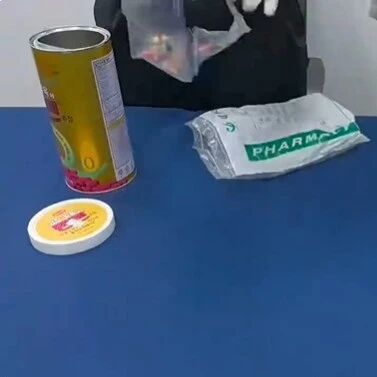
速递 | 减肥狠活!透明塑料袋装的减肥药竟是毒品
GLP1减重宝典· 2025-09-27 04:11
Core Insights - The article highlights the discovery of a large quantity of illegal weight loss drugs containing methamphetamine, a controlled substance, by customs officials in Hefei [2][4]. Group 1: Regulatory Issues - Methamphetamine is classified as a first-class psychoactive drug in China, known for its addictive properties and is the active ingredient in ice drugs [4]. - According to the Drug Administration Law of the People's Republic of China, the import and export of narcotic drugs and certain psychoactive substances require permits issued by the State Drug Administration [4]. Group 2: Industry Context - The article emphasizes the growing concern over the illegal trade of weight loss drugs, particularly those containing harmful substances, which poses risks to public health [2][4]. - The GLP-1 drug class is mentioned as a new category of weight loss and diabetes management medications, which work by enhancing insulin secretion and suppressing appetite [11].
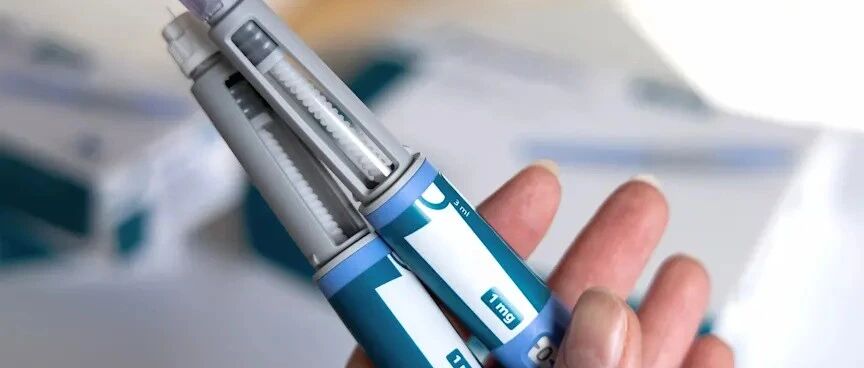
除饱腹感外,司美格鲁肽也会直接影响新陈代谢?
GLP1减重宝典· 2025-09-27 04:11
Core Insights - Recent research indicates that the mechanism of action for GLP-1 analogs, such as semaglutide, is more complex than previously thought, directly affecting metabolism rather than solely appetite suppression [4][5][6] - The study shows that individuals who lost more weight experienced a greater increase in metabolic rate, particularly those with initially slower metabolism [7][12] Group 1: Mechanism of Action - GLP-1 analogs were initially developed for type 2 diabetes treatment but are now widely used for weight loss due to their ability to improve insulin response to dietary sugars [10] - These medications interact with satiety hormones, slowing digestion and prolonging feelings of fullness, which helps users consume less [11] - A recent randomized controlled trial involving 30 participants demonstrated that GLP-1 analogs also directly enhance metabolic activity, leading to increased energy expenditure [11][12] Group 2: Implications for Obesity Treatment - The findings suggest that obesity treatment is more complex than simply eating less and exercising more, highlighting the need for a deeper understanding of these medications' mechanisms [8][14] - The increase in metabolic activity among users of GLP-1 analogs indicates that these drugs play a significant role in energy consumption, which could lead to more effective weight loss strategies [12][14]
《Nature》重磅发布:脂肪的“记忆”与“遗忘”:新研究揭秘减重如何逆转衰老的细胞机制
GLP1减重宝典· 2025-09-27 04:11
Core Insights - The article emphasizes the importance of understanding obesity through advanced scientific techniques, particularly single-nucleus RNA sequencing and spatial transcriptomics, which provide a detailed view of cellular changes in adipose tissue [6][7][12] Group 1: Research Findings - The study included three groups: 24 healthy individuals, and 25 obese individuals before and after weight loss surgery, revealing that weight loss surgery reduced the average BMI from 45.2 to 35.2, significantly improving fasting insulin and insulin resistance [7] - Analysis of over 170,000 cells identified more than 20 different cell states, showing a clear distinction in cellular organization between healthy and obese individuals, with a notable increase in macrophages in obese tissue [7][8] - In obese individuals, macrophages constituted 31% of adipose tissue, compared to 14% in healthy individuals, indicating a shift in immune cell dynamics [8] Group 2: Cellular Dynamics - The study identified two subtypes of lipid-associated macrophages (LAMs) in obese tissue: adaptive LAMs, which efficiently process lipids, and inflammatory LAMs, which are associated with insulin resistance [8][9] - The proportion of "stress-type" adipocytes in obese tissue was found to be 55%, which dropped to 14% post-weight loss, indicating a significant reduction in unhealthy adipocyte types [9][10] - The research linked obesity to cellular senescence, revealing that "stress-type" adipocytes express high levels of the senescence marker p21, which were largely eliminated after weight loss [10] Group 3: Implications for Treatment - The findings suggest that weight loss is not only about reducing fat but also involves a systemic cleansing of senescent cells, enhancing overall tissue health [12] - The persistence of inflammatory macrophages post-weight loss raises concerns about potential metabolic rebound, highlighting the need for preventive strategies [12] - The research provides insights into potential future treatments for obesity, focusing on targeting dysfunctional cells and signaling pathways rather than solely addressing energy balance [12]
速递 | 较司美格鲁肽单药减重效果提升56.2%!歌礼新药首项炸裂数据公布
GLP1减重宝典· 2025-09-26 13:05
Core Viewpoint - The combination of ASC47 and semaglutide shows significantly better weight loss effects in obese patients compared to semaglutide alone, with improved gastrointestinal tolerance [2][5]. Research Highlights - The ASC47 and semaglutide combination therapy resulted in a weight loss improvement of up to 56.2% compared to the placebo and semaglutide alone [3]. - Specifically, the ASC47-103 study indicated that a single subcutaneous injection of 30 mg ASC47 combined with semaglutide led to a 56.2% relative weight loss improvement, while the 60 mg ASC47 group showed a 15.1% improvement [3]. - Overall, the combination therapy group achieved a 31.6% greater weight loss compared to the semaglutide monotherapy group [3]. Research Methodology - The ASC47-103 study was a randomized, double-blind, placebo-controlled trial assessing the safety, tolerability, and weight loss effects of ASC47 combined with semaglutide in obese patients [4]. - A total of 28 obese patients were included in the study, which lasted for 4 weeks of treatment followed by a 6-week follow-up [4]. Gastrointestinal Tolerance - The combination therapy demonstrated a significantly lower vomiting incidence of 6.7%, compared to 57.1% in the semaglutide monotherapy group, indicating better gastrointestinal tolerance [5]. Weight Maintenance Effect - ASC47 exhibits a long-acting subcutaneous depot characteristic with a half-life of 30 days, significantly reducing weight rebound after discontinuation [6]. - After 4 weeks of discontinuation, the 30 mg ASC47 group showed a 157.1% relative weight loss improvement, while the 60 mg group showed a 110.4% improvement [6]. Safety and Tolerability - The combination therapy of ASC47 and semaglutide showed good safety, with no thyroid-related adverse events observed, and all thyroid function tests remained within normal ranges [7]. - No abnormalities were found in electrocardiogram monitoring, indicating good safety performance of the combination therapy [7]. Future Outlook - The study results provide strong clinical data support for the therapeutic potential of ASC47 combined with semaglutide, with the company planning to advance clinical development for obesity treatment [8].

《Nature》重磅发布:脂肪的“记忆”与“遗忘”:新研究揭秘减重如何逆转衰老的细胞机制
GLP1减重宝典· 2025-09-26 13:05
Core Insights - The article emphasizes the importance of understanding obesity through advanced scientific techniques, particularly single-nucleus RNA sequencing and spatial transcriptomics, which provide detailed insights into cellular changes in adipose tissue [7][12]. Group 1: Research Methodology - The study involved three groups: 24 healthy individuals (LN group) and 25 obese individuals before and after weight loss surgery (OB and WL groups), allowing for both cross-sectional and longitudinal comparisons [8]. - The innovative "fat map" created through the research analyzed over 170,000 cells from 70 individuals, identifying more than 20 different cell states [8]. Group 2: Findings on Cellular Changes - Weight loss surgery significantly reduced the average Body Mass Index (BMI) from 45.2 to 35.2, with notable improvements in fasting insulin and insulin resistance [8]. - In healthy individuals, adipose tissue showed a well-organized community of cells, while in obese individuals, this balance was disrupted, particularly with an increase in macrophages and a decrease in mature adipocytes [8][9]. Group 3: Macrophage Dynamics - Macrophages in lean individuals constituted 14% of adipose tissue, while in obese individuals, this figure rose to 31%, with a notable presence of lipid-associated macrophages (LAMs) [9]. - LAMs were categorized into two subtypes: adaptive LAMs, which efficiently process lipids, and inflammatory LAMs, which are associated with insulin resistance [9]. Group 4: Adipocyte Changes - Analysis of over 44,000 mature adipocytes revealed a surge in unhealthy subtypes in obese tissue, including stress-type and fibrotic-type adipocytes, indicating functional failure of adipose tissue [10]. - Post-weight loss, the proportion of stress-type adipocytes dropped from 55% to 14%, indicating a significant reduction in stress and a potential for regeneration [10]. Group 5: Cellular Senescence - The study linked obesity to cellular senescence, identifying stress-type adipocytes as senescent cells expressing high levels of p21 [11]. - Weight loss effectively removed p21-positive senescent cells, leading to a decrease in harmful inflammatory factors, thus enhancing overall adipose tissue health [11]. Group 6: Implications for Future Treatments - The research highlights that weight loss is not just about reducing fat but also involves a systemic cleansing of senescent cells and restoration of tissue health [13]. - The findings suggest that future obesity interventions could focus on eliminating senescent cells or "re-educating" immune cells, moving beyond traditional energy balance models [13].
一文读懂!司美格鲁肽和替尔泊肽使用前体检指南(建议转发+收藏)
GLP1减重宝典· 2025-09-26 13:05
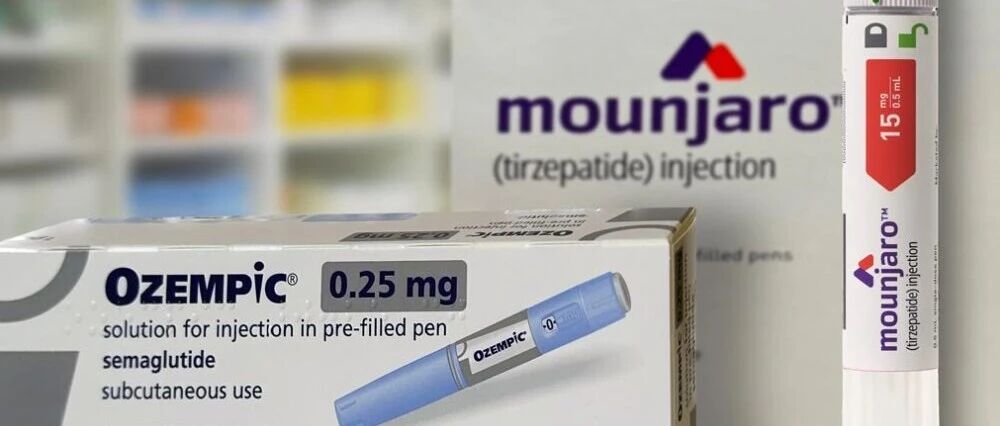
整理 | GLP1减重宝典内容团队 在中国市场,司美格鲁肽受到肥胖患者的青睐,销售额不断攀升。 国产司美格鲁肽的研发也在加速,多家企业布局了司美格鲁肽的仿 制药。 司美格鲁肽是一种新型降糖减重 药物,其通过模拟人体天然激素GLP-1,不仅能够调节血糖水平,还能辅助减重。 然而,司美格鲁肽作为药品,仍然存在药物禁忌及副作用。在考虑使用司美格鲁肽之前,个人需对自己的身体状况进行健康评估,以确 定该药物是否适合自己的健康状况。很多人也会进一步产生一个疑问: 如果使用司美格鲁肽,需要做什么检查? ▍ 有 家族甲状腺疾病病史或既往病史的患者,以及胰腺炎高发患 者 通常不适宜使用司美格鲁肽 甲状腺功能检查 :检查甲状腺功能,包括甲状腺彩超,以评估甲状腺 C 细胞肿瘤风险。关于司美格鲁肽对甲状腺功能的影响,现有研 究表明,司美格鲁肽与人体的甲状腺功能并无直接关联,且没有明确的证据表明它对甲状腺有负面影响。 如果使用者或使用者家人中有人患有或曾经患有 MTC 或多发性内分泌肿瘤综合征 2 型 (MEN 2; 导致体内多个腺体出现肿瘤的疾 病),请告知保健医生。 如果是这样,保健医生可能会告诉患者不要使用 司美格鲁肽 注射液。 ...
护心又护肝?司美格鲁肽减重版或成代谢改善"双效王牌"
GLP1减重宝典· 2025-09-26 13:05
Core Viewpoint - The article discusses the significant advancements in the treatment of metabolic dysfunction-associated steatotic liver disease (MASLD) and cardiovascular diseases (CVD) through the use of semaglutide, particularly its weight management version, highlighting its dual benefits in liver health and cardiovascular risk reduction [5][8][11]. Group 1: MASLD and CVD Connection - Approximately one-third of the global population is affected by MASLD, which is closely linked to obesity and type 2 diabetes mellitus (T2DM) [5][6]. - The SELECT study has established a strong correlation between MASLD and CVD, emphasizing the need for comprehensive management strategies for patients with these metabolic disorders [6][13]. Group 2: Semaglutide's Clinical Benefits - Semaglutide has been recognized as a "star drug" in the treatment of metabolic diseases due to its proven efficacy in blood sugar control, weight management, and overall metabolic improvement [6][8]. - The SELECT study included 17,604 overweight or obese participants, demonstrating that semaglutide significantly reduces the risk of major adverse cardiovascular events (MACE) by 20% compared to placebo [8][13]. - The drug also shows a 15% reduction in cardiovascular death risk and an 18% decrease in heart failure composite endpoint risk [8][11]. Group 3: Liver Health Improvements - Semaglutide's weight management version exhibits dual liver protective effects, particularly beneficial for overweight or obese patients with CVD [11][12]. - Key findings from the SELECT study indicate rapid improvement in liver enzyme levels (ALT, AST, GGT) and a significant reduction in the fatty liver index by 16.1% after 104 weeks of treatment [12][14]. Group 4: Future Implications - The findings from the SELECT study suggest that semaglutide could pave the way for a comprehensive protective strategy against cardiovascular and liver diseases in overweight and obese populations [14]. - The 2024 Obesity Treatment Guidelines emphasize the importance of focusing on metabolic health beyond mere weight loss, indicating a shift in treatment paradigms [14].