GLP1减重宝典

Search documents
亚洲人BMI多少算肥胖?国际权威期刊呼吁重新定义标准!
GLP1减重宝典· 2025-08-29 03:02
Core Insights - A new study published in the Annals of Internal Medicine highlights the need for revised BMI standards for Asian populations due to unique obesity characteristics, suggesting that even at lower BMI levels, Asians face higher health risks such as type 2 diabetes and cardiovascular diseases [4][5]. Group 1: Research Findings - The research led by Dr. Simar S. Bajaj indicates that Asians exhibit a distinct fat distribution pattern, leading to increased health risks at lower BMI thresholds [5]. - The study advocates for the establishment of specific BMI obesity thresholds for Asian populations, emphasizing the necessity for further research to determine precise values [5]. - Current WHO standards vary significantly among Asian countries, with China having a stricter threshold of 28 kg/m² compared to India's 25 kg/m² [7]. Group 2: Global Standards and Controversies - In the U.S., there is ongoing debate regarding the classification of Asian populations under a single BMI standard, with recent proposals suggesting adjustments to the BMI thresholds for Asians [8][9]. - The American Diabetes Association has recommended lowering the BMI screening threshold for Asians to ≥23 kg/m², while the American Society for Metabolic and Bariatric Surgery set the threshold for weight loss surgery at BMI ≥27.5 kg/m² [9]. - Research indicates significant differences in diabetes risk among various Asian ethnic groups at the same BMI levels, challenging the notion of a homogeneous Asian population [11]. Group 3: Implications for Future Research - The findings from the California Health Interview Survey and a large UK study reveal that different ethnic groups within Asia have varying diabetes risk thresholds, suggesting the need for more precise assessments [11]. - New metrics such as waist circumference and waist-to-hip ratio are gaining attention as potential supplements to BMI, particularly for populations with a BMI ≥23 [11]. - The ongoing discourse around obesity standards for Asians may lead to a shift towards more personalized and precise health guidelines in the future [11].


孕期控重=伤害宝宝?真相颠覆认知!科学控重让母婴双赢
GLP1减重宝典· 2025-08-28 03:26
以下文章来源于内分泌早知道 ,作者关注内分泌的 内分泌早知道 . 深度分享内分泌用药经验、病例剖析、指南专业解读并紧跟国内外内分泌领域前沿进展,「每医健」旗下内容平台。 对于准妈妈们来说,体重管理早已超越"美丑"的简单命题。这直接关系到母婴安全、分娩风险、产后恢复,甚至影响宝宝未来的代谢健 康——绝不只是"胖多胖少"的问题。 2025年美国糖尿病协会(ADA)第85届科学年会上,一场关于孕期体重管理的学术交锋引发热议。来自美国母胎医学学会的Pa tri c k Ca t a l a n o博士与英国剑桥大学代谢研究专家Cl a ir e Me e k博士,分别代表两种观点:一方关注控重可能影响胎儿发育,另一方则强调科 学管理能实现母婴双重健康收益。这场辩论将重新定义我们对孕期体重管理的认知。 他解释道,孕期增加的体重并非全是母体脂肪——约60%来自母体生理变化(如血容量增加、乳腺发育等),而40%则直接关联胎儿发 育(包括胎盘、羊水及胎儿本身)。 更重要的是,孕期增重遵循严格的生理节奏: - 孕早期:体重变化最小,但基础代谢已悄然提升; - 孕中期:母体脂肪储备、血容量等快速增加; - 孕晚期:胎儿进入"冲刺 ...
速递|这个GLP-1双激动剂新药,获FDA授予在酒精使用障碍中的快速通道资格
GLP1减重宝典· 2025-08-28 03:26
整理 | GLP1减重宝典内容团队 2025年8月19日,美国马里兰州盖瑟斯堡 —— Altimmune公司(纳斯达克代码:ALT)宣布,美国食品药品监督管理局(FDA)已授予其候选 药物 pemvidutide 用于治疗酒精使用障碍(AUD)的快速通道(Fast Track)资格。Pemvidutide目前是唯一在该适应症上获得此资格的药物。 RECLAIM II期临床试验正在进行 RECLAIM(NCT06987513)是一项评估pemvidutide在AUD人群中安全性与疗效的II期试验,已于2025年5月开始招募。该研究计划入组约 100名患者,按1:1比例分配接受每周一次2.4毫克pemvidutide或安慰剂,共24周。主要终点是重度饮酒天数的变化,次要终点包括世界卫生组 织(WHO)饮酒风险水平降低≥2级的人数比例以及血液生物标志物PEth的变化。 高度未满足的临床需求 Altimmune总裁兼首席执行官Vipin K. Garg博士表示,美国约有2800万成年人患有AUD,但接受药物治疗的不到2%。现有药物疗效有限,且 无法同时处理肥胖、脂肪肝、高血压等常见共病。"快速通道资格不仅体现了这一疾 ...

涉16万人的研究表明:司美格鲁肽竟让痴呆风险下降45%
GLP1减重宝典· 2025-08-28 03:26
Core Viewpoint - A new meta-analysis indicates that GLP-1 receptor agonists, used for treating type 2 diabetes and aiding weight loss, may significantly reduce the risk of developing any form of dementia [2][4]. Group 1: Study Overview - The study, led by Catriona Reddin from Galway University, reviewed 26 randomized clinical trials involving over 160,000 participants, providing further evidence of the cognitive improvement potential of GLP-1 drugs [2][4]. - Participants in the trials were type 2 diabetes patients without a prior diagnosis of dementia or cognitive impairment, and those using GLP-1 medications showed a significantly lower incidence of dementia or cognitive decline compared to the placebo group [4]. Group 2: Comparison with Other Treatments - While SGLT2 inhibitors, another class of diabetes medications, were hypothesized to reduce dementia risk through blood sugar control, Reddin's analysis found no significant correlation between SGLT2 inhibitors and dementia risk, suggesting that the protective effects of GLP-1 drugs may extend beyond glycemic control [6][8]. Group 3: Mechanisms and Implications - The exact mechanisms remain unclear, but GLP-1 drugs have been found to possess anti-inflammatory properties, which may help mitigate chronic neuroinflammation, a recognized contributor to dementia [6][8]. - Additionally, these medications may positively impact cardiovascular health by reducing arterial plaque accumulation and regulating blood pressure, further lowering the risk of dementia related to vascular issues [8]. Group 4: Future Research Directions - Despite encouraging results, experts emphasize the need for more dedicated studies to evaluate the long-term cognitive health effects of GLP-1 medications, as the current analysis had a minimum follow-up period of six months [11][12]. - Ongoing clinical trials are investigating the use of semaglutide for early Alzheimer's disease treatment, with results expected later this year [12].
惊爆医学界!《自然》刊登斯坦福重磅发现:全新天然减肥"神分子"问世,或将终结"奥司他韦"霸权,零副作用引爆减重革命
GLP1减重宝典· 2025-08-28 03:26
肥胖世界ObesityWorld . 《肥胖世界》Obesity World - 同步传真肥胖及代谢国际新学术进展,为医学减重临床、教研人员搭建一座与国际接轨的桥梁,「每医健」旗下内容平台。 以下文章来源于肥胖世界ObesityWorld ,作者肥胖世界 这种新发现的BRP分子虽然通过独立但类似的代谢途径发挥作用,却能激活大脑中与司美格鲁肽完全不同的神经元群体,似乎提供了一种更为 精准的体重控制方案。研究团队资深作者、病理学助理教授Katrin Svensson博士解释道:"司美格鲁肽靶向的受体不仅存在于大脑,还广泛分 布于肠道、胰腺和其他组织,这就是为什么Ozempic会产生多种作用,包括减缓食物消化速度和降低血糖水平。而BRP似乎专门作用于控制食 欲和代谢的下丘脑区域,因此可能带来更加精准的减重效果。" 人工智能:发现背后的关键推手 斯坦福大学医学院研究团队近日取得重大突破,发现了一种名为BRP的天然分子,其减肥效果堪比风靡全球的司美格鲁肽(商品名 Ozempic),但在动物实验中未出现恶心、便秘和显著肌肉流失等常见副作用,这一发现已发表在顶尖学术期刊《自然》(Nature)上。 精准靶向:BRP的独特作 ...

一文读懂口服司美格鲁肽片:和针剂的区别?减肥效率?服用方法?
GLP1减重宝典· 2025-08-27 01:50
Core Viewpoint - The article discusses the rising popularity and effectiveness of Semaglutide, a GLP-1 receptor agonist, in weight loss and diabetes management, highlighting its approval for obesity treatment and its significant social media presence [2][4][29]. Group 1: Drug Approval and Popularity - Semaglutide was approved for oral use in 2019 and for obesity treatment by the FDA in 2021, with further approval for treating adolescent obesity in January 2023 [2]. - The drug has gained immense popularity on social media platforms, with tags like semaglutide accumulating hundreds of millions of views on TikTok, endorsed by public figures like Elon Musk [2]. Group 2: Administration and Efficacy - Oral Semaglutide and injectable Semaglutide show no significant difference in efficacy when stored and administered properly, allowing patients to choose based on their preferences [4]. - In a study, participants using Semaglutide lost an average of 14.9% of their body weight over 68 weeks, compared to a 2.4% loss in the placebo group [10][20]. Group 3: Mechanism of Action - Semaglutide works by suppressing appetite through central nervous system activation, slowing gastric emptying, and stabilizing blood sugar levels, which collectively help in reducing food intake [18][19][29]. - The drug's mechanism includes enhancing satiety signals and improving endothelial function, which is beneficial for cardiovascular health [18]. Group 4: Dosage and Side Effects - The recommended starting dose of oral Semaglutide is 3 mg daily, which can be increased to 7 mg and then to 14 mg based on individual needs [15]. - Common side effects include gastrointestinal symptoms such as nausea and abdominal discomfort, which should be monitored [17].
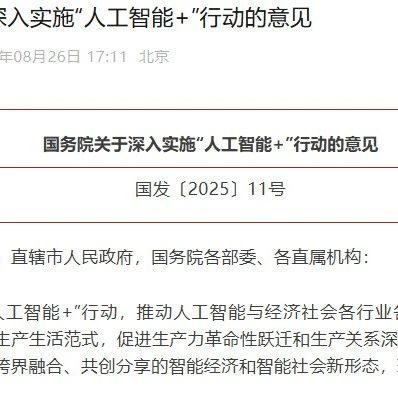
速递|利好AI医疗、AI生物制造!国务院发布关于深入实施“人工智能+”行动的意见
GLP1减重宝典· 2025-08-27 01:50
Core Viewpoint - The article emphasizes the significant role of artificial intelligence (AI) in transforming healthcare and various sectors of society, as outlined in the recent government document on the "Artificial Intelligence+" initiative, which aims to integrate AI into multiple fields including healthcare, education, and public services [2][7]. AI in Healthcare - The government document highlights the promotion of a "high-level resident health assistant" accessible to everyone, indicating that AI will play a crucial role in auxiliary diagnosis, health management, and medical insurance services [3][4]. - AI is expected to enhance the efficiency of healthcare services, particularly in primary care settings, by assisting doctors in identifying common and chronic diseases, thereby reducing their workload and providing timely and accurate services to patients [3][4]. - The integration of AI in managing chronic diseases such as insomnia, diabetes, and hypertension is anticipated to improve patient adherence to treatment through personalized health reminders and risk alerts [4]. Efficiency and Accessibility in Medical Services - The article discusses the potential for AI to automate medical insurance services, including expense audits and fraud detection, which would alleviate the burden on healthcare departments and ensure public funds are utilized effectively [5]. - AI's role extends beyond healthcare to various aspects of daily life, including education, culture, and elder care, indicating a comprehensive integration of AI into societal functions [6][7]. Future of AI Integration - The document outlines a vision for a future where AI is embedded in all aspects of life, from work and education to healthcare and elder care, marking the transition into an "AI+" era [7][8]. - The government aims for widespread AI application across six key areas by 2027, with a target of over 70% adoption of new intelligent terminals and systems, and a significant growth in the core industries of the intelligent economy [11]. Key Actions for AI Development - The initiative includes accelerating scientific discovery through AI, fostering innovation in technology development, and enhancing the integration of AI in various industries, including agriculture and services [12][14][15]. - The document emphasizes the importance of creating intelligent service models and enhancing consumer experiences through AI, aiming to improve the quality of life and service delivery [16][18]. Governance and Global Cooperation - The article outlines plans for improving governance through AI, including smart city initiatives and enhancing public safety through intelligent monitoring systems [19][20]. - It also highlights the importance of global cooperation in AI development, advocating for equitable access to AI technologies and collaborative governance frameworks to address global challenges [21]. Support Infrastructure for AI - The document stresses the need for robust foundational capabilities, including enhancing model capabilities, improving data supply, and optimizing computing resources to support AI applications [22][23]. - It calls for the establishment of a supportive environment for AI applications, including the development of national AI application pilot bases and fostering an open-source ecosystem [24][25].
Cell重磅研究警示:早餐缺失的饥饿竟触发“报复性吸收”!肥胖与动脉硬化风险激增
GLP1减重宝典· 2025-08-27 01:50
Core Viewpoint - The latest research published in the journal Cell reveals that skipping breakfast can trigger a "metabolic memory" effect in the small intestine, leading to increased nutrient absorption efficiency and potentially contributing to obesity and atherosclerosis [6][7][9]. Group 1: Mechanisms of Nutrient Absorption - The small intestine operates through two independent nutrient supply pathways: luminal supply (food intake) and blood supply (internal reserves) [8]. - When breakfast is skipped, the small intestine shifts to an internal energy supply mode, activating a "metabolic compensation mechanism" that enhances nutrient absorption efficiency, particularly for cholesterol and fats [8][9]. - In mouse models simulating breakfast skipping, significant metabolic reprogramming occurs, including a nearly 40% increase in cholesterol absorption efficiency due to upregulation of key transport proteins [9][18]. Group 2: Consequences of Skipping Breakfast - Long-term skipping of breakfast leads to a "rebound absorption" effect, resulting in increased weight gain and metabolic disorders [13][15]. - Mice that regularly skip breakfast show elevated low-density lipoprotein cholesterol (LDL-C) levels, exacerbating lipid metabolism disorders and doubling the risk of atherosclerosis [18]. Group 3: Recommendations for Metabolic Health - Attempting to lose weight through hunger may backfire, as the small intestine's "super compensation" can lead to greater fat accumulation upon subsequent intake [15]. - Regular breakfast consumption, particularly with a combination of protein and dietary fiber, can effectively reset absorption rhythms and stabilize metabolism [15].

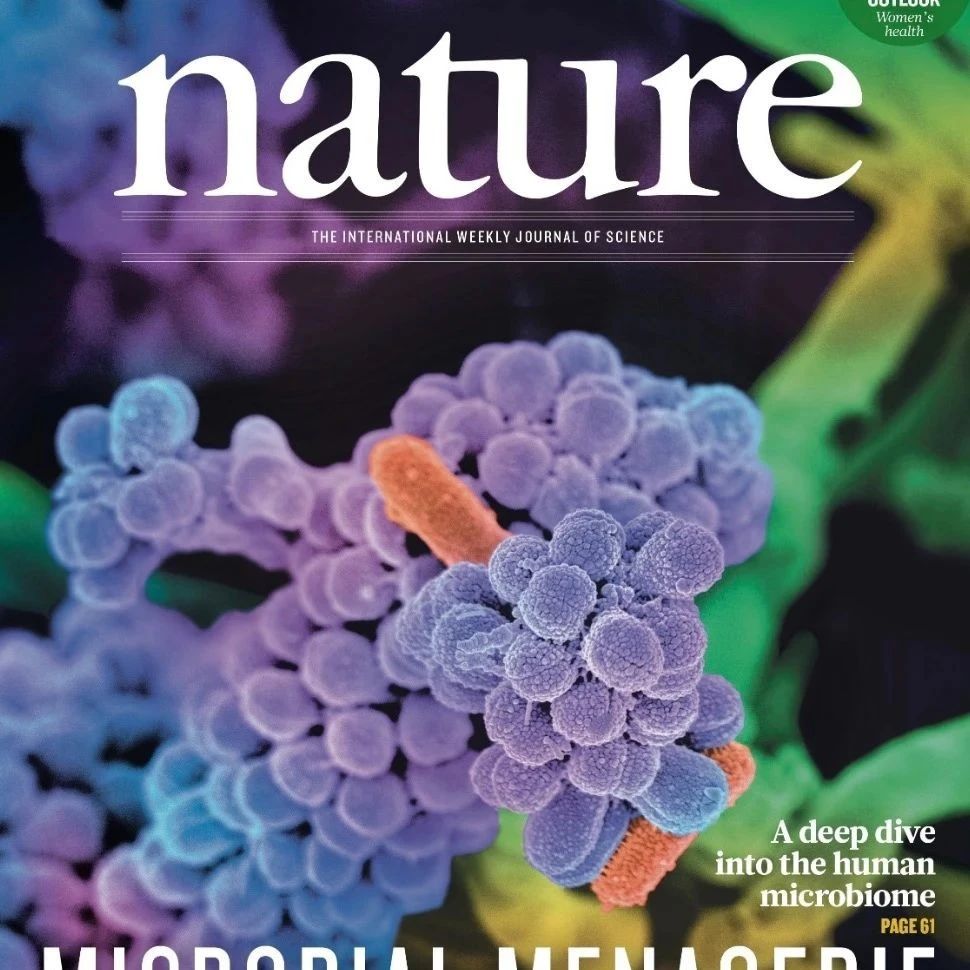
重磅!《自然》揭秘减重神奇密码:20万细胞告诉你,肥胖衰老可逆,但"炎症记忆"为何让你总反弹?
GLP1减重宝典· 2025-08-27 01:50
Core Viewpoint - The article discusses a groundbreaking study published in "Nature" that reveals how weight loss can reverse cellular aging and metabolic disorders associated with obesity, highlighting the complex changes in adipose tissue post-weight loss [5][8]. Group 1: Research Findings - A study analyzed over 170,000 cells from 25 obese patients post-weight loss surgery and 24 healthy controls, revealing significant changes in adipose tissue, including an increase in immune cell infiltration, particularly macrophages, from 14% to 31% [6]. - The study found that weight loss significantly reduced the total proportion of myeloid cells in adipose tissue to 18%, and shifted macrophage phenotypes from pro-inflammatory to a milder type, indicating improved metabolic function [6][7]. - Weight loss was shown to reverse gene regulation disruptions caused by obesity, including a significant reduction in the expression of aging markers like p21, demonstrating a strong anti-aging effect [7][8]. Group 2: Implications for Metabolic Health - The research indicates that weight loss promotes overall metabolic health by inhibiting aging and related inflammation and tissue damage mechanisms [8]. - The study establishes a spatial dataset of human adipose tissue post-weight loss, providing deeper insights into the biological mechanisms behind weight reduction and its effects on metabolism [8].

惊爆!《自然》揭秘:减重如何重塑你体内的"脂肪王国"?
GLP1减重宝典· 2025-08-26 09:15
Core Viewpoint - The article discusses the significant health risks associated with obesity, emphasizing that abdominal fat is a "hidden killer" linked to metabolic diseases such as insulin resistance, diabetes, cardiovascular diseases, and increased cancer risk. It highlights that weight loss can rapidly reverse these health crises, but the underlying changes in adipose tissue during obesity and weight loss remain poorly understood [6]. Group 1: Research Findings - A research team from Imperial College London utilized single-cell nuclear sequencing to analyze over 170,000 adipose cells from 70 individuals, creating a "disease map" of adipose tissue in obesity and how weight loss can lead to recovery [7]. - The study constructed the most comprehensive single-cell atlas of adipose tissue, revealing that in obese individuals, the proportion of immune cells, particularly macrophages and lymphocytes, significantly increases, while mature adipocyte levels decrease. Weight loss effectively alleviates these pathological changes [8]. Group 2: Macrophage Memory Effect - In obesity, the proportion of macrophages in adipose tissue rises from 14% to 31%, primarily consisting of lipid-associated macrophages (LAMs). Weight loss reduces macrophage levels from 31% to 18%, but the metabolic activation state does not fully revert, indicating a potential "epigenetic memory" [10]. - Lymphocyte levels, including CD4 T cells, CD8 T cells, NK cells, and B cells, also increase in obese tissue but decrease after weight loss, suggesting a reduction in the inflammatory environment [10]. Group 3: Adipocyte Metabolism Reboot - The study identified eight subtypes of mature adipocytes, noting an increase in "stress-type" and "fibrotic-type" cells in obese individuals, while "lipid-synthesis-type" cells decrease. Weight loss significantly reduces stress-type cells and restores lipid-synthesis-type cells [12]. - Metabolic analysis showed that obese adipocytes exhibit defects in fatty acid and branched-chain amino acid (BCAA) breakdown, while weight loss enhances overall metabolic flux, potentially improving insulin sensitivity [12]. Group 4: Decline of Stress Ecological Niche - The proportion of stress-type adipose precursor cells (APCs) increases in obesity, while weight loss significantly reduces these cells and downregulates hypoxia and anti-adipogenic signals [14]. - The vascular system also suffers from obesity, with the emergence of "stress-type" endothelial cells that express pro-vascular disease and fibrosis genes. Weight loss effectively lowers these abnormal cell types and gene expressions [14]. Group 5: Reversal of Aging Programs - Remarkably, weight loss significantly downregulates various aging markers in multiple cell types, reducing the number of p21-positive cells, which exhibit typical aging transcription characteristics [17]. - Molecular mechanism analysis reveals a conserved transcription factor network in stressed aging cells that drives a vicious cycle. Weight loss can effectively "shut down" this network, restarting cellular health programs [17]. Conclusion - This groundbreaking research not only reveals the molecular mechanisms by which weight loss improves health but also provides new insights for developing drug interventions that mimic the effects of weight loss [18].