GLP1减重宝典

Search documents
速递|减重19.2%,恒瑞医药GLP-1双靶点创新减重药即将申报上市
GLP1减重宝典· 2025-08-26 09:15
Core Viewpoint - The article highlights the positive results of the phase III clinical trial for HRS9531, a GLP-1/GIP dual receptor agonist developed by Heng Rui Medicine, indicating its effectiveness in treating obesity or overweight individuals in China [2][4]. Group 1: Clinical Trial Results - The trial included 567 participants with an average baseline weight of 93 kg, showing that after 48 weeks of treatment, the average weight loss reached up to 17.7% compared to a 16.3% reduction in the placebo group [4]. - The proportion of participants achieving a weight loss of ≥5% was 88.0%, with 44.4% of those in the high-dose group losing ≥20% of their body weight [4]. - Supplementary analysis indicated an average weight loss of up to 19.2% in the treatment group, adjusted for placebo [4]. Group 2: Safety and Regulatory Plans - HRS9531 demonstrated good safety and tolerability, with most adverse events being mild to moderate, primarily gastrointestinal in nature [6]. - Heng Rui Medicine plans to submit a new drug application for HRS9531 for long-term weight management in China soon [7].



突破性进展!"智能控糖贴片"登顶《自然》子刊:一贴见效,35天血糖无忧
GLP1减重宝典· 2025-08-26 09:15
Core Viewpoint - A revolutionary diabetes treatment has emerged from the repurposing of a century-old drug, nitroglycerin, into a smart skin patch that utilizes gene-switch technology to control blood sugar levels effectively [4][9]. Group 1: Research Breakthroughs - The research team from ETH Zurich has transformed the traditional nitroglycerin patch into a "gene switch controller" that enables the body to produce GLP-1 (glucagon-like peptide-1) on demand by simply applying the patch to the skin [5][11]. - This innovative approach allows for precise control of protein drug production, eliminating the risks associated with drug overdosing [7][11]. Group 2: Experimental Results - In animal studies, the patch demonstrated a "three-in-one" effect: stable blood sugar levels for 35 days, restoration of normal insulin secretion, and significant weight loss [6][12]. - The technology showed no cardiovascular side effects typically associated with traditional nitroglycerin use, such as blood pressure fluctuations [6][12]. Group 3: Future Applications - The hNORM system has potential applications beyond diabetes, including obesity and Alzheimer's disease, indicating a broader scope for this technology [12]. - The research team anticipates that this non-invasive cell therapy could revolutionize chronic disease treatment, paving the way for a "patch era" in medical therapies [12].

护肾!司美格鲁肽新增慢性肾脏病适应症,中国目前首个且唯一
GLP1减重宝典· 2025-08-26 09:15
Core Viewpoint - The approval of Semaglutide (Novo Nordisk's injection) for chronic kidney disease (CKD) in China marks it as the first and only GLP-1 receptor agonist (GLP-1RA) approved for reducing the risk of eGFR decline, end-stage kidney disease, and cardiovascular death in adults with type 2 diabetes and CKD [2][3]. Summary by Sections Clinical Trials and Efficacy - The FLOW clinical trial demonstrated that Semaglutide at a dose of 1.0 mg significantly reduced the risk of kidney disease progression and cardiovascular and kidney-related deaths by 24% compared to placebo, achieving its primary endpoint [5]. - A meta-analysis involving 85,373 participants showed that GLP-1 receptor agonists reduced the risk of kidney failure by 16%, kidney function deterioration by 22%, and overall risk of death due to kidney disease by 19% [6][8]. Cardiovascular Benefits - GLP-1 receptor agonists were found to lower the risk of cardiovascular death, non-fatal heart attacks, and non-fatal strokes by 14%, with a 13% reduction in all-cause mortality [9]. Clinical Guidelines Impact - The findings from these studies are expected to significantly influence clinical guidelines for managing chronic kidney disease and cardiovascular diseases in both diabetic and non-diabetic patients [11]. Combination Therapy - A recent study published in J Diabetes Investig indicated that the combination of GLP-1RA and SGLT-2i significantly reduced the risk of major adverse kidney events by 27% compared to SGLT-2i alone, with a notable 46% reduction in all-cause mortality risk [13][16]. Safety Profile - The combination therapy showed an increased incidence of dermatitis/eczema and hypoglycemia, but a lower risk of electrolyte imbalance compared to SGLT-2i monotherapy [17].
婚姻是男性"发福催化剂"?最新研究揭示惊人数据!
GLP1减重宝典· 2025-08-25 03:03
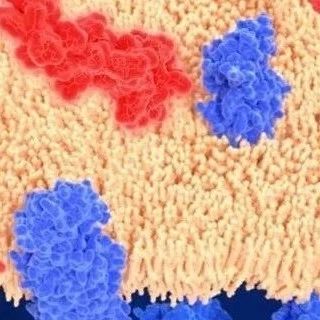
Core Viewpoint - The recent research from the European Obesity Congress reveals that married men face a significantly higher risk of obesity compared to their single counterparts, with a 3.2 times increase in obesity risk, while married women experience a much lower impact on their weight [5][8][11]. Group 1: Research Findings - Married men have a 62% higher probability of being overweight compared to single men [11]. - The obesity risk for married men is 3.2 times that of single men, while married women only see a 39% increase in overweight risk, with their obesity rates remaining relatively stable [8][11]. - The study analyzed 2,405 participants from the WOBASZ II survey, revealing that 35.3% of participants had normal weight, 38.3% were overweight, and 26.4% were obese [9]. Group 2: Factors Influencing Weight - Age is an independent factor affecting weight, with each additional year increasing the risk of being overweight by 3% for men and 4% for women, and the risk of obesity by 4% for men and 6% for women [11]. - Psychological factors such as depression and lack of health knowledge can further increase obesity risk, particularly for women [11]. Group 3: Lifestyle Implications - The increase in weight among married men may be attributed to factors such as increased food intake, more social gatherings, and reduced physical activity [11]. - In contrast, women may be more focused on weight management due to societal pressures regarding body image [11].

20万细胞告诉你:肥胖衰老可逆,但"炎症记忆"为何让你总反弹?
GLP1减重宝典· 2025-08-25 03:03
Core Viewpoint - The article discusses a groundbreaking study published in "Nature" that reveals how weight loss can reverse cellular aging and metabolic disorders associated with obesity, highlighting the complex changes in adipose tissue post-weight loss [5][8]. Group 1: Research Findings - A study analyzed over 170,000 cells from 25 obese patients post-bariatric surgery and 24 healthy controls, revealing significant changes in adipose tissue, including an increase in immune cell infiltration, particularly macrophages, from 14% to 31% [6]. - The study found that weight loss significantly reduced the total proportion of myeloid cells in adipose tissue to 18%, and the phenotype of macrophages shifted from pro-inflammatory to a milder subtype, indicating improved metabolic function [6][7]. - Weight loss also led to a dramatic change in mature adipocyte phenotype and metabolism, reducing stress and fibrosis while reactivating lipid synthesis and breakdown pathways, which enhances insulin sensitivity and overall adipocyte function [6][7]. Group 2: Implications of Weight Loss - The research indicates that weight loss can broadly reverse gene regulation disorders caused by obesity, significantly reducing the expression of aging markers like p21 and effectively inhibiting the aging process [7][8]. - The study establishes a spatial dataset of human adipose tissue post-weight loss, providing deeper insights into the biological mechanisms behind weight reduction and its effects on metabolic health [8].

速递|信达生物小分子GLP-1R激动剂,在中国获批临床
GLP1减重宝典· 2025-08-25 03:00
Core Viewpoint - The article discusses the recent approval of IBI3032, a novel oral small molecule GLP-1 receptor agonist developed by Innovent Biologics, aimed at long-term weight management for overweight or obese adults [2][5]. Group 1: Product Development - IBI3032 has received clinical trial implicit approval from the China National Medical Products Administration (NMPA) and is set to undergo Phase 1 clinical trials in both China and the United States, starting in the second half of 2025 [2]. - The drug is designed to activate GLP-1 receptors, which can delay gastric emptying, suppress appetite, and promote insulin secretion, thereby addressing obesity and type 2 diabetes [3][5]. - IBI3032 is developed using structure-based drug design (SBDD) strategies, optimizing its physicochemical properties and pharmacokinetics [3][5]. Group 2: Strategic Positioning - Innovent Biologics is rapidly expanding its metabolic pipeline based on the foundation of the drug Masteglutide, with the initiation of IBI3032's clinical research marking a significant evolution in its metabolic product matrix [5]. - The drug has shown promising characteristics in preclinical animal models, including a longer elimination half-life and higher drug exposure levels at the same dosage, indicating potential for combination therapy with other small molecules in the metabolic field [5].

五点讲清!爆火的司美格鲁肽和替尔泊肽到底有什么区别?
GLP1减重宝典· 2025-08-25 03:00
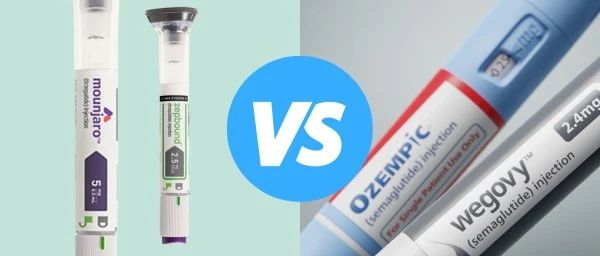
Core Viewpoint - Semaglutide and Tirzepatide are two commonly used GLP-1 receptor agonists for the treatment of type 2 diabetes and obesity, each with distinct structural and functional differences [2][10]. Mechanism of Action - Semaglutide primarily stimulates insulin secretion from pancreatic beta cells, enhances glucose metabolism, and suppresses glucagon secretion, leading to reduced fasting and postprandial blood glucose levels [3]. - In contrast, Tirzepatide acts as a dual agonist for GLP-1 and GIP, activating GLP-1 receptors while mimicking natural GIP, with a weaker ability to drive GLP-1 receptor internalization compared to Semaglutide [5]. Clinical Efficacy - Clinical studies show that Semaglutide leads to significant weight loss; for instance, in the STEP 1 trial, patients lost an average of 14.9% of their body weight after 68 weeks on a 2.4 mg dose [6]. - Tirzepatide demonstrated even greater weight loss in the SURMOUNT-1 and SURMOUNT-2 phase III trials, with the highest dose group (15 mg) achieving an average weight loss of 20.9%, approximately 22 kg [6]. Side Effects - Both medications can cause similar gastrointestinal side effects, including nausea, diarrhea, vomiting, constipation, abdominal pain, bloating, and indigestion, typically mild to moderate and occurring early in treatment [7]. - However, Tirzepatide may reduce these side effects due to its action on GIP receptors, leading to fewer reported side effects and enhanced satiety [9]. Approved Indications - Semaglutide is approved for the treatment of type 2 diabetes and obesity, including use in adolescents aged 12 and older [10]. - Tirzepatide has been approved in China for weight management in patients with a BMI ≥ 28 kg/m² or those with a BMI between 24-28 kg/m² with at least one comorbidity [10][11]. Administration Method - Both Semaglutide and Tirzepatide are administered via subcutaneous injection once a week, with Semaglutide also available in an oral tablet form (Rybelsus) for patients who prefer not to inject [12]. Conclusion - In summary, Semaglutide and Tirzepatide exhibit unique characteristics in terms of weight loss efficacy, mechanisms of action, side effects, and approved indications, necessitating patient-specific treatment decisions based on health status and medical advice [14].
速递|安进GLP-1双靶点AMG133,在中国新获批临床
GLP1减重宝典· 2025-08-24 10:25
Core Viewpoint - Viking Therapeutics' stock plummeted following the announcement of an oral obesity drug, while Amgen's new drug AMG 133 received clinical trial approval in China for heart failure with obesity [2][8]. Group 1: AMG 133 Overview - AMG 133 is an innovative bispecific antibody-peptide conjugate developed by Amgen, designed to inhibit the glucose-dependent insulinotropic polypeptide receptor (GIPR) and activate the glucagon-like peptide-1 receptor (GLP-1R), offering a unique mechanism of action [3][8]. - The drug has shown significant weight loss, blood sugar, insulin, and lipid improvements in preclinical studies involving obese mice and crab-eating macaques, along with enhanced satiety [4]. Group 2: Clinical Trial Results - In the Phase I trial (NCT04478708), AMG 133 demonstrated an average weight loss of 14.5% (approximately 26 pounds) in the high-dose group (420 mg, administered three times a month) [5]. - Notably, after discontinuation of the drug for 150 days, participants maintained an average weight loss of 11.2%, indicating lasting efficacy [5]. Group 3: Safety and Administration - The most common adverse reactions were mild to moderate gastrointestinal issues (nausea, vomiting), which typically resolved within 48 hours, indicating good overall tolerability [6]. - AMG 133's weight loss effect (14.5%) is superior to that of other drugs like terzepatide and semaglutide, particularly due to its convenient monthly dosing compared to the weekly administration of other medications [8].


惊爆!《自然》揭秘:减重如何重塑你体内的"脂肪王国"?
GLP1减重宝典· 2025-08-24 10:25
Core Insights - The article discusses the global obesity crisis, highlighting that over 1 billion people are affected by obesity, which is linked to various metabolic diseases and health risks [6][8]. - It emphasizes the importance of understanding the changes in adipose tissue during weight loss, revealing new insights into the mechanisms behind obesity and potential therapeutic approaches [18]. Group 1: Adipose Tissue Remodeling - A comprehensive single-cell atlas of adipose tissue was created, analyzing over 171,000 cells from 25 severely obese individuals and 24 healthy individuals, focusing on subcutaneous abdominal fat [8]. - The study found an influx of immune cells, particularly macrophages and lymphocytes, in obese adipose tissue, while the proportion of mature adipocytes decreased, indicating cell death or insufficient renewal [8][10]. - Weight loss effectively alleviated these pathological changes in adipose tissue [8]. Group 2: Macrophage Memory Effect - The proportion of macrophages in adipose tissue increased from 14% to 31% in obesity, with lipid-associated macrophages (LAMs) being predominant [10]. - Metabolic analysis showed that obese macrophages exhibited a globally hypermetabolic state, activating various metabolic pathways [10]. - After weight loss, macrophage numbers significantly decreased to 18%, and inflammatory gene expression was downregulated, but the hypermetabolic state did not fully reverse, suggesting an "epigenetic memory" [10]. Group 3: Fat Cell Metabolism Reboot - Eight subtypes of mature adipocytes were identified, with stress and fibrotic types increasing in obesity, while lipid synthesis types decreased [12]. - Weight loss led to a significant reduction in stress-type adipocytes and a restoration of lipid synthesis-type cells [12]. - Enhanced metabolic flux in adipocytes post-weight loss was linked to improved insulin sensitivity [12]. Group 4: Decline of Stress Ecological Niche - The study identified an increase in stress-type adipose precursor cells (APCs) in obese individuals, which were associated with hypoxia [14]. - Weight loss significantly reduced the proportion of stress-type and fibrotic APCs, downregulating hypoxia and anti-adipogenic signals [14]. - The vascular system also showed stress-type subpopulations, which were reduced after weight loss [14]. Group 5: Reversal of Aging Programs - Remarkably, weight loss significantly downregulated various senescence markers across multiple cell types, reducing the aging score and the number of p21-positive cells [17]. - The study revealed a conserved transcription factor network in senescent cells that drives a vicious cycle of cell cycle arrest and senescence-associated secretory phenotype (SASP) [17]. - Weight loss effectively "shut down" this network, rebooting cellular health programs [17].

使用司美格鲁肽替尔泊肽,不想反弹?掌握这些关键点很重要!
GLP1减重宝典· 2025-08-24 10:25
Core Viewpoint - Obesity is a health condition associated with excess fat accumulation, leading to various complications and comorbidities. GLP-1 receptor agonists have been approved for treating obesity and type 2 diabetes, demonstrating effectiveness in appetite reduction and food intake decrease [2][3]. Group 1: Efficacy of GLP-1 Receptor Agonists - GLP-1 receptor agonists like semaglutide and tirzepatide have shown weight loss of 15%-20% compared to placebo after 68 and 72 weeks of treatment, respectively [3]. - Despite their effectiveness, about half of the patients discontinue treatment within the first year due to gastrointestinal side effects and high costs [3]. - A clinical trial indicated that participants who continued semaglutide lost an average of 17.3% of their weight over 68 weeks, while those who switched to placebo regained approximately 6.9% of their weight [6]. Group 2: Challenges in Weight Maintenance - One of the biggest challenges in weight loss is maintaining the results, as many individuals experience weight regain after stopping treatment. Studies show that discontinuation of GLP-1 receptor agonists often leads to weight gain [5]. - After stopping semaglutide, 18% of patients regained their previous weight, and 26% regained more than 25% of their lost weight within a year [6]. Group 3: Treatment Duration and Strategies - It is recommended to continue treatment for at least 12 weeks before assessing effectiveness, with a suggested duration of 9 months to 1 year for consolidation therapy if significant weight loss is observed [7]. - Initial weeks of semaglutide treatment may lead to increased satiety and reduced food intake, although mild side effects like nausea may occur [10][11]. Group 4: Discontinuation and Monitoring - Gradual dose reduction is advised when discontinuing semaglutide to mitigate increased hunger sensations, especially for non-diabetic patients [12]. - Patients are encouraged to monitor their appetite and weight closely after stopping medication, and to maintain healthy eating habits and regular exercise to prevent weight rebound [14]. Group 5: Strategies to Prevent Weight Regain - Key strategies to prevent weight regain include altering dietary habits by reducing high-calorie foods and increasing protein and fiber intake to enhance metabolism [15]. - Incorporating strength training alongside aerobic exercises can help maintain weight loss by increasing muscle mass and metabolic rate [17]. - Adequate sleep is crucial for metabolic regulation, with 7-9 hours of sleep recommended for optimal health [18].