洞见

Search documents
一个家最上等的风水:关门
洞见· 2025-09-14 12:35
Core Viewpoint - The article emphasizes the importance of family harmony and prosperity, suggesting that a family's success is determined by their internal values and practices rather than external circumstances. It advocates for closing metaphorical doors to desires, gossip, blame, and negativity to foster a peaceful and thriving family environment [4][15]. Group 1: Closing the Door on Desires - The article highlights the concept of "knowing contentment" as a means to achieve family happiness, arguing that unrestrained desires lead to dissatisfaction and conflict within families. It cites examples of individuals who, despite modest means, express gratitude for their circumstances, illustrating the value of appreciating what one has [6][7]. - It references the idea that a family should focus on their own happiness rather than comparing themselves to others, which often leads to resentment and disputes [6][7]. Group 2: Closing the Door on Gossip - The text discusses the dangers of speaking ill of others, stating that excessive talking can lead to misunderstandings and conflicts. It provides examples of notable figures who adhered to the principle of avoiding gossip, which contributed to their family's success and reputation [9][10]. - The article suggests that maintaining silence on others' affairs fosters better relationships and cultivates a positive family environment [9][10]. Group 3: Closing the Door on Blame - The article emphasizes the importance of tolerance and understanding within families, advocating for a culture of not blaming each other. It shares historical examples of families that thrived due to their forgiving nature and supportive attitudes towards one another [15][16]. - It posits that a harmonious family environment, free from blame, leads to collective success and stability over generations [15][16]. Group 4: Closing the Door on Negativity - The article underscores the significance of kindness and good deeds within a family, suggesting that a family known for its benevolence will reap long-term benefits and blessings. It cites the example of a charitable family that gained respect and prosperity through their good actions [12][13]. - It concludes that a family's fortune is influenced more by their moral actions than by external factors, reinforcing the idea that positive behavior leads to a prosperous family legacy [12][13].


“牙龈萎缩"了,还能“长”回来吗?
洞见· 2025-09-13 12:20
Core Viewpoint - The article emphasizes the significance of addressing gum recession, a common dental issue affecting approximately 50% of the population in China, which can lead to severe consequences such as tooth loss if not managed properly [8][12]. Summary by Sections Gum Recession Overview - Gum recession, or gingival recession, refers to the retreat of gum tissue, exposing the tooth roots and potentially leading to tooth mobility and loss [3][4]. - Symptoms include swollen gums, bleeding while brushing, sensitivity to temperature changes, and visible gaps between teeth [6]. Prevalence and Causes - A significant portion of the population, around 50%, experiences gum recession, particularly affecting the aesthetics of front teeth [8]. - The primary cause of gum recession is the accumulation of dental plaque, which leads to chronic irritation and inflammation of the gums [10]. Treatment and Prevention - While gum recession can be managed to prevent further deterioration, reversing already receded gums is challenging [12]. - Regular brushing and proper oral hygiene are crucial in mitigating gum issues [14]. Product Introduction - The article introduces "Nobida Rebuild Gum Care Toothpaste," developed by a team from Peking University, claiming to improve oral health and reduce gum problems [14][27]. - Clinical trials indicate that after two weeks of use, sensitivity decreased by 39.44%, and after four weeks, it decreased by 56.34% [32]. Clinical Validation - The toothpaste has undergone clinical validation at two dental hospitals, demonstrating its effectiveness in reducing sensitivity and improving gum health [29][38]. - A significant reduction in plaque index was reported, with an average decrease of 90.5% after 12 weeks of use [37]. Unique Selling Proposition - The toothpaste utilizes HAP-Rebuild technology, which incorporates hydroxyapatite (HAP), a natural component of teeth, to repair enamel and reduce plaque [60][62]. - Unlike traditional toothpastes that may cause enamel erosion, this product aims to enhance enamel strength and provide a protective barrier against sensitivity [75][80]. Market Positioning - The product is positioned as a premium option compared to traditional toothpastes, with a focus on long-term oral health benefits versus the costs associated with dental procedures [92]. - Pricing details include various package options, with promotional offers for bulk purchases [94][95].

20万人在线围观昔日浙江首富直播跳舞:人在低谷,不要谈面子
洞见· 2025-09-13 12:20
Core Viewpoint - The article emphasizes the importance of prioritizing survival and practicality over maintaining one's pride and face, especially during difficult times. It illustrates this through various personal stories of individuals who have faced significant setbacks and chose to adapt rather than cling to their former status [6][23][25]. Group 1: Case Studies of Individuals - Zhou Chengjian, the founder of Metersbonwe, faced a decline in his company's performance and returned to the public eye through live streaming to generate income, demonstrating a willingness to set aside pride for survival [6][8][23]. - Feng Yang, once a wealthy company owner, lost everything due to poor decisions and had to start selling ice powder on the street, showcasing the drastic changes individuals may face in their financial situations [9][23]. - Actor Yu Qingbin transitioned to delivering food due to financial struggles, highlighting that taking on jobs perceived as lowly is sometimes necessary for survival [13][23]. Group 2: The Concept of Face and Survival - The article argues that maintaining face can hinder individuals from making practical decisions that ensure their survival, as seen in the stories of various individuals who chose to prioritize income over pride [11][23][25]. - It suggests that true maturity involves letting go of superficial concerns about appearance and focusing on real-life responsibilities, as illustrated by the experiences of those who have faced financial hardships [14][18][23]. - The narrative concludes that every effort made to earn money, even in less dignified roles, contributes to one's dignity and future respect, reinforcing the idea that survival should come first [28][23].


人,不能太尖(深度好文)
洞见· 2025-09-13 12:20
Core Viewpoint - The article emphasizes the importance of humility and restraint in both speech and talent, suggesting that being overly sharp or showy can lead to negative consequences in personal and professional relationships [5][10][14]. Summary by Sections 1. Less Sharp Words - Words that are too sharp can harm relationships and reflect a person's character, leading to misfortune [7]. - Historical example of Xie Qin, who faced dire consequences due to his sharp tongue and lack of consideration for others [8]. - The article suggests that those who speak gently and considerately are more likely to earn respect and trust [9]. 2. Talent Not to Be Showy - The article cites Zeng Guofan, stating that those who seek to show off their talents often lack true substance [10]. - An anecdote about Li Diaoyuan illustrates how true talent does not need to be flaunted, as he remained humble while showcasing his skills when necessary [11]. - The message is that accumulating strength quietly is more valuable than seeking external validation through boastfulness [12]. 3. The Value of Being "Dull" - The text references Laozi, indicating that those with great wisdom often appear less astute, which is a sign of their broader perspective [14]. - The story of scholar Zhen Yu demonstrates how a calm and unassuming approach can resolve conflicts and earn respect [16]. - The article concludes that adopting a more "dull" demeanor can lead to greater peace and stability in life [16].

中国家庭的六种情感模式,你是哪一种?
洞见· 2025-09-13 12:20
Core Viewpoint - The article emphasizes the significant impact of parenting styles on children's development, highlighting that different family dynamics can lead to varying outcomes in children's personalities and life paths [4][50]. Group 1: Parenting Styles - The "Eagle Parenting" style is characterized by strict control and high expectations, which can lead to children feeling pressured and potentially developing mental health issues [8][14][16]. - "Hedgehog Parents" tend to focus on criticism and negative feedback, which can damage a child's self-esteem and lead to self-doubt [20][24][26]. - "Avoidant Parenting" creates emotional distance, leading to feelings of neglect and coldness in children, which can result in isolation and lack of self-worth [31][32][33]. Group 2: Consequences of Parenting - High-pressure environments can yield short-term academic success but may ultimately lead to psychological breakdowns in children due to overwhelming stress [14][16]. - Children raised in conflictual households may experience a lack of security and emotional stability, which can hinder their development and lead to behavioral issues [35][52]. - The article suggests that a nurturing and supportive family environment fosters confidence and resilience in children, enabling them to thrive in various aspects of life [48][50]. Group 3: Recommendations for Parents - Parents are encouraged to avoid controlling behaviors and instead provide emotional support and open communication to foster healthy development [52]. - The importance of modeling positive behaviors is highlighted, as children often emulate their parents' attitudes and actions [42][45]. - Creating a loving and respectful home environment is essential for children's self-esteem and overall well-being, as it lays the foundation for their future success [48][50].

一个人最大的不靠谱,是沟通没有形成闭环
洞见· 2025-09-13 12:20
Core Viewpoint - Reliability is the most significant talent in a world where intelligence is abundant, and effective communication is essential for establishing trust and ensuring collaboration [7][8]. Group 1 - The article discusses the challenges of organizing group activities and the frustration of unresponsive participants, highlighting the importance of communication in ensuring reliability [4][6]. - It emphasizes that some individuals create uncertainty in collaborative environments by failing to communicate effectively, leading to a lack of trust [10][16]. - The author categorizes people into two types: those who provide complete information and feedback, and those who leave others in uncertainty, which can lead to negative outcomes in teamwork [27][30]. Group 2 - The article references a communication mechanism used in West Point Military Academy, where instructions are confirmed and reconfirmed to ensure clarity and accountability [34][36]. - It illustrates the consequences of poor communication through examples, such as a software development project that failed due to a lack of progress updates and feedback from a team member [41][46]. - The concept of a "feedback black hole" is introduced, where information is not reciprocated, leading to inefficiencies and misunderstandings in collaborative efforts [49][50]. Group 3 - The article provides an example of a reliable employee who communicates effectively, ensuring that their superiors are informed and can trust them during critical moments [54][59]. - It highlights the importance of providing clarity and certainty in communication, which fosters trust and long-term partnerships in business relationships [61][70]. - The author concludes that genuine communication reflects a person's character and is essential for building reliability and responsibility in professional settings [72][73].

补品一堆,不如立秋三宝!每天来一块,只长营养不长胖
洞见· 2025-09-12 12:36
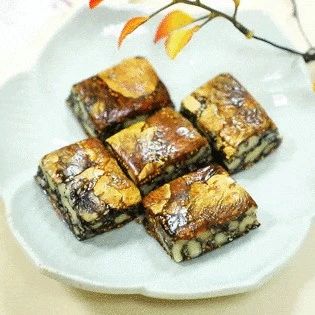
Core Viewpoint - The article promotes a healthy snack product, BYOUNGER X Nutritional Fig and Black Sesame Pie, highlighting its natural ingredients and health benefits, positioning it as a top choice in the snack market [15][20][56]. Ingredient Quality - The product contains only three ingredients: dried figs, walnut kernels, and black sesame, with no preservatives or artificial flavors, making it suitable for children, fitness enthusiasts, and those monitoring sugar intake [9][20][44]. - The figs are sourced from Iran, known for their superior quality due to favorable climate and cultivation techniques, resulting in a sweet and soft texture [27][48]. - The walnuts are selected from Xinjiang, ensuring a crunchy texture without bitterness, while the black sesame is carefully processed to enhance its flavor [32][34]. Production Process - The production adheres to strict hygiene standards in a 100,000-level sterile workshop, ensuring safety and quality throughout the manufacturing process [25][62]. - The figs undergo a traditional method of three steaming and three drying processes to enhance sweetness and retain dietary fiber [66]. - The black sesame is subjected to multiple purification steps to ensure only the best quality is used in the product [70]. Packaging and Convenience - The product is vacuum-sealed in individual packages, maintaining freshness and making it easy to carry for on-the-go consumption [83][90]. - It is marketed as a versatile snack suitable for various occasions, such as breakfast, office snacks, post-workout recovery, and casual snacking while watching TV [38][92]. Pricing and Promotions - The retail price is set at 69 yuan per bag, with promotional offers available, such as 39.9 yuan for three bags, making it an attractive option for consumers [40][94].
一个家庭最消耗孩子的,竟是这些不起眼的小事
洞见· 2025-09-12 12:36
Core Viewpoint - The article emphasizes the importance of maintaining high energy levels in both parents and children, highlighting how low energy can negatively impact children's emotional and psychological well-being [3][5][18]. Group 1: Factors Consuming Children's Energy - Excessive criticism and blame from parents can lead to a negative emotional environment for children, causing them to feel demoralized and anxious [7][10][11]. - Frequent parental conflicts create a stressful atmosphere that can harm children's mental health, as seen in the example of a girl who developed a habit of pulling her hair due to her parents' constant arguments [13][14][16]. - Parents' own low energy levels, stemming from personal and professional pressures, can inadvertently affect their children's outlook on life, leading to a cycle of negativity [18][20][21]. Group 2: Positive Parenting Approaches - Parents are encouraged to adopt a more forgiving and understanding approach, focusing on love and empathy rather than criticism, to foster a supportive environment for children [11][12][19]. - Demonstrating calmness and positivity in the face of challenges can serve as a powerful example for children, helping them develop resilience and a positive attitude towards life [21][23]. - The article suggests that by addressing their own emotional challenges, parents can better support their children's growth and happiness, ultimately leading to a more harmonious family dynamic [20][22].

手术医生曝光人濒死前最后一幕:如果你不爱自己,来看看身体怎样的爱你
洞见· 2025-09-12 12:36
Core Viewpoint - The article emphasizes the importance of appreciating and caring for one's body, highlighting its remarkable self-defense mechanisms and resilience in critical situations [12][22]. Group 1: Body's Resilience - The body has an "ultimate defense system" that activates during life-threatening situations, prioritizing blood flow to vital organs like the brain and heart [10][12]. - Heart muscle cells exhibit incredible compensatory abilities, working harder to support damaged cells, showcasing the body's determination to survive [11][12]. - In critical moments, the body employs various mechanisms, such as blood vessel constriction and increased heart activity, to sustain life [10][12]. Group 2: Daily Care and Lifestyle - Many individuals neglect their health through poor lifestyle choices, such as unhealthy eating and lack of exercise, despite their body's continuous efforts to maintain health [19][20]. - The article stresses that maintaining health is a responsibility that few recognize, and that neglecting it can lead to severe consequences [21][22]. - It encourages individuals to listen to their bodies, respect their rhythms, and appreciate their contributions to overall well-being [24][30]. Group 3: Value of the Body - The article presents a stark comparison of the monetary value of human organs, illustrating that a person's body could be worth approximately $43 million, emphasizing the intrinsic value of health [25][26]. - It concludes that good health is the greatest wealth, and individuals should cherish their bodies as they are invaluable treasures [26][30].

你越静,福越深
洞见· 2025-09-12 12:36
Group 1 - The article emphasizes the importance of maintaining inner peace and calmness as a means to achieve health and well-being, suggesting that tranquility is essential for a fulfilling life [6][10][34] - It discusses the concept of "静观" (observing quietly) in social interactions, highlighting that understanding others' true nature requires a calm and observant mindset [12][17] - The text illustrates how historical figures like Su Shi and Yang Jiang practiced quiet contemplation to navigate life's challenges and maintain their integrity [15][22][30] Group 2 - The article presents the idea that in a noisy world, finding moments of stillness is crucial for personal growth and clarity, as exemplified by the practices of various literary figures [27][30][33] - It concludes with a call to cultivate a peaceful heart and mind, encouraging individuals to remain true to themselves amidst external distractions and pressures [36][39][40]