中国基金报

Search documents
取款超5万,不用登记了!
中国基金报· 2025-11-29 06:34
Core Viewpoint - The new regulation, effective from January 1, 2026, eliminates the requirement for individuals to register the source of funds for cash withdrawals exceeding 50,000 yuan, aligning with risk-based principles in customer due diligence [2][4][6]. Group 1: Regulatory Changes - The regulation cancels the previous requirement for individuals to register the source of funds for cash withdrawals over 50,000 yuan, which had raised concerns about privacy and operational complexity [4][6]. - Financial institutions are now required to adopt a risk-based approach in customer due diligence, allowing for simplified measures in low-risk scenarios while enhancing scrutiny in high-risk situations [6][7][12]. Group 2: Implementation and Impact - The new regulation is expected to improve customer experience by reducing unnecessary inquiries during cash withdrawals, while still maintaining a focus on risk management [7][8]. - The regulation applies not only to banks but also to securities, insurance, trust, and non-bank payment institutions, ensuring a comprehensive approach to customer due diligence across the financial sector [12][14]. Group 3: Compliance and Monitoring - Financial institutions must ensure the accurate retention of customer identity information and transaction records, facilitating effective monitoring and investigation of suspicious activities [12][45]. - The regulation emphasizes the importance of ongoing risk assessment and monitoring of customer transactions to adapt to any changes in risk status [29][30].

国务院安委会部署开展高层建筑重大火灾风险隐患排查整治行动
中国基金报· 2025-11-29 06:34
Core Viewpoint - The State Council's Work Safety Committee has issued a notice to conduct a comprehensive inspection and rectification action for major fire risks in high-rise buildings, focusing on residential and public buildings to enhance fire safety management and protect public safety [2]. Group 1: Focus Areas for Inspection - The inspection emphasizes high-rise buildings undergoing external wall renovations [3]. - Key areas for inspection include the use of flammable materials in new external wall insulation systems and the use of prohibited materials and equipment such as bamboo scaffolding and non-flame-retardant safety nets [4]. - Internal renovations in high-rise buildings are also a focus, particularly regarding fire-related work that is not properly registered and the use of flammable materials for decoration [5][6]. Group 2: Fire Safety Equipment - The inspection will cover fire safety equipment in high-rise buildings, including checking for adequate water supply and pressure in indoor and outdoor fire hydrant systems [7][8]. - It will also assess the functionality of fire alarm systems and smoke control systems, as well as the integrity of fire barriers like fire doors [9]. Group 3: Daily Fire Safety Management - Daily fire safety management will be scrutinized, including the removal of flammable debris from building facades and ensuring that fire lanes and emergency exits are not blocked [10][11]. - The inspection will also address issues such as the improper charging of electric bicycles inside buildings and the condition of electrical wiring [11]. Group 4: Implementation and Accountability - The notice requires local authorities to organize self-inspections by relevant enterprises and conduct random checks to prevent superficial compliance [12]. - Immediate rectification of identified safety hazards is mandated, with strict accountability for serious violations [12]. - Continuous public education and a reward mechanism for reporting safety risks are emphasized to encourage community involvement [12]. Group 5: Organizational Responsibility - Local authorities are urged to elevate their political awareness and responsibility, integrating fire risk inspections into broader safety and development strategies [13]. - There is a call for enhanced leadership and task division to ensure effective implementation of safety measures [13].
爱达邮轮:日本方向,全部取消!
中国基金报· 2025-11-29 05:09
Core Viewpoint - Adora Cruises has announced changes to its Q1 2026 itinerary, canceling destinations in Japan and focusing on popular locations in South Korea and Southeast Asia [2][5]. Group 1: Itinerary Changes - Adora Cruises will no longer include Japanese destinations such as Nagasaki, Fukuoka, and Sasebo in its Q1 2026 itinerary for the Adora Magic City and Adora Mediterranean ships, which will now focus on South Korean ports like Jeju, Busan, and Seoul [5]. - The Adora Mediterranean will operate from Guangzhou, offering itineraries to Vietnamese destinations such as Da Nang, Ha Long Bay, and Hue, as well as longer routes covering popular spots in Vietnam, the Philippines, and Malaysia [5]. Group 2: Customer-Centric Approach - Adora Cruises emphasizes its commitment to catering to Chinese customer demands by continuously enhancing its itinerary options and onboard experiences [5]. - The company plans to listen to consumer feedback and market trends to optimize its cruise products and route planning for a better travel experience [5]. Group 3: Operational Details - Adora Cruises currently operates two large cruise ships: the domestically produced Adora Magic City and the Adora Mediterranean, which is known as the "Art Ship" [7]. - The Adora Magic City has a length of 323.6 meters and a gross tonnage of 136,200 tons, featuring 2,125 luxury cabins and suites, accommodating up to 5,246 guests [7]. - Since its maiden voyage on January 1, 2024, the Adora Magic City has completed nearly 100 voyages, serving over 330,000 domestic and international guests [7].

习近平在中共中央政治局第二十三次集体学习时强调 健全网络生态治理长效机制 持续营造风清气正的网络空间
中国基金报· 2025-11-29 04:34
Core Viewpoint - The article emphasizes the importance of strengthening internet ecological governance as a crucial task for building a strong internet nation, which relates to national development, security, and the interests of the people [1][2]. Group 1: Governance Structure - The governance of the internet must be under the centralized and unified leadership of the Party, establishing a comprehensive governance framework to form a collaborative effort [2]. - Various levels and departments should enhance their political and leadership responsibilities in managing the internet, effectively addressing prominent issues, and improving their ability to understand public opinion through the internet [2]. Group 2: Promoting Positive Values - It is essential to shape the online space with positive voices, mainstream values, and contemporary trends, making the internet a platform for ideological guidance, moral cultivation, and cultural transmission [2]. - The promotion of socialist core values and the dissemination of innovative theoretical content online should be prioritized, alongside the production of meaningful and impactful online works [2]. Group 3: Systematic Approach - Internet ecological governance is a systematic project that requires mobilizing various forces and employing multiple methods, including education, administration, and legal measures [2]. - There is a need to improve the implementation mechanisms for online ideological and moral education, fostering a self-respecting, rational, and positive online social mentality [2]. Group 4: Addressing Online Issues - The article highlights the necessity to combat online chaos that harms social ethics and infringes on public interests, advocating for decisive actions to sever the profit and industrial chains that sustain such issues [3]. - Identifying weak links in internet ecological governance and implementing targeted measures to strengthen the foundation and address shortcomings is crucial [3]. Group 5: Technological Challenges and Opportunities - The emergence of new technologies such as artificial intelligence and big data presents challenges for internet ecological governance but also offers new support conditions [3]. - Encouraging the development of new technologies in the internet information sector and facilitating the transformation of research and development outcomes into practical applications is essential [3]. Group 6: International Cooperation - Internet ecological governance is a common challenge faced by countries worldwide, necessitating active participation in the formulation of international rules and collaboration to combat online crimes [3]. - Strengthening international communication platforms and capabilities to effectively convey China's voice and narrative is important for enhancing China's image globally [3].
杨晓明、徐佐,被撤销奖励,收回奖章、证书
中国基金报· 2025-11-29 03:13
关于撤销杨晓明、徐佐 所获奖励的公告 来源:中国科协之声 11月28日," 中国科协之声 "微信公众号发布" 关于撤销杨晓明、徐佐所获奖励的公告 ",内 容如下: 鉴于杨晓明、徐佐存在违纪违法行为, 为维护全国创新争先奖的荣誉性、权威性、 严肃性,经奖项主办单位研究决定,撤销杨 晓明、徐佐所获全国创新争先奖奖状,收回 所获奖章、证书。 中国科协 2025年11月28日 les & FR 点击下载中国基金报客户端 鉴于杨晓明、徐佐存在违纪违法行为,为维护全国创新争先奖的荣誉性、权威性、严肃性,经 奖项主办单位研究决定,撤销杨晓明、徐佐所获全国创新争先奖奖状,收回所获奖章、证书。 ■ 中国基金报内容矩阵 ■ 巅峰对话 投资热点说 ETF风向标 IPO情报站 fe o 1 ■ a a - 444 and 4 4 CHINAFUND CHINAFUND CHINAFUND CHINAFUND 开盘速递 港股日报 全球早班车 数说人物 √ � [ 8 a 4 a g a d 4 4 4 CHINAFUND CHINAFUND CHINAFUND CHINAFUND ●微信搜一搜( 〔 〔 中国基金报 〕即刻获取财经资讯 ...

工行、农行、中行、建行、交行、邮储,停售!
中国基金报· 2025-11-29 03:13
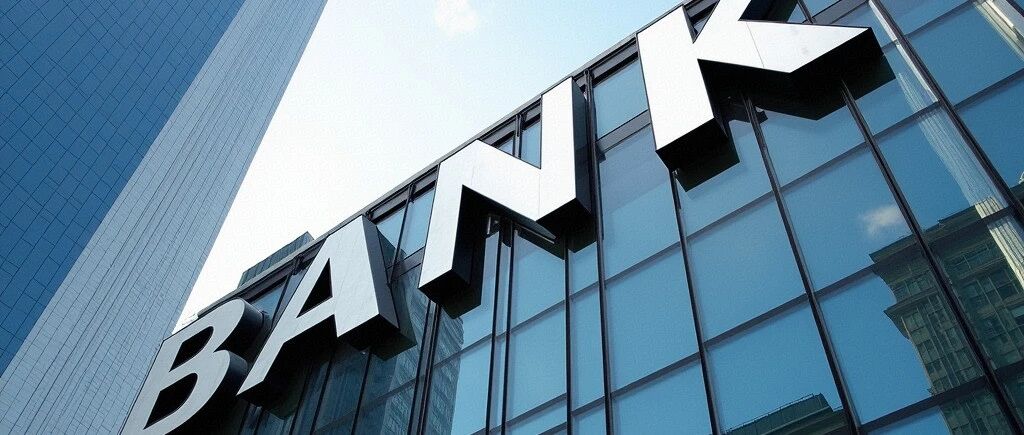
Core Viewpoint - The recent collective suspension of 5-year large-denomination certificates of deposit (CDs) by six major state-owned banks indicates a trend towards reducing liability costs and stabilizing net interest margins, with expectations for continued declines in deposit product rates [2][12]. Summary by Sections Suspension of 5-Year Large-Denomination CDs - Six major state-owned banks, including Industrial and Agricultural Banks, have removed 5-year large-denomination CDs from their offerings, raising significant attention [4][11]. - Some banks had already stopped offering 5-year CDs prior to this collective action, highlighting a shift in the market [4][6]. Adjustments by Smaller Banks - Many smaller banks have also been adjusting their long-term deposit products, with some, like Mengyin Village Bank, announcing the cancellation of 5-year fixed-term deposits [10][11]. - The trend of suspending long-term deposit products is expected to continue, driven by pressures on net interest margins and regulatory guidance [13]. Net Interest Margin Pressure - As of Q3 2025, the net interest margin for commercial banks remained at 1.42%, with state-owned banks having the lowest margin at 1.31% [11]. - The need to optimize liability structures is critical as high-cost long-term deposits exacerbate profitability pressures [11][12]. Future Trends and Investor Strategies - The ongoing adjustments in deposit products suggest that investors should adopt a diversified investment strategy rather than relying solely on traditional deposit products [12][14]. - Investors are encouraged to consider alternatives such as money market funds, cash management products, and government bonds to balance risk and return in a declining interest rate environment [14][15].






中国,最高票连任
中国基金报· 2025-11-29 01:55
巅峰对话 投资热点说 ETF风向标 IPO情报站 fe o 1 ■ a a - 444 and 4 4 CHINAFUND CHINAFUND CHINAFUND CHINAFUND 开盘速递 港股日报 全球早班车 数说人物 √ � [ 8 a 4 a g a d 4 4 4 CHINAFUND CHINAFUND CHINAFUND CHINAFUND ●微信搜一搜( 〔 〔 中国基金报 〕即刻获取财经资讯 根据《国际海事组织公约》,本次大会共选举产生40个理事国,其中A类为10个航运大国,B 类为10个海上贸易大国,C类为20个代表世界主要地理区域的重要海运国家。 中华人民共和国常驻国际海事组织代表处揭牌仪式日前在中国驻英国大使馆举行。国际海事组 织秘书长多明戈斯表示,中国是造船大国,拥有全球最大的港口群和众多班轮公司,并具备向 世界提供大量海员的能力。中国在航运领域参与度非常高,在国际海事合作中扮演"非常重要 的角色"。 国际海事组织是联合国系统主管海上安全和防止船舶造成海洋污染及其法律问题的专门机构, 总部位于英国伦敦。目前有176个会员国和3个联系会员。中国1973年恢复在该组织的会员国 合法席位, ...
A股,重要调整!
中国基金报· 2025-11-29 01:55
Core Viewpoint - Multiple indices in the A-share market are undergoing significant adjustments, with announcements made by the Shanghai and Shenzhen Stock Exchanges regarding changes to sample stocks in various indices [2][4]. Group 1: Index Adjustments - On November 28, the Shanghai Stock Exchange announced adjustments to the sample stocks of the Shanghai 50, Shanghai 180, Shanghai 380, and Sci-Tech 50 indices, effective after the market closes on December 12, 2025 [4][14]. - The Shanghai 50 index will replace four stocks, including the addition of SAIC Motor, Northern Rare Earth, Huadian New Energy, and Zhongke Shuguang, while Poly Development, China Mobile, China Aluminum, and CRRC will be removed [5][17]. - The Sci-Tech 50 index will replace two stocks, adding Aojie Technology and Shengke Communication, while Huaxi Biotechnology and Hangcai Co. will be removed [5][6]. Group 2: Shenzhen Stock Exchange Adjustments - The Shenzhen Stock Exchange announced that it will implement regular sample stock adjustments for the Shenzhen Component Index, ChiNext Index, Shenzhen 100, and ChiNext 50 on December 15, 2025 [6][14]. - The Shenzhen Component Index will add 17 stocks, including Tuowei Information, Sifang Jingchuang, and Wolong Nuclear Materials, while Guoyao Yizhi, Haide Shares, and Tibet Mining will be removed [6][7]. Group 3: Additional Index Changes - The ChiNext Index will add eight stocks, including Shuanglin Co., Changshan Pharmaceutical, and Changsheng Bearing [9][11]. - The CSI 300, CSI 500, and other indices will also undergo adjustments, with the CSI 300 replacing 11 stocks, including Huadian New Energy and Shenghong Technology, while removing FAW Liberation and Oppein Home [16][17]. - The CSI 500 index will replace 50 stocks, the CSI 1000 index will replace 100 stocks, and the CSI A50 and A100 indices will replace 4 and 6 stocks respectively [17].




香港特区政府举行悼念活动
中国基金报· 2025-11-29 01:05
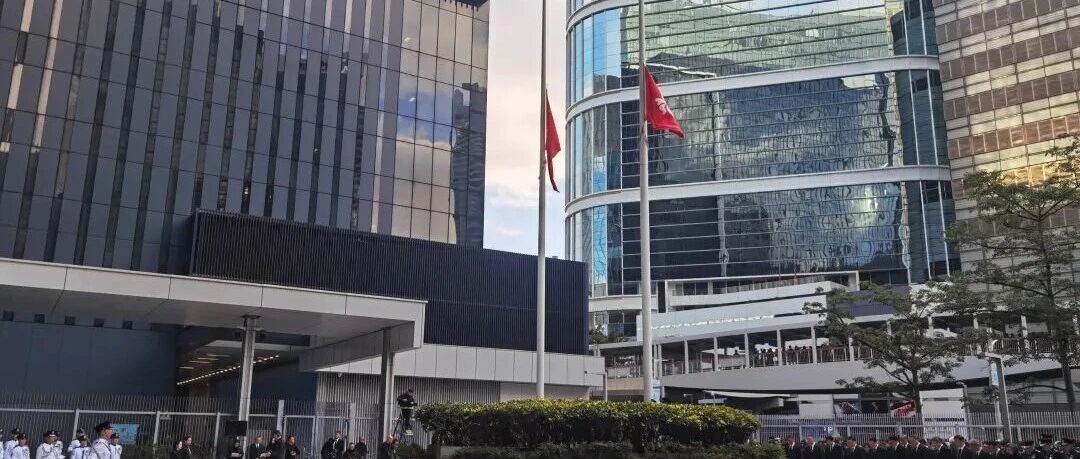
Group 1 - The Hong Kong Special Administrative Region government held a mourning event for the victims of the Tai Po fire, expressing deep condolences [1] - A half-mast flag ceremony took place on November 29 at the government headquarters, attended by the Chief Executive and key officials [1] - From November 29 to December 1, all government buildings and facilities displayed flags at half-mast, and non-essential public activities were canceled or postponed [1] Group 2 - The fire at Tai Po's Hong Fu Court occurred on November 26, resulting in 128 reported fatalities [2]
芯片巨头,突然暴涨!
中国基金报· 2025-11-28 23:51
Market Overview - On November 28, US stock markets closed early with all three major indices rising, driven by a rebound in technology stocks, particularly Intel, which surged over 10%, marking its best single-day performance since September 18 [2][4][9] - The three major indices saw significant weekly gains, with the Dow Jones increasing by 3.18%, the S&P 500 rising by 3.73%, and the Nasdaq gaining 4.91% [6] Index Performance - The Dow Jones Industrial Average rose by 289.30 points, or 0.61%, closing at 47,716.42 points; the Nasdaq increased by 151.00 points, or 0.65%, to 23,365.69 points; and the S&P 500 gained 36.48 points, or 0.54%, ending at 6,849.09 points [4][6] Sector Performance - Major technology stocks mostly rose, with Facebook up over 2%, Amazon increasing by more than 1%, and Microsoft rising over 1%. However, Nvidia saw a decline of over 1% [10] - The Philadelphia Semiconductor Index rose by 1.82%, with notable gains in semiconductor stocks such as Intel, which rose over 10%, and Micron Technology, which increased by over 2% [11][12] Commodity Market - WTI crude oil prices fell for the fourth consecutive month, closing at $58.55 per barrel, marking the longest monthly decline since March 2023 [14][15] - Metal prices surged significantly, with silver reaching a record high of $56.46 per ounce after a 5.7% increase, and copper hitting a record high of $11,210.50 per ton, although it later narrowed its gains [16]