digihuman(835670)

Search documents

10秒生成高自然度数字人
Sou Hu Cai Jing· 2025-05-19 05:41
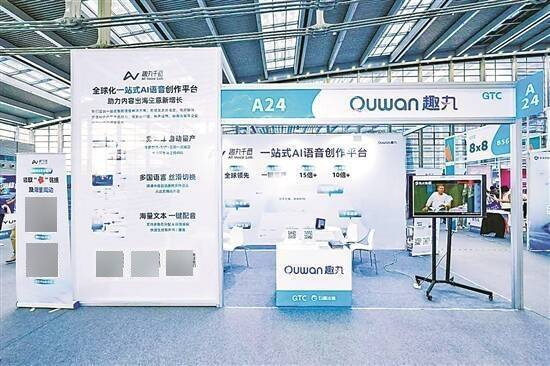
Core Viewpoint - Quwan Technology has been recognized as one of the top 50 AI technology companies in China by Forbes, highlighting its significant contributions to the AI sector [6][15]. Company Overview - Quwan Technology has invested 1.9 billion yuan over five years in AI and other cutting-edge technology research, establishing a comprehensive AI interaction technology ecosystem [6][15]. - The company emphasizes the importance of intelligentization over mere digitalization, viewing it as the largest growth opportunity for Chinese enterprises in the next decade [6]. AI Short Drama Market - The short drama market in China is expected to experience explosive growth in 2024, with total downloads reaching 370 million and in-app purchases amounting to 570 million USD [7]. - Quwan Technology's short drama "I Am a Stepmom in the 80s" has successfully entered international markets, demonstrating the demand for localized content [6][7]. AI Translation Efficiency - Quwan Technology's AI translation platform, Qianyin, significantly reduces translation costs and time, with AI translation being 15 times cheaper than human translation and capable of processing a full drama in one day [8][10]. - The platform utilizes specialized models to enhance translation quality, making it more human-like and contextually relevant [9][10]. Digital Human Technology - Quwan Technology has developed a digital human technology that can generate high-quality digital avatars in 10 seconds, achieving a market-leading position in e-commerce [10][15]. - The company has successfully integrated digital humans into various sectors, including e-commerce and government services, with total transaction volume exceeding 1 billion yuan [10][15]. AI Music Generation - Quwan Technology's Tianpu Music is the world's first multimodal music generation model, capable of creating songs from text, audio, images, and videos, achieving professional quality [13][15]. - The model aims to preserve traditional music heritage and enhance artistic expression through AI [13]. Talent and Innovation - Quwan Technology prioritizes talent development, with over 62% of its workforce dedicated to research and development, fostering a dual-driven innovation ecosystem [15].

数字人“大观园”里秀绝活,第二届 “教育数字人大赛”上演科技盛宴
Sou Hu Cai Jing· 2025-05-18 10:19
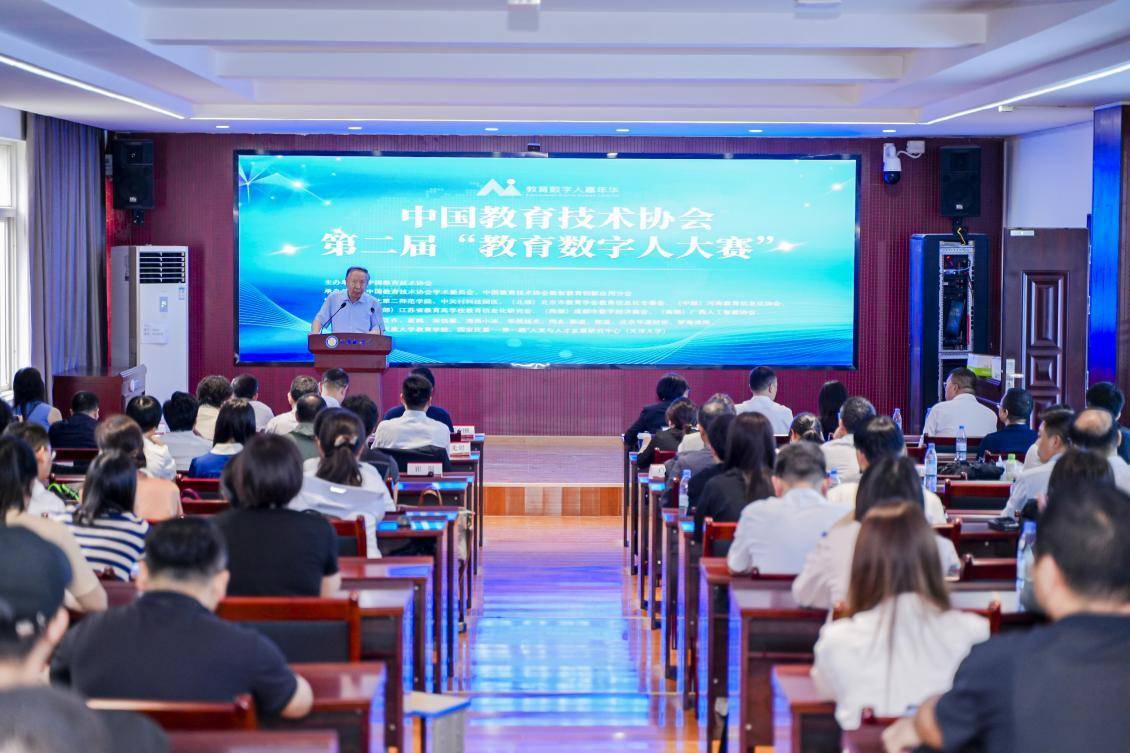
Group 1 - The second "Education Digital Human Competition" was held at Hubei Second Normal University, showcasing various intelligent agents from universities and educational technology companies [1][3] - The competition aimed to promote innovation in education through the theme "Human-Machine Coexistence to Optimize the Digital Education Ecosystem," featuring six categories including "Assistance in Learning," "Teaching," "Management," "Evaluation," "Research," and "Service" [3][5] - The event provided a platform for educators and researchers to explore cutting-edge educational technologies and showcase innovative achievements, highlighting the transformative potential of digital human technology in reshaping educational models [3][7] Group 2 - Participants demonstrated the capabilities of digital humans by taking on roles such as virtual teachers, teaching assistants, research assistants, and management service personnel, emphasizing the application potential of AI in education [5] - The development of educational digital humans is seen as a technological innovation that requires the construction of a more empathetic and intelligent digital education ecosystem, indicating a future direction for educational development [7]
宋清辉:香港在数字人民币及其跨境结算系统推广方面扮演重要角色
Sou Hu Cai Jing· 2025-05-17 22:43
Group 1 - Hong Kong is positioned as a crucial bridge connecting mainland China and global markets, particularly in the promotion of the digital yuan and its cross-border settlement system [1][4] - The suggestion is made for Hong Kong to become a "pilot testing zone" for the cross-border use of the digital yuan, exploring various application scenarios to enhance its global influence and contribute to the internationalization of the yuan [1][4] - Hong Kong is a key participant in the multilateral central bank digital currency bridge project, with ongoing efforts to connect the mainland's rapid payment system with Hong Kong's Faster Payment System [4][5] Group 2 - The digital yuan's cross-border testing in Hong Kong has shown significant efficiency improvements, such as a 98% reduction in transaction fees when payments are made directly to suppliers without intermediary banks [3] - There is a proposal for establishing important financial infrastructure in Hong Kong to facilitate international access while ensuring national financial security [5] - The collaboration between the People's Bank of China and the Hong Kong Monetary Authority in the second phase of testing for digital yuan cross-border retail payments aims to enhance the value of digital yuan wallets through the Faster Payment System [5]
今年一季度,南京数字人民币业务多项指标位居全省前列——
Nan Jing Ri Bao· 2025-05-15 02:24
Core Insights - The article highlights the successful implementation and growing adoption of digital RMB in Nanjing, particularly in public transportation, showcasing its convenience and safety for citizens [1][6][8] Group 1: Digital RMB Adoption in Public Transport - Nanjing has achieved significant breakthroughs in promoting digital RMB usage in public transport, with over 5,000 buses now supporting digital RMB payments [1][4] - A promotional campaign allows passengers to pay only 1 penny for bus rides, with over 2,000 users benefiting from this offer since its launch [3][6] - The digital RMB payment system has been integrated into various public transport modes, including buses, trams, and ferries, with plans for full coverage by the end of the year [4][6] Group 2: Performance Metrics - In the first quarter, Nanjing's digital RMB business metrics ranked among the best in the province, with 31,240 new personal wallets and 3,080 corporate wallets created [7] - The total transaction volume reached 157.77 billion yuan, with 321.07 million transactions specifically for consumption [7] Group 3: Strategic Development and Future Prospects - Nanjing's approach combines government guidance and market leadership, creating a robust framework for digital RMB innovation [8][9] - The city aims to integrate digital RMB with cross-border e-commerce and logistics, leveraging its educational resources and technological capabilities [9] - Future plans include enhancing digital RMB applications in public services, retail, and corporate payments to increase coverage and usability [9]
多地更新数字人民币发展计划 涉及多边央行数字货币桥建设
Zheng Quan Ri Bao· 2025-05-14 16:25
Group 1 - The core viewpoint is that multiple cities in China are actively promoting the pilot programs for digital currency, expanding application scenarios, and optimizing the ecosystem for digital renminbi [1][4] - Financial institutions are encouraged to participate in the construction of the multilateral central bank digital currency bridge, which aims to enhance cross-border payment services [2][3] - The People's Bank of China and other regulatory bodies have issued various plans to support the innovation and application of digital renminbi, indicating a strategic shift towards digital finance [2][4] Group 2 - Recent initiatives from various regions, including Guangdong and Shanghai, emphasize the importance of cross-border payment facilitation and the role of digital renminbi in international financial services [2][3] - The digital renminbi's transaction scale has significantly increased, and its application scenarios are entering a more in-depth phase, reflecting a shift from early development to practical implementation [4] - The ongoing pilot programs are expected to accumulate valuable practical experience for the comprehensive promotion of digital renminbi in the future [4]
山轻院:校企共育数字人才 产教融合赋能高质量发展
Qi Lu Wan Bao Wang· 2025-05-14 02:10
Core Viewpoint - The collaboration between Shandong Light Industry Vocational College and Jiahuan Technology Co., Ltd. in establishing the mixed-ownership "Jiahuan ICT Industry College" exemplifies a successful model for integrating education and industry, focusing on digital talent cultivation to meet the demands of the digital economy [1][2]. Group 1: Governance and Resource Integration - The mixed-ownership model not only merges capital but also integrates governance mechanisms, resource allocation, and benefit sharing, effectively addressing the traditional "cold enterprise, hot school" issue in school-enterprise cooperation [2]. - A joint governance structure has been established, including a board of directors, ensuring clear responsibilities and efficient decision-making, with Jiahuan Technology investing 44 million yuan in training facilities [2][3]. - The collaboration has led to the creation of national-level training bases, facilitating over 50 technical projects annually and resulting in 117 patents [2]. Group 2: Talent Development Pathways - The college has innovated a "job-course linkage, virtual-real integration, dual-teacher co-education" mechanism, embedding enterprise needs throughout the talent cultivation process [4]. - Jointly developed courses, such as "Harmony IoT Technology" and "5G Network Optimization," incorporate real-world case studies, enhancing practical learning and contributing to significant revenue increases for partner companies [4][5]. - The establishment of a digital training lab has enabled students to produce over 200 projects annually, with 30% being commercialized by local enterprises [4]. Group 3: Employment Orientation and Evaluation System - The college has implemented a data-driven evaluation system that aligns student capabilities with job market demands, achieving a 91.2% employment rate for the 2024 graduating class, with 60% entering the Huawei ecosystem and major telecom operators [7]. - A tiered evaluation approach focuses on different competencies at various educational stages, driving student growth and leading to notable achievements in national skill competitions [7]. - The institution's initiatives have resulted in significant cost savings for regional enterprises, with a reported 500 million yuan in efficiency gains and a 40% improvement in logistics for a manufacturing client [8]. Group 4: Future Directions - The college aims to deepen the cultivation of "digital + green" talents and plans to establish a smart energy management training platform by 2025, while also expanding international vocational education cooperation [8]. - Future initiatives include hosting innovation competitions to foster talent in the digital sector, positioning the institution as a leader in vocational education in the digital age [8].
数字人(835670) - 2024年年度报告业绩说明会预告公告
2025-05-12 16:00
证券代码:835670 证券简称:数字人 公告编号:2025-035 山东数字人科技股份有限公司 2024 年年度报告业绩说明会预告公告 三、 参加人员 公司董事长:徐以发先生 公司副董事长、总经理:李庆柱先生 公司董事、副总经理、董事会秘书:李相东先生 本公司及董事会全体成员保证公告内容的真实、准确和完整,没有虚假记载、 误导性陈述或者重大遗漏,并对其内容的真实性、准确性和完整性承担个别及连 带法律责任。 一、 说明会类型 山东数字人科技股份有限公司(以下简称"公司")于 2025 年 4 月 29 日在北 京证券交易所官网(http://www.bse.cn)上披露了《2024 年年度报告》(公告编号: 2025-010)。为方便广大投资者更深入了解公司2024年年度经营业绩的具体情况, 公司拟召开 2024 年年度报告业绩说明会。 二、 说明会召开的时间、地点 (一)会议召开时间:2025 年 5 月 16 日 15:00-17:00。 (二)会议召开地点 本次业绩说明会将采用网络远程的方式,投资者可登录中证路演中心 (https://www.cs.com.cn/roadshow/)参与本次年度业绩说明 ...
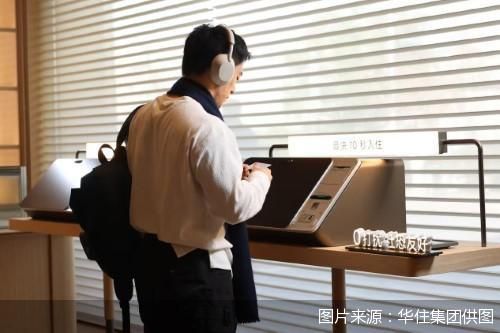
店长都用数字人,昔日“人力密集型”酒店业全面转型“人机协同”
Bei Jing Shang Bao· 2025-05-13 08:59
Core Insights - The Chinese hotel industry is undergoing a significant efficiency revolution driven by AI technology, transforming service models and competitive logic [1] - AI is expected to replace a portion of hotel labor, potentially saving up to 30% in labor costs while shifting roles from repetitive tasks to high-value services [1][4] Group 1: AI Implementation in Hotels - Companies like Huazhu and Shoulv Rujia are increasingly adopting AI technologies, such as smart front desk robots and AI digital managers, to enhance operational efficiency [2][3] - AI applications in hotels are improving various processes, with data showing a 50% increase in efficiency for tasks like order inquiries and room assignments [3] - The "AI digital manager" is already operational in 3,200 stores under Shoulv Hotel Group, achieving a 90% usage rate and conducting 420,000 automatic price adjustments this year [3] Group 2: Cost Reduction and Efficiency - AI is helping hotels reduce labor costs by 30% through self-service solutions and energy management systems [4] - The average room price (ADR), occupancy rate (OCC), and revenue per available room (RevPAR) have shown a downward trend, prompting hotels to focus on cost reduction [5] - AI-driven revenue management systems are dynamically optimizing pricing, which has positively impacted RevPAR for some hotels [5] Group 3: Transition to Human-Machine Collaboration - The hotel industry is shifting from a labor-intensive model to a human-machine collaborative approach, with over 60% of surveyed entities acknowledging this trend [6] - Challenges remain in AI adoption, including insufficient technology maturity and a lack of employee skills in utilizing AI [6] - Future training will focus on enhancing digital capabilities and integrating AI with operational processes to avoid traditional practices [7]


2025深蓝智库|店长都用数字人,昔日“人力密集型”酒店业全面转型“人机协同”
Bei Jing Shang Bao· 2025-05-13 08:53
Core Insights - The Chinese hotel industry is undergoing a significant efficiency revolution driven by AI technology, transforming service models and competitive logic [1][10] - Major hotel companies are increasingly adopting AI to shift from labor-intensive operations to human-machine collaboration, with AI expected to replace a portion of human labor and reduce labor costs by 30% [1][7] AI Implementation in Hotels - AI is penetrating various roles within the hotel industry, with companies like Huazhu implementing smart front desk robots for self-check-in and humanoid robots for luggage handling and room cleaning [3] - AI is also enhancing backend management, as seen with ShouLai RuJia's "AI Digital Manager," which analyzes operational data to assist hotel managers with real-time insights and future traffic warnings [3] - Wanda Hotels is utilizing AI for guest experience management and has created over 200,000 service tags to improve personalized service for over 120,000 members [3] Cost Reduction and Efficiency - AI applications are helping hotels reduce labor costs by 30% through self-service solutions, while energy management systems also contribute to a 30% reduction in energy consumption [7] - The "AI Digital Manager" is expected to handle 60% of repetitive tasks, allowing human managers to focus on more strategic aspects of hotel management [4][7] - Training periods for new employees have been significantly shortened, with some companies reporting a reduction from 7 days to 2 days for onboarding [7] Market Challenges and Trends - The hotel industry is facing pressure on key performance indicators such as average daily rate (ADR) and occupancy rate (OCC), leading to a focus on cost reduction as a priority [8] - Major hotel groups have reported declines in ADR and OCC, with Jinjiang Hotels showing a drop in ADR from 529.74 yuan in 2023 to 490.51 yuan in 2024 [8] - AI revenue management systems are dynamically optimizing pricing, which has positively impacted revenue per available room (RevPAR) [8] Future Outlook - The hotel industry is moving towards a human-machine collaborative model, with over 60% of surveyed entities acknowledging this shift [10] - There are challenges in AI adoption, including the maturity of technology and the need for employee training in AI skills [10] - Future training will focus on enhancing digital capabilities and integrating AI with management processes to avoid traditional operational habits [11]