
GRAND PHARMA(00512)

Search documents
创新药目录谈判进行中 多家企业关心如何落地
经济观察报· 2025-11-02 14:57
Core Viewpoint - The article discusses the ongoing price negotiation process for innovative drugs under the 2025 National Medical Insurance (NMI) negotiations, highlighting the participation of various pharmaceutical companies and the significance of the commercial insurance innovative drug directory [2][12]. Group 1: Price Negotiation Process - On November 2, 2025, a total of 10 companies participated in the price negotiation for 11 drug products, including 2 products from BeiGene [2][4]. - The negotiation process is divided into two groups, with each group negotiating separately with representatives from the National Medical Insurance Administration and commercial insurance companies [4][6]. - The first company completed its negotiation in 45 minutes, indicating a generally positive atmosphere among participants [6][7]. Group 2: CAR-T Drugs - CAR-T drugs, known for their high prices, are receiving attention in the commercial insurance innovative drug directory, with one product priced at 999,000 yuan per dose, making it the lowest-priced CAR-T drug in China [7][11]. - Multiple CAR-T drugs received unanimous approval during the expert review phase prior to the negotiations, indicating strong interest from the commercial insurance sector [11]. Group 3: Expectations and Concerns - Companies are primarily focused on the potential patient access to drugs rather than just price reductions, expressing uncertainty about how the innovative drug directory will facilitate market access [12][13]. - A representative mentioned that the National Medical Insurance Administration suggested a price reduction expectation of 15% during pre-negotiation discussions [12]. - There is a notable interest in the innovative drug directory as it allows companies to recover substantial R&D costs without necessitating significant price cuts [13].




创新药目录谈判进行中 多家企业关心如何落地
Jing Ji Guan Cha Bao· 2025-11-02 14:53
Core Insights - The 2025 National Medical Insurance Negotiation has entered its fourth day, focusing on the price negotiation for innovative drugs, with 121 drugs passing the initial review and 24 entering the price negotiation phase [1][2] Group 1: Price Negotiation Process - A total of 10 companies participated in the price negotiation for 11 drugs, including major players like BeiGene and Huyuan Bio [1] - The negotiation process is divided into two groups, with each group negotiating separately with representatives from the National Medical Insurance Administration and insurance companies [3] Group 2: CAR-T Drug Negotiations - CAR-T drugs, known for their high prices, are receiving attention in the innovative drug directory negotiations, with several companies reporting positive experiences during negotiations [4][5] - The price of Huyuan Bio's CAR-T drug, previously set at 999,000 yuan per dose, is expected to be a focal point in the negotiations [5][6] Group 3: Expectations and Concerns - Companies are primarily concerned about the potential patient access to drugs through the innovative drug directory, rather than just price reductions [8][9] - There is uncertainty regarding the implementation and market access of the innovative drug directory, as companies are still exploring the commercial insurance payment mechanisms [8][9]

远大医药入局干眼症药物市场,国内多家企业布局
Bei Ke Cai Jing· 2025-11-01 03:53
Core Viewpoint - The launch of the OC-01 nasal spray by Yuan Da Pharmaceutical marks a significant advancement in the treatment of dry eye syndrome, transitioning from passive hydration to active tear production, which is expected to disrupt the current market dominated by eye drops [1][2][5]. Group 1: Product Overview - The OC-01 nasal spray is the only approved product in China designed to increase tear secretion for dry eye patients, utilizing a method that activates the trigeminal nerve pathway to stimulate the lacrimal glands [2][3]. - This product aims to promote the production of natural tears, which contain various nutrients and protective factors, rather than merely replacing moisture [2][5]. Group 2: Market Potential - The dry eye syndrome market in China is projected to reach 18 billion yuan by 2030, driven by the increasing prevalence of the condition due to the widespread use of electronic devices [1][4]. - The overall ophthalmic drug market in China is expected to grow to 44 billion yuan by 2025 and reach 108.4 billion yuan by 2030, with the dry eye drug segment anticipated to grow at a compound annual growth rate (CAGR) of 16.17% from 2020 to 2024 [4]. Group 3: Competitive Landscape - Other companies, including Xingqi Eye Medicine and Heng Rui Pharmaceutical, are also entering the dry eye market, with various products in development, particularly in the cyclosporine eye drop segment [6][7]. - The competition is intensifying with the approval of several new products, including sodium hyaluronate eye drops by Kanghong Pharmaceutical and Huaxi Biological, indicating a rapidly evolving market [7].
远大医药引领干眼治疗新时代 全球首创干眼鼻喷用药OC-01成功举办全国上市会
Zhi Tong Cai Jing· 2025-10-27 09:16
Core Viewpoint - The launch of OC-01, a novel nasal spray for treating dry eye syndrome, marks a significant advancement in the treatment landscape for dry eye patients in China, transitioning from external substitutes to internal stimulation of tear production [1][6]. Group 1: Product Launch and Market Impact - OC-01 was officially launched in mainland China during the 11th Global Dry Eye Academic Conference, indicating a new era in dry eye treatment [1]. - The product is expected to capture a significant share of the dry eye medication market, which is projected to reach 180 billion yuan, providing effective and convenient treatment for millions of dry eye patients [7]. Group 2: Clinical and Market Validation - OC-01 has shown promising results in the U.S. market, with over 97,000 prescriptions written within a year of its approval and approximately $42 million in sales revenue in 2023 [6]. - The product's innovative mechanism, which stimulates natural tear production through nasal administration, addresses the limitations of traditional eye drops, enhancing patient compliance and treatment efficacy [6][5]. Group 3: Industry Context and Future Prospects - The dry eye syndrome is a prevalent condition, affecting 21.0%-52.4% of the population in China, with a notable increase in younger patients, particularly those aged 18-35, whose incidence has risen by 400% over the past decade [5]. - The broader ophthalmic market in China is expected to grow significantly, with projections estimating the eye care drug market to reach 440 billion yuan by 2025 and 1,084 billion yuan by 2030 [9]. Group 4: Company Pipeline and Innovation Strategy - The company has developed a comprehensive pipeline of innovative ophthalmic products, including treatments for dry eye syndrome, meibomian gland dysfunction, and other eye conditions, enhancing its market position [9][12]. - Recent approvals and clinical advancements in the company's pipeline indicate a strong commitment to innovation and market expansion, with multiple products expected to be launched in the coming years [13].
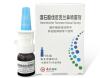
远大医药干眼新药上市 有望推动干眼治疗从“补水”到“生水”范式转变
Zheng Quan Ri Bao· 2025-10-27 07:38
Core Insights - The increasing prevalence of dry eye patients in China highlights a gap in public understanding, which remains focused on temporary relief through eye drops rather than addressing underlying issues [2] - The launch of the innovative drug, the tobramycin nasal spray, represents a shift towards a "repair-type" strategy for treating dry eye, aiming to restore tear gland function and enhance natural tear production [2][4] - The conference held on October 25 showcased the new nasal spray and brought together leading experts to discuss advancements in dry eye treatment and the establishment of a healthy ocular ecosystem [4] Group 1: Medical Insights - Experts from Xiamen University and Huazhong University of Science and Technology discussed typical symptoms and high-risk groups for dry eye, emphasizing the need for new treatment methods that actively stimulate tear production [1] - Clinical evidence presented by Zhejiang University highlighted the long-term benefits of the nasal spray in promoting secretion and providing rapid anti-inflammatory effects [1] - The transition from "supplementing water" to "producing water" in dry eye treatment was analyzed, focusing on the innovative mechanism of the nasal spray that activates tear secretion through neural stimulation [1] Group 2: Industry Developments - The traditional approach of using artificial tears is criticized for its limitations, including dependency and potential suppression of natural tear production, which can worsen the condition over time [2] - The launch of the nasal spray aligns with the strategic vision of the company to enhance its portfolio in ophthalmology, with plans for multiple new drug approvals in the next three years targeting various eye conditions [2]
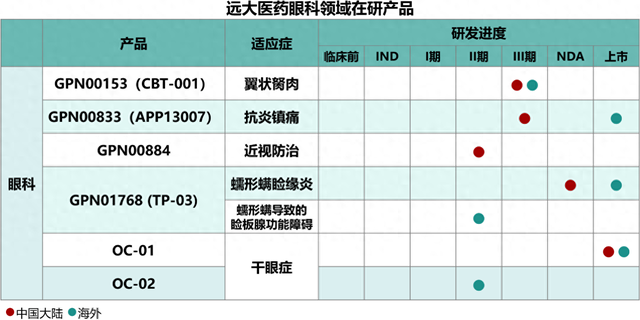
锚定百亿近视防控赛道!远大医药创新眼药GPN00884中国IIa期临床完成首例患者入组
Huan Qiu Wang· 2025-10-26 13:00
Core Insights - The company has made significant progress in the field of pediatric myopia prevention with its innovative ophthalmic drug GPN00884 entering the important IIa clinical trial phase in China [1][2][3] Group 1: Clinical Development - GPN00884 has completed patient enrollment for its IIa clinical trial, which aims to evaluate the drug's efficacy and safety in delaying myopia progression in children aged 6 to 12 [3] - The IIa trial is a randomized, double-blind, placebo-controlled study involving over 80 participants, marking a major milestone for the company in the ophthalmology sector [3] - Previous phases of clinical trials have shown that GPN00884 has good safety and tolerability profiles, with linear pharmacokinetic characteristics [3] Group 2: Market Opportunity - Myopia is a significant public health issue globally, with 2.6 billion people affected as of 2020, including 312 million under the age of 19, particularly prevalent in high-income Asia-Pacific countries [2] - China has the highest number of myopia cases globally, with a reported prevalence rate of 51.9% among children and adolescents in 2022 [2] - There are currently very few sustainable and effective treatments available for myopia, and GPN00884's lack of adverse effects such as photophobia could enhance patient compliance [2] Group 3: Competitive Advantage - The company is focusing on ophthalmic drug innovation as a key strategic direction, aiming to enhance its market position and competitiveness [4] - GPN00884 is part of a broader portfolio of innovative ophthalmic products, which includes treatments for dry eye syndrome, meibomian gland dysfunction, and other eye conditions [4] - The company has a comprehensive product pipeline and anticipates multiple product approvals in the next three years, which could significantly contribute to its growth [5][6] Group 4: Recent Developments - The company has recently achieved major clinical advancements with three products, including a preservative-free nasal spray for dry eye treatment and a drug for treating demodex blepharitis, indicating a robust pipeline [6][7] - The company’s hormone nano-suspension eye drops for anti-inflammatory pain relief have received FDA approval and are expected to revitalize the domestic market for steroid eye preparations [7] - The ongoing "Go Global" strategy is expected to facilitate international market expansion for its innovative products, driving sustained growth and enhancing corporate value [7]
远大医药近视新药GPN00884启动中国Ⅱa期临床
Zheng Quan Ri Bao Wang· 2025-10-26 12:44
Core Insights - The company, Yuan Da Pharmaceutical Group, has made significant progress in the field of myopia prevention for children with its innovative ophthalmic drug GPN00884, which has entered the important phase of exploring dosage and assessing preliminary efficacy after completing patient enrollment in a Phase IIa clinical study in China [1][2] Group 1: Clinical Development - GPN00884 has completed patient enrollment for its Phase I clinical study in China by August 2024 and is expected to complete the study by March 2025 [2] - The ongoing Phase IIa clinical trial is a randomized, double-blind, placebo-controlled study aiming to enroll over 80 myopic participants aged 6 to 12 years to evaluate the drug's effectiveness and safety [2] Group 2: Market Potential - The global market for myopia treatment drugs is projected to reach nearly $5 billion by 2033, with the Chinese market accounting for approximately $1.7 billion [1] - There is a significant unmet clinical need for effective myopia treatments, as current options like low-concentration atropine eye drops have high incidences of side effects, affecting patient compliance [1] Group 3: Strategic Focus - Yuan Da Pharmaceutical is focusing on ophthalmology as a key strategic development area, continuously innovating in ophthalmic drugs to enhance its industry position and market competitiveness [2] - The company has established a comprehensive product system for innovative drugs, combining partnerships and in-house research to develop treatments for various eye conditions, including dry eye syndrome and myopia [2][3] Group 4: Recent Achievements - The company has recently achieved significant clinical advancements with three products this year, including an innovative nasal spray for dry eye syndrome and treatments for other eye conditions [3] - Multiple innovative products are expected to be approved for market launch in the next three years [3]
远大医药:延缓儿童近视的眼科药物中国IIa期临床首例患者入组
Zheng Quan Shi Bao Wang· 2025-10-26 11:09
Core Viewpoint - The announcement by Yuan Da Pharmaceutical regarding the completion of the first patient enrollment in the IIa clinical trial for the innovative ophthalmic drug GPN00884 indicates a significant step towards evaluating its efficacy and safety in delaying myopia progression in children [1] Group 1: Clinical Trial Details - The IIa clinical trial is a randomized, double-blind, placebo-controlled study [1] - The trial aims to enroll over 80 participants aged 6 to 12 years with myopia [1] - The primary objective is to evaluate the effectiveness of GPN00884 eye drops in delaying the progression of myopia in children and to assess its safety profile [1]
破局全球儿童近视防控 远大医药创新眼药完成中国IIa期临床首例入组 “Go Global”战略驱动眼科管线价值释放
Zhi Tong Cai Jing· 2025-10-26 10:46
Core Viewpoint - Recently, Yuan Da Pharmaceutical (00512) made significant progress in the important field of children's myopia prevention and control, with the initiation of the IIa clinical study for its innovative ophthalmic drug GPN00884 in China, marking a crucial step towards exploring dosage and assessing preliminary efficacy [1][2]. Group 1: Market Context - Myopia is one of the most severe public health issues globally, with 2.6 billion people affected as of 2020, including 312 million under the age of 19 [2]. - China has the highest number of myopia cases worldwide, with a reported prevalence rate of 51.9% among children and adolescents in 2022 [2]. - The global market for myopia treatment products is expected to reach nearly $5 billion by 2033, with the Chinese market projected to be around $1.7 billion [2]. Group 2: Product Development - GPN00884 is designed to delay the progression of myopia without causing adverse effects such as photophobia or accommodation decline, which are common with existing treatments like low-concentration atropine eye drops [3]. - The IIa clinical trial for GPN00884 aims to enroll over 80 myopic participants aged 6 to 12, focusing on evaluating its efficacy and safety [3][4]. - The product has already shown good safety and tolerability in previous phases, with linear pharmacokinetic characteristics [3]. Group 3: Competitive Advantage - With the successful initiation of the IIa clinical study, Yuan Da Pharmaceutical's differentiated competitive advantage in the myopia prevention field is further highlighted, addressing the urgent need for safe and effective solutions for children and adolescents [4]. - The company has established a comprehensive product system in the ophthalmic field, focusing on innovation and professional development, which enhances its market competitiveness [5]. Group 4: Pipeline and Future Prospects - Yuan Da Pharmaceutical has a robust pipeline of innovative ophthalmic products, with three products achieving significant clinical progress this year, including treatments for dry eye and meibomian gland dysfunction [8][9]. - The company anticipates multiple innovative products to be approved for market entry in the next three years, which could significantly contribute to its revenue growth [8].
破局全球儿童近视防控 远大医药(00512)创新眼药完成中国IIa期临床首例入组 “Go Global”战略驱动眼科管线价值释放
智通财经网· 2025-10-26 10:35
Core Viewpoint - The recent progress of Yuan Da Pharmaceutical in the field of myopia prevention and control is significant, with the initiation of the IIa clinical trial for the innovative ophthalmic drug GPN00884, which aims to delay the progression of myopia in children [1][3]. Group 1: Market Context - Myopia is a major public health issue globally, with 2.6 billion people affected as of 2020, including 312 million under the age of 19 [2]. - China has the highest number of myopia cases in the world, with a reported prevalence rate of 51.9% among children and adolescents in 2022 [2]. - The Chinese government has prioritized myopia prevention as a national strategy, implementing various plans and guidelines to combat the issue [2]. Group 2: Product Development - GPN00884 is positioned as a potential breakthrough in myopia treatment, as it does not cause adverse effects such as photophobia or pupil dilation, which are common with existing treatments like low-concentration atropine eye drops [3]. - The IIa clinical trial for GPN00884 will involve over 80 participants aged 6 to 12, focusing on evaluating its efficacy and safety in delaying myopia progression [3]. - Previous phases of clinical trials for GPN00884 have shown good safety and tolerability profiles, indicating its potential for successful market entry [3]. Group 3: Competitive Advantage - The successful initiation of the IIa clinical trial enhances Yuan Da Pharmaceutical's competitive edge in the myopia prevention market, addressing the urgent need for safe and effective treatment options for children [4]. - The company has established a comprehensive product pipeline in the ophthalmic sector, focusing on innovative drug development to strengthen its market position [5]. - Yuan Da Pharmaceutical's strategy includes a combination of in-house development and partnerships to create a diverse range of ophthalmic products, enhancing its competitive differentiation [5]. Group 4: Future Prospects - The company anticipates significant growth in its ophthalmic product pipeline, with multiple innovative products expected to receive regulatory approval in the coming years [8]. - Recent advancements include the launch of OC-01 for dry eye treatment and TP-03 for demodex blepharitis, both of which are expected to contribute to the company's revenue growth [8][9]. - The ongoing development of these products not only showcases Yuan Da Pharmaceutical's competitive capabilities but also aligns with its "Go Global" strategy, potentially expanding its market reach internationally [9].