ZTE(00763)

Search documents
中兴通讯(000063):公司信息更新报告:算力业务跨越式增长,研发投入夯实长期竞争力
KAIYUAN SECURITIES· 2026-03-09 12:41
Investment Rating - The investment rating for ZTE Corporation is "Buy" (maintained) [1] Core Insights - ZTE Corporation reported a significant growth in computing power business, with a year-on-year revenue increase of 10.38% to CNY 133.895 billion in 2025, although net profit decreased by 33.32% to CNY 5.618 billion [4][5] - The company is expected to see a rebound in net profit, with projections of CNY 6.889 billion, CNY 8.252 billion, and CNY 9.590 billion for 2026, 2027, and 2028 respectively, alongside an increase in EPS [4][5] - The company is focusing on enhancing its competitiveness through high R&D investment, which reached CNY 22.76 billion, accounting for approximately 17% of revenue [6] Revenue and Profitability - In 2025, ZTE's revenue from operator networks was CNY 62.86 billion, accounting for 46.9% of total revenue, while the enterprise business saw a doubling in revenue to CNY 37.22 billion [5] - The computing power-related business achieved a remarkable growth of approximately 150%, contributing 24.6% to total revenue, with server and storage revenue increasing over 200% [5] - The gross margin and net margin for 2025 were reported at 30.25% and 4.16%, respectively, reflecting a decrease of 7.66 percentage points and 2.73 percentage points year-on-year [4] Market Position and Strategy - ZTE's domestic and international markets achieved revenues of CNY 89.74 billion and CNY 44.16 billion, respectively, with year-on-year growth of 9.4% and 12.4% [6] - The company maintains a leading position in the global 5G FWA & MBB market, with a strong focus on AI terminal layout in consumer business [5][6] - The company is expected to benefit from the commercial rollout of 5G-A and ongoing construction of computing power infrastructure, supporting long-term growth in its second curve business [4]

未来产业周报第12期:未来产业风险分担机制确立,5G-A与卫星组网加速共筑6G底座-20260309
Shenwan Hongyuan Securities· 2026-03-09 03:49
Policy Dynamics - The 2026 government work report emphasizes the establishment of a risk-sharing mechanism for future industries, particularly focusing on quantum technology, future energy, embodied intelligence, brain-computer interfaces, and 6G [5][6] - The report indicates a shift towards a collaborative model where state-owned enterprises lead and social capital follows, with national funds covering initial R&D losses [5] Quantum Technology - Huawei launched the "Galaxy AI Network Flux Integration Solution" at the 2026 World Mobile Communication Conference, significantly lowering the deployment costs and barriers for quantum encryption technology [7][9] - French quantum computing company Pasqal plans to go public via SPAC on NASDAQ, with a valuation of $2 billion, showcasing the commercial competitiveness of the neutral atom approach [10][11] - A Chinese research team achieved breakthroughs in solid-state quantum light sources, developing a high-efficiency dual-photon emitter, which aids in the domestic production of quantum computers [12] Hydrogen and Nuclear Fusion - The Baowu Clean Energy (Yangjiang) green hydrogen industrial park has officially launched, exploring the direct hydrogen production model from offshore wind power with a total investment of 11 billion yuan [14][15] - The "14th Five-Year Plan" outlines a trillion-level future industry layout, emphasizing nuclear fusion and green hydrogen alongside major energy projects [16] Brain-Computer Interfaces - Science Corporation has accelerated the commercialization of its PRIMA retinal implant system, completing a $230 million Series C funding round to enhance production capacity and develop new technologies [18][19] Embodied Intelligence - Honor has released its first humanoid robot and "robot phone," which features innovative design and capabilities for physical perception and execution [21][22] 6G and Commercial Space - The global communication industry is transitioning from 5G-A to 6G, with companies like Huawei and ZTE promoting the commercial use of the U6GHz frequency band [23][26] - SpaceX plans to launch 1,200 second-generation "Starlink" satellites by the end of 2027, aiming for global seamless coverage, which aligns with the 6G vision of comprehensive connectivity [30][31] Future Industry Catalysts - A table summarizing key catalytic events for six future industries in 2026 is provided, highlighting important milestones and conferences [33]
中兴通讯:Accelerating compute power but decelerating margins-20260309
Zhao Yin Guo Ji· 2026-03-09 01:24
Investment Rating - The report maintains a BUY rating on ZTE with a revised target price of HK$38.6, down from HK$42.0, reflecting a potential upside of 51.8% from the current price of HK$25.42 [1][3]. Core Insights - ZTE reported FY25 results showing a revenue increase of 10.4% YoY to RMB134 billion, which was 7.7% below estimates, while net profit fell 33.3% YoY to RMB5.6 billion, significantly missing estimates by 30% [1][2]. - The gross profit margin (GPM) declined sharply to 30.3%, down 7.7 percentage points from 37.9% in FY24, primarily due to a higher mix of Enterprise & Government (E&G) sales [1][2]. - Revenue from the E&G segment more than doubled to RMB37 billion in FY25, with AI compute revenue growing 150% YoY, although margins in this segment also faced pressure [9][1]. - Carrier revenue declined by 10.6% YoY in FY25, attributed to reduced capital expenditures by domestic telcos following the 5G investment cycle, while overseas carrier revenue showed resilience with double-digit growth [9][1]. - The consumer segment remained stable, with revenue growth of 4.4% YoY to RMB34 billion, supported by handset sales [9][1]. Financial Summary - FY25 revenue is projected at RMB133.9 billion for FY26, with expected growth rates of 11.3% in FY26 and 13.0% in FY27 [2][10]. - The net profit for FY26 is estimated to be RMB6.5 billion, reflecting a recovery of 15.6% YoY after a significant drop in FY25 [2][10]. - The gross margin is expected to decline further to approximately 29% in FY26 as the revenue mix evolves [9][1]. - The report forecasts E&G revenue growth of around 30% in FY26, indicating strong demand in the AI server market [9][1].
港股公告掘金 | 蒙牛乳业预计年度股东应占利润将约为14亿元至 16亿元
Zhi Tong Cai Jing· 2026-03-09 01:20
Major Events - Heng Rui Medicine (01276) has received the clinical trial approval notice for Adalimumab injection [1] - Anjoy Foods (02648) plans to increase capital by 120 million yuan to its subsidiary in Henan [1] - Xuan Zhu Bio-B (02575) has been included in the Hong Kong Stock Connect stock list [1] - Peijie Biopharma-B (02565) reports one-month clinical observation results from the first human trial of its next-generation GLP-1 (CR059) [1] - Changfeng Pharmaceutical (02652) has been included in the Hong Kong Stock Connect eligible securities list [1] - Binhai Investment (02886) has secured financing of up to 45 million USD and 173 million yuan in various currency term loans [1] - He Yu-B (02256) reports results from the global Phase III MANEUVER study of Beijiemai® published in The Lancet [1] Operating Performance - Yuexiu Property (00123) reported a cumulative contract sales amount of approximately 7.106 billion yuan in the first two months [1] - Mengniu Dairy (02319) expects annual profit attributable to shareholders to be approximately 1.4 billion to 1.6 billion yuan [1] - Dongfeng Motor Group (00489) reported cumulative automobile sales of 228,518 units in the first two months, a year-on-year increase of approximately 1.2% [1] - Shangmei Co. (02145) issued a profit warning, expecting a profit of approximately 1.14 billion to 1.16 billion yuan for 2025, a year-on-year increase of approximately 41.9% to 44.4% [1] - Longfor Group (00960) achieved a total contract sales amount of 4.45 billion yuan in the first two months [1] - ZTE Corporation (00763) reported a net profit attributable to shareholders of 5.618 billion yuan for 2025, a year-on-year decrease of 33.32% [1] - Huishang Bank (03698) issued a positive profit forecast, expecting a net profit of approximately 16.93 billion yuan for 2025, a year-on-year increase of approximately 6.3% [1] - Sun Hung Kai Properties (00086) issued a profit warning, expecting a consolidated profit attributable to shareholders of no less than 1.5 billion HKD for 2025 [1]

通信行业周报20260308:GTC2026和OFC2026前瞻-20260309
Guolian Minsheng Securities· 2026-03-08 23:30
Investment Rating - The report maintains a recommendation rating for the communication industry, particularly focusing on advancements in 3.2T, CPO, and OCS technologies [4]. Core Insights - The upcoming GTC 2026 and OFC 2026 events are pivotal for the communication industry, with a focus on NVIDIA's next-generation AI chip roadmap and advancements in optical communication technologies [1][56]. - NVIDIA's investment of $4 billion in Lumentum and Coherent aims to secure capacity in critical optical components, addressing interconnect bottlenecks for large-scale AI clusters [2][46]. - The report highlights significant revenue growth among key players, including Broadcom and Ciena, driven by AI infrastructure demand [2][47][48]. Summary by Sections GTC and OFC 2026 Outlook - GTC 2026 will focus on NVIDIA's AI chip roadmap, including the Rubin Ultra and Feynman chips, and their CPO switch technology [1.1][13]. - OFC 2026 will define the future of the optical communication industry, emphasizing the production and evolution of 1.6T and 3.2T optical modules, CPO, and OCS technologies [1.2][16]. Market Review - The communication sector has seen an increase, with optical communication outperforming other segments [37][41]. Industry News - The MWC 2026 highlighted AI-native networks and 6G prototypes, showcasing over 350 Chinese enterprises [45]. - NVIDIA's strategic investment in optical communication firms marks a significant shift towards CPO technology for AI clusters [46]. Company News - ZTE reported a revenue of 133.9 billion yuan for 2025, a 10.4% increase, with a notable growth in computing business [51]. - Ciena's revenue reached $1.43 billion, a 33% increase, driven by AI demand [48]. - Credo's revenue doubled, reflecting strong growth in the AI infrastructure market [49]. Investment Recommendations - The report suggests focusing on companies involved in the optical communication sector, particularly those advancing in 3.2T, CPO, and OCS technologies, including Zhongji Xuchuang, Xinyi Sheng, and Tianfu Communication [56][57].


计算机事件点评:英伟达 GTC 前瞻:或将推出 LPU 核心 AI 推理系统
Guohai Securities· 2026-03-08 15:10
Investment Rating - The report maintains a "Recommended" rating for the computer industry, indicating a favorable outlook for the sector [1]. Core Insights - The upcoming NVIDIA GTC 2026 conference is expected to unveil a new AI inference chip system, integrating the LPU architecture from NVIDIA's acquisition of Groq, aimed at optimizing inference performance [5]. - The global demand for computing power is shifting from training to inference, with significant implications for the market structure and opportunities for domestic chip manufacturers [8]. - The report emphasizes the acceleration of domestic infrastructure development for AI inference, suggesting a broad growth opportunity for related AI chip, hardware, and service companies [8]. Summary by Sections Recent Performance - The computer industry has shown mixed performance over the past year, with a 1-month decline of 0.6%, a 3-month increase of 4.4%, and a 12-month decline of 1.3% [3]. Upcoming Events - The NVIDIA GTC 2026 conference will take place from March 16 to 19 in San Jose, California, featuring key advancements in AI technologies, including new AI acceleration chips and systems [5]. Technological Developments - The Groq LPU is designed for inference acceleration, utilizing SRAM for model parameter storage, which significantly enhances data processing speed compared to traditional GPU architectures [6][7]. Market Trends - By 2032, the proportion of training costs in large cloud computing companies' data center expenditures is expected to drop from over 40% to around 14%, indicating a clear shift towards inference [8]. - Major companies are securing large-scale orders for inference-optimized chips, highlighting the growing demand for such technologies [8]. Investment Strategy - The report suggests a focus on specific stocks within the AI chip sector, including companies like Haiguang Information, Cambrian, and others, as well as those involved in servers and liquid cooling technologies [8].


002445,重大资产重组!明起复牌
证券时报· 2026-03-08 14:05
Key Points - The article discusses the potential investment opportunities and risks in various sectors, including AI, energy, and finance [1][7][9][10][11][15][16]. Group 1: AI and Cybersecurity - The Ministry of Industry and Information Technology has identified security risks associated with the OpenClaw AI system, particularly in default or improper configurations, which could lead to network attacks and information leaks [7]. - Users are advised to verify public exposure, permissions, and credential management when deploying OpenClaw, and to implement security mechanisms such as identity authentication and data encryption [7]. Group 2: Energy Sector - Kuwait Petroleum Company has implemented "preventive cuts" in oil production and refining due to regional tensions, while stating readiness to resume normal production when conditions allow [8]. - Zhongnan Culture plans to acquire a 57.3% stake in Jiangyin Sulong Thermal Power, which is expected to enhance its business layout in the energy sector and improve brand recognition [9]. - Huapei Power has terminated its plan to acquire 100% of Meichuang Zhiguan due to issues with the target company's pledged shares, leading to a halt in the major asset restructuring [10]. Group 3: Financial Regulations - The China Securities Regulatory Commission has released new regulations on short-term trading, effective from April 7, 2026, which clarify the identification and calculation standards for holding and trading points [5][6]. - The regulations aim to support market development while ensuring compliance and preventing illegal benefits from information advantages [5]. Group 4: Market Trends - Citic Securities highlights the upward price risks in lithium due to supply disruptions, despite an increase in lithium prices since 2026, driven by strong battery demand and declining inventory levels [15]. - The report suggests that the Chinese resource and traditional manufacturing sectors have significant revaluation potential, advocating for exposure to sectors with strong supply constraints [16].





中兴通讯(000063):盈利能力短期承压,算力领域实现跨越式增长
CMS· 2026-03-08 12:37
Investment Rating - The report maintains a "Strong Buy" rating for the company [3] Core Views - The company's revenue for 2025 reached 133.895 billion yuan, a year-on-year increase of 10%, while net profit attributable to shareholders decreased by 33% to 5.618 billion yuan [1][8] - The company's profitability is under short-term pressure, with a significant decline in net profit due to various factors, including a decrease in revenue from operator networks and changes in product mix [7] - The company has achieved a leap in the computing power sector, with revenue growth of approximately 150% year-on-year, contributing to 24.6% of total revenue [7] - The company is actively responding to the slowdown in domestic 5G investment and is focusing on global expansion, maintaining a leading competitive position in core products [7] Financial Data and Valuation - Total revenue is projected to grow from 121.299 billion yuan in 2024 to 196.738 billion yuan in 2028, with a compound annual growth rate (CAGR) of approximately 14% [8][14] - The company's net profit is expected to recover from 5.618 billion yuan in 2025 to 8.696 billion yuan by 2028, reflecting a growth rate of 18% [8][14] - The price-to-earnings (PE) ratio is projected to decrease from 31.8 in 2025 to 20.6 in 2028, indicating a potential improvement in valuation [15]
大厂总部扎堆落子深圳
21世纪经济报道· 2026-03-08 10:09
Core Viewpoint - Shenzhen is experiencing a surge in headquarters projects, with a total of 832 major projects planned for 2026, amounting to an investment of 3.2 trillion yuan, highlighting the city's focus on developing a robust headquarters economy [1][15]. Group 1: Local Enterprises Expanding Headquarters - Major local companies are significantly increasing their investments in headquarters projects, including Tencent's "Internet+" Future Technology City and DJI's Global Headquarters for Intelligent Aviation Systems [1][5]. - The "Internet+" Future Technology City by Tencent is set to cover an area of 809,000 square meters, with a total built area exceeding 3 million square meters, expected to accommodate over 80,000 employees [4]. - DJI's new headquarters project, located in the Shenzhen Bay Super Headquarters Base, aims to create a hub for intelligent aviation systems, enhancing the company's R&D and operational capabilities [6][8]. Group 2: External Enterprises Establishing Presence - External companies are increasingly establishing headquarters in Shenzhen, with notable projects including Douyin's (TikTok) Pan-Video Technology R&D Headquarters and JD Group's comprehensive headquarters project [10][13]. - Douyin's project will support the development of core products and services, including AI and SaaS platforms, contributing to the digital economy in Shenzhen [10]. - JD Group's headquarters project is expected to attract around 200 upstream and downstream enterprises, creating nearly 10,000 high-end jobs and fostering an e-commerce ecosystem [13][15]. Group 3: Strategic Importance of Shenzhen - Shenzhen's complete hard technology ecosystem and efficient resource allocation make it an attractive location for companies to establish headquarters, facilitating rapid and effective resource mobilization [2][8]. - The city's strategic position and favorable business environment are recognized by both local and external enterprises, driving significant investments in headquarters projects [15].




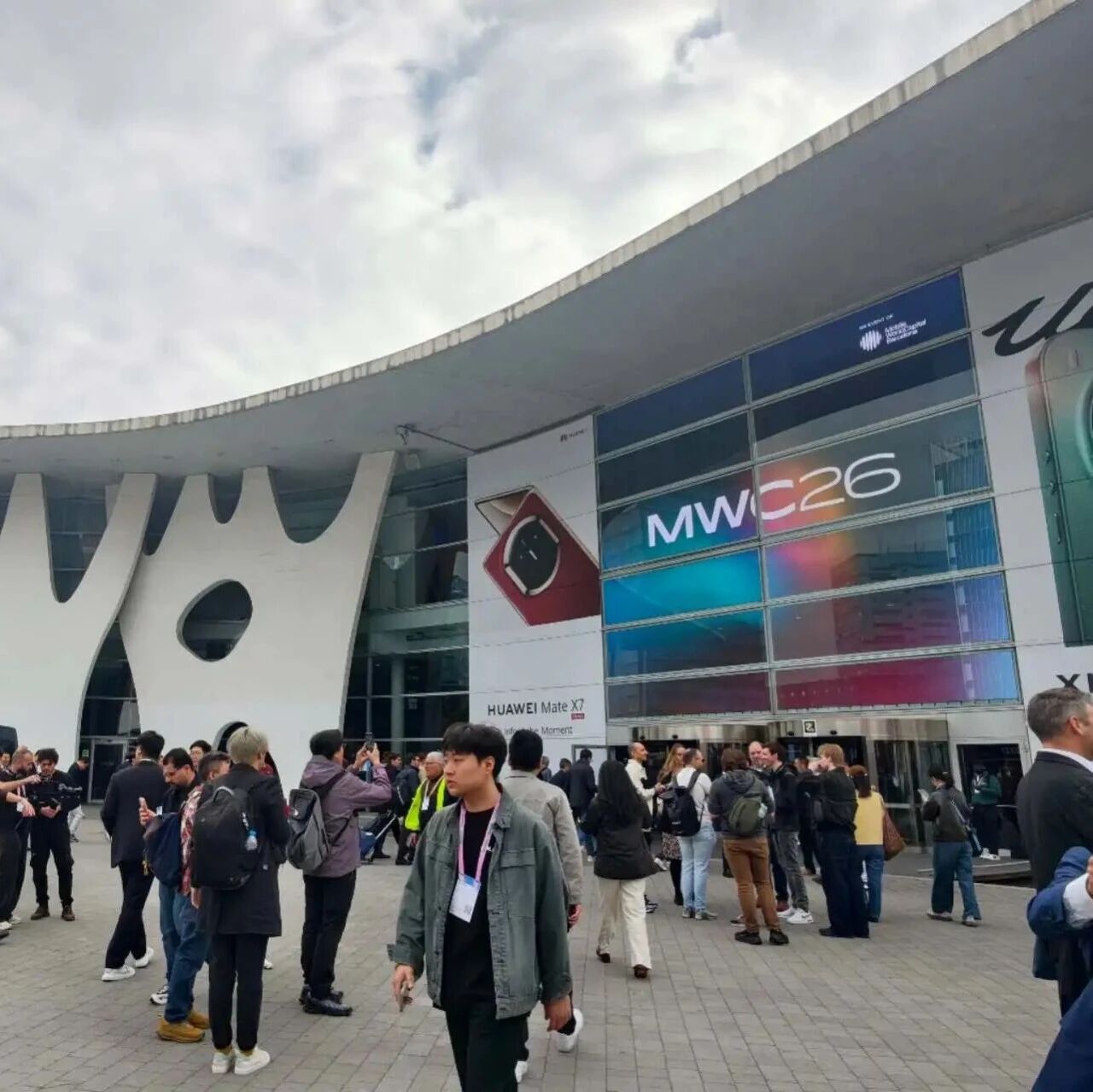
MWC落幕:无网化与网络智能,6G开启“下一代网络”起点
第一财经· 2026-03-07 12:02
Core Viewpoint - The article discusses the significance of 6G and AI in shaping the future of digital economy and smart society, highlighting China's proactive approach in 6G development and the global telecommunications industry's focus on AI and 6G during the Mobile World Congress 2026 [3][4]. Group 1: 6G Development - China has initiated its 6G layout, with the technology first mentioned in the government work report in 2025 and the second phase of 6G technology testing starting in January 2026 [3]. - The global telecommunications industry showcased future network forms at the Mobile World Congress 2026, emphasizing AI and 6G as central themes [4][5]. - The expected timeline for 6G standardization is around 2030, with initial devices anticipated to be available by 2029 [18][19]. Group 2: AI and Computing Power - AI and computing power have become the main focus of the Mobile World Congress 2026, with AI capabilities being integrated into various devices and networks [6][7]. - Companies like Huawei and NVIDIA are positioning themselves in the AI computing infrastructure space, with Huawei showcasing its supernode computing cluster and NVIDIA collaborating with telecom giants to build AI-native 6G networks [8][9]. - The demand for computing power is rising, leading to a shift from single-machine performance to system-level architecture capabilities in AI data centers [8]. Group 3: Network Structure Evolution - The traditional network structure is evolving as devices gain computing capabilities, allowing for direct communication and collaborative computing among devices, potentially reducing reliance on centralized networks [10][16]. - The concept of "device-to-device" communication and satellite communication is being explored to enhance network coverage and capabilities, especially in areas with weak or no network [16][17]. - The rise of lightweight applications, such as offline games, demonstrates a shift towards less network-dependent experiences, enhancing user engagement [14][15]. Group 4: Industry Competition - The competition in the telecommunications industry is intensifying as the focus shifts from speed to the integration of network, computing, and cloud services, with 6G expected to be the starting point for this next-generation network [20]. - The rapid growth of AI devices and applications is challenging the existing communication structure, necessitating new solutions to meet increasing demands for low latency and reliability [19].