LENOVO GROUP(00992)

Search documents
联想控股:由附属公司收购1.15亿股联想集团股份
Xin Lang Cai Jing· 2025-12-09 23:57
Core Viewpoint - Lenovo Holdings announced a series of acquisitions to purchase a total of 115,174,000 shares of Lenovo Group, representing approximately 0.9285% of the issued share capital as of the announcement date [1] Group 1: Acquisition Details - The acquisition period is set from November 21, 2025, to December 9, 2025, inclusive of both start and end dates [1] - The total cash consideration for the acquisition is approximately HKD 1,124,707,943, equivalent to about CNY 1,023,270,534 [1] - The average price per share for the acquisition is approximately HKD 9.7653, which is about CNY 8.8846, excluding related transaction costs [1]

联想控股(03396.HK)斥资逾11亿港元增持联想集团,持续看好未来发展潜力
Ge Long Hui· 2025-12-09 23:50
联想集团是公司的重要附属公司之一,其作为全球领先的科技企业,连续多年稳居全球PC市场榜首, 在AI普惠浪潮下不断推进混合式人工智能战略,使AI逐步成为其核心增长引擎,2025/26财年联想集团 多季度营收与净利润实现历史新高,展现出强劲的经营韧性与增长势能,公司持续看好联想集团未来发 展潜力。与此同时,联想集团在AI及科技创新领域积淀深厚,与公司"坚持科技创新引领,重点聚焦实 体经济"的战略方向高度契合,符合公司投资战略布局。因此收购事项将有利于公司长远发展并最终使 股东受益。 格隆汇12月10日丨联想控股(03396.HK)宣布,2025年11月21日至12月9日(包括首尾两日)期间,公司透过 连串收购事项在公开市场由Honorific(公司的全资附属公司)收购合共约1.15亿股联想集团(00992.HK)股 份(约占联想集团于本公告日期已发行股本的0.9285%),总现金代价(不包括相关交易费用)约为11.25亿 港元(相当于约人民币10.23亿元)。收购事项下每股联想集团股份的平均价格(不包括相关交易费用)约为 9.7653港元(相当于约人民币8.8846元)。收购事项所支付的代价由集团现有财务资源拨付 ...
联想控股近期在公开市场由Honorific收购合共1.15亿股联想集团股份
Zhi Tong Cai Jing· 2025-12-09 23:50
Group 1 - Lenovo Holdings announced the acquisition of 115 million shares of Lenovo Group, representing approximately 0.9285% of the total issued share capital, for a total cash consideration of about HKD 1.125 billion [1] - The average price per share for the acquisition was approximately HKD 9.7653, excluding related transaction costs [1] Group 2 - Lenovo Group is a significant subsidiary of Lenovo Holdings and has maintained its position as a global leader in the PC market for several consecutive years [2] - The company is advancing its hybrid AI strategy, which is becoming a core growth engine, with record revenue and net profit achieved in multiple quarters for the fiscal year 2025/26 [2] - The acquisition aligns with Lenovo Holdings' investment strategy, focusing on technological innovation and the real economy, which is expected to benefit shareholders in the long term [2]
联想控股(03396)近期在公开市场由Honorific收购合共1.15亿股联想集团股份
智通财经网· 2025-12-09 23:45
Core Viewpoint - Lenovo Holdings announced a series of acquisitions to buy back 115 million shares of Lenovo Group, representing approximately 0.9285% of its issued share capital, for a total cash consideration of about HKD 1.125 billion, with an average price per share of approximately HKD 9.7653 [1][2]. Group 1: Acquisition Details - The acquisition period is set from November 21, 2025, to December 9, 2025, inclusive of both start and end dates [1]. - The total cash consideration for the acquisition is approximately HKD 1.125 billion, excluding related transaction costs [1]. - The average price per share for the acquisition is approximately HKD 9.7653, excluding related transaction costs [1]. Group 2: Company Performance and Strategy - Lenovo Group is a significant subsidiary of Lenovo Holdings and has maintained its position as a global leader in the PC market for several consecutive years [2]. - The company has achieved historical highs in revenue and net profit for multiple quarters in the fiscal year 2025/26, demonstrating strong operational resilience and growth potential [2]. - Lenovo Group's focus on AI and technological innovation aligns with Lenovo Holdings' strategic direction of leading through technological innovation and focusing on the real economy, making the acquisition beneficial for long-term development and shareholder value [2].
联想集团(0992.HK):AI驱动业绩较快增长 PC龙头地位稳固
Ge Long Hui· 2025-12-09 21:20
Core Viewpoint - Lenovo Group reported a strong growth in the first half of the 2025/26 fiscal year, with revenue and net profit (under non-Hong Kong financial reporting standards) increasing by 18% and 24% respectively. All three major business groups achieved double-digit year-on-year growth, demonstrating the effectiveness of the hybrid AI strategy [1][5]. Group Summaries IDG Group - The Intelligent Devices Group (IDG) saw a revenue increase of 15% year-on-year, with the global market share of personal computers reaching a historic high of 25.6%, up by 1.8 percentage points. The AI PC penetration rate rose to 33% of total PC shipments, maintaining a leading position in the global Windows AI PC market with a share of 31.1% [2][5]. ISG Group - The Infrastructure Solutions Group (ISG) experienced a significant revenue growth of 30% year-on-year, driven by strong demand for AI servers. The proprietary Neptune liquid cooling technology saw revenue more than double year-on-year, supported by over a hundred patents developed over the past decade, creating competitive advantages in the liquid cooling sector. However, the group reported an operating loss of $118 million, which widened due to increased strategic investments in product development and business expansion [3][5]. SSG Group - The Solutions and Services Group (SSG) achieved a revenue growth of 19% year-on-year, reaching a historic high with an operating profit margin of 22%. Support services, operational services, and project solutions all showed steady growth, with operational and project solutions services accounting for 58.9% of total revenue. The order volume for TruScale doubled year-on-year, reflecting the successful promotion of Device as a Service (DaaS) and Infrastructure as a Service (IaaS) [4][5]. Investment Forecast - The company maintains its profit forecast, expecting revenues for the fiscal years 2026-2028 to be $76.911 billion, $84.379 billion, and $92.349 billion respectively, with net profits of $1.694 billion, $1.913 billion, and $2.196 billion, corresponding to current P/E ratios of 9, 8, and 7 times. The "Buy" rating is upheld [1][5].
手机电脑被迫涨价,小米多次预警、联想囤货,业内:未来1年内难降价
2 1 Shi Ji Jing Ji Bao Dao· 2025-12-09 16:40
Core Insights - The electronic consumer industry is facing a significant price increase driven by a "storage super cycle" triggered by the AI boom, leading to rising costs for PC and smartphone manufacturers [2][5][12] - The price adjustments are not straightforward; manufacturers are employing various strategies to manage consumer perception of price increases [4][5] Group 1: Price Increases and Market Dynamics - The PC industry is experiencing the most immediate impact, with expected price increases of 10% to 20% for laptops and commercial PCs due to soaring DRAM and SSD costs [5] - In the smartphone market, manufacturers are adopting "stealth price hikes" by reducing initial discounts or promotional offers rather than raising official prices [5][10] - The surge in storage prices is attributed to the high demand from AI data centers, which has led to a significant shortage in DRAM supply [7][12] Group 2: Supply Chain and Inventory Strategies - Companies like Xiaomi are warning about the unprecedented BOM cost increases, indicating a high reliance on storage components [9] - Lenovo, on the other hand, has built up inventory levels by 50% above normal to mitigate the impact of rising costs, leveraging long-term supply agreements to maintain price stability [9][12] - Smaller brands with limited inventory and weaker bargaining power are at risk of being forced to raise prices or delay new product launches [10] Group 3: Long-term Industry Trends - The current price surge is fundamentally different from previous cycles, as it is driven by structural shortages due to AI demand rather than traditional consumer electronics sales [7][12] - The shift in production capacity towards high-margin AI-related products is expected to continue, with major manufacturers prioritizing advanced memory types over consumer-grade products [7][12] - Lenovo's acquisition of Infinidat is a strategic move to enhance its control over high-end storage solutions, reflecting a broader trend of viewing storage as a strategic asset rather than just a cost component [12][13]


手机电脑被迫涨价,小米多次预警、联想囤货,业内:未来1年内难降价
21世纪经济报道· 2025-12-09 16:32
Core Viewpoint - The article highlights a significant price increase in the electronic consumer industry driven by a "storage super cycle" caused by the AI boom, leading to a severe cost challenge for downstream PC and smartphone manufacturers [1][5]. Price Increase Dynamics - The price changes for electronic products are often subtle, reflected in adjustments to discounts, specifications, and release schedules rather than direct price hikes [3]. - The PC industry is the first to feel the impact, with expected price increases of 10%-20% for laptops and commercial PCs due to rising costs of DRAM and SSDs [3]. - In the smartphone market, manufacturers are adopting "stealth price increases" by reducing initial discounts or gifts while keeping official prices stable to mitigate BOM cost increases [3]. Supply Chain and Production Capacity - The core reason for the price surge is the demand from AI data centers and servers, leading to a significant increase in global DRAM prices and a shortage in supply [5]. - Unlike traditional cycles driven by mobile and PC sales, this price increase is structurally driven by AI-related demand, causing a "capacity squeeze" where manufacturers prioritize high-margin AI products over consumer-grade memory [7]. Manufacturer Strategies - Companies are at a crossroads in how to respond to upstream cost pressures. Xiaomi has warned about the significant BOM cost increases, indicating a struggle to absorb these costs [10]. - Lenovo, on the other hand, has a robust inventory strategy, increasing key component stock levels by 50% and utilizing long-term supply agreements to ensure adequate memory supply [11]. - The ability to manage inventory effectively is seen as a critical factor for manufacturers to navigate price volatility, with larger firms like Lenovo having a competitive advantage [11]. Future Outlook - The current price surge is expected to persist for 6-12 months, with high storage prices likely to continue until 2026 due to structural imbalances caused by AI demand [13]. - As major international players exit mature processes like DDR4, domestic manufacturers are stepping in to fill the gap, indicating a shift in the supply landscape [13]. - Lenovo's acquisition of Infinidat is a strategic move to enhance its control over high-end storage technology, reflecting a broader trend of viewing storage as a strategic asset rather than just a cost component [14].


手机电脑“被迫涨价”,供应链“生死线”浮现
2 1 Shi Ji Jing Ji Bao Dao· 2025-12-09 13:58
Core Insights - The electronic consumer industry is facing a significant price increase driven by a "storage super cycle" initiated by the AI boom, leading to a severe cost challenge for downstream PC and smartphone manufacturers [1] - The price adjustments in the market are not straightforward, with companies employing various strategies to manage the impact of rising storage costs [2][3] Group 1: Price Adjustments - The PC industry is experiencing the first signs of price increases, with estimates suggesting a rise of approximately 10% to 20% for laptops and commercial PCs due to soaring DRAM and SSD costs [2] - In the smartphone market, manufacturers are adopting "stealth price hikes" by reducing initial discounts or promotional offers rather than increasing the official retail prices [3] Group 2: Supply Chain Dynamics - The current price surge is structurally driven by AI demand, which is causing a "capacity squeeze" as manufacturers prioritize high-margin AI-related products over traditional consumer electronics [4] - Major storage manufacturers like Samsung, SK Hynix, and Micron are shifting their production focus towards high-end storage solutions, leading to a significant reduction in the supply of consumer-grade memory [4] Group 3: Manufacturer Strategies - Companies are divided in their strategies to cope with rising costs; for instance, Xiaomi has publicly warned about the pressure on BOM costs, while Lenovo has increased its inventory levels by 50% to mitigate the impact [5][6] - Lenovo's strategy includes long-term supply agreements and proactive inventory management, allowing it to maintain a competitive edge during price fluctuations [6] Group 4: Future Outlook - The structural imbalance caused by AI demand is expected to persist for the next 6 to 12 months, with storage prices likely remaining high until 2026 [7] - The ability to adapt supply chains and diversify sourcing will be crucial for manufacturers to control costs in the evolving market landscape [7] - Lenovo's acquisition of Infinidat is a strategic move to enhance its control over high-end storage solutions, reflecting a shift in the industry where storage is becoming a strategic asset rather than just a cost component [8]
加速“碎片化”AI应用规模化落地,算力竞争迎来新范式
Xin Lang Cai Jing· 2025-12-09 12:05
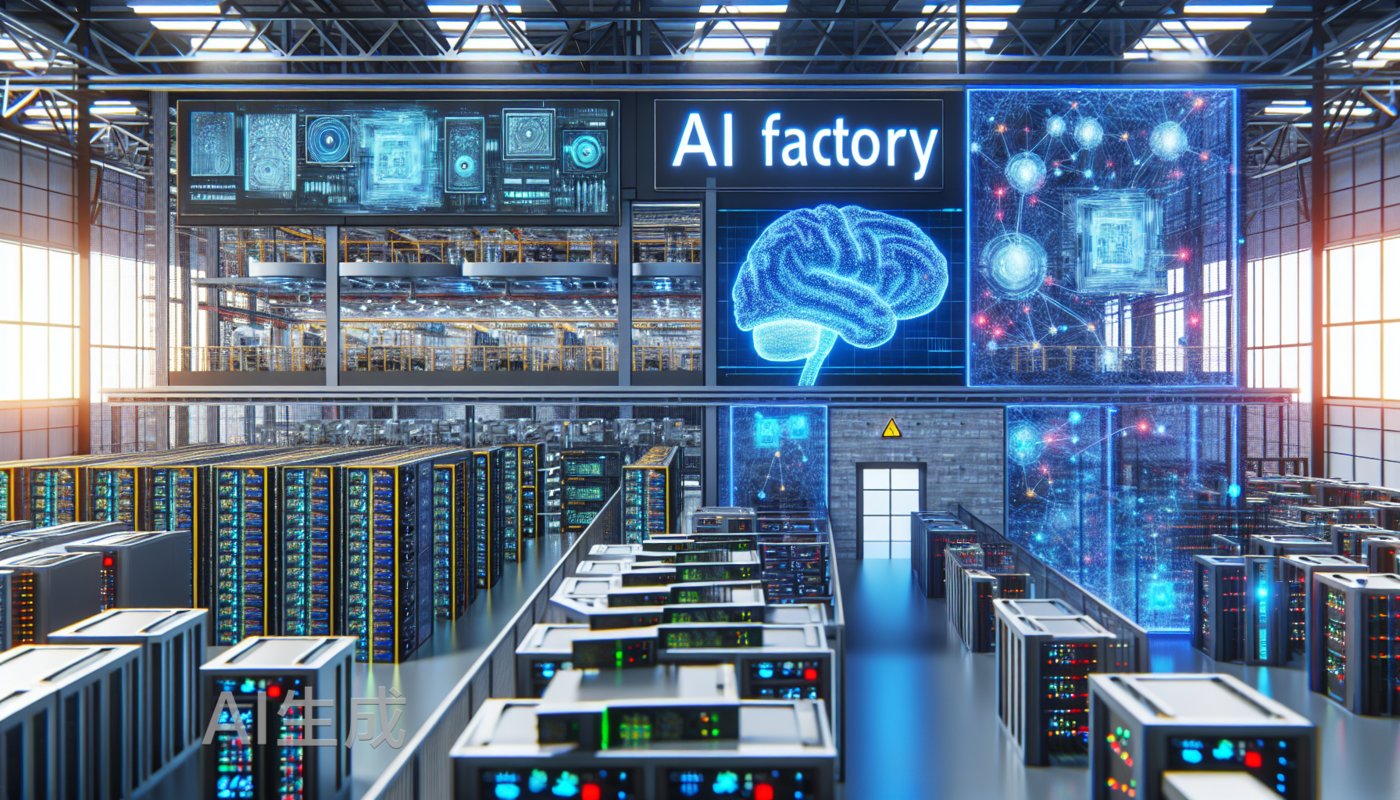
Core Insights - The article discusses the transformative impact of AI on various industries, emphasizing the shift towards a new paradigm characterized by "large models + large computing power + large data" as the foundation for AI 2.0 development [1][9] - It highlights the rapid growth of China's AI server market, which is expected to more than double by mid-2025 compared to the same period in 2024, driven by increasing demand [3][9] - The article outlines the evolution of large models, focusing on their deepening, broadening, and lengthening capabilities, which are essential for advancing AI technology [11][12] Industry Trends - The AI infrastructure development is entering a three-phase cycle: short-term acceleration, medium-term expansion, and long-term structural upgrades, necessitating a shift from merely stacking hardware to providing systematic services [10][12] - The penetration rate of AI in core products has increased from 5% in 2018 to an estimated 60% by next year, indicating a significant market evolution [12] - The global AI competition landscape is changing, with companies needing to balance between international and domestic GPU resources amid geopolitical tensions [5][12] Company Developments - Lenovo has introduced the "AI Factory" solution, aiming to streamline AI application development and deployment processes, transforming complex tasks into a standardized, efficient production line [15][16] - The Lenovo Wanquan Heterogeneous Intelligent Computing Platform 4.0 has been upgraded to support various computing scenarios, achieving a throughput of over 12,000 Tokens/s for local model deployment [16] - Lenovo's approach emphasizes the importance of a robust foundational support system to facilitate the transition from traditional computing centers to AI factories, helping businesses reduce initial barriers and operational costs [16]
港股科技投资迎来新“坐标”港交所科技100指数发布 联想、宁德时代等入选
智通财经网· 2025-12-09 10:25
Core Viewpoint - The Hong Kong Stock Exchange (HKEX) has launched the HKEX Technology 100 Index, marking its first technology-focused stock index for Hong Kong stocks [1][2] Group 1: Index Composition and Criteria - The HKEX Technology 100 Index includes the largest 100 technology companies listed on the Hong Kong Stock Exchange, covering sectors such as artificial intelligence, biotechnology, electric vehicles, information technology, internet, and robotics [1] - Component stocks must meet specific liquidity and R&D growth criteria: an average daily trading volume of at least HKD 20 million over the past six months and either R&D spending exceeding 3% of revenue or revenue growth exceeding 5% over the past two years [1][2] - Notable companies included in the index are Tencent Holdings, Alibaba Group, BYD Company, and Meituan, among others [1] Group 2: Index Calculation and Adjustment - The index uses a free-float market capitalization weighting method, with a maximum weight of 12% for any single component stock [2] - Component stocks will be adjusted biannually in June and December, with data cut-off dates on the last trading day of April and October each year [2] - Stocks with an average daily trading amount below HKD 20 million over the past six months or those ranking in the bottom 10% by trading volume will be excluded [2] Group 3: Market Implications - The index aims to identify technology stocks with market momentum and growth potential, which may enhance the development of related products in the mainland Chinese market [2] - It addresses the strong demand from mainland investors for opportunities in the Hong Kong technology sector, aligning with the investment needs of southbound capital [2]