
STANCHART(02888)

Search documents
渣打集团将年度奖金池提高10%,CEO总薪酬大致不变
Ge Long Hui A P P· 2026-02-24 08:29
格隆汇2月24日|据彭博,渣打集团将2025年的年度奖金池提高10%,达到18.6亿美元。另一方面,根 据该行的年度报告,首席执行官Bill Winters的总薪酬仅增长2%,达到1270万英镑(约合1710万美元)。作 为英国一家大型银行任职时间最长的CEO,Winters的加薪幅度并不大,与美国同行形成了鲜明对比。 ...
渣打集团(02888) - 2025 Q4 - 电话会议演示
2026-02-24 08:00
Q4 & FY 2025 Results Presentation 24 February 2026 2025 key highlights: Accelerating delivery on our strategy 2024-2026 plan achieved a year early Three-year 5-7% income CAGR achieved within two years, with ~20% income growth from 2023 to 2025 Positive income-to-cost jaws1 achieved in both 2024 and 2025 FY'25 underlying RoTE of 14.7%, exceeding the upgraded guidance of ~13% ~$9.1bn shareholder distributions announced since Feb'24; exceeding the target of at least $8bn Upgraded 3-year plan achieved a year ea ...
“数字黄金”叙事逐渐崩塌!比特币跌破6.3万美元关口,“战术去风险”席卷加密市场
智通财经网· 2026-02-24 07:13
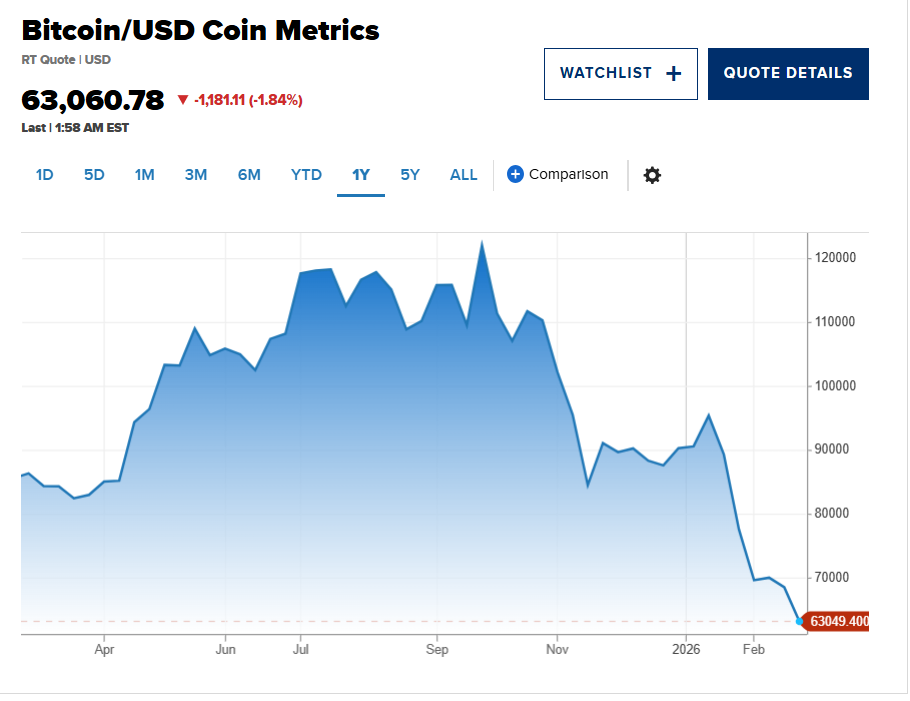
Core Viewpoint - Bitcoin, the largest cryptocurrency by market capitalization, experienced a significant drop of over 5%, falling below $63,000, primarily due to escalating global trade tensions and geopolitical risks stemming from Trump's new tariffs [1][2]. Group 1: Market Dynamics - The decline in Bitcoin's price reflects a broader "risk-off" sentiment in the market, where investors are moving away from risk assets like cryptocurrencies towards traditional safe-haven assets such as gold and silver [1][2]. - Analysts suggest that Bitcoin's recent downturn is indicative of a "macro risk preference reset," rather than being solely driven by negative news within the cryptocurrency sector [3]. - The market's reaction to Trump's trade policies and geopolitical uncertainties has led to a tightening of financial conditions, which negatively impacts cryptocurrencies first [6]. Group 2: Bitcoin's Performance - Since reaching an all-time high of over $125,000 in October, Bitcoin has seen a substantial decline of 27% year-to-date and a 50% drop from its peak [4]. - The current market environment has led to a "narrative compression" for Bitcoin, where its previously strong narratives as a hedge, payment medium, and speculative asset are being undermined [6][7]. - The ongoing sell-off in Bitcoin is characterized by a tactical move to de-risk rather than a structural exit from investor positions [3]. Group 3: Future Outlook - To reverse the current bearish trend in Bitcoin, key variables such as clearer tariff policies, reduced geopolitical risks, and a loosening of dollar liquidity need to change [8]. - Standard Chartered has revised its Bitcoin price forecast for the end of 2026 from $150,000 to $100,000, indicating a cautious stance on Bitcoin's future performance [9]. - The potential for Bitcoin to drop to $50,000 before stabilizing has been highlighted, reflecting the ongoing concerns about market conditions and investor sentiment [9].

港股渣打集团转涨逾3%
Mei Ri Jing Ji Xin Wen· 2026-02-24 06:37
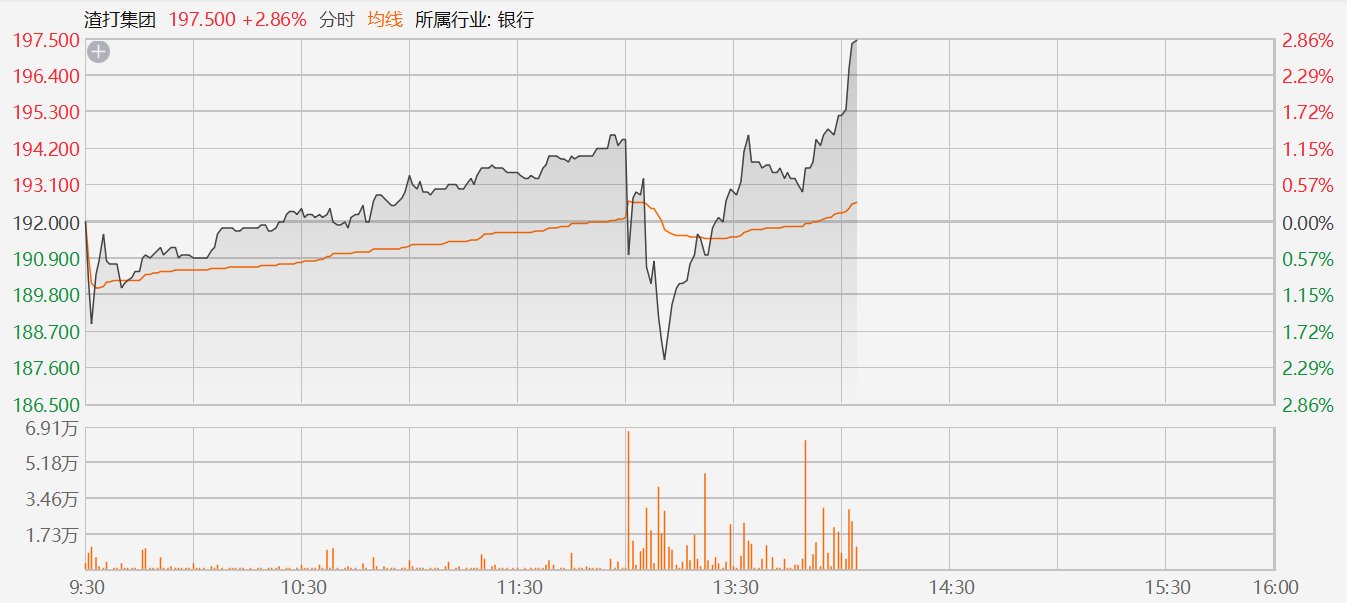
每经AI快讯,2月24日,渣打集团(02888.HK)午后探底回升,现涨超3%,此前曾跌超2%。截至发稿, 渣打集团涨3.65%,报199港元,成交额2.23亿港元。 ...
港股异动 | 渣打集团(02888)转涨逾3% 去年除税前基本溢利增18% 宣布全新15亿美元股份回购
智通财经网· 2026-02-24 06:24
消息面上,渣打集团午间发布2025年全年度业绩,按固定汇率基准,该集团取得经营收入209亿美元, 同比上升6%,倘剔除重大项目则增加8%;除税前基本溢利79亿美元,同比增加18%;除税前列账基准 溢利70亿美元,同比增加18%;每股基本盈利229.7美仙,拟派发末期股息每股49美仙,去年同期为28 美仙。此外,渣打集团宣布全新的15亿美元股份回购。 智通财经APP获悉,渣打集团(02888)午后探底回升,现涨超3%,此前曾跌超2%。截至发稿,涨 3.65%,报199港元,成交额2.23亿港元。 ...
渣打集团转涨逾3% 去年除税前基本溢利增18% 宣布全新15亿美元股份回购
Zhi Tong Cai Jing· 2026-02-24 06:22
渣打集团(02888)午后探底回升,现涨超3%,此前曾跌超2%。截至发稿,涨3.65%,报199港元,成交额 2.23亿港元。 消息面上,渣打集团午间发布2025年全年度业绩,按固定汇率基准,该集团取得经营收入209亿美元, 同比上升6%,倘剔除重大项目则增加8%;除税前基本溢利79亿美元,同比增加18%;除税前列账基准 溢利70亿美元,同比增加18%;每股基本盈利229.7美仙,拟派发末期股息每股49美仙,去年同期为28 美仙。此外,渣打集团宣布全新的15亿美元股份回购。 ...
港股异动丨渣打集团绩后现V型走势,Q4除税前列账基准溢利逊预期
Ge Long Hui· 2026-02-24 06:09
渣打集团(2888.HK)午后一度跳水跌超2%,随即V型反转,目前涨幅进一步扩大至近3%。消息面上,渣打集团午间公布业绩显示,2025年第4季除税前列账 基准溢利8.1亿美元,同比升2%,逊市场预期。集团拟派末期股息每股49美仙,同比增1.3倍,则胜预期,集团同时宣布全新的15亿美元股份回购。2026年指 引改用列帐基准,料经营收入增接近5-7%范围的较低水平,其中预期净利息收入将大致按年持平(按固定汇率基准计算)。 ...
港股渣打集团午后一度跌超2%
Mei Ri Jing Ji Xin Wen· 2026-02-24 05:40
每经AI快讯,2月24日,港股渣打集团午后一度下挫跌超2%,现跌幅收窄至1%以内。 ...
渣打银行提高奖金池10% 但CEO的总薪酬大致不变
Xin Lang Cai Jing· 2026-02-24 05:38
Core Insights - Standard Chartered Bank has increased its annual bonus pool by 10% for 2025, despite the bank's stock price finally returning to levels seen a decade ago, while CEO Bill Winters' total compensation remains relatively unchanged [1][2] Compensation Details - CEO Bill Winters' total compensation has increased by 2%, reaching £12.7 million ($17.1 million), up from £12.5 million the previous year [2] - The total bonus pool for the bank for the year amounts to $1.86 billion [2] Comparison with Peers - Winters' salary increase is modest compared to his American counterparts, with Citigroup's Jane Fraser receiving a 22% raise and Bank of America's Brian Moynihan seeing a 17% increase [2] Stock Performance - The disclosure of compensation comes at a critical time for Winters, as Standard Chartered's stock price has recently surpassed levels from 2015, the year he took over as CEO [2] Strategic Initiatives - Over the past few years, Winters has focused on reforming the bank, which specializes in emerging markets, and in 2024, he launched the "Fit for Growth" restructuring plan aimed at streamlining global operations and cutting costs by $1.3 billion [2] Shareholding Value - Winters holds shares valued at £67.2 million [2]