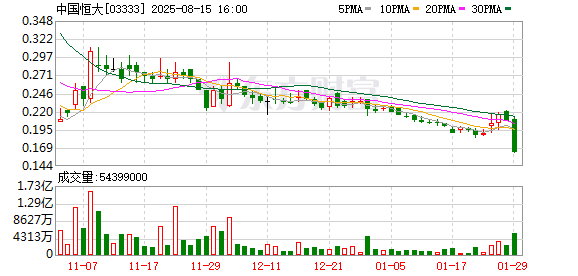
EVERGRANDE(03333)

Search documents
中国恒大(03333)将于8月25日起被取消上市地位
智通财经网· 2025-08-20 09:55
智通财经APP讯,中国恒大(03333)发布公告,联交所宣布,由 2025 年 8 月 25 日上午 9 时起,该公司的 上市地位将根据《上市规则》第 6.01A(1)条予以取消。 ...
中国恒大(03333) - 取消上市地位
2025-08-20 09:49
香港聯合交易所有限公司 (香港交易及結算所有限公司全資附屬公司) 該公司的股份自 2024 年 1 月 29 日起已暫停買賣。根據《上市規則》第 6.01A(1)條,若該 公司未能於 2025 年 7 月 28 日或之前復牌,聯交所可將該公司除牌。 該公司未能於 2025 年 7 月 28 日或之前履行聯交所訂下的復牌指引而復牌。於 2025 年 8 月 8 日,上市委員會決定根據《上市規則》第 6.01A(1)條取消該公司股份在聯交所的上市 地位。 聯交所已要求該公司刊發公告,交代其上市地位被取消一事。 聯交所建議,該公司股東如對除牌的影響有任何疑問,應徵詢適當的專業意見。 THE STOCK EXCHANGE OF HONG KONG LIMITED (A wholly-owned subsidiary of Hong Kong Exchanges and Clearing Limited) 通告 關於 中國恒大集團(清盤中) (於開曼群島註冊成立之有限公司) (股份代號:3333) 取消上市地位 香港聯合交易所有限公司(聯交所)宣布,由 2025 年 8 月 25 日上午 9 時起,中國恒大集 團(清盤 ...
恒大2号人物夏海钧现身美国:恒大暴雷后,他凭什么岁月静好?
Sou Hu Cai Jing· 2025-08-19 19:51
Core Viewpoint - The article highlights the stark contrast between the luxurious life of Xia Haijun, a former executive of Evergrande, who has fled to the U.S. with significant assets, and the struggles of homeowners in China dealing with unfinished properties after the company's collapse. The recent freezing of Xia's assets by a Hong Kong court raises questions about the recovery of funds for affected homeowners and the challenges of international asset recovery [1][10]. Group 1: Xia Haijun's Actions - Xia Haijun's departure from Evergrande is characterized as a textbook example of asset flight, having joined the company in 2007 and later fleeing to the U.S. after the company's financial troubles became apparent [3]. - In 2017, Xia's annual salary reached 270 million, averaging 740,000 per day, and by 2020, his total compensation, including stock options, soared to 2 billion, solidifying his status as a "working emperor" [4]. - Prior to the company's crisis, Xia executed a series of asset liquidation strategies, converting over 2 billion Hong Kong dollars into cash by selling stocks and bonds just before the company's troubles became public [4]. Group 2: Asset Concealment Strategies - Xia Haijun's properties in the U.S. are registered under his wife's name, effectively concealing his ownership and complicating potential asset recovery efforts [6]. - He utilized a revocable trust to hold his latest property, which legally separates the asset from his personal ownership while allowing him to reclaim it if necessary, a strategy commonly used by wealthy individuals to protect assets [8]. - The trust structure creates significant legal barriers for creditors attempting to claim Xia's assets, as proving his control over the trust and the legality of the funds used is challenging [13]. Group 3: Legal and Jurisdictional Challenges - The freezing of Xia's assets by the Hong Kong court is seen as a preliminary step in a lengthy and uncertain debt recovery process, with the actual recovery of funds remaining doubtful [10]. - Xia's Canadian citizenship complicates legal proceedings, as it limits the ability of Chinese authorities to enforce judgments against him, given the lack of extradition treaties between Canada and China, as well as the U.S. [11]. - The complexities of enforcing Hong Kong court judgments in the U.S. add another layer of difficulty, as U.S. courts require thorough examination of whether such judgments align with American law, which can take years and may not succeed [14]. Group 4: Broader Implications - The collapse of Evergrande serves as a significant marker for the challenges facing the Chinese real estate market, while Xia's actions exemplify the broader issue of capital flight and the need for stronger legal frameworks to prevent such occurrences [16].

恒大系崩溃,恒大冰泉没有
3 6 Ke· 2025-08-19 01:23
Group 1 - China Evergrande announced its delisting on August 25, marking the end of its 16-year presence in the capital market [1] - The company has had profound lessons and impacts on the Chinese real estate industry, with its consumer segment, particularly Evergrande Spring, managing to escape the fallout [2] - Evergrande Spring became a notable marketing case in the fast-moving consumer goods sector after its debut during the AFC Champions League final 12 years ago [3] Group 2 - The ambitious sales targets for Evergrande Spring included reaching 10 billion yuan in sales by 2014 and 30 billion yuan by 2016, with a long-term goal of 15 million tons in sales over ten years [4] - Despite the initial hype, Evergrande Spring faced significant challenges, achieving only 1.09 billion yuan in sales in 2014, which was about 10% of its annual target, and incurring a loss of 2.37 billion yuan [11] - The company struggled with a high-end market positioning, as the bottled water sector was dominated by lower-priced products, leading to a price reduction in 2015 [16] Group 3 - Evergrande's consumer business, including Evergrande Spring, was sold off in 2016 for 2.7 billion yuan, with the bottled water business sold for 1.8 billion yuan [16] - After the sale, Evergrande Spring was rebranded under the control of the Cuilin Group, distancing itself from Evergrande [20] - The Cuilin Group, which took over Evergrande Spring, has diversified interests in various sectors, including bottled water and grain [21]

聚龙湾太古里一期计划年底开业;华润全国首座“万象里”亮相济南;蓝瓶咖啡将开北京首店
Sou Hu Cai Jing· 2025-08-18 06:46
Group 1: Commercial Real Estate Trends - The commercial real estate sector is experiencing a divergence, with leading companies like China Resources Land reporting a rental income of 18.56 billion yuan, a 12.2% increase, while weaker firms like China Evergrande face liquidation [2] - The average rental rate for retail properties under CapitaLand China Trust has decreased by 2.7%, yet occupancy remains high at 96.9%, indicating a scarcity of quality properties [2] - The industry is entering a new phase of competition focused on asset quality and operational capabilities, highlighting a "Matthew Effect" where the strong continue to thrive [2] Group 2: Outlet Market Developments - There is a surge in outlet development, with projects like the 3 billion yuan Panda-themed outlet in Chengdu and a 4 billion yuan "Outlet + Amusement Park" complex in Dongguan [3] - Vipshop's outlet same-store sales have seen double-digit growth, and the company is initiating a 3.48 billion yuan REIT fundraising, reflecting strong market confidence in this sector [3] - The trend indicates a rising concentration in the industry, with large-scale, themed, and experiential projects becoming the norm, putting pressure on smaller, homogeneous traditional outlets [3] Group 3: Retail Sector Transformation - Traditional retail is undergoing significant changes, with companies like Bubugao reporting a net profit of over 200 million yuan, largely due to adopting the "Fat Donglai model" which involves closing inefficient stores and revamping potential ones [4] - The first "Fat Donglai self-reform" store by Metro in Beijing has opened, confirming the replicability of this model [4] - In contrast, brands lacking differentiation and user experience, such as GU and Tsutaya Bookstore, are facing closures, indicating a shift towards user experience-centric retail [4] Group 4: Duty-Free Market Growth - The opening of the first city duty-free stores in Shenzhen and Guangzhou marks a significant development in the duty-free economy, following the implementation of new policies [5] - South Korea's announcement of visa-free entry for Chinese group tourists is expected to boost duty-free shopping, with Lotte Duty-Free strengthening partnerships with Chinese travel agencies [5] - City duty-free stores are anticipated to become a new engine for high-end consumption, creating new shopping experiences through a combination of "duty-free + consumption + experience" [5] Group 5: Consumer Spending Trends - In July, the total retail sales of consumer goods grew by 3.7%, with online retail sales increasing by 9.2% from January to July, accounting for 24.9% of total retail sales [6][7] - Companies like 361 Degrees reported a 45% growth in e-commerce business, while Moutai's net profit increased by 8.89%, indicating resilience in high-end brands [6][7] - The restaurant sector saw only a 1.1% increase in revenue, suggesting consumers are becoming more cautious with service-related spending [6][7]




恒大退市不影响二把手“外润”,住美国豪宅,1.7亿资产转给妻子
Sou Hu Cai Jing· 2025-08-16 05:20
Core Viewpoint - Evergrande, once a dominant player in the real estate sector, is now mired in debt and has faced significant legal and financial challenges, including the forced measures against its controlling shareholder and its eventual delisting from the stock market, which has severely limited its options for debt restructuring [1][3]. Group 1: Financial and Legal Challenges - Evergrande's controlling shareholder was taken into custody in September 2023 due to criminal allegations, exacerbating the company's financial woes [1]. - The company's failure to meet the requirements for resuming trading led to its delisting, effectively blocking the common debt-to-equity swap strategy used by distressed firms [1]. - The pursuit of assets from Evergrande's executives, particularly in light of confirmed financial fraud, has become a focal point for creditors hoping to recover some funds [3]. Group 2: Asset Recovery and Legal Proceedings - Former Vice Chairman Xia Haijun, known for his substantial salary, is under scrutiny for not disclosing overseas assets, raising concerns about potential asset transfers [6]. - Xia Haijun's wife, who has significant overseas assets, including three luxury homes in California and four high-end vehicles, has drawn public attention, especially given the timing of her property purchases amidst Evergrande's crisis [6][8]. - The total estimated value of the assets held by Xia Haijun's wife is around $24 million, highlighting the stark contrast between the executives' fortunes and the plight of ordinary creditors [10]. Group 3: Broader Implications - The situation reflects the decline of a once-thriving business empire and serves as a cautionary tale about corporate responsibility and the consequences of financial mismanagement [12]. - The ongoing legal battles over asset recovery will test the effectiveness of international legal cooperation and the pursuit of justice in complex financial cases [10][12].
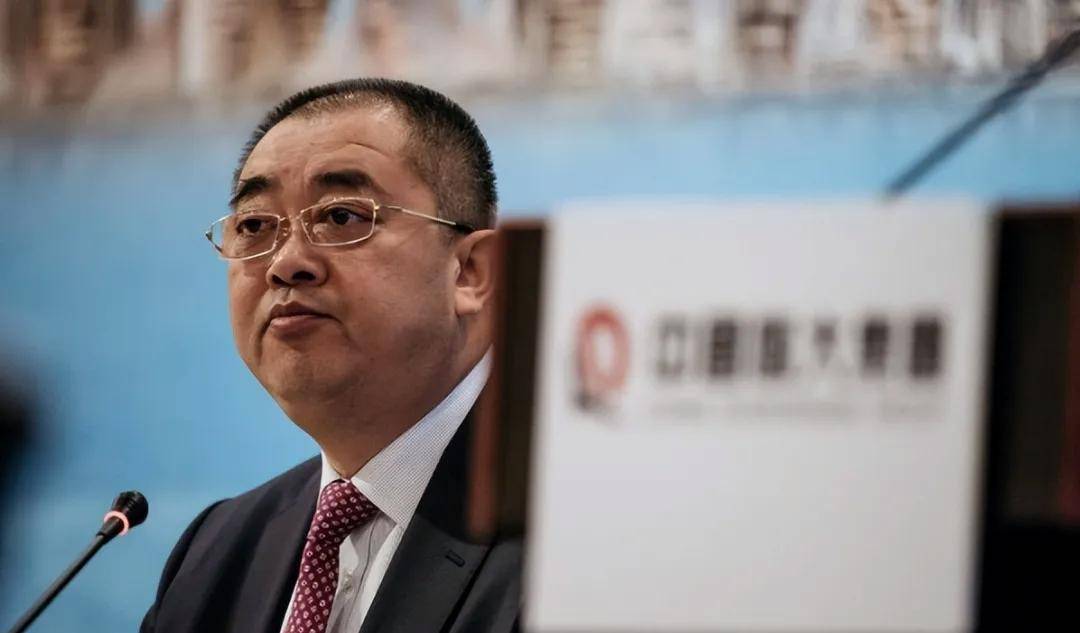
恒大前行政总裁夏海钧,被曝藏身美国加州而非加拿大!妻子在美持有资产达1.7亿元,12岁儿子就读于加州一所私立学校
Mei Ri Jing Ji Xin Wen· 2025-08-16 02:05
Core Viewpoint - China Evergrande Group is set to lose its listing status starting August 25, as legal proceedings against its founder Xu Jiayin and other executives continue amid ongoing liquidation efforts [1][3]. Group 1: Legal Proceedings and Financial Claims - The Hong Kong High Court issued a liquidation order for China Evergrande 18 months ago, appointing liquidators to recover debts owed to overseas creditors [3]. - Liquidators are pursuing claims against seven defendants, including Xu Jiayin and former CEO Xia Haijun, for approximately $6 billion (around 43 billion RMB) in dividends and compensation received from 2017 to 2020 [3]. - The liquidators have also obtained injunctions to restrict the defendants from disposing of or reducing their global assets valued at 60 billion HKD (approximately 55 billion RMB) [3]. Group 2: Allegations of Financial Misconduct - The liquidators allege that the defendants violated their responsibilities by approving financial statements that misrepresented the company's financial health during 2018 to 2020 [3]. - Evergrande's financial fraud has been confirmed, with the company inflating revenue and profits through premature revenue recognition [3]. Group 3: Asset Concealment and Legal Developments - Xia Haijun is accused of failing to disclose overseas assets, with evidence suggesting his wife holds assets worth $24 million (approximately 170 million RMB) in the U.S. [1][10]. - The court believes Xia Haijun is the actual controller of these assets, which include multiple properties and vehicles in California [10][12]. - The Hong Kong High Court has approved a temporary injunction against Xia Haijun's wife's assets, requiring her to appear in court for hearings [16].

恒大退市冲击烂尾楼业主,房贷压身家难成,不安漩涡中盼曙光
Sou Hu Cai Jing· 2025-08-15 17:59
Group 1 - The news highlights the plight of homeowners trapped in unfinished buildings due to the Evergrande crisis, emphasizing their financial struggles and emotional distress as they face heavy mortgage payments without a completed home [1][5] - Homeowners are seeking legal recourse and relying on government policies aimed at ensuring the completion of their homes, reflecting their desperation and hope for resolution [1][5] - The banking sector's role is scrutinized, questioning whether banks adequately assessed project risks during loan approvals, as homeowners are left to bear the financial burden despite the banks' initial assessments [3][5] Group 2 - Regulatory failures are identified, with a lack of accountability in the approval and oversight processes that allowed developers to mismanage funds and delay projects, leading to widespread financial distress among buyers [3][5] - The crisis is attributed to aggressive expansion by developers, which ultimately places the burden on innocent homebuyers who merely sought to secure a stable living environment [5] - Government initiatives like "guaranteeing delivery of homes" are being prioritized, but the focus must also be on clarifying responsibilities among developers, banks, and regulatory bodies to restore market trust [5]
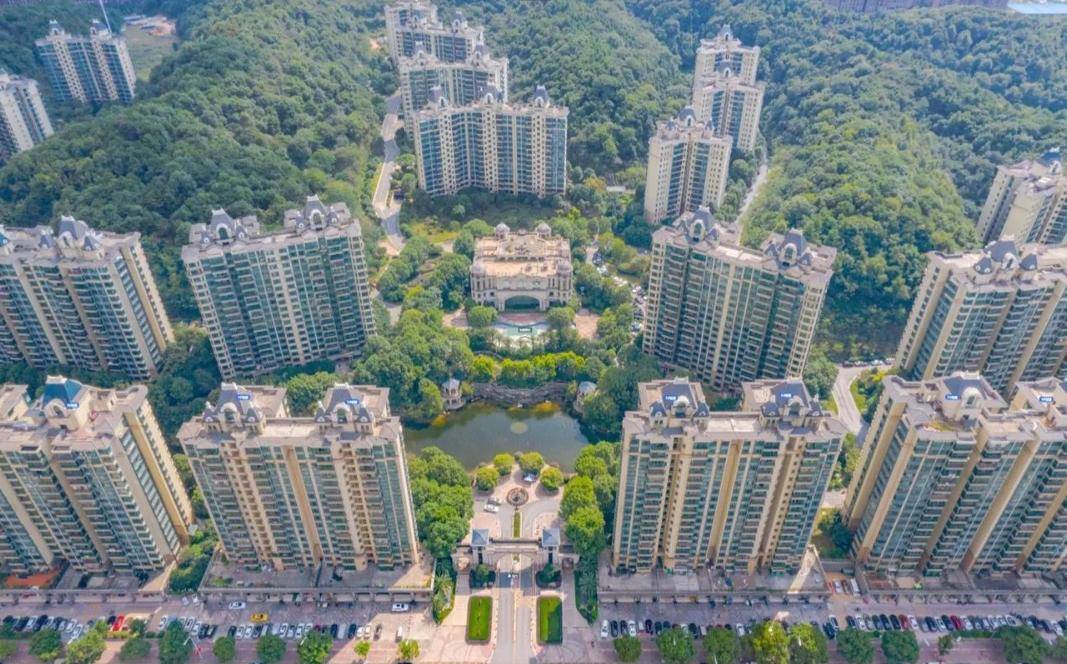
恒大前行政总裁夏海钧,被曝藏身美国加州,妻子在美持有资产达1.7亿元
Mei Ri Jing Ji Xin Wen· 2025-08-15 12:07
Core Viewpoint - China Evergrande (03333.HK) is set to lose its listing status starting August 25, with ongoing litigation against its founder Xu Jiayin and other former executives regarding asset disclosures and financial mismanagement [1][3]. Group 1: Legal Proceedings and Financial Claims - The Hong Kong High Court issued a winding-up order for China Evergrande 18 months ago, appointing liquidators to recover debts owed to overseas creditors [3]. - Liquidators are pursuing claims against Xu Jiayin, his ex-wife Ding Yumei, former CEO Xia Haijun, and five other defendants for approximately $6 billion (around 43 billion RMB) in dividends and compensation received from 2017 to 2020 [3]. - The liquidators have also obtained injunctions to restrict the defendants from disposing of or reducing their global assets valued at 60 billion HKD (approximately 55 billion RMB) [3]. Group 2: Financial Mismanagement Allegations - The liquidators allege that the defendants violated their duties by approving financial statements for the years 2018 to 2020, which were later found to be fraudulent [3]. - Evergrande's financial misconduct involved premature revenue recognition, leading to inflated income and profits for 2019 and 2020 [3]. Group 3: Asset Disclosure Issues - Xia Haijun has been uncooperative in disclosing overseas assets, with evidence suggesting his wife holds assets worth $24 million (approximately 170 million RMB) in the U.S. [1][15]. - The court believes Xia Haijun is the actual controller of these assets, despite being registered under his wife's name [14][15]. - The liquidators have successfully added Xia Haijun's wife as a defendant in the case [20].
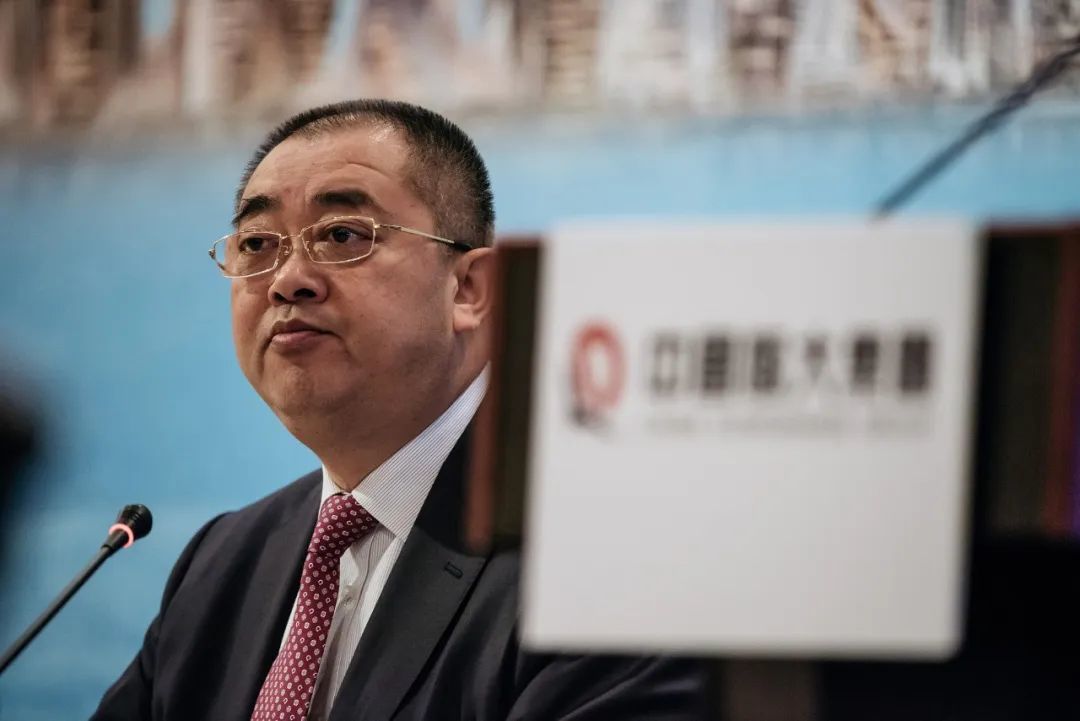
恒大前行政总裁夏海钧 被曝藏身美国加州而非加拿大!他妻子在美持有资产达1.7亿元
Mei Ri Jing Ji Xin Wen· 2025-08-15 11:51
Core Viewpoint - China Evergrande (03333.HK) is set to lose its listing status starting August 25, as the liquidators continue legal actions against founder Xu Jiayin and other former executives for asset recovery and accountability [2][3]. Group 1: Legal Proceedings and Financial Recovery - The liquidators are pursuing claims against seven defendants, including Xu Jiayin and former CEO Xia Haijun, for approximately $6 billion (around 43 billion RMB) in dividends and compensation received from 2017 to 2020 [2][3]. - The Hong Kong High Court has issued injunctions preventing Xu Jiayin, his ex-wife Ding Yumei, and Xia Haijun from disposing of or reducing their global assets valued at 60 billion HKD (approximately 55 billion RMB) [2][3]. Group 2: Allegations of Financial Misconduct - The liquidators allege that the defendants violated their responsibilities by approving the annual financial statements for 2018 to 2020 and the unaudited interim financial statements for 2019 to 2021, amidst confirmed financial fraud within Evergrande [3]. - Evergrande's financial misconduct involved premature revenue recognition, leading to inflated income and profits for 2019 and 2020 [3]. Group 3: Asset Disclosure Issues - Xia Haijun has been uncooperative in disclosing overseas assets, with evidence suggesting his wife holds assets worth $24 million (approximately 170 million RMB) in the U.S., which the liquidators believe he controls [2][8]. - The court has recognized that Xia Haijun's wife is merely an agent for his assets, as he has been living in California and concealing various personal assets [10][11]. Group 4: Additional Legal Developments - The Hong Kong High Court has approved the addition of Xia Haijun's wife as a defendant in the ongoing legal proceedings [15].