CM BANK(03968)

Search documents
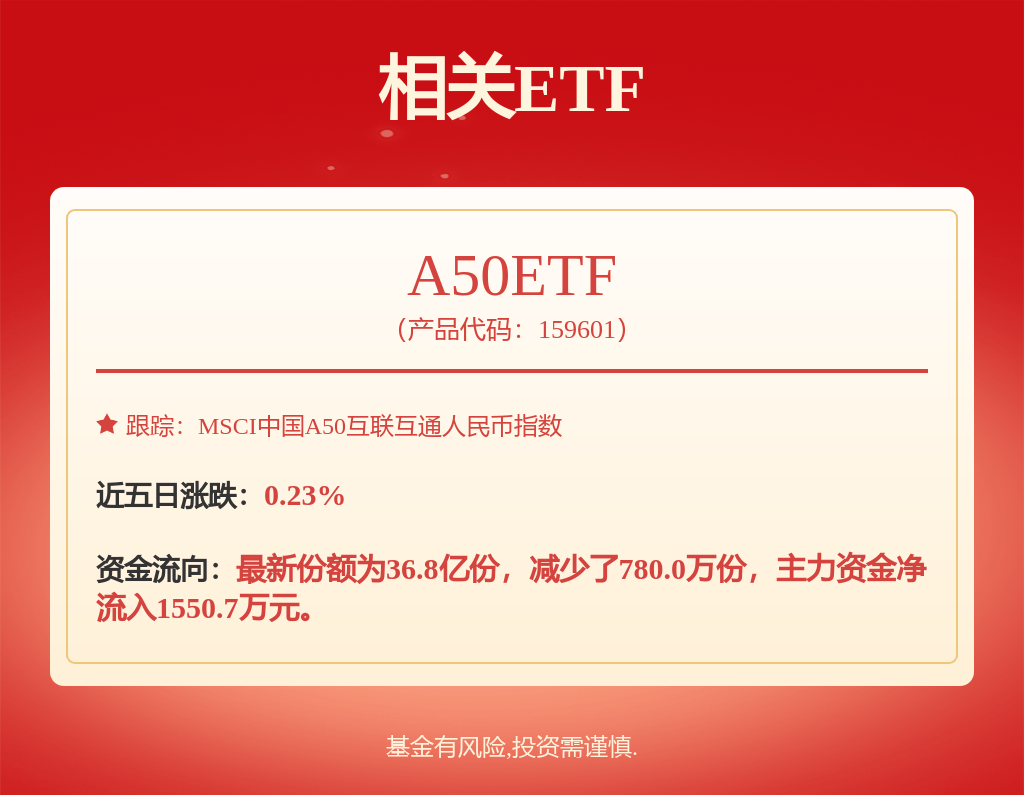
“零售之王”AIC牌照落地 银行系股权投资迎来小高潮
Hua Er Jie Jian Wen· 2025-07-08 13:23
Core Viewpoint - The banking sector's financial asset investment companies (AICs) are shifting their focus from resolving non-performing assets to equity investments, as evidenced by the recent approval of China Merchants Bank's AIC, which highlights a broader trend in the industry [1][7]. Group 1: Regulatory Changes and Market Entry - China Merchants Bank has become the third joint-stock bank to hold an AIC license, following Industrial Bank and CITIC Bank [2]. - The regulatory landscape for AICs has evolved significantly since 2024, with the pilot program expanding from Shanghai to 18 cities, and the investment cap for AICs increasing from 4% to 10% of total assets [4][25]. - The rapid approval of AIC licenses for major joint-stock banks indicates a growing interest and participation in equity investment activities within the banking sector [5][30]. Group 2: Capital and Investment Strategy - China Merchants Bank's AIC, with a registered capital of 15 billion yuan, reflects its commitment to equity investment, surpassing its peers in the joint-stock banking sector [8]. - The establishment of AICs is seen as a means to enhance banks' capabilities in direct equity investments and integrated financial services [12][28]. - Historically, AICs were primarily focused on debt-to-equity swaps, but recent regulatory changes have allowed for a broader range of equity investment activities [14][24]. Group 3: Performance and Future Outlook - The performance of AICs has shown significant growth, with the profit growth rate of AICs outpacing that of their parent banks, indicating their potential to contribute to overall profitability [30]. - The shift towards equity investment is expected to align with market demands for long-term capital allocation, particularly in high-tech sectors [28][34]. - Challenges remain, including high capital consumption and reliance on IPOs for exits, which may impact the profitability of AICs [33][34].


A股,新信号!
Zheng Quan Shi Bao· 2025-07-08 11:39
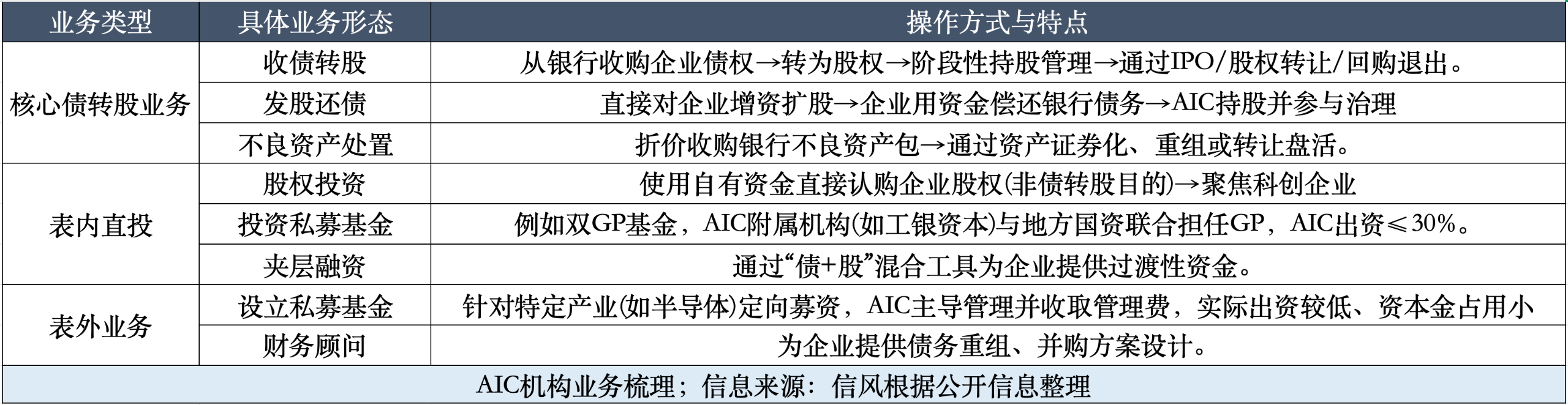
Group 1 - Insurance capital has become a significant force in the capital market, with at least 20 instances of shareholding increases in A-shares and H-shares this year, primarily targeting stable dividend-paying assets like banks and public utilities [1][2] - Recent announcements indicate that Li'an Life and Xintai Life have increased their holdings in Jiangnan Water and Hualing Steel, respectively, with Li'an Life acquiring 46.99 million shares (5.03% of total shares) and Xintai Life acquiring 343 million shares (5.00% of total shares) [2][3] - The trend of insurance capital actively participating in shareholding increases is attributed to a low interest rate environment, leading to a search for stable cash flow and strong performance companies [1][6] Group 2 - The increase in shareholding by insurance capital is seen as a response to "asset scarcity," with a focus on high-dividend equities to enhance returns and offset the pressure from low fixed-income asset yields [6][7] - Regulatory changes, such as adjustments to the equity asset ratio for insurance funds, have facilitated greater participation of insurance capital in the equity market, creating favorable conditions for shareholding increases [6][7] - The rise in shareholding activities is viewed as a positive signal for the long-term development of the capital market, potentially enhancing investor confidence and attracting more capital [7][8] Group 3 - The participation of various capital types, including financial capital, industrial capital, and private equity, in shareholding increases reflects a positive outlook on the long-term performance of the companies involved [7][8] - The concentration of insurance capital in high-dividend sectors, particularly banks, raises concerns about potential systemic risks due to high industry concentration [7][8] - Future strategies for insurance capital may involve diversifying into less cyclical and more diversified high-dividend sectors to balance returns and risks [8]


上市银行密集分红 “抢权”行情会否上演
Shang Hai Zheng Quan Bao· 2025-07-07 18:06
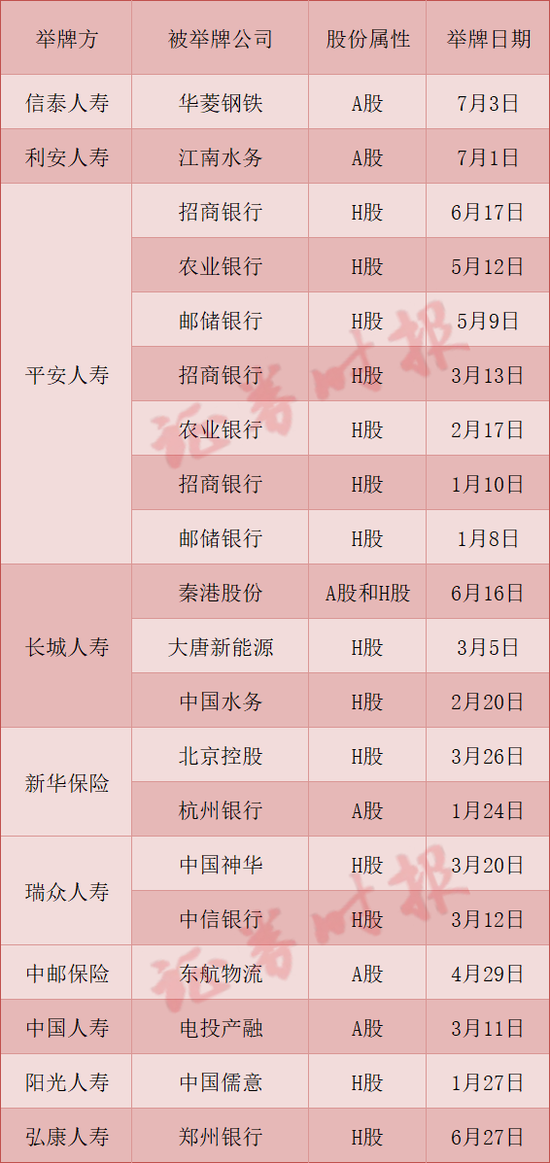
Core Viewpoint - The banking sector in China is experiencing a significant increase in dividend payouts for the 2024 fiscal year, with total dividends reaching a record high of 632 billion yuan, driven by major state-owned banks and a growing preference for high-dividend stocks among investors [2][3]. Group 1: Dividend Announcements - Industrial and Commercial Bank of China (ICBC) will distribute a cash dividend of approximately 58.664 billion yuan on July 14, 2024 [1] - China Merchants Bank announced a cash dividend of 2 yuan per share, totaling around 50.44 billion yuan, to be distributed on July 11, 2024 [1] - At least 11 listed banks are set to implement dividend distributions starting in July, with 42 A-share listed banks having their annual profit distribution plans approved by shareholders [1] Group 2: Record Dividend Amounts - The total annual dividend amount for listed banks in 2024 has reached 632 billion yuan, marking the highest in history [2] - The six major state-owned banks are expected to distribute over 215.8 billion yuan in dividends, with total annual payouts exceeding 420 billion yuan when including interim dividends [2] - ICBC's total annual dividend, including interim dividends, amounts to 109.773 billion yuan, while China Construction Bank's total exceeds 100.754 billion yuan [2] Group 3: Dividend Ratios and Frequencies - Fourteen banks have a dividend payout ratio exceeding 30%, with China Merchants Bank having the highest at 33.99% [2] - Nineteen banks have implemented interim dividends, reflecting a positive response from investors and enhancing their sense of returns [2] Group 4: Market Performance and Valuation - The banking sector has shown strong market performance, with the Shenwan Banking Index rising by 18.28% this year, outperforming the CSI 300 Index by 17.5 percentage points [3] - The average dividend yield for listed banks is 3.89%, significantly higher than market risk-free rates and fixed deposit rates [3] - The average price-to-book ratio for the banking sector is only 0.74, with a few banks exceeding a ratio of 1 [3] Group 5: Future Outlook - Short-term uncertainties in the external environment may enhance the defensive advantages of the banking sector's relative valuation and dividend levels [4] - Long-term prospects for the banking sector remain positive, with expectations of higher return on equity (ROE), earnings growth, and dividend rates compared to the overall market [4] - Investors are advised to purchase shares before the ex-dividend date to qualify for dividends, raising the potential for a "抢权" (rights grabbing) market trend [4]


险资南下掘金!年内扎堆举牌港股,战绩不凡获15%超额回报
Hua Xia Shi Bao· 2025-07-07 13:29
Core Viewpoint - The insurance capital market is experiencing a significant wave of acquisitions, with insurance funds actively buying shares in listed companies, particularly in the banking and public utility sectors, as well as in leading cyclical industries like steel [2][3][4]. Group 1: Insurance Capital Trends - Insurance funds have made 19 acquisitions this year, nearly matching last year's total of 20 within just six months [2]. - A notable trend is the substantial movement of funds towards Hong Kong stocks, with 14 out of 19 acquisitions involving Hong Kong-listed companies [2][8]. - The average return on investment for insurance companies in the Hong Kong market is approximately 15%, indicating a strong performance compared to previous years [2][8]. Group 2: Investment Strategies - The acquisitions reflect a rebalancing of insurance assets and liabilities, emphasizing long-term value investment [2][5]. - Insurance companies are increasingly focusing on high-dividend, low-volatility stocks, particularly in the banking sector, which offers an average dividend yield exceeding 5% [6][7]. - The recent regulatory changes have allowed for more flexible equity asset allocation, potentially unlocking an additional 1.5 trillion yuan in investment capital [5]. Group 3: Sector Focus - The banking sector remains the primary focus for insurance fund acquisitions, with nine out of the 19 acquisitions involving banking stocks [6]. - Steel industry leaders like Hualing Steel are also attracting attention, indicating a tactical interest in undervalued cyclical stocks [7]. - The insurance funds are not entirely avoiding cyclical industries but are selectively investing in financially stable companies with strong cash flow and dividend capabilities [3][4]. Group 4: Market Dynamics - The Hong Kong market is becoming increasingly attractive due to its higher dividend yields and significant valuation discounts compared to A-shares [8]. - The ongoing release of institutional benefits in Hong Kong is expected to enhance its appeal to cross-border investments [8]. - Despite geopolitical tensions, the Hong Kong market has shown resilience, achieving a 20% increase in performance, making it a leading financial center [8].

第三家股份行AIC来了 招银金投获监管批复筹建
Mei Ri Jing Ji Xin Wen· 2025-07-07 13:14
Core Viewpoint - China Merchants Bank has received approval from the National Financial Regulatory Administration to establish a financial asset investment company, which will enhance its capabilities in market-oriented debt-to-equity swaps and equity investment trials [2][3]. Group 1: Company Establishment - The registered capital of the newly established investment company, named China Merchants Jin Investment Co., is 15 billion yuan, making it a wholly-owned subsidiary of China Merchants Bank [3]. - The establishment of this company is a strategic move by China Merchants Bank to align with national development goals and provide comprehensive financing support to enterprises [3]. Group 2: Market Impact - Holding an AIC license allows banks to legally conduct market-oriented debt-to-equity swaps, helping enterprises reduce leverage and optimize capital structure, while also providing new pathways for banks to manage non-performing assets [4]. - The AIC license enables banks to break down barriers between commercial and investment banking, allowing for services such as equity financing and mergers and acquisitions, thus deepening comprehensive operations [4]. Group 3: Industry Context - The establishment of financial asset investment companies is part of a broader initiative by the National Financial Regulatory Administration to expand equity investment trials among qualified commercial banks [5]. - The characteristics of technology enterprises, such as high investment and risk, make traditional bank loans challenging; thus, the equity investment business of banks can fill this gap [5].
复旦张江(01349.HK):以自有闲置资金向招商银行认购9000万元结构性存款产品。
news flash· 2025-07-07 08:55
Group 1 - The company Fudan Zhangjiang (01349.HK) has subscribed to a structured deposit product from China Merchants Bank using its own idle funds amounting to 90 million yuan [1]
银行业周报:银行指数上行创新高-20250707
Bank of China Securities· 2025-07-07 08:07
Investment Rating - The report rates the banking sector as "Outperform" compared to the market [1]. Core Insights - The banking sector index rose by 3.77% this week, with all 42 A-share banks experiencing gains. Year-to-date, the banking sector has increased by 17.77%, ranking second among all industries. The report emphasizes the investment value of bank stocks, particularly recommending China Merchants Bank, Agricultural Bank of China, and Jiangsu Bank [1][14][15]. Summary by Sections Banking Sector and Stock Performance - The A-share banking index increased by 3.78% this week, outperforming the Wind All A index by 2.56 percentage points. The average increase for state-owned banks was 2.81%, for joint-stock banks 5.41%, for city commercial banks 3.30%, and for rural commercial banks 2.48% [2][13][15]. - Over the past month, state-owned banks saw a rise of 6.95%, joint-stock banks 11.63%, city commercial banks 7.34%, and rural commercial banks 4.82% [2][15]. Funding Price Situation - The People's Bank of China conducted a reverse repurchase operation with a net withdrawal of 13,753 billion yuan this week. The overnight SHIBOR rate was 1.31%, down 6 basis points from last week, while the 7-day SHIBOR rate was 1.42%, down 25 basis points [3][28][31]. Bond Market Situation - The total financing in the bond market was 10,356.4 billion yuan, with a net financing increase of 4,317.0 billion yuan, up 137.3 billion yuan from last week. The issuance of bonds decreased by 10,413.1 billion yuan compared to the previous week [4][43]. - The issuance of government bonds was 2,800.8 billion yuan, an increase of 1,690.8 billion yuan from last week [4][43]. Bond Yield Overview - The 1-year government bond yield was 1.34%, down 1 basis point from last week, while the 10-year yield remained stable at 1.64%. The yield spread between 10-year and 1-year bonds widened by 1 basis point [5][47][50].


跨境金融服务新升级!招商银行青岛分行跨境专业行“三地开花”
Qi Lu Wan Bao Wang· 2025-07-07 06:38
活动期间,招商银行青岛分行重磅发布万事达高端卡,作为首张支持境外人民币清算的万事达卡,该卡 一举打破传统跨境支付壁垒,实现消费直接以人民币结算且不占用个人外汇额度,持卡人只需账户内有 人民币,即可在全球210多个国家和地区、超1.3亿商户轻松消费,同时支持微信、支付宝、美团等主流 平台绑定使用,覆盖线上线下(300959)全场景。在权益设计上,该卡兼顾实用性与尊享感。针对留学 人群,"留学快汇"服务支持通过招商银行App一站式完成购汇和汇款;针对旅游爱好者,境外消费返现 力度强劲,5‰返现无封顶;每月前3笔境外ATM取现手续费全免,搭配万事达全球商户礼遇,包括米 其林餐厅独家预订、IHG酒店及度假村优惠等。真正实现"好用、划算、便捷"的综合体验,为客户在留 学、旅行、投资等跨境场景中提供全方位支持,成为跨境金融服务的"得力助手"。 展望未来,招商银行青岛分行跨境专业行将以此次启动为新起点,持续践行"十项服务承诺",依托万事 达高端卡等创新产品,不断深化"金融+场景+科技"三位一体服务模式。通过整合境内外资源,提升跨 境金融服务的专业化、精细化水平,在服务个人客户留学、旅行、财富规划的同时,全力支持企业跨境 贸 ...
中邮先进制造混合型发起式证券投资基金份额发售公告
Zheng Quan Shi Bao· 2025-07-06 18:20
1. 中邮先进制造混合型发起式证券投资基金(以下简称"本基金")的发售已获中国证券监督管理委员会2025年2月17 日证监许可〔2025〕306号文注册。 登录新浪财经APP 搜索【信披】查看更多考评等级 重要提示 2. 本基金是混合型证券投资基金。 3. 基金的运作方式:契约型开放式 4. 本基金的管理人和注册登记机构均为中邮创业基金管理股份有限公司(以下简称"本公司"),托管人为招商银行股 份有限公司(以下简称"招商银行")。 5. 本基金自2025年7月14日至2025年7月25日,通过本公司指定的销售机构(包括直销机构和其他销售机构)公开发 售。其中直销机构指本公司的直销中心、网上交易平台和中邮基金官方微信平台一一中邮基金服务号,其他销售 机构名单详见"五(三)2、其他销售机构",各销售机构的办理地点、办理日期、办理时间和办理程序等事项参照 各销售机构的具体规定。 6. 本基金首次募集总规模上限为人民币10亿元(即确认的有效认购金额,不含募集期利息),采取"末日比例确 认"的方式对上述规模限制进行控制。 7. 投资者欲购买本基金,须开立本公司基金账户。除法律法规另有规定外,一个投资者只能开设和使用一个 ...

股市必读:招商银行(600036)7月4日主力资金净流入2.87亿元,占总成交额8.99%
Sou Hu Cai Jing· 2025-07-06 16:12
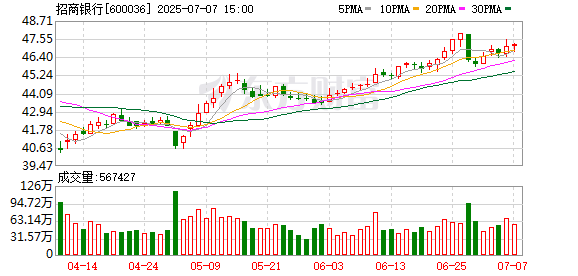
Summary of Key Points Core Viewpoint - China Merchants Bank (招商银行) is actively engaging in shareholder returns and expanding its business operations through the establishment of a new subsidiary, reflecting a commitment to high-quality development and market responsiveness [3][6]. Trading Information - On July 4, 2025, China Merchants Bank's stock closed at 47.07 yuan, with an increase of 0.99%. The turnover rate was 0.33%, with a trading volume of 678,900 lots and a total transaction value of 3.19 billion yuan [1]. - The fund flow on the same day indicated a net inflow of 287 million yuan from institutional investors, accounting for 8.99% of the total transaction value. Retail investors experienced a net outflow of 127 million yuan, representing 3.98% of the total transaction value [2][6]. Company Announcements - China Merchants Bank announced a cash dividend of 2.000 yuan per share (including tax) for its A-shares, with a total distribution amounting to approximately 50.44 billion yuan (including tax). The record date for the dividend is July 10, 2025, and the payment date is July 11, 2025 [3][6]. - The bank has received approval from the National Financial Regulatory Administration to establish a wholly-owned subsidiary, China Merchants Financial Asset Investment Co., Ltd., with a registered capital of 15 billion yuan. This initiative aims to engage in market-oriented debt-to-equity swaps and equity investment pilot projects [3][6].