
AGRICULTURAL BANK OF CHINA(601288)

Search documents
农业银行召开2026年党建和经营工作会议
Xin Lang Cai Jing· 2026-01-29 06:36
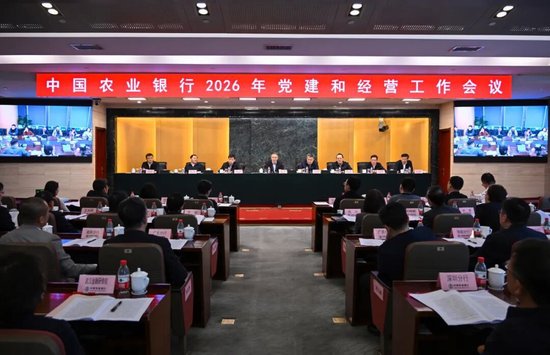
来源:中国农业银行 1月28日,农业银行2026年党建和经营工作会议在京召开。会议以习近平新时代中国特色社会主义思想 为指导,全面贯彻党的二十届四中全会、二十届中央纪委五次全会、中央经济工作会议、中央农村工作 会议精神,深刻学习领会习近平总书记在省部级主要领导干部专题研讨班开班式上的重要讲话精神,落 实全国金融系统工作会议部署,总结2025年工作,部署2026年重点任务。党委书记、董事长谷澍就2026 年党建和经营工作作了讲话,党委副书记、行长王志恒主持会议并对2026年业务经营作具体安排。农业 银行党委成员,董事会和高管层成员出席会议。 会议认为,2025年是很不平凡的一年。全行认真贯彻党中央、国务院各项决策部署,牢牢把握"防风 险、促高质量发展"工作主线,统筹推进党的建设、金融服务和业务经营,各项目标任务顺利完成,高 质量发展迈出新的步伐。 ——全面从严治党持续向纵深推进。严格落实"第一议题"制度,深入学习宣传贯彻党的二十届四中全会 精神,党的政治建设不断加强。扎实推进中央巡视整改,认真开展深入贯彻中央八项规定精神学习教 育,深入推进风腐同查同治,营造了风清气正的政治生态。下沉党建工作重心,加强干部人才队 ...


银行ETF鹏华(512730)涨超1.3%,高股息+低估值+红利属性持续吸引长线资金
Xin Lang Cai Jing· 2026-01-29 06:25
银行板块盘中持续走高,青岛银行涨停,消息面上,青岛银行发布2025年度业绩快报,实现归属于母公 司股东净利润51.88亿元,同比增长21.66%。此前已有招商银行、兴业银行、宁波银行等8家上市银行率 先交出2025年度业绩快报,所有银行均实现净利润正增长。 中国银河证券指出,四季度市场风格整体延续上季度,资金对银行板块青睐程度维持在相对低位。但同 时,国有行、股份行持续受关注。近期被动资金流出对银行资金面形成扰动,但在低利率与中长期资金 加速入市的环境下,银行板块高股息、低估值的红利属性仍对险资等长线资金具备持续吸引力,加速估 值定价重构。继续看好银行板块红利价值。 截至2026年1月29日 14:07,中证银行指数(399986)强势上涨1.68%,成分股青岛银行上涨9.94%,渝农商 行上涨3.86%,宁波银行上涨3.70%,齐鲁银行,江苏银行等个股跟涨。银行ETF鹏华(512730)上涨 1.34%,最新价报1.59元。 银行ETF鹏华紧密跟踪中证银行指数,为反映中证全指指数样本中不同行业公司证券的整体表现,为投 资者提供分析工具,将中证全指指数样本按中证行业分类分为11个一级行业、35个二级行业、90 ...





金融赋能消费市场“稳产保供”
Jin Rong Shi Bao· 2026-01-29 05:07
"这笔贷款真的是太及时了,有了农行的支持,我就可以备足存货,安心经营了。"周转资金有了着落, 江苏淮安财阔食品有限公司负责人吕家永感激地说。 吕先生主要从事坚果、干果等线上线下(300959)食品生产、销售等,拥有"栗可福""栗爱果"特色商 标,旗下67家华东地区门店均设在大型商场、连锁超市以及高级菜场,人流量大,客源稳定。岁末年 初,食品迎来销售旺季,订货量大增,但吕先生离备足存货还有一笔资金缺口,农行江苏淮安分行在支 持小微企业融资协调机制工作专班实地走访过程中,了解到吕先生资金需求后,立即安排当地专业服务 团队上门对接、调查分析,第一时间将200万元"商户e贷"投放到位。 朱凤安在淮安市淮阴区淮高镇从事餐饮行业多年,经营的江苏凤安餐饮服务公司从主食蒸制、菜品制 作、包装配送到回收清洁形成了一套成熟的流水线。与企业、工地等签订供餐合同后,该公司根据集体 服务对象订购要求而集中加工、分送食品。为备战节前企业开工餐饮高峰,公司需要提前联系供货商预 订食材及预制菜,除自筹资金外,朱凤安根据新签订的购销合同采购食材还差一多半资金。农行淮安淮 阴支行得知其困难后,立即提供了600万元的信贷资金支持。 "时值新年,重 ...
农行信用卡拼多多首绑立减5元活动
Jin Tou Wang· 2026-01-29 04:16
一、活动时间:2026年1月1日至2026年4月30日(每日9点至24点) 二、活动对象: 农行信用卡(单位卡、准贷记卡、EMV卡:Visa、万事达品牌仅支持境外支付的卡、汽车/教育分期等专 用卡除外,下同)持卡人 三、活动内容 活动期间,农行信用卡持卡人(以下简称"持卡人")首次在拼多多APP或中国农业银行APP通过多多钱包 (多多支付,下同)绑定农行信用卡,即有机会获得5元立减权益。立减权益自获得之时起有效期7天(7*24 小时),持卡人在拼多多APP消费且单笔订单农行信用卡应付满5.01元(含)时可使用。活动期间同一持卡 人仅限参与一次,活动名额有限,用完即止。 ...

湖南张家界: 铺就金融支持文旅发展“高速路”
Jin Rong Shi Bao· 2026-01-29 02:25
前段时间,G5515张南高速湖南张家界至湘西州段正式通车,标志着张南高速全线贯通,湘鄂渝川 四省市串联,武陵山片区交通格局被重塑。农业银行桑植县支行为这条起始于张家界桑植县、串联张南 高速与龙吉高速的交通干线投放信贷支持资金5.5亿元。该项目建成后将桑植县至龙山县的车程从2.5小 时缩短至40分钟,湘鄂渝交界地区"一小时交通圈"有望尽快建成,拥有丰富红色文化与生态资源的桑植 县加速融入张家界旅游经济圈,为沿线发展注入新动力。 责任编辑:杨喜亭 与此同时,毗邻天子山核心景区的白石溪凭借"武陵源后花园"的美誉,正成为张家界旅游体系的重 要补充。当地旅游公司采用"公司+村集体"合作方式打造的旅游品牌,备受游客青睐。项目建设中期, 面对无担保融资难的问题,农业银行桑植县支行为其提供了200万元"潇湘财银贷"支持,以"财银合作 +风险共担"模式助力景区完成基础设施升级,包括修建安全步道、完善游客服务中心并开发了溪边露 营、悬崖鸟巢、苗族文化演绎、土家族摆手舞等特色项目,让游客在领略核心景区壮美之余,还能享受 别样的山水、文化体验。据统计,该景区自2025年开业以来已接待游客5.7万人次,日均接待量约1300 人,单日最 ...
金融精准有效赋能特色产业 甘肃甘南开展特色产业贷款集中投放行动
Jin Rong Shi Bao· 2026-01-29 02:03
银行机构优化流程,全力提升行动效能。中国人民银行甘南州分行指导农业银行迭部县支行简化申报材 料、优化审批权限、开辟绿色通道,采取线上线下(300959)一体推进,集中快速发放特色产业贷款 5000万元,解了企业的燃眉之急,为特色产业企业和农牧户设备购置、春耕备耕、扩大生产、升级包 装、拓展市场等提供了精准支持。燎原乳业有限责任公司是甘南州乳品行业的龙头企业,近期,该企业 因进入奶制品收储和春节前生产备货阶段,资金流动紧缺,续贷不畅。针对企业的困难,中国人民银行 甘南州分行指导甘肃银行甘南分行主动靠前服务,优化服务模式,提前介入企业融资全流程,高效完成 贷前调查、风险评审及相关手续,待企业结清原贷款后,立即启动新贷款发放程序,当日投放流动资金 贷款2000万元,满足了企业资金需求,保障了生产与供应的连续性和稳定性。 一年之计在于春。年末岁初,是牛羊收储、春耕备耕的关键时期,也是特色产业资金需求旺盛期。为深 化"一县一业一品",助力特色产业提质增效行动,精准支持特色产业发展,2026年新年伊始,中国人民 银行甘南州分行抓住关键农时与产业节点,在集中摸排资金需求后,通过构建政银协同、银担联动、链 条带动工作机制,组 ...

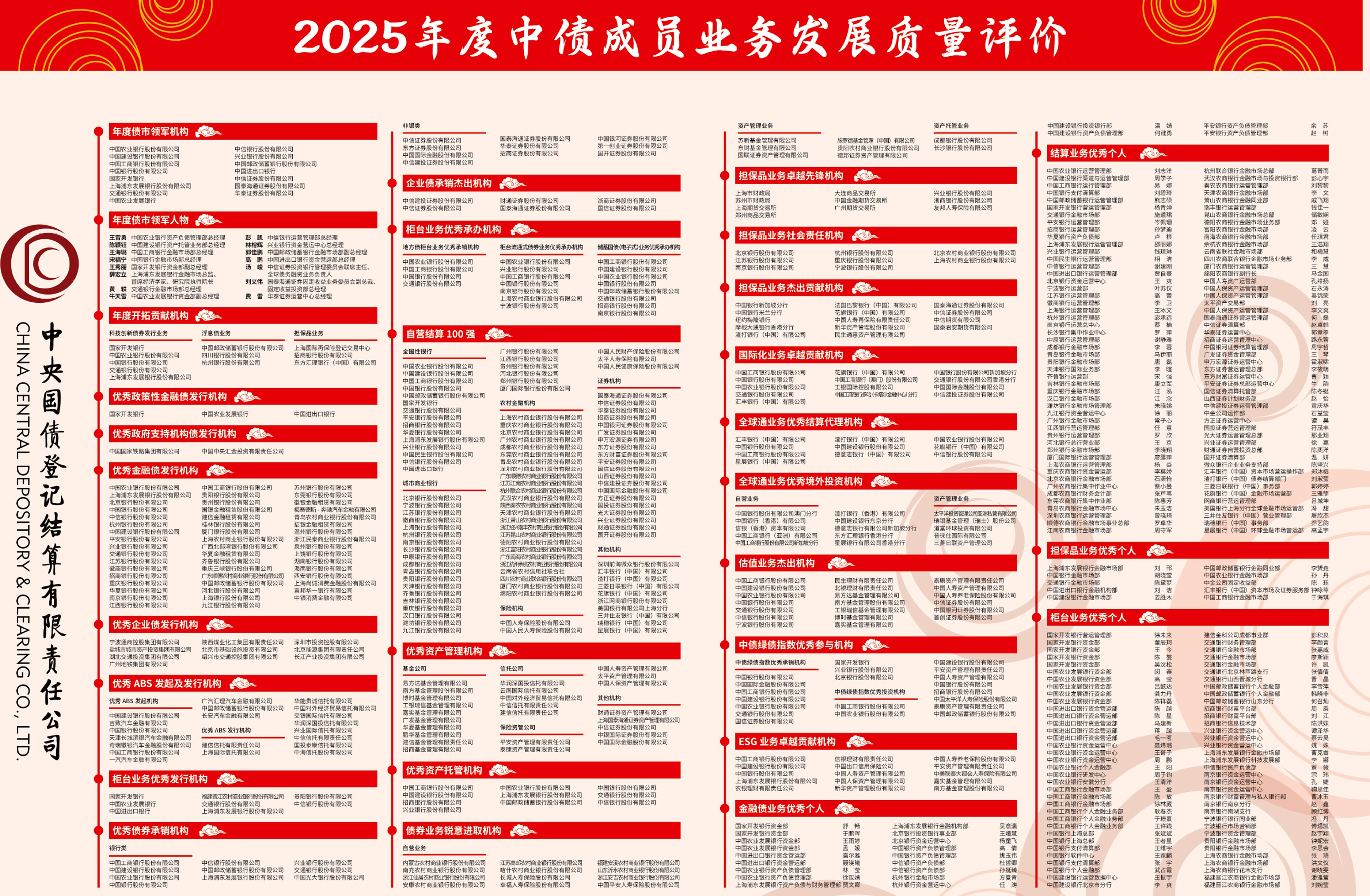
2025年度中债成员业务发展质量评价
Jin Rong Shi Bao· 2026-01-29 01:25
科技创新债券发行业务 国家开发银行 中国农业银行股份有限公司 中国银行股份有限公司 交通银行股份有限公司 上海浦东发展银行股份有限公司 中信银行股份有限公司 兴业银行股份有限公司 中国邮政储蓄银行股份有限公司 中国进出口银行 中信证券股份有限公司 国泰海通证券股份有限公司 华泰证券股份有限公司 年度债市领军人物 << 中国农业银行资产负债管理部总经理 壬雷勇 陈颖轩 中国建设银行资产托管业务部总经理 王海璐 中国工商银行金融市场部总经理 宋福宁 中国银行金融市场部总经理 国家开发银行资金部副总经理 于会服 蔭宏立 上海东东发展银行金$市场总监。 首席经济学家、研究院执行院长 8 裝 交通银行金融市场部总经理 牛天雪 中国农业发展银行资金部副总经理 年度开拓贡献机构 ~~ 年度债市领军机构 200 中国农业银行股份有限公司 中国建设银行股份有限公司 中国工商银行股份有限公司 中国银行股份有限公司 国家开发银行 上海浦东发展银行股份有限公司 交通银行股份有限公司 中国农业发展银行 中信银行运营管理部总经理 凯 林榕辉 兴业银行资金营运中心总经理 郭佳鹏 中国邮政储蓄银行金融市场部副总经理 高 此 中国进出口银行资 ...



六大行迅速发布信用卡分期贴息“指南”
Jin Rong Shi Bao· 2026-01-29 01:11
Core Viewpoint - The new policy on credit card installment interest subsidies aims to enhance consumer spending by including credit card bill installment services in the subsidy scope, thereby reducing the financial burden on consumers and stimulating consumption potential [1][4]. Group 1: Policy Implementation - The Ministry of Finance, the People's Bank of China, and the National Financial Regulatory Administration issued a notification that includes credit card bill installment services in the subsidy scope with a uniform annual subsidy rate of 1% [1]. - Major state-owned banks and some joint-stock banks have quickly responded by releasing implementation details, simplifying processes, and enhancing risk control measures to ensure effective policy execution [2][3]. - The policy reflects a strong public demand for support in consumer financing, aligning with the principle of "people-centered" policy design [2]. Group 2: Consumer Benefits - The subsidy allows consumers to save approximately 270 yuan in interest over a year when using a 50,000 yuan credit card bill divided into 12 installments [4]. - The policy is expected to significantly alleviate financial pressure on large purchases such as home appliances, cars, and education, thus converting latent consumer demand into actual purchasing behavior [4][5]. - The annual cap for total subsidies has been raised to 3,000 yuan per borrower, with the removal of previous limits on single transaction subsidies [5]. Group 3: Bank Responses and Services - Six major banks have clarified that existing customers with signed agreements will automatically benefit from the new policy without needing to re-sign [2]. - Banks like Agricultural Bank and Postal Savings Bank have outlined the steps for new customers to apply for the credit card installment interest subsidy, emphasizing a simplified process [2][3]. - The banks have committed to not charging any fees for processing the subsidy applications, ensuring a cost-free experience for consumers [8]. Group 4: Market Impact and Growth Potential - The policy is anticipated to drive growth in credit card installment services, especially as consumer awareness increases leading up to the Spring Festival [6]. - Smaller financial institutions are also preparing to implement similar measures, which will help extend the benefits to lower-tier cities and meet diverse consumer needs [6]. - The inclusion of credit card installments in the subsidy program is seen as a crucial step in supporting consumption expansion and improving the quality of financial services [7].
银行多维度落实个人消费贷贴息新政
Jin Rong Shi Bao· 2026-01-29 01:04
Core Viewpoint - The recent optimization and upgrade of the personal consumption loan interest subsidy policy aims to enhance consumer credit support and stimulate consumption through various measures, including extending the policy duration, expanding the subsidy scope, and increasing the subsidy standards [1][2][3]. Group 1: Policy Enhancements - The policy implementation period has been extended to September 1, 2025, through December 31, 2026, providing a longer support cycle for consumer credit [2]. - The subsidy scope has been expanded by removing the previous restriction on consumption fields for loans of 50,000 yuan and above, allowing for broader application [2][3]. - The subsidy standards have been optimized by eliminating the previous caps on single transaction subsidies and cumulative subsidies for amounts below 50,000 yuan, while maintaining an annual cap of 3,000 yuan per borrower at a single institution [3][4]. Group 2: Credit Card Bill Installment Subsidy - The most notable change is the inclusion of credit card bill installment payments in the subsidy program, with a subsidy rate of 1% applicable from January 1, 2026, to December 31, 2026 [4][5]. - This initiative aims to lower the financing costs for consumers using credit cards, thereby stimulating consumption and increasing merchant revenues [4][6]. - Banks are rapidly implementing operational processes for the new credit card installment subsidy to ensure quick policy execution [5][7]. Group 3: Risk Management and Process Optimization - Banks are focusing on simplifying application processes and enhancing risk management to prevent misuse of subsidy funds while ensuring effective policy implementation [7][8]. - Digital technologies are being leveraged to facilitate online processing of subsidy applications, allowing borrowers to manage their applications through mobile and online banking platforms [7]. - Strict measures are in place to prevent fraudulent activities related to subsidy applications, with banks retaining the right to recover funds in cases of non-compliance [8].


金融激发农业科创新势能
Jing Ji Ri Bao· 2026-01-28 21:59
Core Viewpoint - The Chinese government is focusing on enhancing agricultural technology innovation and financial support for the agricultural sector to ensure food security and promote high-quality agricultural development by 2026 [1][2]. Group 1: Financial Support for Agricultural Innovation - Financial institutions are encouraged to provide targeted financial services to support agricultural technology innovation, with a goal of exceeding 64% contribution from agricultural technology progress by 2025 [1]. - The People's Bank of China and the Ministry of Agriculture and Rural Affairs have issued guidelines to enhance financial support for rural reforms and agricultural productivity [2]. - Financial products such as "Agricultural Machinery Loans" and "Agricultural Science Loans" are being developed to address specific needs in the agricultural sector [5]. Group 2: Policy and Structural Support - The government is implementing policies to create a supportive environment for financial institutions to lend to agricultural technology projects, including fiscal subsidies for equipment updates [3]. - Collaborative efforts between fiscal and financial sectors aim to achieve greater policy effectiveness, with initiatives like the "technology contract + plant variety rights" dual pledge loan model being introduced [6]. - The establishment of a comprehensive support system is crucial for linking financial services with agricultural innovation, ensuring that various stakeholders collaborate effectively [9]. Group 3: Digital Financial Services - The development of digital financial services is being prioritized to enhance efficiency and effectiveness in agricultural financing, with a focus on utilizing big data and cloud computing [8]. - Financial institutions are adopting innovative digital solutions to meet the specific and urgent funding needs of agricultural enterprises, exemplified by the "Yinong Quick Loan" [7]. - The improvement of financial data capabilities in the banking sector is seen as a strategic asset for driving innovation and expanding business boundaries [8]. Group 4: Long-term Investment and Ecosystem Building - There is a need for a long-term vision in creating a comprehensive ecosystem for agricultural technology innovation, moving beyond short-term financial support [10]. - The integration of supply chain finance and collaboration among government, financial institutions, enterprises, and research units is essential for fostering a sustainable agricultural ecosystem [9]. - Attracting social capital through government-guided funds and policy financial tools is crucial for building a diverse and healthy financial ecosystem in agricultural technology [10].