
360 Security Technology (601360)

Search documents
全网首份「龙虾」安全部署指南来了!360出品
量子位· 2026-03-12 09:37
Core Viewpoint - OpenClaw, an AI agent, is gaining popularity and prompting government support for its deployment, but it also presents significant security challenges due to its autonomous capabilities and system resource access [1][3]. Group 1: OpenClaw Overview - OpenClaw integrates communication software with large language models to autonomously perform complex tasks like file management and data processing [1]. - The tool's ability to call system resources and execute commands autonomously raises new security concerns [1]. Group 2: Security Risks - The Ministry of Industry and Information Technology has issued security warnings, indicating that even with updates, risks remain due to the agent's decision-making capabilities and complex skill sources [3]. - High system permissions required for OpenClaw can lead to severe consequences, such as data breaches or system control loss if security measures are inadequate [3][4]. Group 3: Expert Insights - Industry experts, including Zhou Hongyi, emphasize that while OpenClaw has innovative potential, it is still in its early stages, with high usage barriers and stability issues [3][4]. - Zhou compares AI agents to "interns" that require training and strict rules, highlighting the need for caution in their deployment [4]. Group 4: Security Guidelines - 360 Group has released a security deployment guide for OpenClaw, outlining various risks such as API key leaks and injection attacks [4][6]. - The guide recommends a "controlled first, then efficiency" approach, suggesting the use of containerization and minimal privilege strategies for individual developers and small teams [6]. Group 5: Implementation Strategies - For enterprise-level applications, a zero-trust security architecture is advised, including security gateways and fine-grained permission management [6][7]. - Integrating operational logs into security platforms can help identify and mitigate high-risk behaviors in real-time [7]. Group 6: Industry Implications - OpenClaw and similar AI agents are expected to transform industries like cloud computing did, but security capabilities must be developed concurrently to avoid high-risk costs in large-scale applications [7].



科技界热议政府工作报告:牢牢抓紧政策的红利
第一财经· 2026-03-05 11:30
Core Viewpoint - The government work report emphasizes the development of a "new intelligent economy" and the integration of technology and industry, highlighting the importance of artificial intelligence (AI) and its application across various sectors [4][5][6]. Group 1: Intelligent Economy - The report introduces the concept of "new intelligent economy," calling for the promotion of new intelligent terminals and AI applications in key industries [4][5]. - Industry leaders express strong support for the government's focus on AI, indicating a shift from AI as a mere technology to a driver of value creation across sectors [5][6]. - The report outlines the need for deep integration of technology innovation and industrial innovation, marking a significant trend in the economy [6]. Group 2: Technological Infrastructure - The report mentions the implementation of large-scale intelligent computing clusters and the need for coordinated power supply, suggesting a focus on enhancing the efficiency of energy and computing resources [7]. - Recommendations include establishing a unified national electricity market to support intelligent computing centers and reduce energy costs for AI development [7]. Group 3: Future Industries - The report emphasizes the cultivation of future industries such as quantum technology, embodied intelligence, and 6G, indicating a strategic focus on advancing new productive forces [12][15]. - Industry representatives highlight the importance of developing quantum communication and embodied intelligence, with a call for government support in overcoming common challenges in these fields [12][15]. Group 4: International Logistics and Trade - The report stresses the need to strengthen international logistics systems and expand digital trade, which is seen as beneficial for companies engaged in global supply chain services [16][17]. - Companies are adapting to a shift from "stocking mode" to "branding mode" in cross-border logistics, necessitating higher standards for logistics stability and compliance [16]. Group 5: AI and Data Security - The report raises concerns about data security and user authorization in AI applications, highlighting the need for regulatory frameworks to address potential issues arising from data usage [9][10]. - Experts emphasize the importance of user rights and data protection in the deployment of AI agents, advocating for clear guidelines on data handling and user consent [10].



事关芯片,两会最新建言
半导体芯闻· 2026-03-05 09:36
Group 1 - The core viewpoint of the articles emphasizes the rapid development of China's technology sector, with significant advancements in areas such as artificial intelligence, semiconductor manufacturing, and robotics, positioning the country among global leaders in innovation [1][2][3]. - The Ministry of Science and Technology announced that by 2025, total R&D investment in China will exceed 3.92 trillion yuan, with a research intensity of 2.8%, and basic research funding reaching nearly 280 billion yuan, marking a historic high [1]. - The growth in high-tech manufacturing and equipment manufacturing sectors is notable, with value-added growth rates of 9.4% and 9.2% respectively, and production increases in industrial robots and integrated circuits by 28% and 10.9% [2]. Group 2 - Domestic chips are transitioning from being merely "usable" to "usable and effective," with significant improvements in performance and market acceptance, as evidenced by the sales of the Feiteng CPU [3][4]. - The Chinese government is focusing on breaking conventional paths in semiconductor development, emphasizing the need for a systematic approach to overcome challenges in the industry [4]. - The importance of AI in enhancing productivity across various sectors is highlighted, with a shift from technology-driven to demand-driven approaches in AI applications [5]. Group 3 - The discussions at the National People's Congress included calls for more attention to AI chip development and related industries, emphasizing the need for policy guidance to foster breakthroughs in hardware and data processing technologies [8]. - Xiaomi's founder expressed concerns over rising storage chip prices due to increased AI demand, indicating the pressure on smartphone manufacturing costs [9][10]. - Recommendations for enhancing the semiconductor industry include establishing special financing channels and improving capital market support to address technological and investment bottlenecks [10][11]. Group 4 - Suggestions for regional collaboration in the semiconductor industry focus on upgrading clusters and addressing upstream material shortages, with specific proposals for integrating resources across regions [11]. - The integration of AI and chip technology is seen as a core support for new productive forces, with recommendations for optimizing EDA tools and enhancing supply chain resilience [12]. - The role of private enterprises in driving innovation in the semiconductor sector is emphasized, with calls for better support and incentives for talent development and participation in national innovation platforms [13].


两会|全国政协委员、360集团创始人周鸿祎:智能体从概念走向实干 中国有望在全球AI领域占据更重要地位
证券时报· 2026-03-03 23:56
Core Viewpoint - The article emphasizes the importance of optimizing AI infrastructure and promoting the application of intelligent agents to enhance the development of the AI industry in China [1][3]. Group 1: AI Development Focus Areas - The four key areas of focus for AI development include optimizing reasoning computing power, nurturing talent who understand both AI and business, promoting the widespread application of secure intelligent agents, and improving the compliance system for data circulation [1]. - The shift from concept to practical implementation of intelligent agents is highlighted, with the expectation that China will play a more significant role in the global AI landscape [1][2]. Group 2: Infrastructure and Accessibility - The creation of an open platform for intelligent agents is proposed to allow ordinary enterprises and individuals to establish their own intelligent agents, transforming them into specialized intelligence tools [2]. - The need for more focus on reasoning computing power rather than just training computing power is emphasized, as the demand for reasoning power will grow exponentially with the application of large models [3]. Group 3: Chip Development and Industry Impact - The development of high-performance, low-cost dedicated reasoning chips is seen as crucial for lowering the barriers for enterprises to deploy AI and supporting the proliferation of smart applications in various sectors [4]. - The restructuring of computing power supply is essential for solidifying the foundation for AI to empower various industries [4].

全国政协委员、360集团创始人周鸿祎:建议优化推理算力布局
第一财经· 2026-03-03 16:07
Core Viewpoint - The article discusses the proposals by Zhou Hongyi, founder of 360 Group, regarding reasoning computing power, intelligent agent technology, and talent development in the context of China's upcoming National People's Congress [3]. Group 1: Reasoning Computing Power - Zhou Hongyi emphasizes the exponential growth in demand for reasoning computing power in the "hundred billion intelligent agent era" following China's "hundred model battle," which has led to the development of many "international first-class" open-source models [3]. - There is a notable gap in dedicated clusters for reasoning tasks in China's computing power centers, and the optimization of supply and demand across regions is necessary [3]. - Zhou suggests the establishment of a national guidance policy for reasoning computing power layout, creating a system that combines national coordination with regional specifics based on local scene density, computing power gaps, and energy security capabilities [4]. Group 2: Specialized Reasoning Chips - The development of specialized reasoning chips is identified as a crucial direction for China's chip industry to achieve differentiation [3]. - Encouragement for the domestic development of specialized reasoning chips is highlighted, focusing on breakthroughs in high-precision, low-latency, and multi-modal chip technologies to ensure an autonomous and controllable industrial chain [4]. - The advancement of reasoning chips is seen as strategically significant, as it can reduce cloud costs and support private deployment and edge intelligent hardware applications [4]. Group 3: Talent and Technology Empowerment - Zhou advocates for a dual empowerment strategy for technology and talent to accelerate the application of intelligent agents in the industry [4]. - In terms of intelligent agent security, there is a recommendation to promote the scenario-based application of secure intelligent agents and support the ecological innovation of security technologies [4].

周鸿祎两会提案曝光:聚焦AI安全、应用等核心议题,建言别盲目对标“英伟达训练芯片”
Xin Lang Cai Jing· 2026-03-02 04:28
Group 1 - The core focus of the upcoming National People's Congress is on AI safety, application, and training, as highlighted by Zhou Hongyi, the founder and CEO of 360 [5][8] - Zhou emphasizes the importance of AI agents in enhancing security, noting that 360 has developed tens of thousands of AI security agents that can identify software vulnerabilities and provide real-time protection for over two million small and medium-sized enterprises in China [3][7] - The distinction between training and inference computing power is crucial, with Zhou suggesting that while training power has room for growth, the potential for inference power is limitless, urging local governments to prioritize the development of inference chips [3][7] Group 2 - Zhou proposes the creation of an open platform for AI agents, allowing ordinary businesses and individuals to easily establish their own agents, which can transform computing power into specialized intelligence [4][8] - He stresses the need for nationwide training programs for AI agents, as the development and management of these agents differ significantly from traditional software, requiring business experts to lead rather than AI specialists [4][8] - The strategic value of inference chips, including edge and IoT chips, is highlighted, with a call for policies that do not solely chase high-end training chips like those from Nvidia, as the future will see a vast network of computing power [3][7]

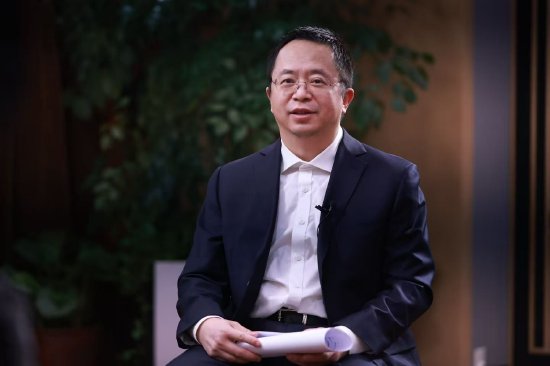
政协委员周鸿祎:AGI正稳步实现,智能体重塑网络生态
2 1 Shi Ji Jing Ji Bao Dao· 2026-02-27 12:25
Core Insights - The commercialization of general artificial intelligence (AGI) is becoming clearer by 2026, with a focus on building intelligent agent ecosystems and enhancing reasoning capabilities [1][3] - AI is entering the cybersecurity market, reshaping the attack and defense systems, indicating a significant trend in the industry [1][3] Group 1: AGI Development - AGI is being redefined, with current AI capabilities surpassing the average human skill level, rather than requiring a "super genius" [3] - The Seedance video generation model exemplifies AGI capabilities, demonstrating significant potential in the entertainment industry [3] - Effective use of AI involves creating specialized intelligent agents that can engage in deep reasoning through role-playing and collaborative debate [3] Group 2: Intelligent Agents in Internet Economy - The rise of intelligent agents is leading to the emergence of an "agent economy," where agents will facilitate automatic price comparisons and transactions on e-commerce platforms [5] - This new business model raises questions about identity verification and accountability, particularly regarding errors made by deployed agents [5] - Intelligent agents are expected to fundamentally alter existing internet products and business models, potentially leading to parallel systems for human interaction and API access [5] Group 3: Cybersecurity Transformation - AI tools like Claude code security are revolutionizing the cybersecurity industry by efficiently scanning for vulnerabilities and generating patches, causing stock declines for traditional security firms [7] - The efficiency of AI in programming may lead to an overwhelming amount of code that humans cannot effectively manage, necessitating specialized AI tools for security [7][8] - The traditional cybersecurity model, which focuses on post-attack defense, is being challenged as AI can potentially eliminate many vulnerabilities during the coding phase [8] Group 4: Future of Cyber Attacks - Future cyber attacks are expected to evolve into "hacker agents," which will automate and scale attack methods beyond human capabilities [9] - The traditional defense strategies will likely collapse under the pressure of automated hacker agents, necessitating a shift in cybersecurity approaches [9] - Companies like 360 Group are adopting intelligent agents to enhance security operations, including vulnerability detection and automated penetration testing [9]
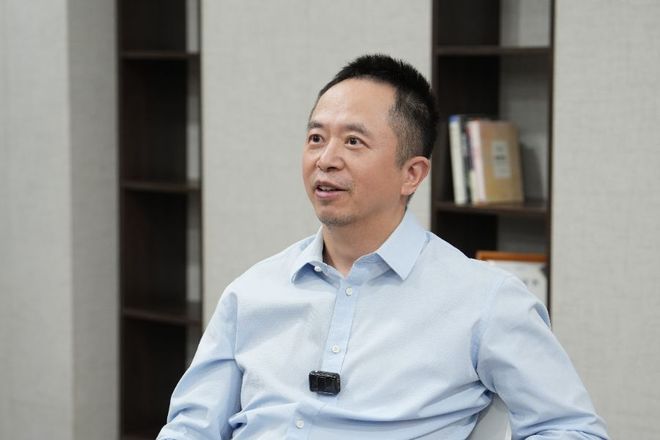
周鸿祎,最新发声!
Zhong Guo Ji Jin Bao· 2026-02-27 07:29
Group 1 - The core focus of Zhou Hongyi, founder of 360, during the National People's Congress is on AI empowerment in security, the implementation of AI in China, and how enterprises and individuals can quickly utilize AI [2][3] - Zhou emphasizes the importance of AI agents, citing examples like Anthropic, which can address security issues through AI programming and vulnerability detection [2] - The development of reasoning computing power is highlighted as having unlimited potential, while training computing power still has room for growth [2] Group 2 - Zhou advocates for a shift in national industrial policy towards reasoning chips, which are strategically important and should not solely focus on high-end training chips like those from Nvidia [2] - The necessity for private deployment of AI models and agents within companies is stressed, as local computing power is essential for affordability and practicality [2] - Zhou points out that AI assistants are currently being used broadly, but there is a need for more specialized AI agents that can deliver direct value to enterprises, encouraging them to pay for such services [3]

美股软件龙头大涨,高盛:软件反弹潮未止!拓维信息涨停,软件ETF汇添富(159590)大涨超2%!黄仁勋重磅发声
Xin Lang Cai Jing· 2026-02-27 05:30
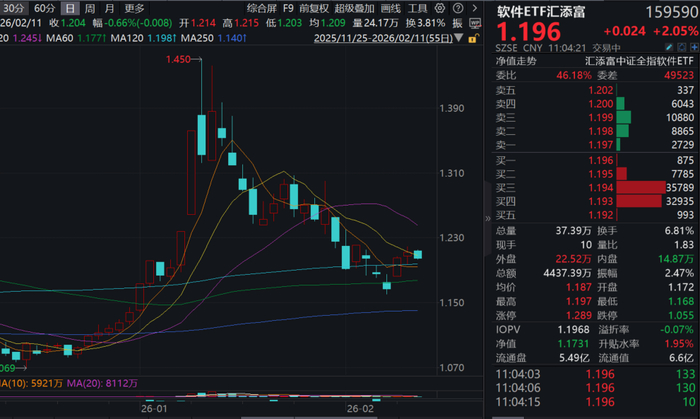
Group 1 - Salesforce, a leading software company, saw its stock rise over 4% after its earnings report, contributing to a strong rebound in the A-share software sector, with the software ETF Huatai (159590) increasing by over 2% and trading volume exceeding 50 million yuan [1][2] - Major component stocks of the software ETF showed positive performance, with Shunwang Technology rising over 11%, Tuo Wei Information hitting the daily limit, and Runhe Software increasing by over 6% [3] - The trading data for key stocks in the software sector indicates significant gains, with Tuo Wei Information at 10% increase and a transaction volume of 3.037 billion yuan, while Runhe Software and Shunwang Technology also reported substantial trading volumes [4] Group 2 - Multiple institutions believe that the recent decline in the software industry was excessive, and a rebound is likely to continue. Main Street Research's CIO noted that the software sector's sell-off has reached a bottom, while Goldman Sachs indicated that the recent rebound could persist despite high short-selling levels [5] - The AI model usage in China has surged, surpassing that of the U.S. for the first time, with a record 4.12 trillion tokens called in a week, indicating a strong growth momentum in the Chinese AI sector [6] - HSBC's report titled "Software Will Eat AI" argues that software will not be threatened by AI but will instead be the key means for large enterprises to leverage AI effectively. The report emphasizes that traditional software giants will lead in developing the best AI software due to their deep domain expertise and established customer trust [7][8] Group 3 - HSBC predicts that 2026 will mark the beginning of significant monetization in the software industry, which is currently undervalued. The report suggests that the total addressable market for software is on the verge of a large-scale expansion cycle [8] - Zhongyou Securities anticipates that AI agents will become a crucial commercial application of large models, with significant deployments across various industries, indicating a shift towards specialized applications in vertical fields [9] - Dongfang Securities acknowledges the rationality behind concerns that AI models may disrupt the software industry but suggests a "K" shaped differentiation in the future, where software with unique data resources will be less threatened compared to horizontal software lacking such advantages [10]



三六零2月25日获融资买入1.82亿元,融资余额22.66亿元
Xin Lang Cai Jing· 2026-02-26 01:29
Core Viewpoint - The company 360 Security Technology Co., Ltd. has shown a mixed performance in terms of stock trading and financial results, with notable fluctuations in financing and shareholder structure [1][2]. Financing and Trading Summary - On February 25, 360's stock price decreased by 1.33%, with a trading volume of 2.007 billion yuan. The financing buy-in amount was 182 million yuan, while the financing repayment was 202 million yuan, resulting in a net financing outflow of 19.81 million yuan [1]. - As of February 25, the total balance of margin trading for 360 was 2.273 billion yuan, with the financing balance at 2.266 billion yuan, accounting for 2.57% of the circulating market value, which is above the 70th percentile of the past year [1]. - In terms of securities lending, 360 repaid 4,500 shares and sold 67,600 shares on February 25, with a selling amount of 851,100 yuan. The remaining securities lending volume was 572,700 shares, with a balance of 7.2101 million yuan, exceeding the 90th percentile of the past year [1]. Financial Performance Summary - For the period from January to September 2025, 360 reported a revenue of 6.068 billion yuan, representing a year-on-year growth of 8.18%. However, the net profit attributable to shareholders was -122 million yuan, although this reflects a significant year-on-year improvement of 78.88% [2]. - Since its A-share listing, 360 has distributed a total of 3.535 billion yuan in dividends, with 2.1 billion yuan distributed over the past three years [2]. Shareholder Structure Summary - As of September 30, 2025, the number of shareholders for 360 was 339,300, a decrease of 14.34% from the previous period. The average circulating shares per person increased by 16.75% to 20,630 shares [2]. - Among the top ten circulating shareholders, Hong Kong Central Clearing Limited held 134 million shares, a decrease of 7.45181 million shares from the previous period. Other notable shareholders, such as Huatai-PB CSI 300 ETF and E Fund CSI 300 ETF, also saw reductions in their holdings [2].