Workflow
CEB BANK(601818)
icon
Search documents
金十图示:2025年07月28日(周一)富时中国A50指数成分股午盘收盘行情一览:银行股走势分化,石油、煤炭、电力股走低
news flash· 2025-07-28 03:38
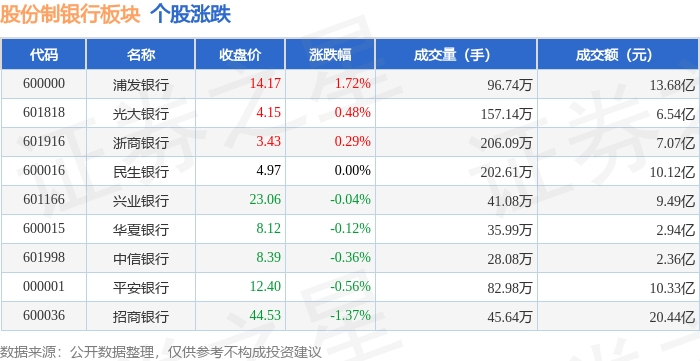
Market Overview - The FTSE China A50 Index showed mixed performance among bank stocks, while oil, coal, and electric power stocks declined [1][6] Banking Sector - Everbright Bank had a market capitalization of 242.84 billion with a trading volume of 0.38 billion, closing at 4.11, up by 0.03 (0.74%) [3] Insurance Sector - China Life Insurance had a market capitalization of 382.10 billion, with a trading volume of 1.46 billion, closing at 59.62, up by 1.12 (2.99%) [3] - China Pacific Insurance had a market capitalization of 371.44 billion, with a trading volume of 1.02 billion, closing at 38.61, up by 1.54 (2.65%) [3] - Ping An Insurance had a market capitalization of 1,085.69 billion, with a trading volume of 5.02 billion, closing at 8.64, up by 0.17 (2.01%) [3] Alcohol Industry - Kweichow Moutai had a market capitalization of 1,806.43 billion, with a trading volume of 3.41 billion, closing at 122.78, down by 16.99 (-1.17%) [3] - Shanxi Fenjiu had a market capitalization of 221.85 billion, with a trading volume of 1.14 billion, closing at 1438.01, down by 3.73 (-2.01%) [3] - Wuliangye had a market capitalization of 476.58 billion, with a trading volume of 1.31 billion, closing at 181.85, down by 0.76 (-0.62%) [3] Technology Sector - Haiguang Information had a market capitalization of 246.59 billion, with a trading volume of 1.20 billion, closing at 341.73, down by 0.23 (-0.07%) [3] - Northern Huachuang had a market capitalization of 282.22 billion, with a trading volume of 4.45 billion, closing at 674.60, up by 1.30 (0.19%) [3] - Cambricon Technologies had a market capitalization of 32.38 billion, with a trading volume of 1.79 billion, closing at 139.31, down by 2.18 (-1.54%) [3] Energy Sector - Sinopec had a market capitalization of 269.58 billion, with a trading volume of 5.34 billion, closing at 5.88, down by 0.11 (-1.27%) [3] - PetroChina had a market capitalization of 1,566.66 billion, with a trading volume of 8.05 billion, closing at 8.56, down by 0.06 (-1.08%) [3] Automotive Sector - BYD had a market capitalization of 1,846.26 billion, with a trading volume of 5.87 billion, closing at 37.78, down by 0.47 (-2.26%) [3] Securities Sector - CITIC Securities had a market capitalization of 363.53 billion, with a trading volume of 32.66 billion, closing at 29.86, up by 0.41 (2.03%) [4] Consumer Electronics - Luxshare Precision had a market capitalization of 272.89 billion, with a trading volume of 23.13 billion, closing at 28.83, up by 0.17 (0.59%) [4] Home Appliances - Gree Electric had a market capitalization of 228.16 billion, with a trading volume of 10.44 billion, closing at 25.72, down by 0.09 (-0.19%) [4] Pharmaceutical Sector - Heng Rui Medicine had a market capitalization of 404.93 billion, with a trading volume of 4.53 billion, closing at 48.52, up by 4.61 (8.17%) [4]
固收专题报告:信用赎回可控,把握波段机会
CAITONG SECURITIES· 2025-07-28 03:23
1. Report Industry Investment Rating - No information provided in the content 2. Core Views of the Report - Anti - involution policies affect commodity prices, shock the market's inflation expectations, and cause a significant adjustment in the bond market. Credit bond yields rise with interest rates, and most credit spreads widen, with secondary and perpetual (二永) bonds showing large fluctuations and high spread increases. Fund companies with the most unstable liability ends sell significantly, while insurance companies increase their buying efforts, and bank wealth management remains relatively stable. The trading enthusiasm for medium - and long - term bonds such as urban investment bonds, industrial bonds, and 二永 bonds remains high [2]. - It is too early to worry about negative feedback, with a very low probability. Market learning has improved the ability to respond, and there has been no change in macro - expectations. Moreover, bank wealth management's increasing consideration of liquidity in its configuration can prevent negative feedback [3]. - The asset shortage pattern remains unchanged and may even intensify. Interest rates may have short - term adjustments but do not support continuous and significant adjustments. Once interest rates stabilize, credit is likely to stabilize. After the market adjustment, it will be more difficult to further compress credit spreads compared to previous lows, and credit spreads are more likely to fluctuate. Investors need to seize phased trading opportunities [4]. - Investors should focus on coupon - bearing assets, and consider both coupon and trading operations for long - term bonds. For trading strategies, medium - and long - term 二永 bonds are recommended; for allocation strategies, sinking investment in urban investment bonds is still recommended. Wait for trading opportunities for ultra - long - term bonds [5]. 3. Summary by Relevant Catalogs 3.1 Market Review: Significant Correction, Noticeable Widening of 二永 Bond Spreads 3.1.1 Market Performance - This week, the credit bond market significantly corrected, and credit spreads widened. The stock market strengthened, and the bond market significantly corrected. Credit bond yields generally rose, especially for medium - and long - term 二永 bonds, which increased by over 10bp, with the 10Y 二永 bond correcting by up to 14.5bp. Most credit spreads widened, with 二永 bonds seeing more significant increases, while spreads of some medium - and long - term notes, enterprise bonds, and urban investment bonds of certain grades slightly narrowed [10]. - From a daily perspective, urban investment bond yields generally rose, with the adjustment amplitude first increasing and then decreasing, reaching a daily correction high on Thursday. From Monday to Tuesday, long - term 二永 bonds led the yield increase, but the overall amplitude was relatively small. From Wednesday to Thursday, the yield increase continued to expand, with long - term 二永 bonds correcting by over 5bp on Thursday and short - term bonds increasing by about 4bp. The long - and short - term yields of urban investment bonds and medium - term notes also increased by 3.5bp - 5bp. On Friday, the market continued to decline, but the amplitude narrowed. Credit spreads showed a divergent trend. Affected by the different adjustment speeds of credit bonds and interest - rate bonds, the spreads of 二永 bonds, known as "interest - rate amplifiers," generally widened, while the spreads of less - liquid urban investment bonds and medium - term notes were still slightly compressed in the early stage and widened on Friday [16]. 3.1.2 Insurance Continues to Allocate, Funds Sell on a Large Scale - Insurance companies' credit bond allocation remains strong. This week, insurance companies continued to be net buyers, with a net buying scale of 12.563 billion yuan, a 38.7% increase from the previous week. The net buying volume of ultra - long - term credit bonds over 5 years was 6.75 billion yuan, with the increase intensity remaining basically the same as last week [18]. - Funds sold credit bonds significantly this week, with a selling scale of 22.578 billion yuan. The net selling volume within 5Y was 12.738 billion yuan, and the net selling volume over 5Y was 7.474 billion yuan [18]. - Bank wealth management scale slightly increased. As of July 20, the bank wealth management scale was 31.02 trillion yuan, an increase of 0.06 trillion yuan from the previous weekend. This week, the net buying scales of wealth management and other product categories for credit bonds were 15.301 billion yuan and 13.078 billion yuan respectively, with month - on - month changes of 15.80% and 39.13% [21][22]. 3.1.3 Transaction Proportion: Decrease in Low - Rating Transaction Proportion - The transaction proportion of urban investment bonds, industrial bonds, and 二永 bonds with a remaining term of over 3 years was 30%, 29%, and 72% respectively, indicating that the transaction proportion of medium - and long - term bonds remained high. For urban investment bonds, the proportion of transactions under 3 years remained basically the same as last week, with the 3 - 5Y transaction proportion decreasing by 2 percentage points and the over - 5Y proportion increasing by 2 percentage points. For industrial bonds, the proportion of transactions within 1 year decreased by 1 percentage point, the 1 - 3Y proportion decreased by 2 percentage points, and the 3 - 5Y proportion increased by 3 percentage points. For 二永 bonds, the proportion of transactions within 1 year decreased by 1 percentage point, the 1 - 3Y proportion increased by 2 percentage points, and the 3 - 5Y proportion decreased by 3 percentage points [28]. - The proportion of low - rating transactions of non - financial credit bonds decreased this week. The proportion of transactions of urban investment bonds with a rating of AA(2) and below decreased by 1 percentage point from last week, the proportion of industrial bonds with a rating of AA and below decreased by 1 percentage point month - on - month, and the proportion of 二永 bonds with a rating of AA and below decreased by 3 percentage points from last week [29]. 3.2 Market Outlook: Redemption is Controllable, Seize Trading Opportunities 3.2.1 Redemption is Controllable, Seize Trading Opportunities - Reasons for market adjustment: With the continuous implementation of anti - involution policies, commodity futures prices have risen significantly, affecting the market's inflation expectations. The Nanhua Industrial Products Index, which reflects commodity price trends, has also risen significantly. Historically, this index has a certain forward - looking predictive effect on PPI. By observing the term structure of interest - rate swaps, indicators such as IRS FR007 5 - year - 1 - year and 1 - year - FR007 have quickly turned positive, indicating a change in the market's inflation expectations [31][33]. - Regarding the concern of negative feedback: It is too early to worry about negative feedback, with a very low probability. Market adjustments in September 2024 and March 2025 were more significant than the current one, but no obvious negative feedback occurred. The key lies in the increasing consideration of liquidity in bank wealth management's configuration. Since April this year, the absolute amount and proportion of inter - bank certificate of deposit (NCD) allocation have been at historically high levels, enabling wealth management to handle market fluctuations. As long as bank wealth management remains stable, the key link of market negative feedback can be stopped [38][40]. - Analysis of tight funds: The funding situation tightened on Thursday this week, leading to a higher market adjustment amplitude. The tightening on Thursday may be due to banks' liability - side issues. From the perspective of large banks' deposit - loan spreads, the deposit - loan spreads of large banks generally decline seasonally in July. After the significant reduction of deposit interest rates in May, large banks face the pressure of term - deposit maturity transfer, resulting in relatively large liability pressure. A low deposit - loan spread means reduced stability of funding rates, which are more dependent on the central bank's liquidity injection. Any daily misalignment in the central bank's liquidity injection can significantly impact funding rates [41][42]. - Future trends: The asset shortage pattern remains unchanged and may even intensify. Interest rates may have short - term adjustments, but the current macro - environment does not support continuous and significant interest - rate adjustments. The impact of anti - involution policies on inflation expectations has been fully priced in the short term through the significant rise in commodity prices. For credit bonds, it will be more difficult to further compress credit spreads below previous lows this year. Credit spreads are more likely to fluctuate, and investors need to seize phased small - band opportunities [50][56]. 3.2.2 Science and Technology Innovation Bonds Continue to Contribute Net Financing to the Market - In July, non - financial credit bond financing performed well, with the net financing exceeding the levels of the same month in the previous two years, reaching 347.9 billion yuan. The supply of long - term credit bonds has increased. Recently, the sentiment for extending the duration of credit bonds has been positive. Although the issuance duration in July has decreased month - on - month, there is still room for extending the duration [57][59]. 3.3 What to Buy in Credit? 3.3.1 Focus on High - Grade 二永 Bonds for Trading, Weak - Quality Urban Investment Bonds for Coupon - The price - comparison of short - term 二永 bonds is positive, while that of medium - and long - term 二永 bonds is negative. Considering different investor needs, high - grade trading strategies are recommended to focus on 二永 bonds, and low - grade coupon strategies are recommended to focus on urban investment bonds. This week, the price - comparison advantage of short - term AAA second - tier capital bonds over medium - term notes remained positive, and the price - comparison of long - term AAA second - tier capital bonds with medium - term notes fluctuated around 0. The price - comparison of short - term urban investment bonds with medium - term notes is positive, and the price - comparison of long - term low - grade urban investment bonds has quickly recovered to the historical central level. Urban investment bonds still have a price - comparison advantage over medium - term notes, but the difference is not significant. Considering the bond - selection scope, urban investment bonds are still preferred [62][64]. 3.3.2 General Credit Coupon is More Advantageous - Currently, the proportion of urban investment bonds with a valuation above 2.3% is 19.8%, that of non - financial industrial bonds is 10.8%, and that of 二永 bonds is 6.8%. From the perspective of coupon - based bond selection, general credit offers a wider bond - selection space. For urban investment bonds, investors can consider both coupon and trading operations for the long - term, and can continue to participate in short - term high - coupon varieties. For industrial bonds, investors can focus on important local state - owned real - estate enterprises among real - estate developers, such as Shoukai and Jianfa Real Estate; among non - real - estate entities, focus on China Minsheng Bank, Jizhong Energy, and Bohai Bank [68][72]. 3.3.3 Statistics of Primary Issuance - Relevant data shows the weekly net financing and cumulative net financing of various credit bonds, including urban investment bonds, industrial bonds, 二永 bonds, and other financial bonds from December 30, 2024, to July 27, 2025 [77]. 3.3.4 Details of Secondary Valuation Changes - No detailed information provided in the content
13家公司重要股东开启增持模式 累计增持14.71亿元(附股)
Summary of Key Points Core Viewpoint - In the recent five trading days (July 21 to July 25), significant shareholder activities were observed, with 13 companies experiencing share increases totaling 341 million shares and an aggregate investment of 1.471 billion yuan, while 127 companies saw a total reduction of 7.589 billion yuan in shares [1]. Group 1: Shareholder Activities - A total of 13 companies had significant shareholder increases, with the highest increase from Everbright Bank, which saw 264 million shares added, amounting to 1.118 billion yuan [1]. - Ansteel Corporation followed with an increase of 31.93 million shares and an investment of 76.82 million yuan [1]. - The third highest increase was for Jerry Holdings, with a total increase of 5.85 million yuan [1]. Group 2: Sector Distribution - The majority of shareholder increases were concentrated in the main board, with a total increase of 1.471 billion yuan [1]. - Key industries with significant shareholder increases included basic chemicals and machinery equipment, each contributing three companies to the list [1]. Group 3: Market Performance - The average increase for stocks with shareholder increases over the past five days was 3.65%, outperforming the Shanghai Composite Index during the same period [1]. - Notable gainers included Kailong Co., with a rise of 14.81%, Liugong, with an increase of 9.85%, and Dongpeng Holdings, which rose by 7.38% [1]. - Conversely, Shanghai Bank and Everbright Bank experienced declines of 5.71% and 3.29%, respectively [1]. Group 4: Fund Flow and Performance Forecast - In terms of fund flow, stocks with shareholder increases saw significant net outflows, particularly from Liugong and Shanghai Bank, with outflows of 380 million yuan and 168 million yuan, respectively [2]. - Among the stocks with significant shareholder increases, five companies released half-year performance forecasts, with three expecting profit increases. An Tong Holdings projected a net profit of 515 million yuan, reflecting a year-on-year increase of 234.42% [2].
一周银行速览(7.18—7.25)
Cai Jing Wang· 2025-07-25 12:29
Regulatory Voice - The People's Bank of China and the Ministry of Agriculture and Rural Affairs issued an opinion to enhance financial services for rural reforms and promote comprehensive rural revitalization, focusing on meeting the financial needs of new urban residents in housing, education, healthcare, and elderly care [1] Industry Focus - The average deposit interest rates for banks have decreased, with the 3-month term falling to 0.949%, a drop of 5.5 basis points from May. Other terms also saw declines, with the 6-month term at 1.156%, 1-year at 1.287%, 2-year at 1.372%, 3-year at 1.695%, and 5-year at 1.538% [3] Corporate Dynamics - The Trading Association is conducting a self-regulatory investigation into Guangfa Bank for suspected price manipulation during the issuance of secondary capital bonds [4] - Hongkang Life Insurance has increased its stake in Zhengzhou Bank to 8.04% after three rounds of purchases, investing nearly 800 million HKD [5] - CITIC Financial Assets has raised its stake in Everbright Bank from 7.08% to 8.00%, acquiring a total of 264 million A-shares and 279 million H-shares [6][7] - China Bank appointed Yang Jun as vice president, pending approval from the National Financial Regulatory Administration [8] - Agricultural Bank confirmed the appointment of Wang Dajun as vice president after receiving regulatory approval [9] - Minsheng Bank announced the retirement of vice president Shi Jie and the appointment of Li Wenshi as his successor, effective upon regulatory approval [10]
AMC重仓银行股:“坏账银行”转身“白衣骑士”
Core Viewpoint - Asset Management Companies (AMCs) are increasingly active in the Chinese banking equity market, taking on the role of "white knights" to support listed banks through strategic investments and governance participation [1][2][3] Group 1: AMC Activities in Banking - Recent activities include CITIC Financial Asset increasing its stake in Everbright Bank from 7.08% to 8.00% and in Bank of China from 17.32% to 18.02% [2][3] - China Cinda Asset converted 11.785 billion yuan of SPDB convertible bonds into 912 million A-shares, becoming one of the top ten shareholders of SPDB [4] - China Great Wall Asset has nominated executives to serve as non-executive directors at Minsheng Bank, enhancing its governance role [1][4] Group 2: Evolution of AMC's Role - AMCs have transitioned from "bad debt banks" in the 1990s to strategic investors in the banking sector, reflecting a shift from policy-driven missions to market-oriented investments [1][5] - The current strategy of AMCs emphasizes both financial returns and the optimization of financial resource allocation [1][5] Group 3: Market Dynamics and Regulatory Environment - The tightening of shareholder qualification requirements and regulations on related party transactions has created a favorable policy environment for AMCs to enter the banking sector [8] - The average price-to-book ratio of A-share banks has remained low at 0.6, making bank stocks attractive for AMCs seeking stable dividend income [8][9] Group 4: Financial Performance and Strategic Needs - Traditional bad debt disposal business for AMCs is declining, prompting a shift towards bank equity investments for stable income and improved financial reporting [10] - CITIC Financial Asset reported a net profit of 9.618 billion yuan in 2024, a 440% increase from the previous year, highlighting the financial benefits of its investment strategy [10] Group 5: Collaborative Synergies - AMCs are deepening their cooperation with banks by participating in governance and risk management, which enhances the overall stability of the financial system [11] - The involvement of AMCs in bank governance helps to break internal control issues and reduce related party transaction risks [11] Group 6: Challenges and Future Considerations - Long-term success of AMC investments in banks must align with their functional positioning rather than purely commercial interests [12] - Regulatory frameworks need to ensure that AMC participation in banking governance is both effective and transparent [12]
金十图示:2025年07月25日(周五)富时中国A50指数成分股今日收盘行情一览:盘面整体跌多涨少,银行、石油、煤炭等板块表现低迷
news flash· 2025-07-25 07:07
Market Overview - The FTSE China A50 Index showed a predominantly declining trend with more stocks falling than rising, particularly in the banking, oil, and coal sectors [1][6]. Banking Sector - Everbright Bank had a market capitalization of 241.07 billion with a trading volume of 716 million, closing at 4.08, down by 1.21% [3]. - Major banks like China Ping An, China Pacific Insurance, and China Life Insurance had market capitalizations of 374.58 billion, 360.67 billion, and 1,057.65 billion respectively, with trading volumes of 1.962 billion, 789 million, and 2.959 billion [3]. Oil Sector - China Petroleum and China Sinopec had market capitalizations of 1,586.79 billion and 722.62 billion respectively, with trading volumes of 1.598 billion and 996 million, both showing slight declines [3]. Coal Sector - China Shenhua and Shaanxi Coal had market capitalizations of 763.55 billion and 201.27 billion respectively, with trading volumes of 1.049 billion and 905 million, both experiencing declines [3]. Semiconductor Sector - Northern Huachuang, Cambrian, and Haiguang Information had market capitalizations of 246.76 billion, 281.68 billion, and 328.87 billion respectively, with trading volumes of 5 billion, 2.105 billion, and 8.133 billion, showing positive trends for Cambrian and Haiguang [3]. Alcohol Industry - Kweichow Moutai, Shanxi Fenjiu, and Wuliangye had market capitalizations of 1,827.77 billion, 226.40 billion, and 479.53 billion respectively, with trading volumes of 6.140 billion, 1.609 billion, and 2.285 billion, all showing declines [3]. Electric Power Sector - Changjiang Electric Power had a market capitalization of 191.69 billion with a trading volume of 2.910 billion, showing a slight increase [4]. Securities Sector - CITIC Securities, Ningde Times, and Guotai Junan had market capitalizations of 440.17 billion, 361.23 billion, and 1,289.37 billion respectively, with trading volumes of 3.625 billion, 2.769 billion, and 3.803 billion, with CITIC Securities showing a decline [4]. Consumer Electronics - Industrial Fulian, Luxshare Precision, and Dongfang Fortune had market capitalizations of 569.17 billion, 277.97 billion, and 379.14 billion respectively, with trading volumes of 11.391 billion, 3.082 billion, and 3.138 billion, with mixed performance [4]. Chemical and Pharmaceutical Sector - Heng Rui Pharmaceutical, Muyuan Foods, and SF Holding had market capitalizations of 265.38 billion, 242.76 billion, and 374.34 billion respectively, with trading volumes of 2.874 billion, 1.963 billion, and 1.074 billion, showing varied performance [4].
银行“新规”出台后,这“2类”业务被叫停,多家银行已行动
Sou Hu Cai Jing· 2025-07-25 06:41
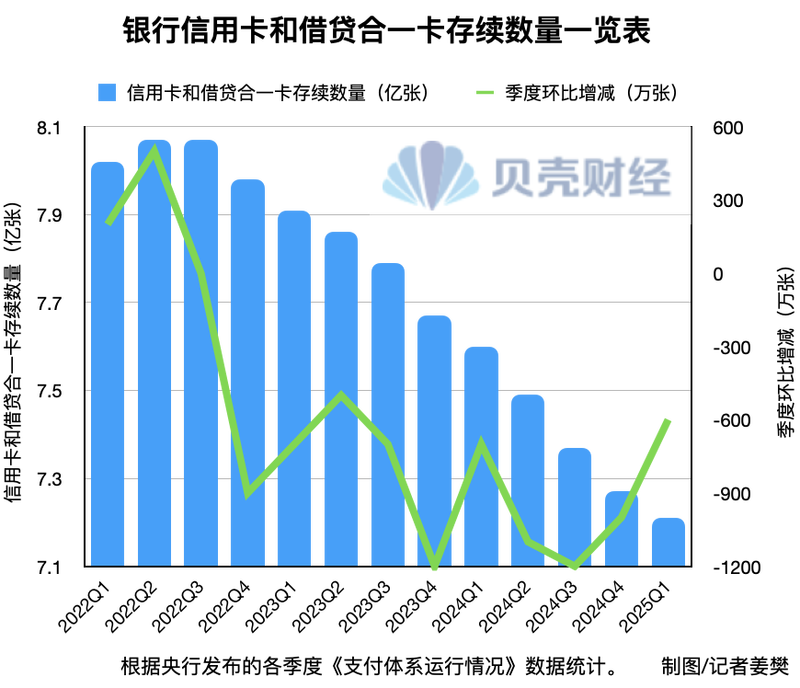
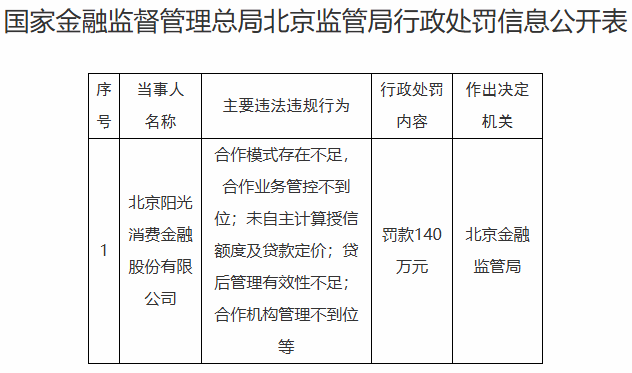
Core Viewpoint - The Chinese financial industry is undergoing a profound transformation driven by new regulatory measures aimed at tightening monetary policy and mitigating systemic financial risks, particularly in the areas of internet lending and shadow banking [1][4]. Group 1: Regulatory Changes - The People's Bank of China (PBOC) issued guidelines on July 15 to strengthen financial risk prevention, marking a new phase of tightened monetary policy [1]. - New regulations significantly increase the required contribution of banks in joint lending from 30% to 70%, effectively reducing the leverage of internet platforms [2]. - The regulations also target shadow banking, which had a scale of approximately 25.3 trillion yuan at the end of 2024, accounting for 19.7% of GDP [4]. Group 2: Impact on Financial Institutions - Major banks like Industrial and Commercial Bank of China (ICBC) and China Construction Bank are adjusting their strategies, with ICBC halting joint lending with 10 internet platforms [2]. - Smaller banks are particularly affected, with internet loan income constituting an average of 17.3% of their operating revenue, and some exceeding 30% [5]. - Banks are responding by tightening their investment in non-standard assets and focusing on compliance and risk management [4][5]. Group 3: Long-term Outlook - The adjustments are expected to lead to a healthier and more sustainable financial ecosystem, with improved transparency in fund flows and more reasonable risk pricing [5]. - Analysts predict that the overall non-performing loan ratio in the banking sector will decrease to around 1.2% by 2026 following the adjustment period [5]. - The regulatory changes are part of a broader systemic effort to reduce financial leverage and prevent risks, with 23 significant policy documents issued since 2021 [4][5]. Group 4: Balancing Act - The new regulations reflect the regulatory authorities' commitment to balancing financial openness with risk prevention amid increasing global economic uncertainties [7]. - The adjustment process is expected to be ongoing, requiring adaptation from all market participants [7].
大手笔!中信金融资产22.25亿元增持光大银行,银行股年内频获增持
Hua Xia Shi Bao· 2025-07-25 01:00
Core Insights - CITIC Financial Asset has significantly increased its stake in Everbright Bank, raising its shareholding from 7.08% to 8.00% through the acquisition of 0.92% of shares, amounting to approximately 2.225 billion RMB [2][4] - The investment plan announced in November aims to optimize investment strategies with a total investment scale not exceeding 50.3 billion RMB, including up to 26 billion RMB for Bank of China and 4 billion RMB for Everbright Bank [3] - The trend of asset management companies (AMCs) increasing their stakes in national banks while reducing their holdings in local banks reflects a strategic resource reallocation based on market conditions [2][6] CITIC Financial Asset's Investment Strategy - CITIC Financial Asset, established in 1999, aims to maximize shareholder value through a comprehensive investment strategy that includes increasing stakes in banks [3] - The company has been actively expanding its investment scale, with a new asset management plan of up to 60 billion RMB launched in February 2024, investing in various companies [5] - The growth in equity investment has been a major driver of profit, with a reported net profit of 9.618 billion RMB in 2024, a 5.4-fold increase from 2023 [5] Market Trends and AMC Activities - Several AMCs have been increasing their stakes in national banks, with notable examples including Changcheng Asset acquiring over 3% of Minsheng Bank and China Cinda converting its holdings in Pudong Development Bank [6][7] - The overall trend shows that while AMCs are increasing their investments in national banks, they are divesting from local banks, aligning with regulatory guidance to focus on core business areas [7][8] - The banking sector has seen a strong performance, with many listed banks achieving significant stock price increases, indicating a favorable market environment for investments in national banks [6][7]
AMC频频增持银行股 财务、政策与战略协同是主因
Core Viewpoint - The recent increase in shareholding by asset management companies (AMCs) in listed banks is seen as a recognition of the value of bank stocks, which can boost market confidence and support stock prices [1][3]. Group 1: Reasons for Increased Holdings - AMCs have increased their holdings in banks for three main reasons: financial synergy, policy alignment, and strategic collaboration [3]. - Financially, bank stocks are characterized by low valuations and high dividends, aligning with AMCs' need for "stable assets" [3]. - Policy-wise, the transfer of AMC shares to the Central Huijin Investment Ltd. aligns their actions with the mission to stabilize the capital market [3]. - Strategically, AMCs and banks can create a closed loop of "bad asset disposal + capital replenishment," enhancing cooperation through supply chain finance [3]. Group 2: Specific Holdings and Transactions - China CITIC Financial Asset Management Co., Ltd. increased its stake in Everbright Bank from 7.08% to 8.00% by acquiring approximately 263.6 million A-shares and 279.1 million H-shares [2]. - The total investment plan announced by CITIC Financial Asset includes 50.3 billion yuan, with allocations for purchasing shares in multiple banks [2]. Group 3: Convertible Bonds as a Method of Investment - AMCs are also utilizing convertible bonds to increase their stakes in banks, as seen with the conversion of 117.85 million convertible bonds into shares of Shanghai Pudong Development Bank [4]. - This method is viewed as an innovative integration of risk mitigation and capital replenishment, benefiting both banks and AMCs [4]. Group 4: Overall Implications - The trend of AMCs increasing their stakes in banks reflects a dual outcome of transformation needs and policy guidance, optimizing asset allocation for AMCs while aiding banks in capital replenishment [5].
7月24日晚间重要公告一览
Xi Niu Cai Jing· 2025-07-24 10:25
Group 1 - Leshan Electric achieved operating revenue of 1.623 billion yuan, a year-on-year increase of 1.94%, and a net profit of 7.9031 million yuan, a year-on-year decrease of 14.55% [1] - Zhimingda reported operating revenue of 295 million yuan, a year-on-year increase of 84.83%, and a net profit of 38.3 million yuan, a year-on-year increase of 2147.93% [2] - Dahu Co. reported operating revenue of 426 million yuan, a year-on-year decrease of 14.40%, and a net loss of 2.5716 million yuan, an improvement from a loss of 13.7824 million yuan in the same period last year [3] - Yubang Electric expects a net profit of 21.2 million to 25 million yuan, a year-on-year decrease of 35.47% to 45.28% [4] - Zhejiang Securities achieved operating revenue of 6.512 billion yuan, a year-on-year decrease of 18.60%, and a net profit of 1.149 billion yuan, a year-on-year increase of 46.54% [5] - Huashu Media reported operating revenue of 4.435 billion yuan, a year-on-year increase of 2.07%, and a net profit of 254 million yuan, a year-on-year increase of 4.63% [7] Group 2 - Sinopec reported oil and gas equivalent production of 262.81 million barrels, a year-on-year increase of 2%, and crude oil processing volume of 119.97 million tons, a year-on-year decrease of 5.3% [8] - Hengrui Medicine's subsidiary received approval for clinical trials of HRS8179, aimed at reducing brain edema after stroke [8] - Hengrui Medicine's subsidiary also received approval for clinical trials of HRS-1893, intended for treating heart failure with preserved ejection fraction [8] - Wanfu Co. announced a plan to reduce its stake by up to 2% through block trading [10] - Biological Co. received a warning letter from the Inner Mongolia Securities Regulatory Bureau for inaccuracies in financial reporting [11] - Zhujiang Co. reported a signed construction area of 47.1432 million square meters across 396 projects [13] Group 3 - Watson Bio received a patent for a peptide delivery system for RNA drugs [15] - Sanwei Chemical signed 31 new contracts worth 335 million yuan in the second quarter [17] - Shenzhou Cell's SCT640C injection received approval for clinical trials for rheumatoid arthritis [18] - Xinjiang Jiaojian reported new contracts worth 1.434 billion yuan in the second quarter [19] - Lais Information plans to use 550 million yuan of idle funds for cash management [21] - Zhongqi New Materials signed a mining rights transfer contract, increasing production capacity [22] Group 4 - Hengtong Optic-Electric won multiple marine energy projects worth 1.509 billion yuan [24] - China State Construction signed new contracts totaling 2.501 trillion yuan in the first half of the year [26] - David Medical's ventilator product registration application has been accepted [28] - Tianhai Defense's subsidiary signed a construction contract worth 16.224 million yuan [29] - Nantian Information plans to sign a procurement framework contract worth 58.27 million yuan with its controlling shareholder [31] - Baida Group announced a plan to reduce its stake by up to 3% [32] Group 5 - Jinli Permanent Magnet plans to issue $117.5 million in convertible bonds [34] - Haizheng Pharmaceutical's fumarate bedaquiline raw material drug application has been approved [36] - Huatai passed the advanced intelligent factory re-evaluation in Anhui Province [37] - Everbright Bank's shareholder increased its stake from 7.08% to 8% [40] - Supor reported total operating revenue of 11.478 billion yuan, a year-on-year increase of 4.68%, and a net profit of 940 million yuan, a year-on-year decrease of 0.07% [41] - Qianjin Pharmaceutical's subsidiaries received registration certificates for two drugs [42]