CEB BANK(601818)

Search documents
流动性观察第 122 期:当同业存款定价再自律
EBSCN· 2026-03-01 10:58
Investment Rating - The report maintains a "Buy" rating for the banking industry, indicating an expected investment return exceeding the market benchmark index by over 15% in the next 6-12 months [1]. Core Insights - The report discusses the implementation of a self-regulatory mechanism for interbank deposit pricing, which aims to manage liquidity and stabilize the banking sector's cost of liabilities. The focus has shifted from merely controlling the scale of interbank liabilities to regulating pricing behavior [4][5][6]. - The introduction of self-regulation for non-bank interbank demand deposit rates is expected to enhance the efficiency of monetary policy transmission and alleviate pressure on bank interest margins [6][9]. - The report highlights the historical evolution of interbank liability management, emphasizing the transition from risk prevention to cost control, and outlines the regulatory framework established over the past decade [4][5][6]. Summary by Sections Regulatory History Review - The regulatory framework for interbank liabilities has evolved through three main phases: establishing a risk prevention framework, deepening regulation to reduce leverage and prevent fund turnover, and focusing on cost control through pricing management [4][5][6]. Cost Management of Interbank Liabilities - The report notes that the cost of interbank liabilities remains relatively high, with significant room for further reduction. The average cost of interbank liabilities for state-owned banks was reported at 2.01%, compared to 1.52% for deposits, indicating a 48 basis point spread [13][20]. - The report emphasizes the need for enhanced management of interbank deposit pricing, particularly for time deposits, which currently do not fall under self-regulatory constraints [20][21]. Future Pathways for Self-Regulation - The report suggests that future regulatory measures may include setting upper limits on the scale of interbank demand deposits priced above self-regulatory levels and implementing self-regulation for time deposit rates [22][25]. - Preliminary estimates indicate that the self-regulation of interbank time deposits could lead to a reduction in interest expenses for banks, improving net interest margins by approximately 2 basis points [25][29]. Impact on Wealth Management Products - The report assesses the impact of interbank deposit self-regulation on wealth management products, indicating that the influence on net asset values is relatively limited due to the diverse nature of interbank deposit configurations [34][37]. - It highlights that wealth management products will continue to maintain a strong allocation to deposit-like assets, with expected fluctuations in allocation ratios [34][37].



21家系统重要性银行名单出炉:5家城商行入围
Zhong Guo Jing Ying Bao· 2026-02-27 18:53
Core Viewpoint - The People's Bank of China and the National Financial Regulatory Administration have released a list of 21 systemically important banks in China, which includes 5 city commercial banks, aiming to enhance macro-prudential management and regulatory oversight [1][7]. Group 1: Regulatory Requirements - The selected banks will face higher regulatory requirements, including increased capital thresholds ranging from 0.25% to 1.5% in additional capital requirements, which must be in the form of core Tier 1 capital [3][6]. - The banks will also need to develop detailed recovery and resolution plans (RRP), enhancing their governance, risk management, and data governance capabilities [3][4]. Group 2: Impact on Banking Operations - The operational behaviors of the selected banks will be scrutinized more closely, focusing on their business scale, complexity, interconnections, and substitutability to prevent risk concentration [4][5]. - The inclusion in the list will drive internal management upgrades, requiring banks to invest in risk measurement, stress testing, data aggregation, and corporate governance [4][10]. Group 3: Market Perception and Financing Costs - Inclusion in the list may enhance the market reputation and customer confidence of the banks, but the higher regulatory demands could impact their profitability metrics in the short term [6][8]. - The dynamic nature of the assessment system suggests that more qualifying small and medium-sized banks may enter the list in the future, depending on their operational behaviors [8][9]. Group 4: Governance and Risk Culture - Strengthening corporate governance and risk culture is essential, with a focus on establishing effective boards and risk management committees within the systemically important banks [10]. - The effectiveness of macro-prudential management relies on a comprehensive regulatory framework that includes identification, monitoring, and resolution processes [10].





“欠款1000万亿”受害者工厂将拍卖,银行三万元补偿够吗?
Guan Cha Zhe Wang· 2026-02-27 11:04
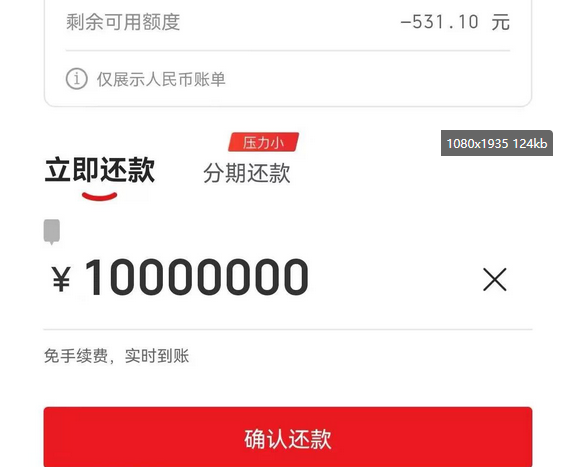
Core Viewpoint - The article highlights a significant issue faced by a small clothing manufacturer in Zhongshan, Guangdong, due to a credit reporting error that led to a severe liquidity crisis and potential judicial auction of the business [1][3][10]. Group 1: Credit Reporting Error - The credit reporting issue originated from a bank system error that incorrectly marked the business owner, Mr. Qin, as having a debt of 10 trillion yuan, severely impacting his creditworthiness and ability to secure loans for 28 months [1][4][9]. - Despite the error being corrected, the damage to the business's operations was irreversible, leading to a liquidity crisis and forced asset liquidation [3][9]. Group 2: Financial Impact and Legal Dispute - Mr. Qin's attempts to maintain business operations included changing the company’s legal representative and selling inventory at a loss, but these measures did not alleviate the financial pressure [3][9]. - The involved bank and payment platform have not reached an agreement on responsibility and compensation, with the bank offering only 30,000 yuan in compensation against Mr. Qin's claim of 2 million yuan for losses incurred [3][10][15]. Group 3: Systemic Issues in Financial Services - The incident exposes weaknesses in the credit correction mechanisms and financial services for small and micro enterprises, raising concerns about compliance and risk management within financial institutions [3][10]. - The ongoing dispute over liability highlights the challenges in attributing responsibility for the credit reporting error, with the payment platform blaming the bank for the data source while the bank remains vague about the error's cause [10][15].

服务超5000万人次!“光大云缴费”全力保障春节线上便民服务
Sou Hu Cai Jing· 2026-02-27 09:55
Core Viewpoint - During the Spring Festival, the "Everbright Cloud Payment" platform ensured smooth and secure operation of various public services, processing over 50 million transactions worth 9 billion yuan [1] Group 1: Service Performance - Over the 9-day holiday, "Everbright Cloud Payment" facilitated more than 50 million payment transactions for services such as water, electricity, gas, social security, park tickets, and property management, totaling 9 billion yuan [1] - The platform achieved a transaction processing time of less than 100 milliseconds, maintaining a high efficiency with an error rate below one in ten thousand [1] Group 2: Digital Initiatives - To boost consumer spending, "Everbright Cloud Payment" launched New Year activities such as "Welcoming the New Year" and "Happy Red Packet Draw" during the Spring Festival [1] - The platform has integrated 19,900 online payment collection projects and collaborates with 910 partner platforms, including digital RMB App, WeChat, and Alipay [1] Group 3: Future Outlook - The company aims to enhance the quality and efficiency of its digital public service offerings, continuing to support the real economy and improve the lives of citizens [1]
银行业从“吃息差”到“赚中收”
Jing Ji Wang· 2026-02-27 02:48
Core Viewpoint - Banks are focusing on enhancing wealth management and comprehensive financial services capabilities to optimize revenue structure and address net interest margin pressure by 2026 [1][2][3] Group 1: Wealth Management Focus - Multiple banks have emphasized the importance of increasing the contribution of middle-income (中收) from wealth management and other services in their 2026 work meetings [2] - Wealth management is recognized as a key driver for middle-income growth, reflecting its increasing significance in the overall banking operational framework [2][3] - Adjustments in retail assessment indicators have been made, with a decrease in deposit-related metrics and an increase in sales tasks for wealth management products [2] Group 2: Profitability Transformation - The continuous pressure on net interest margins is pushing banks to transform their profit models from interest-dependent to diversified and balanced structures [3] - The latest data shows that the net interest margin for commercial banks was 1.42% in Q4 2025, indicating a stable yet historically low level, with ongoing downward pressure expected [3] - Banks are encouraged to adjust their business structures across assets, liabilities, and intermediary services to maintain reasonable profitability levels [3] Group 3: Digital Transformation - "Digital intelligence" has emerged as a key theme in the 2026 work meetings, serving as a major driver for the growth of wealth management services [5][6] - Banks are focusing on cost reduction and efficiency improvement through the integration of AI technologies to enhance business processes and service models [5] - Enhanced data analysis and AI applications in wealth management are aimed at providing personalized asset allocation services and attracting younger customer segments [6]

“光大云缴费”全力保障马年春节假期,线上便民服务超5000万人次
Sou Hu Cai Jing· 2026-02-27 01:54
Core Viewpoint - During the Spring Festival, China Everbright Bank's "Everbright Cloud Payment" platform ensured smooth and secure operation of various public services, processing over 50 million transactions worth 9 billion yuan [1] Group 1: Service Performance - "Everbright Cloud Payment" facilitated over 50 million payment transactions for services such as water, electricity, gas, social security, park tickets, and property management during the 9-day holiday [1] - The total service amount processed reached 9 billion yuan [1] Group 2: Consumer Engagement Initiatives - To boost consumer spending, "Everbright Cloud Payment" launched New Year activities including "Welcoming the New Year" and "Happy Red Packet Draw" during the Spring Festival [1] Group 3: Technological Advancements - The platform has enhanced its digital and intelligent service capabilities, providing 24/7 application services with transaction processing times under 100 milliseconds [1] - The operational efficiency is maintained with a low error rate of less than one in 100,000 [1] Group 4: Future Outlook - "Everbright Cloud Payment" currently connects to 19,900 online payment projects and collaborates with 910 platforms including digital RMB APP, WeChat, and Alipay, aiming to serve over 3.6 billion users by 2025 [1] - The bank plans to continue enhancing digital financial services to support the real economy and improve the quality of public services [1]
从“吃息差”到“赚中收” 银行业2026年盈利格局料重塑
Zhong Guo Zheng Quan Bao· 2026-02-26 22:35
Core Viewpoint - Banks are focusing on enhancing wealth management and comprehensive financial services to optimize revenue structure and address net interest margin pressure by 2026 [1][2][3] Group 1: Wealth Management as a Revenue Driver - Wealth management is identified as a key engine for growth in banks' non-interest income, crucial for high-quality development amid narrowing interest margins [1][2] - Several banks, including Industrial Bank and China Everbright Bank, plan to increase their focus on wealth management, transaction banking, and investment banking to boost non-interest income contributions [2] - Adjustments in retail assessment indicators reflect a shift towards prioritizing wealth management products over traditional deposit metrics [2] Group 2: Pressure on Net Interest Margin - The continuous pressure on net interest margins is driving banks to transform their profit models from interest-dependent to diversified income sources, enhancing stability and resilience [3] - As of Q4 2025, the net interest margin for commercial banks was reported at 1.42%, indicating a stable yet historically low level, with ongoing downward pressure anticipated [3] - The reliance on interest income is becoming unsustainable, prompting banks to adjust their business structures and focus on wealth management to compensate for narrowing margins [3] Group 3: Digital Transformation in Wealth Management - "Digital intelligence" is a recurring theme in banks' 2026 strategies, seen as a key driver for growth in wealth management [5][6] - Banks like China Merchants Bank are emphasizing the integration of AI and data analytics to enhance service delivery and attract younger clients through personalized asset allocation services [5][6] - The focus on digital transformation aims to improve operational efficiency and create a seamless customer experience in wealth management [6]
多家上市银行首席合规官密集“就位”
Zheng Quan Ri Bao Zhi Sheng· 2026-02-26 16:06
Core Viewpoint - The recent appointment of Chief Compliance Officers (CCOs) by multiple banks reflects a significant shift in compliance management, aligning with regulatory requirements aimed at enhancing governance and risk management in the financial sector [1][2][3] Group 1: Regulatory Changes - The National Financial Regulatory Administration has introduced the "Compliance Management Measures for Financial Institutions," mandating the establishment of CCOs at headquarters and emphasizing their direct accountability to the board [1] - The measures will take effect on March 1, 2025, with a one-year transition period, indicating a structured approach to compliance management [1] Group 2: Bank Appointments - Several banks, including Agricultural Bank of China and Bank of China, have recently announced the appointment of CCOs, highlighting a trend among listed banks to comply with new regulatory standards [2] - The appointments are seen as crucial for enhancing the independence and authority of compliance management within financial institutions [2] Group 3: Importance of Compliance Management - Compliance management is identified as a key factor for the stable operation and high-quality development of financial institutions, transitioning from passive compliance to proactive governance [2] - Experts suggest that the establishment of CCO positions will improve the effectiveness of compliance management and help mitigate risks in a complex operating environment [2][3] Group 4: Impact on Governance - The introduction of CCOs represents a significant institutional change, moving compliance from a cost center to a value center, thereby protecting long-term bank value [3] - The role of CCOs is expected to reshape corporate governance, balancing business innovation with compliance requirements, although it may initially extend decision-making processes [3]



“欠款1000万亿”男子,索赔200万
Sou Hu Cai Jing· 2026-02-26 15:33
Core Viewpoint - The case of Mr. Qin from Zhongshan, Guangdong, highlights significant issues with credit reporting and banking systems, leading to severe financial consequences for his business due to erroneous debt records [1][3]. Group 1: Background and Context - Mr. Qin, owner of Meiyu Garment Co., applied for a "Lehui Jin" quasi-credit card from Everbright Bank, which he used without any overdue payments for years [2]. - Despite a clean repayment history, Mr. Qin's credit record was marked as overdue due to a system error, affecting his ability to secure loans from multiple banks [2][7]. Group 2: Financial Impact - After being denied loans, Mr. Qin had to change the legal representative of his company to his brother and faced the potential auction of his factory due to a loan of 1.25 million yuan maturing [1][3]. - The erroneous debt record led to Mr. Qin being unable to secure loans for 28 months, forcing him to sell inventory at discounted prices to manage cash flow [7]. Group 3: Compensation and Dispute - Mr. Qin sought compensation of at least 2 million yuan for his losses, but Everbright Bank only offered around 30,000 yuan, which he deemed insufficient [2][7]. - The dispute over compensation remains unresolved, with both parties unable to agree on the amount owed [7]. Group 4: Systemic Issues - The erroneous debt of 1 trillion yuan appeared only on the Cloud Flash payment app, with Everbright Bank denying any record of such a debt in their system [3][9]. - The issue was attributed to a miscommunication between the bank and third-party platforms, leading to ongoing disputes and financial distress for Mr. Qin [3][9].

银行业2025年四季度监管数据总结:利润增速回正,息差连续两季度企稳
GF SECURITIES· 2026-02-26 14:05
Investment Rating - The industry investment rating is "Buy" [2] Core Viewpoints - The banking industry has shown a recovery in profit growth, with net profit for commercial banks increasing by 2.33% year-on-year in 2025, reflecting a quarter-on-quarter improvement of 2.35 percentage points [13][14] - The overall asset growth of commercial banks continued, with total assets increasing by 9.01% year-on-year as of Q4 2025, while loan growth slightly decreased to 7.26% year-on-year [29][30] - Net interest margin stabilized for two consecutive quarters at 1.42%, with expectations for a gradual recovery in 2026 [54] Summary by Sections Performance - The net profit of commercial banks increased by 2.33% year-on-year in 2025, with state-owned banks, joint-stock banks, city commercial banks, and rural commercial banks showing growth rates of 2.25%, -2.84%, 12.87%, and 4.57% respectively [13][14] - The return on equity (ROE) and return on assets (ROA) for commercial banks were 7.78% and 0.60%, reflecting a year-on-year decline of 0.33 percentage points and 0.03 percentage points respectively [13] Scale - Total assets of commercial banks grew by 9.01% year-on-year as of Q4 2025, with state-owned banks showing a growth rate of 10.78% [29][30] - Loan growth for commercial banks was 7.26% year-on-year, with city commercial banks experiencing a counter-cyclical increase in loan growth [29][30] Interest Margin - The net interest margin for commercial banks was stable at 1.42%, with a year-on-year decline of 10.50 basis points [54] - Expectations for 2026 indicate potential downward pressure on net interest margins in Q1, but a gradual recovery is anticipated thereafter [54] Asset Quality - The non-performing loan ratio for commercial banks was 1.50%, showing a quarter-on-quarter decrease of 2.00 basis points, while the provision coverage ratio was 205.21% [54] Capital - The core Tier 1 capital adequacy ratio for commercial banks was 10.92%, reflecting a quarter-on-quarter increase of 0.05 percentage points [54]