
Hualan Vac(301207)

Search documents
尼帕病毒“扰动” 相关板块大涨 多家公司回应
Zhong Guo Ji Jin Bao· 2026-01-27 14:54
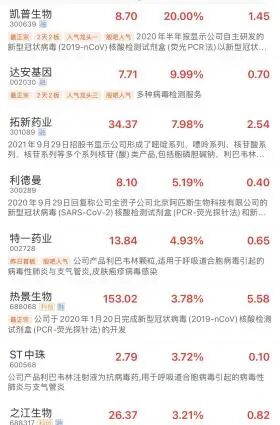
Group 1 - The Nipah virus outbreak in India has led to increased attention on related concept stocks, with several companies responding urgently to the situation [1] - Companies such as Capbio and Daan Gene have reported significant stock price increases, with Capbio rising by 20% and Daan Gene by 9.99% as of January 27 [2] - Various A-share listed companies are disclosing their technology and product layouts related to Nipah virus testing, including Wanfu Bio and Shengxiang Bio, which have developed specific testing kits [3][4] Group 2 - Capbio has developed a Nipah virus nucleic acid testing kit using fluorescence PCR technology, providing essential support for global quarantine and disease control monitoring [4] - Wanfu Bio has launched different product forms of the Nipah virus nucleic acid testing kit, compatible with its molecular POCT platform and other PCR systems [3] - Some companies, such as Hualan Biological and others, have clarified that they do not have any business related to Nipah virus vaccines or products [5][6]






华兰疫苗(301207.SZ):尚无预防尼帕病毒相关的疫苗产品
Xin Lang Cai Jing· 2026-01-27 11:36
格隆汇1月27日丨华兰疫苗(301207.SZ)公布股票交易异常波动公告,公司所处的行业为人用疫苗制造 业,主要产品为四价流感病毒疫苗,该产品用于预防因流感病毒引发的流行性感冒,目前公司尚无预防 尼帕病毒相关的疫苗产品。 ...
华兰疫苗:目前公司尚无预防尼帕病毒相关的疫苗产品
Zheng Quan Shi Bao Wang· 2026-01-27 10:52
人民财讯1月27日电,华兰疫苗(301207)1月27日公告,公司股票于2026年1月23日、2026年1月26日、 2026年1月27日连续三个交易日收盘价格涨幅偏离值累计超过30%,公司所处的行业为人用疫苗制造 业,主要产品为四价流感病毒疫苗,该产品用于预防因流感病毒引发的流行性感冒,目前公司尚无预防 尼帕病毒相关的疫苗产品。 ...
华兰疫苗:股票交易异常波动
2 1 Shi Ji Jing Ji Bao Dao· 2026-01-27 10:40
南财智讯1月27日电,华兰疫苗公告,公司股票于2026年1月23日、1月26日、1月27日连续三个交易日收 盘价格涨幅偏离值累计超过30%,构成股票交易异常波动。经公司董事会向控股股东、实际控制人书面 问询及核查确认:公司前期披露信息不存在需要更正、补充之处;未发现近期公共传媒报道可能或已经 对公司股票交易价格产生较大影响的未公开重大信息;公司经营情况及内外部经营环境未发生重大变 化;公司、控股股东和实际控制人不存在应披露而未披露的重大事项,也不存在处于筹划阶段的重大事 项;股票异动期间,公司控股股东、实际控制人未买卖公司股票。 ...
华兰疫苗:公司尚无预防尼帕病毒相关的疫苗产品
Ge Long Hui A P P· 2026-01-27 10:36
格隆汇1月27日|华兰疫苗(301207.SZ)公告称,公司股票连续三个交易日收盘价格涨幅偏离值累计超过 30%,属于股票交易异常波动情况。公司所处的行业为人用疫苗制造业,主要产品为四价流感病毒疫 苗,该产品用于预防因流感病毒引发的流行性感冒,目前公司尚无预防尼帕病毒相关的疫苗产品。 ...
华兰疫苗(301207) - 关于股票交易异常波动的公告
2026-01-27 10:32
证券代码:301207 证券简称:华兰疫苗 公告编号:2026-002 华兰生物疫苗股份有限公司 关于股票交易异常波动公告 本公司及董事会全体成员保证信息披露的内容真实、准确和完整,没有虚假 记载、误导性陈述或重大遗漏。 一、股票交易异常波动的具体情况 (五)股票异动期间,未发生公司控股股东、实际控制人买卖公司股票的行 为。 三、是否存在应披露而未披露信息的说明 公司董事会确认,本公司目前没有任何根据《深圳证券交易所创业板股票上 市规则》等有关规定应予以披露而未披露的事项或与该事项有关的筹划、商谈、 意向、协议等;董事会也未获悉本公司有根据《深圳证券交易所创业板股票上市 规则》等有关规定应予以披露而未披露的、对本公司股票及其衍生品种交易价格 产生较大影响的信息;公司前期披露的信息不存在需要更正、补充之处。 华兰生物疫苗股份有限公司(以下简称"公司")股票于2026年1月23日、2026 年1月26日、2026年1月27日连续三个交易日收盘价格涨幅偏离值累计超过30%, 根据《深圳证券交易所交易规则》的有关规定,上述情形属于股票交易异常波动 情况。 二、公司关注并核实情况的说明 针对公司股票交易异常波动,公司董 ...
死亡率最高达75%!印度现尼帕病毒疫情,A股概念股大涨,多家企业紧急回应
2 1 Shi Ji Jing Ji Bao Dao· 2026-01-26 15:21
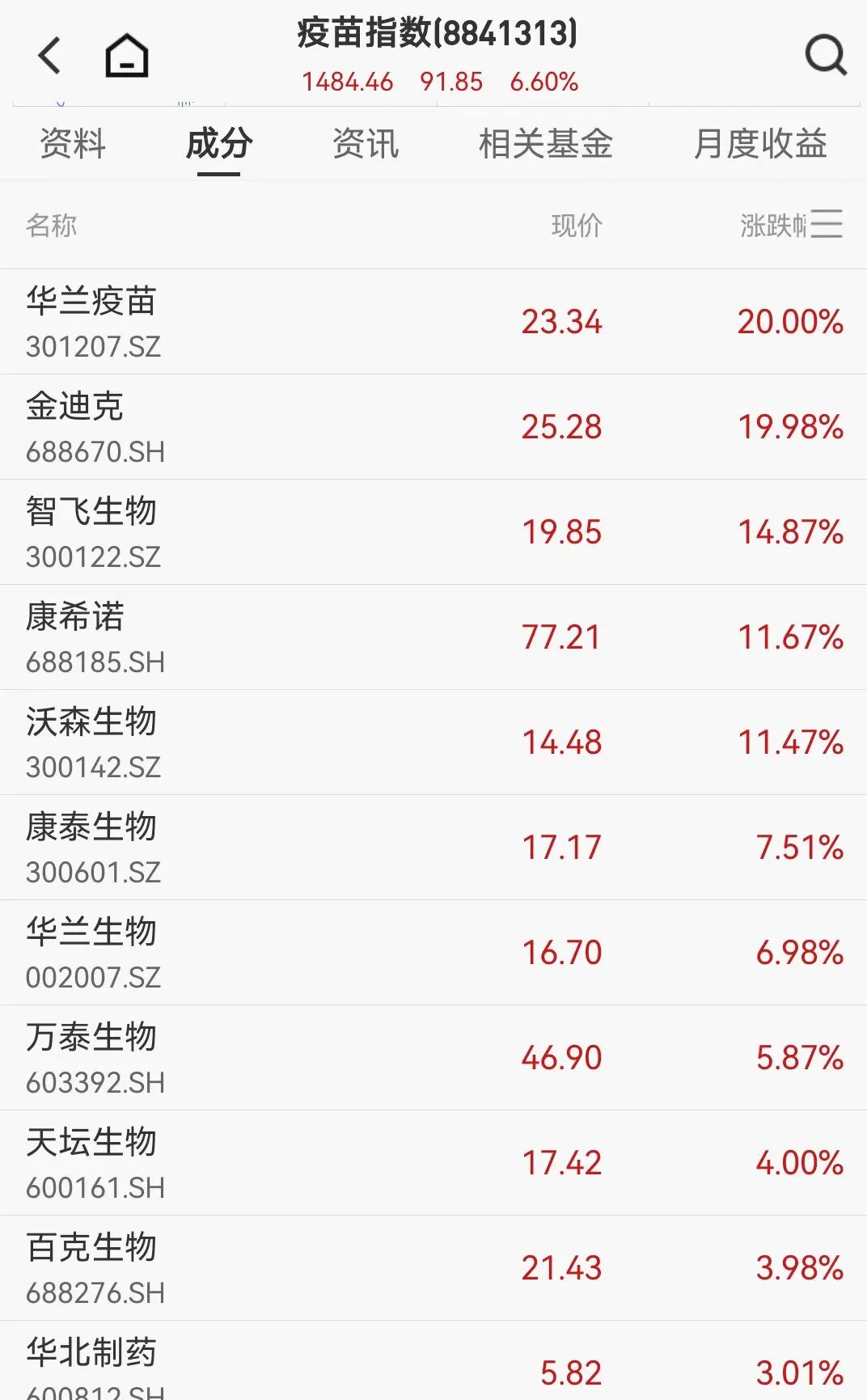
Group 1 - The recent outbreak of Nipah virus in West Bengal, India, has led to 5 confirmed cases, with one patient in critical condition, prompting enhanced preventive measures in neighboring countries like Thailand and Nepal [1] - Nearly 100 individuals have been placed under home quarantine, and infected patients are receiving treatment in hospitals in Kolkata and surrounding areas [1] - The Nipah virus is a zoonotic virus that can be transmitted from infected animals to humans, with symptoms including acute respiratory infections and potentially fatal encephalitis, and there is currently no approved vaccine or specific treatment available [1][4] Group 2 - The stock prices of vaccine and in vitro diagnostic (IVD) sectors surged following the news, with companies like Hualan Biological (301207) and Jindike experiencing significant gains, reaching their daily limit [1][2] - The vaccine index rose by 6.60%, with notable increases in stock prices for companies such as Hualan Vaccine (20.00%), Jindike (19.98%), and Zhifei Biological (14.87%) [2] - The market response indicates a heightened interest in companies involved in vaccine development and diagnostic testing related to the Nipah virus [1][8] Group 3 - Nipah virus is classified as a high-pathogenicity pathogen with a mortality rate ranging from 40% to 75%, and it has been recognized as a significant public health threat for over 25 years [3][5] - The virus's natural reservoir is fruit bats, which can transmit the virus through contaminated food or environments, and outbreaks have primarily occurred in South and Southeast Asia [3][5] - Current detection methods include antibody and nucleic acid testing, with companies like Zhijiang Biological and Daan Gene developing specific test kits for Nipah virus detection [6][7] Group 4 - Companies are actively developing testing solutions, with Zhijiang Biological's Nipah virus PCR test kit achieving high sensitivity and rapid results, and Daan Gene's kit also showing promising detection capabilities [7] - Research into vaccines for Nipah virus is ongoing, with some candidates entering clinical trials, and monoclonal antibodies showing potential in compassionate use [8] - The stock prices of companies involved in vaccine development, such as Watson Bio, Zhifei Bio, and Hualan Vaccine, have seen increases, reflecting investor optimism regarding potential solutions to the Nipah virus threat [8]


死亡率最高达75%!印度现尼帕病毒疫情,A股概念股大涨,多家企业紧急回应
21世纪经济报道· 2026-01-26 15:19
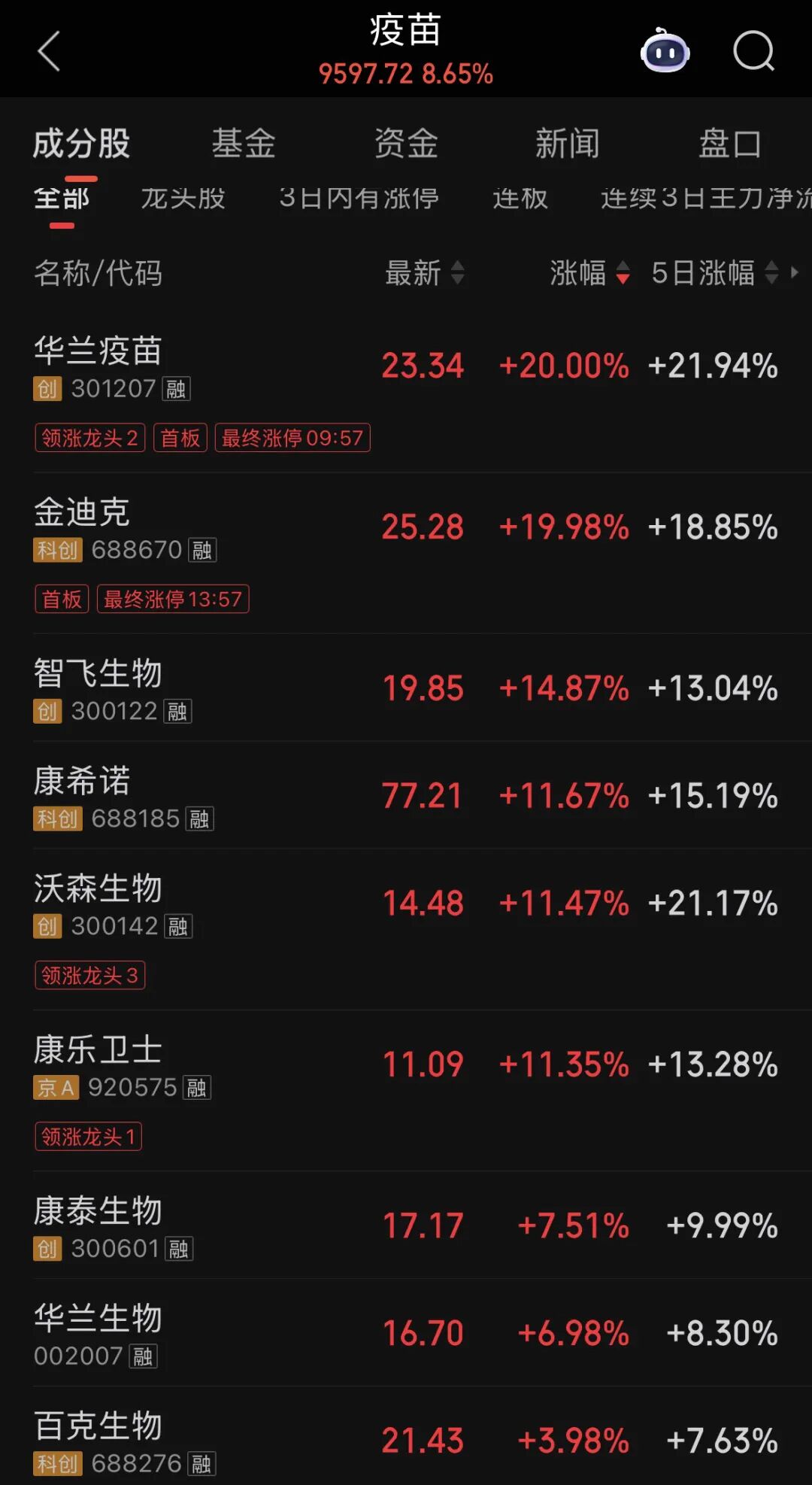
Core Viewpoint - The recent outbreak of Nipah virus in West Bengal, India, has raised concerns, leading to increased preventive measures in neighboring countries and a significant rise in stock prices of vaccine and IVD companies in the A-share market [1][12]. Group 1: Nipah Virus Overview - Nipah virus (NiV) is a zoonotic RNA virus with a high mortality rate, classified as a biosafety level 4 pathogen by WHO, with a fatality rate ranging from 40% to 75% [6][8]. - The natural reservoir for Nipah virus is fruit bats, which can transmit the virus to humans through contaminated food or environments [6][8]. - Recent data indicates that India has experienced a resurgence of Nipah virus cases, particularly in Kerala and now West Bengal, with localized outbreaks showing high fatality rates [7][8]. Group 2: Market Impact - Following the news of Nipah virus cases, the A-share vaccine and IVD sectors saw a collective surge, with companies like Hualan Biological and Jindike hitting the daily limit up [1][12]. - Specific stock performances included Hualan Biological at 23.34 with a 20% increase, Jindike at 25.28 with a 19.98% increase, and others like Zhifei Biological and CanSino also showing significant gains [2][3]. Group 3: Detection and Response - Early detection of Nipah virus is crucial, with the incubation period ranging from 3 to 14 days, and initial symptoms resembling flu, which can lead to misdiagnosis [10][12]. - Various detection methods are in use, including antibody and nucleic acid tests, with companies like Zhijiang Biological and Daan Gene developing specific test kits for Nipah virus [10][11]. - The new revised "Law on Frontier Health and Quarantine" in China includes Nipah virus in its detection protocols, highlighting the importance of monitoring and response [10]. Group 4: Vaccine Development - Although there is currently no approved treatment for Nipah virus, research is ongoing, with vaccines entering clinical trials and monoclonal antibodies showing potential in compassionate use [12]. - Companies involved in vaccine development, such as Watson Bio, Zhifei Biological, and Hualan Biological, have seen stock price increases, reflecting investor optimism regarding potential future products [12].

尼帕病毒印东确诊5例,A股疫苗股多只涨停
Guo Ji Jin Rong Bao· 2026-01-26 12:44
Group 1: Nipah Virus Outbreak in India - The Nipah virus infection cases have been reported in West Bengal, India, with 5 confirmed cases, including healthcare workers, and nearly 100 individuals under home quarantine [1] - One patient is in critical condition, and the infected individuals are receiving treatment in Kolkata and surrounding hospitals [1] Group 2: Market Reaction - Following the news, the A-share market saw significant movements in sectors such as flu vaccines, diagnostic reagents, and chemical pharmaceuticals, with several stocks hitting the daily limit [2] - Notable stock performances include Hualan Vaccine (20% increase), Jindike (19.98% increase), and Zhifei Biological (14.87% increase) [2][3] Group 3: Vaccine and Diagnostic Kit Development - Companies in the IVD medical device sector, including Maike Biological and Cap Biological, launched Nipah virus test kits, with prices ranging from 100 to 2899 yuan [5][6] - The development of Nipah virus vaccines is considered technically feasible, but companies face challenges due to low vaccination willingness and market conditions [5] Group 4: Regulatory and Preventive Measures - China has strengthened its legal framework for controlling infectious diseases, including the Nipah virus, with new regulations effective from January 1, 2025 [7] - Enhanced health monitoring measures have been implemented at airports in Thailand for travelers from India due to the outbreak [7]
1月26日生物经济(970038)指数涨0.57%,成份股华兰疫苗(301207)领涨
Sou Hu Cai Jing· 2026-01-26 11:36
生物经济(970038)指数十大成份股详情如下: 证券之星消息,1月26日,生物经济(970038)指数报收于2278.54点,涨0.57%,成交406.86亿元,换 手率3.97%。当日该指数成份股中,上涨的有27家,华兰疫苗以20.0%的涨幅领涨,下跌的有23家,美 好医疗以5.46%的跌幅领跌。 以上内容为证券之星据公开信息整理,由AI算法生成(网信算备310104345710301240019号),不构成 投资建议。 资金流向方面,生物经济(970038)指数成份股当日主力资金净流入合计8.04亿元,游资资金净流入合 计8901.37万元,散户资金净流出合计8.93亿元。成份股资金流向详情见下表: ...
