Lilly(LLY)

Search documents
Oral Wegovy Approval Is The Critical 2026 Lifeline Novo Nordisk Needs
Seeking Alpha· 2025-12-26 19:18
Group 1 - The article discusses the competitive landscape between Novo Nordisk and Eli Lilly as they enter a new phase in their long-standing rivalry, particularly focusing on the GLP-1 oral medication market [1] - The analysis emphasizes the importance of a fundamentals-first approach in investment decisions, despite the influence of market sentiment and algorithm-driven trading [1] Group 2 - The author has a background in Economics and has been managing investments since 1999, gaining insights across various market cycles [1] - The article does not provide any specific investment recommendations or positions in the companies mentioned, indicating an objective analysis [2][3]


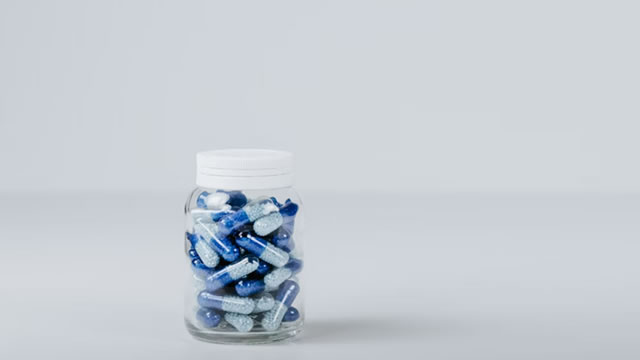
Buying This Pharmaceutical Stock Could Make You a Millionaire Retiree
The Motley Fool· 2025-12-26 09:10
Core Insights - Eli Lilly has emerged as a significant growth player in the pharmaceutical industry, particularly due to its leadership in the weight-loss drug market, delivering double-digit revenue growth [5][2] - The company's weight loss portfolio generated over $10 billion in revenue in the latest quarter, highlighting its strong market position [5][6] - Analysts predict that the weight loss drug market could approach $100 billion by the end of the decade, positioning Eli Lilly to benefit significantly from this growth [8] Company Overview - Eli Lilly's key products include tirzepatide, marketed as Mounjaro for type 2 diabetes and Zepbound for weight management, which have been prescribed for weight loss since 2022 [6][5] - The company has a market capitalization of $1.0 trillion and a gross margin of 83.03%, indicating strong financial health [7] - Demand for Lilly's drugs has been high, often surpassing supply, and the company is actively expanding its weight loss portfolio with new candidates like orforglipron and retatrutide [7][6] Market Potential - The weight loss drug market is expected to grow significantly, with analysts forecasting it to reach nearly $100 billion by the end of the decade, which presents a substantial opportunity for Eli Lilly [8] - The company's strategic focus on expanding its product offerings in this lucrative market could enhance its growth trajectory and revenue potential [7][8] Investment Strategy - Including Eli Lilly in a diversified portfolio of quality stocks is suggested as a strategy to potentially achieve significant retirement savings, with the company being a strong candidate for long-term investment [9]

ABL Bio Receives Upfront Payment for License, Research and Collaboration Agreement for Grabody Platform and Equity Investment from Lilly
BusinessLine· 2025-12-26 08:37
Core Insights - ABL Bio has entered into a collaboration agreement with Eli Lilly, which includes a USD 40 million upfront payment and a USD 15 million equity investment [1][3] Group 1: Collaboration and Funding - ABL Bio and Eli Lilly are conducting joint research and development on multiple therapeutic candidates utilizing the Grabody platform [2] - The newly secured funding will be used to accelerate R&D on ABL Bio's core technologies, including bispecific antibodies and dual-payload ADCs [2][3] - ABL Bio aims to expand the indications of its Grabody platform into areas with high unmet needs, such as obesity and muscle disorders [3] Group 2: Clinical Development and Pipeline - ABL Bio is developing various clinical and non-clinical assets based on the Grabody platform, with 8 pipelines currently in clinical projects across multiple countries [4] - ABL301 (SAR446159) has completed Phase 1 clinical trials, with Sanofi set to conduct subsequent studies [4] - ABL001 (tovecimig) has received Fast Track designation from the FDA, and ABL111 (givastomig) has shown promising results in a Phase 1b trial [4]
2026年服贸会首设出海专区
Bei Jing Wan Bao· 2025-12-26 08:24
Core Insights - The 2026 China International Service Trade Fair (CIFTIS) is scheduled to take place from September 9 to 13, 2026, at Shougang Park, with participation from over 10 countries and international organizations, including Norway and the World Intellectual Property Organization [1][2] - The fair will feature nearly 100 Fortune 500 companies and industry leaders, such as AstraZeneca, Eli Lilly, and Siemens, expressing intent to exhibit [1] - CIFTIS has successfully hosted 12 editions, attracting 1.47 million exhibitors and visitors from nearly 200 countries and regions [1] Group 1 - The 2026 CIFTIS will continue to host a high-profile Global Service Trade Summit, inviting foreign dignitaries, international organization leaders, and CEOs of multinational companies to speak [1] - The event will also include forums and meetings to facilitate discussions, consensus-building, and result announcements among various sectors [1] Group 2 - The fair will invite various parties to set up exhibitions and hold meetings, continuing to establish guest countries and provinces, and inviting international organizations and leading enterprises to showcase their strengths [2] - Specialized exhibitions will focus on key service trade areas such as financial services, cultural tourism, education, and sports, highlighting industry trends and showcasing new technologies and applications [2] - A new "Overseas Zone" and a small and medium-sized enterprise exhibition area will be introduced, showcasing China's foreign trade, particularly in service and technology exports [2]


礼来与ABL Bio达成合作并进行1500万美元股权投资
Jin Rong Jie· 2025-12-26 05:05
本文源自:金融界AI电报 礼来公司将向ABL Bio支付4000万美元用于许可、研究及合作,并进行1500万美元股权投资。ABL Bio 与礼来公司合作开展基于双特异性抗体平台"Grabody"的联合研究。 ...
Is Eli Lilly Pulling Ahead in the Weight Loss Drug Battle?
Yahoo Finance· 2025-12-25 17:05
Core Insights - Eli Lilly has achieved strong returns due to its advancements in weight management, positioning itself as a leader in this market [1] - The company is not resting on its laurels and continues to innovate, suggesting it may outpace competitors [1] Competitive Landscape - Novo Nordisk is the only significant competitor to Eli Lilly in the weight loss drug market, with its product Wegovy generating billions in sales [2] - Novo Nordisk is seeking label expansions and has requested FDA approval for a higher dose of semaglutide, the active ingredient in Wegovy [3][4] Product Performance - Eli Lilly's Zepbound has demonstrated superior average weight loss compared to Wegovy in clinical trials, generating $9.3 billion in revenue in the first nine months of 2025, while Wegovy generated approximately $9 billion [5] - Novo Nordisk's pipeline includes Amycretin, which is in phase 3 studies, but Eli Lilly's pipeline remains stronger with promising candidates like orforglipron and retatrutide [6][7] Market Position - Eli Lilly is clearly leading the weight loss market, with its current and future products positioning it ahead of competitors [8] - Novo Nordisk's CagriSema, which achieved a mean weight loss of 22.7%, is under regulatory review but still falls short compared to Eli Lilly's offerings [9]
Wall Street Takes Christmas Break After Record-Setting Christmas Eve Rally; Futures Signal Muted Open for Friday
Stock Market News· 2025-12-25 11:07
Market Overview - U.S. financial markets are closed on December 25, 2025, for the Christmas holiday, with trading set to resume on December 26, 2025 [1] - Major indexes experienced a record-setting trading session on Christmas Eve, with the S&P 500 and Dow Jones reaching all-time highs [2] Major Market Indexes Performance - The S&P 500 closed at 6,932.05 points, up 0.3%, marking its 39th record close of 2025 and fifth consecutive day of gains [2] - The Dow Jones Industrial Average rose 0.6% to 48,731.16, achieving a new record [2] - The Nasdaq Composite increased by 0.2% to close at 23,613.31, supported by a rebound in AI-related stocks [2] Premarket Activity and Futures Outlook - Premarket activity for December 26 indicated a muted start, with stock futures for major indexes largely unchanged or slightly lower [3] - This reflects typical holiday trading patterns, with many investors having closed positions for the year, resulting in thinner liquidity [3] Upcoming Economic Data - Key economic data releases are expected post-Christmas, including the jobless claims report on December 26, which will provide insights into the labor market [4] - Revised Q3 GDP figures showed an unexpected increase to 4.3% growth, up from 3.8% in the previous quarter [4] - The PCE price index rose to 2.8% in Q3, indicating inflationary pressures [4] Federal Reserve Insights - The minutes from the Federal Reserve's upcoming meeting in January will be closely monitored for future interest rate policy indications [5] - Analysts predict the Fed will maintain steady rates in January, with expectations for early 2026 rate cuts diminishing due to persistent inflation [5] Corporate Developments - Dynavax Technologies shares surged by 38.2% following Sanofi's announcement of a $2.2 billion acquisition [6] - Novo Nordisk A/S stock rose 7.3% after FDA approval of its GLP-1 pill, despite a year-to-date decline of nearly 40% due to competition [6] - ServiceNow Inc. shares fell 1.5% after confirming its acquisition of Armis for $7.75 billion [6] - BP p.l.c. announced the sale of a 65% stake in its Castrol lubricants division to Stonepeak for approximately $10.1 billion [6] Notable Stock Movements - Nike (NKE) stock rose 4.6% after Apple CEO Tim Cook purchased nearly $3 million worth of shares [10] - Tesla (TSLA) is under investigation by a U.S. regulator for potential defects in the Model 3 door release mechanism [10] - Alphabet (GOOGL) announced software updates for its Waymo self-driving cars to enhance navigation capabilities [10] - Other notable movements included gains for Huntington Ingalls Industries Inc. and ZIM Integrated Shipping Services Ltd. [10]



医保目录“鲶鱼效应”搅动GLP-1赛道 美团买药多款药品价格已松动
Di Yi Cai Jing· 2025-12-25 09:57
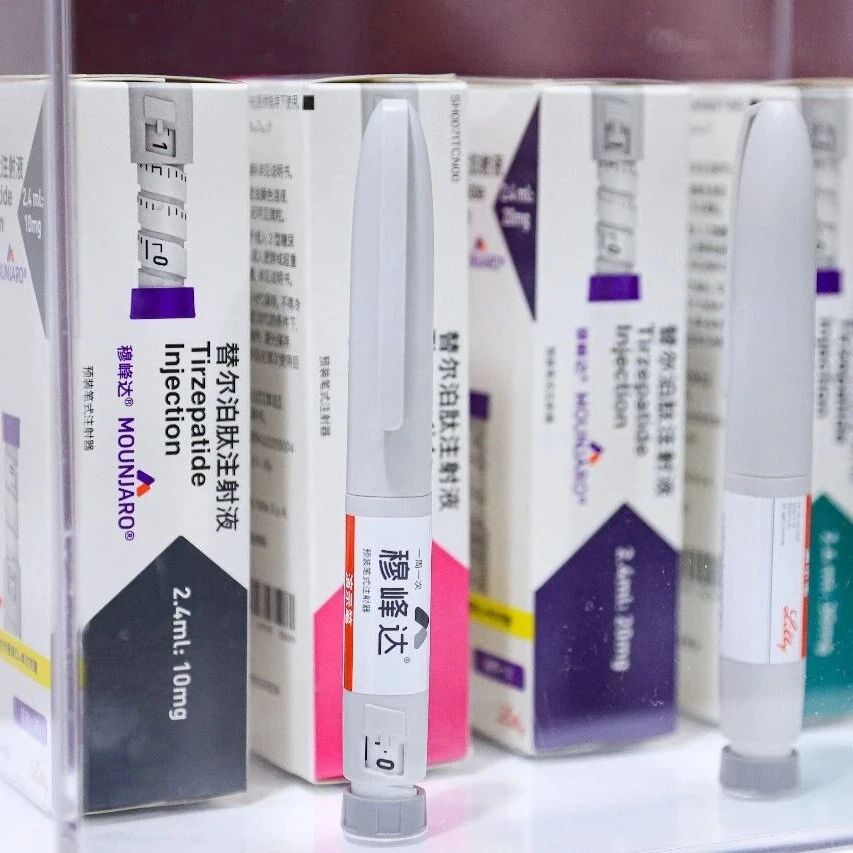
Group 1 - The core point of the article is that Eli Lilly's innovative drug Tirzepatide has been officially included in the new national medical insurance catalog, leading to a new round of price reductions in the domestic diabetes and weight loss drug market [2] - Prior to the implementation of the insurance price for Tirzepatide, some online pharmaceutical platforms have already initiated pre-sale activities with price reductions [2] - The pre-sale price for Tirzepatide at 10mg specification on Meituan Buy Medicine has dropped to 450 yuan, which is approximately 20% of the previous price [2] Group 2 - Other GLP-1 drugs, such as Semaglutide, have also seen varying degrees of price adjustments online, indicating a gradual transmission effect of the insurance policy on the outpatient market prices [2]

「药王」替尔泊肽大降价,降糖减重市场变天了
36氪· 2025-12-25 06:44
新晋"全球药王"替尔泊肽,在2025年医保新药目录谈判后,价格即将大幅下降。 文 | 胡香赟 编辑 | 海若镜 封面来源 | IC Photo 近期结束的国家医保目录调整中,多款GLP-1产品被纳入,其中就包括礼来的替尔泊肽,用于成人2型糖尿病治疗。 截至目前,国家医保局并未公布谈判价格结果。但在多位内分泌科、代谢科医生的社交媒体中,流传出2026年1月1日后替尔泊肽将执行的新价格,同比大幅 下降。不同用量的月费价格(每月4次)分别为:324.1元(2.5mg)、551元(5mg)、751.6元(7.5mg)和936.7元(10mg)。 网传替尔泊肽2026年即将执行的院内新价格 36氪就该价格向礼来方面求证,礼来未予置评,并表示以"医保局官方发布为准"。 另两家开发GLP-1新药的药企人士称,这组替尔泊肽价格数据与其了解的区间接近,"确实降了很多"。 此外,36氪注意到,多个主流电商平台,均已推出替尔泊肽新的预售价格,降幅显著。例如2.5mg*4次剂量的月费在450元-600元不等,较国谈前低了六、七 成。一家医药电商平台直接打出了"医保国谈降价、惠及更多患者"的标语。 2025年前三季度,替尔泊肽的全球销 ...
减肥药之争进入口服赛道,礼来要赶超诺和诺德?
阿尔法工场研究院· 2025-12-25 02:33
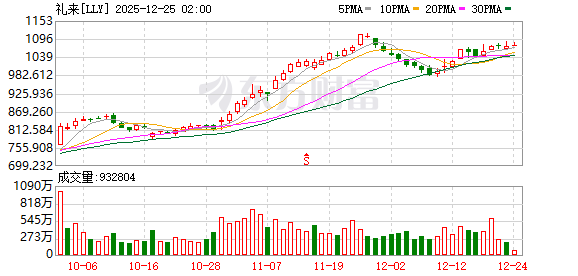
Core Viewpoint - Novo Nordisk has received FDA approval for its oral weight loss drug Wegovy, set to launch in January 2026 at a starting price of $149 per month, potentially making it more accessible than its injectable counterpart [5][14]. Group 1: Novo Nordisk's Product Launch - The oral version of Wegovy is designed to provide weight loss results comparable to the injectable version, with the added convenience of daily oral administration [5]. - The active ingredient in the oral drug is semaglutide, the same as in the injectable Wegovy and Ozempic, but with a higher dosage in the new formulation [5]. - Novo Nordisk has reached an agreement with Trump to allow self-paying patients to purchase the drug at the same price through a new website launching in January [5]. Group 2: Competitive Landscape - Eli Lilly, a major competitor, is also developing an oral weight loss drug and has submitted it for FDA approval, which is expected to follow shortly after Novo Nordisk's approval [7]. - Eli Lilly's injectable weight loss drugs use tirzepatide, while its oral formulation is based on a new ingredient, orforglipron [7]. - Recent performance shows Eli Lilly's Zepbound has surpassed Novo Nordisk's Wegovy in revenue contribution [8]. Group 3: Drug Efficacy and Development - Novo Nordisk's oral drug includes a protective component, SNAC, to prevent rapid degradation in the stomach, requiring patients to take it on an empty stomach [11]. - Clinical studies indicate that Novo Nordisk's oral formulation achieves weight loss comparable to its injectable version over 64 weeks, while Eli Lilly's oral drug shows less efficacy compared to its injectable [11]. - Both companies are exploring next-generation drugs, with Novo Nordisk researching cagrilintide and Eli Lilly focusing on retatrutide, which may offer enhanced weight loss and metabolic benefits [12]. Group 4: Market Impact and Stock Performance - Following the approval of the oral weight loss drug, Novo Nordisk's stock rose by 7.30%, reaching a market capitalization of $175 billion, although it has seen a year-to-date decline of 38.35% [14]. - Eli Lilly's stock has increased by 39.54% year-to-date, reflecting strong market confidence in its weight loss products [14]. - Pfizer has entered the weight loss drug market by acquiring Metsera for approximately $100 billion, aiming to develop a monthly injectable GLP-1 receptor agonist [13][14].