
Lilly(LLY)

Search documents
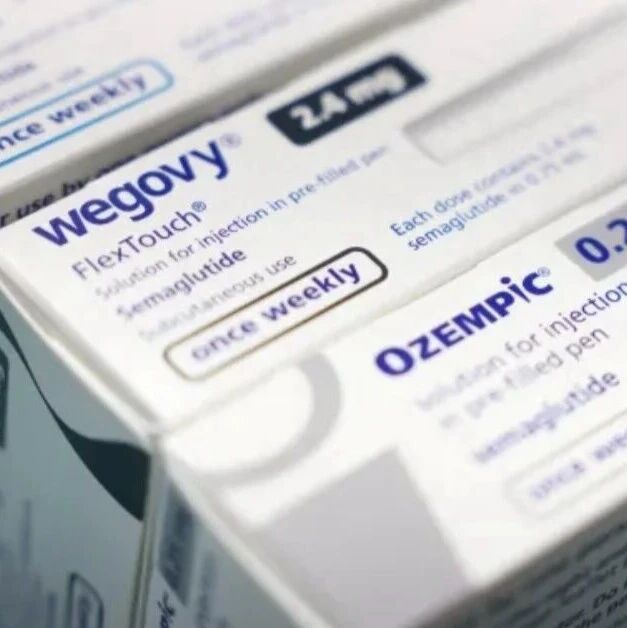
美股资金从AI转向医药板块
Xin Lang Cai Jing· 2025-11-19 11:08
Core Viewpoint - The pharmaceutical sector, particularly companies like Eli Lilly and Amgen, has seen significant stock price increases, driven by a shift in investor focus from AI-related stocks to more stable growth stocks in healthcare [2][3][4]. Group 1: Market Trends - The S&P 500 index reached a historical high on October 28, with Eli Lilly's stock rising by 25% and Amgen's by 17% [2]. - AI-related stocks, such as Oracle and Meta, have experienced significant declines, with Oracle down 22% and Meta down 20% [3]. - Investors are reallocating funds from large-cap tech stocks to defensive sectors like healthcare, which are perceived as offering stable growth [3][4]. Group 2: Policy Impact - Concerns over potential drug price reductions under the Trump administration had previously suppressed healthcare stocks, but these fears have begun to ease [4][5]. - A recent agreement between Pfizer and the U.S. government to control drug prices has shifted market perceptions, leading to a more favorable outlook for pharmaceutical companies [4][5]. Group 3: Company Performance - Eli Lilly reported strong earnings for Q3 2025, with its diabetes drug Mounjaro and obesity drug Zepbound exceeding market expectations [5]. - Other companies like Merck and Amgen also reported earnings surpassing market forecasts, contributing to rising stock prices [5]. - Analysts, including Morgan Stanley's Michael Wilson, have a positive outlook on healthcare stocks due to earnings growth, reduced policy uncertainty, and low valuations [5].


美股资金从AI转向医药板块
日经中文网· 2025-11-19 02:52
Core Viewpoint - The pharmaceutical sector, particularly companies like Eli Lilly and Amgen, has shown significant stock price increases, indicating a shift in investor focus towards stable growth stocks amidst declining AI-related stocks [2][4][5]. Group 1: Market Trends - As of October 28, the S&P 500 index reached a historical high, with Eli Lilly's stock rising by 25% and Amgen's by 17%, reflecting strong performance in the healthcare sector [2][4]. - The decline in AI-related stocks, such as Oracle (down 22%) and Meta (down 20%), has led investors to seek opportunities in defensive stocks like pharmaceuticals [4][5]. - The healthcare sector is viewed as a typical representative of "defensive stocks," expected to provide stable growth [4]. Group 2: Investor Sentiment - Investors are increasingly cautious about large-scale investments in the AI sector, influenced by concerns over potential profit reductions due to intensified competition [5][6]. - Despite the adjustments in AI stocks, investors are not withdrawing from the market, as overall corporate performance remains strong [5][6]. - The healthcare sector, previously overlooked, is now attracting investor interest due to its relatively low valuations [5][6]. Group 3: Policy Impact - A significant change occurred on September 30 when Pfizer reached an agreement with the U.S. government to control drug prices, which is expected to have a limited negative impact on corporate earnings [6]. - The healthcare sector has faced pressure from the Trump administration's drug pricing policies, but recent developments have alleviated some concerns [5][6]. Group 4: Company Performance - Eli Lilly reported strong earnings for Q3 2025, with its diabetes drug Mounjaro and obesity drug Zepbound exceeding market expectations [6]. - Other companies like Merck and Amgen also reported earnings surpassing market forecasts, contributing to further stock price increases [6]. Group 5: Future Outlook - Morgan Stanley's strategist Michael Wilson has a positive outlook on healthcare stocks, citing earnings growth, reduced policy uncertainty, and low valuations as favorable factors [6]. - The healthcare sector's market capitalization is approximately 10%, significantly lower than the nearly 50% share of the tech sector, which may limit its ability to lead the market [7].
华尔街日报:1万亿美金!减肥大战“胜负已分”,礼来即将成为首个10000亿美元医药公司!
美股IPO· 2025-11-19 01:05
Core Insights - Eli Lilly's drug Zepbound has gained a dominant position in the new prescription drug market, leading to a surge in its market capitalization to approximately $970 billion, while competitor Novo Nordisk's market cap has fallen to about $200 billion [1][3] - The recent agreement with the U.S. government for Medicare coverage, resolution of production bottlenecks, and the upcoming launch of an oral version of the drug are expected to further solidify Eli Lilly's leading position in the weight loss drug market [1][3][4] Market Dynamics - Eli Lilly is on track to become the first trillion-dollar pharmaceutical company, driven by its overwhelming advantage in GLP-1 class drugs [3] - The market dynamics indicate that Eli Lilly has decisively outpaced competitors, with Zepbound capturing the majority of new obesity drug prescriptions despite only launching at the end of 2023 [3] - Since March 2024, Eli Lilly's market value has skyrocketed from over $700 billion to around $970 billion, while Novo Nordisk's market cap has plummeted from over $500 billion to approximately $200 billion [3] Growth Potential - The resolution of supply shortages that previously limited growth for both Eli Lilly and Novo Nordisk has been achieved, with Eli Lilly preparing to launch an oral version of its weight loss drug [4] - The oral formulation is expected to be easier to scale in production and more affordable, entering a market that is "structurally ready to accept it" [4] Global Expansion - Eli Lilly's global expansion appears to be in its early stages, with overseas revenue from its drug Mounjaro (similar to Zepbound) increasing from $728 million to $2.97 billion year-over-year by Q3 2025 [6] - Approximately 75% of Mounjaro's sales come from cash payments by obesity patients, indicating a strong market demand [6] Market Opportunities - The opening of markets in Brazil and Europe, along with improvements in insurance reimbursements, suggests that the global opportunities for GLP-1 drugs may represent the "real sleeping giant" in Eli Lilly's growth story [7] Valuation Concerns - If Eli Lilly's market cap quickly surpasses $1 trillion, discussions regarding its valuation will intensify, as the current stock price is about 34 times forward earnings, higher than Nvidia or Microsoft [8] - However, projections indicate that annual sales for Eli Lilly's two flagship drugs are expected to exceed $40 billion by 2026 and approach $60 billion by 2030, potentially justifying the high valuation [8] Patent Risks - The long-term risk lies in the patent system, as major drugs face the "physical law" of patent expiration, which could lead to increased competition from companies like Amgen and Pfizer [8]
减肥大战“胜负已分”,礼来逼近“首个10000亿美元医药公司”
Hua Er Jie Jian Wen· 2025-11-19 00:42
Core Insights - Eli Lilly is on track to become the first trillion-dollar pharmaceutical company, driven by its dominant position in the lucrative weight loss drug market [1] - The company’s weight loss drug Zepbound has surpassed Novo Nordisk's Wegovy in prescription share, despite Zepbound only launching at the end of 2023 [1] - Eli Lilly's market capitalization has surged from over $700 billion to approximately $970 billion since March 2024, while Novo Nordisk's market cap has dropped from over $500 billion to around $200 billion [1] Market Dynamics - Eli Lilly has resolved previous supply shortages and is preparing to launch an oral version of its weight loss drug, which is expected to be easier to scale and more affordable [2] - The global expansion of Eli Lilly's drug Mounjaro has shown significant growth, with overseas revenue increasing from $728 million to $2.97 billion year-over-year by Q3 2025, with 75% of sales coming from cash-paying obesity patients [2] - The potential for GLP-1 drugs in international markets like Brazil and Europe represents a significant growth opportunity for Eli Lilly [2] Valuation and Risks - Eli Lilly's stock is currently valued at approximately 34 times forward earnings, higher than tech giants like Nvidia and Microsoft, and significantly above the pharmaceutical industry average of 16 times [3] - Forecasts suggest that Eli Lilly's two leading drugs could generate annual sales exceeding $40 billion by 2026 and approach $60 billion by 2030, which may justify the high valuation [3] - The primary long-term risk for Eli Lilly lies in patent expiration, which poses a significant challenge compared to tech companies that can continuously innovate [3]
Can AI Drive Peloton's Comeback?
Yahoo Finance· 2025-11-18 19:23
分组1: Pfizer's Acquisition of Metsera - Pfizer has acquired Metsera for a sweetened offer of up to $10 billion, aiming to enter the competitive obesity treatment market [1][2] - Metsera has a pipeline of drug candidates targeting metabolic diseases, with key advantages in efficacy and tolerance, including the potential for once-monthly dosing [1][4] - This acquisition positions Pfizer to leverage its manufacturing and commercial infrastructure to accelerate the development of Metsera's drugs [1] 分组2: Competitive Landscape of GLP-1 Treatments - The GLP-1 treatment market is becoming increasingly competitive, with key players like Eli Lilly and Novo Nordisk leading the space [4][5] - Pfizer's entry into the GLP-1 market may provide opportunities for differentiation, but it faces challenges from more advanced candidates from competitors [4][5] - The pricing dynamics of GLP-1 treatments are critical, as lower prices could lead to increased competition and potentially lower margins for all players involved [3][5] 分组3: Telehealth and Direct-to-Consumer Dynamics - Telehealth companies like Hims and Hers have been significant demand sources for GLP-1 treatments, but their relationship with pharmaceutical companies is complex [6][8] - The direct-to-consumer approach is becoming essential for pharmaceutical companies to reach more customers, especially as they adapt to price sensitivity in the market [10] - Partnerships between telehealth companies and major pharmaceutical players may be key to navigating the evolving landscape of GLP-1 treatments [8][10] 分组4: Circle's Performance and USDC - Circle reported a 66% increase in revenue to $740 million, with USDC circulation up 108% to $73.7 billion, and net income more than tripling to $214 million [21][22] - USDC, co-created with Coinbase, has gained ground on Tether, with circulation doubling over the past year due to strategic partnerships [22] - Coinbase is generating more revenue from USDC than Circle, highlighting the financial dynamics between the two companies [23] 分组5: ARC Ecosystem and Future Potential - Circle's new ARC Public Testnet aims to create a layer one blockchain ecosystem, attracting major financial players like Deutsche Bank and Goldman Sachs [24] - The ARC network is designed to support compliance and reduce friction in transactions, making it appealing for institutional use [24] - The trend towards tokenization of financial assets is gaining momentum, with multiple players, including Circle, competing to advance this space [26][27]



减重药有望治疗“暴食症” ,厂商又找到新卖点
第一财经· 2025-11-18 15:45
Core Viewpoint - The competition in the weight-loss drug market is intensifying, with companies seeking new selling points and patient markets. Recent research on Eli Lilly's GLP-1 drug, tirzepatide, indicates its potential to temporarily reduce food cravings, which may inspire new developments in GLP-1 drugs [3][4]. Group 1: Research Findings - A recent study published in *Nature Medicine* shows that tirzepatide can temporarily lower food cravings in a patient, providing insights for the development of new GLP-1 drugs [3]. - The study monitored the brain activity of a patient with severe binge eating disorder, revealing that the drug initially suppressed signals of food craving in the brain's reward center, but this effect diminished after about five months [3][4]. - In contrast, other patients not treated with GLP-1 drugs exhibited typical increased activity in the reward center and frequent binge eating episodes [4]. Group 2: Market Implications - The findings may open new markets for GLP-1 drugs, as both Eli Lilly and Novo Nordisk are actively marketing these drugs directly to consumers in the U.S. [4]. - Novo Nordisk's concept of "food noise," which refers to uncontrollable and persistent thoughts about food, is highlighted as a significant factor affecting the mental health and weight loss progress of overweight or obese patients [4]. - An endocrinologist noted that while the original mechanism of GLP-1 drugs includes appetite suppression and delayed gastric emptying, the recent findings could pave the way for further research into their effects on the brain [4].
Lilly to participate in Citi's 2025 Global Healthcare Conference
Prnewswire· 2025-11-18 15:00
Core Insights - Eli Lilly and Company will participate in Citi's 2025 Global Healthcare Conference on December 2, 2025, with Ilya Yuffa, executive vice president and president of Lilly USA, engaging in a fireside chat [1] - A live audio webcast of the presentation will be available on Lilly's investor website, with a replay accessible for approximately 90 days [2] - Lilly has been a pioneer in medicine for nearly 150 years, focusing on significant health challenges such as diabetes care, obesity treatment, Alzheimer's disease, immune system disorders, and difficult-to-treat cancers [3] Company Developments - Eli Lilly announced the appointment of two new Executive Committee members and the expansion of leadership roles to prepare for future growth [5][6]

最低199美元 减肥药打起价格战
Bei Jing Shang Bao· 2025-11-18 14:43
Core Viewpoint - Novo Nordisk is lowering the price of its weight loss drug semaglutide in the U.S. to compete with Eli Lilly, indicating a shift in pricing strategies within the GLP-1 drug market [1][2]. Pricing Strategy - Novo Nordisk announced a 30% price reduction for its semaglutide products Wegovy and Ozempic, bringing the self-pay price down to $349 per month, with a limited-time offer of $199 for the first two months [2]. - This new pricing aligns with Eli Lilly's lower dosage Zepbound and is lower than its higher dosage option, enhancing Novo Nordisk's competitiveness against generic versions [2]. Market Dynamics - The popularity of GLP-1 receptor agonists like Zepbound and Wegovy is increasing, with clinical trials showing weight loss of 15%-22% [3]. - However, affordability remains a challenge, as about half of the users find it difficult to pay for these treatments, with monthly costs ranging from $1,000 to $1,350 [3]. Medicare Inclusion - A recent agreement between the White House, Eli Lilly, and Novo Nordisk will significantly reduce the prices of GLP-1 weight loss drugs, with Medicare beneficiaries expected to pay only $50 per month starting April [4]. - Novo Nordisk and Eli Lilly will sell their GLP-1 drugs directly to consumers at an average price of $350, aiming to reduce it to around $250 within two years [4]. Revenue Insights - Novo Nordisk reported third-quarter revenues of approximately DKK 74.98 billion (about $11.53 billion), a 5% year-over-year increase, with GLP-1 product revenues reaching DKK 174.58 billion (about $26.90 billion) [5]. - Eli Lilly's third-quarter revenue was approximately $17.59 billion, a 54% year-over-year increase, with GLP-1/GIP dual agonists generating over $10.1 billion [5]. Competitive Landscape - The GLP-1 market is transitioning from a duopoly between Eli Lilly and Novo Nordisk to a more competitive landscape, with a focus on technological advancements [7]. - The trend towards lower-priced weight loss drugs is expected to reshape industry competition, impacting smaller pharmaceutical companies' ability to enter the market [8][9]. Challenges for Smaller Firms - Smaller pharmaceutical companies may struggle due to reduced profit margins from low-priced oral GLP-1 drugs, potentially leading to project abandonment or mergers [9]. - Novo Nordisk and Eli Lilly have established a competitive advantage through their production capabilities and access to insurance channels, raising market entry barriers for smaller firms [9].
Eli Lilly Stock To $1,330?
Forbes· 2025-11-18 14:10
Core Viewpoint - Eli Lilly's stock has surged 27% over the past month, reaching a price of $1,022, driven by strong sales of its weight-loss drug Zepbound, diabetes drug Mounjaro, and favorable third-quarter financial results, alongside a government agreement on Medicare drug price negotiation [2] Financial Performance - Eli Lilly's revenues increased by 37% from $39 billion to $53 billion over the last 12 months, with quarterly revenues rising by 37.6% to $16 billion compared to $11 billion a year prior [8] - The company has experienced an average top line growth rate of 23.4% over the past three years [8] - Eli Lilly's operating income for the last 12 months was $23 billion, resulting in an operating margin of 43.0% [9] - The company generated approximately $11 billion in operating cash flow, with a cash flow margin of 20.5% [9] - Eli Lilly produced nearly $14 billion in net income, indicating a net margin of approximately 25.9% [9] Valuation and Outlook - Despite the stock's Very High valuation, a price target of $1,330 is considered achievable, maintaining a generally favorable outlook for the stock [2] - The stock is rated as Attractive but Volatile, reflecting its strong operational results and financial health [2] Debt and Financial Stability - Eli Lilly's debt stood at $40 billion, resulting in a debt-to-equity ratio of 4.3% [12] - The company's cash (including cash equivalents) constitutes $3.5 billion of $101 billion in total assets, giving a cash-to-assets ratio of 3.5% [12] Market Resilience - Eli Lilly has demonstrated greater resilience than the S&P 500 index during various economic downturns, with a quicker recovery from declines [10]
Jim Cramer Comments On Eli Lilly (LLY)’s Shares After Pfizer CEO’s Remarks
Yahoo Finance· 2025-11-18 13:45
Core Viewpoint - Jim Cramer has expressed strong optimism about Eli Lilly and Company (NYSE: LLY), particularly highlighting its weight loss drug development and manufacturing investments in the US [2][3]. Group 1: Company Insights - Eli Lilly is recognized for its significant investments in manufacturing within the United States, which is expected to bolster its operational capabilities [2]. - The company is developing a weight loss pill that has garnered attention and is seen as a potential game-changer in the pharmaceutical market [2][3]. - CEO David Ricks has been praised for his leadership and communication regarding the company's initiatives and industry positioning [3]. Group 2: Market Reactions - Following remarks from Pfizer's CEO about potential competition in the weight loss drug market, Eli Lilly's stock experienced a notable increase, rising by another hundred points [3]. - Cramer believes that while Eli Lilly has potential, there are AI stocks that may offer higher returns with limited downside risk, indicating a competitive landscape in investment opportunities [3].