
Meta Platforms(META)

Search documents
康耐特光学涨超7% 机构称Meta加大智能眼镜业务投入有望引领产业加速发展
Zhi Tong Cai Jing· 2026-01-16 01:45
Core Viewpoint - 康耐特光学's stock rose over 7%, reaching 58.6 HKD, driven by news of Meta's plans to double AI smart glasses production by the end of the year to meet growing demand and stay ahead of competitors [1] Company Summary - 康耐特光学's stock performance is positively influenced by Meta's increased investment in smart glasses, which is expected to accelerate industry growth [1] - The company is identified as a key player in the smart glasses supply chain, particularly in lens manufacturing and sales channels [1] Industry Summary - Meta aims to increase annual production capacity of AI smart glasses to 20 million units by 2026, reflecting confidence in sales potential [1] - According to Wellsenn XR, global sales of AI smart glasses are projected to reach 7 million units by 2025, a nearly 360% increase, with Meta expected to contribute 5 million units [1] - By 2030, global sales of AI smart glasses are anticipated to grow to 90 million units, indicating rapid market expansion [1]

港股异动 | 康耐特光学(02276)涨超7% 机构称Meta加大智能眼镜业务投入有望引领产业加速发展
智通财经网· 2026-01-16 01:45
Group 1 - The core viewpoint of the article highlights that 康耐特光学 (Conant Optical) has seen its stock price increase by over 7%, currently trading at 58.6 HKD with a transaction volume of 14.21 million HKD, driven by news regarding Meta's plans for AI smart glasses production [1] - Meta and EssilorLuxottica are reportedly discussing plans to double the production capacity of AI smart glasses by the end of this year to meet growing demand and stay ahead of competitors [1] - Longjiang Securities suggests that Meta's increased investment in smart glasses is expected to accelerate industry development, indicating a positive outlook for the smart glasses market [1] Group 2 - Wellsenn XR forecasts that global sales of AI smart glasses could reach 7 million units by 2025, representing a nearly 360% increase, with Meta expected to contribute 5 million units [1] - By 2030, global sales of AI smart glasses are projected to reach 90 million units, indicating rapid growth potential [1] - Meta plans to double the production capacity of its Ray-Ban AI glasses to 20 million units by 2026, reflecting confidence in the sales potential of AI glasses [1] - Longjiang Securities emphasizes the importance of the smart glasses supply chain, including lens manufacturing and sales channels, highlighting the significance of leading companies like 康耐特光学 [1]
数据中心背后民怨沸腾,微软给马斯克上了一课
3 6 Ke· 2026-01-16 01:45
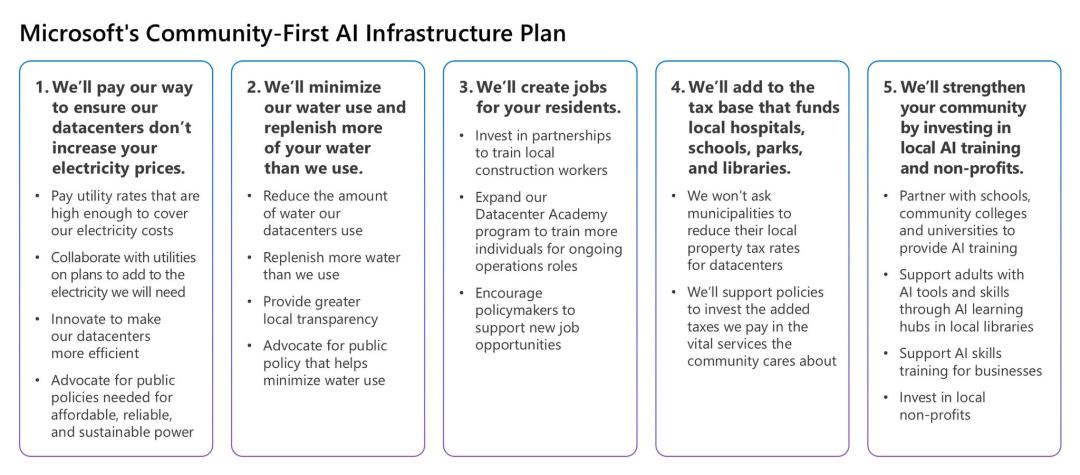
Core Viewpoint - Microsoft has introduced a "Community-First AI Infrastructure" plan, committing to responsible data center development that prioritizes community benefits over costs, aiming for a win-win between technological innovation and local employment [1][3][23]. Group 1: Microsoft's Commitments - Microsoft will not seek electricity subsidies or tax breaks, ensuring that local residents do not bear the costs of increased electricity prices due to data centers [2][23]. - The company promises to minimize water usage and replenish more water than it consumes, investing in local water systems [2][23]. - Microsoft aims to create job opportunities for local residents and enhance the tax base to support local services like hospitals and schools [2][23]. Group 2: Industry Context - The competition among major tech companies for data center investments is unprecedented, with projected capital expenditures reaching $400 billion by 2025, primarily for AI infrastructure [4][5]. - Data centers are expected to consume approximately 250 terawatt-hours (TWh) of electricity by 2026, increasing to 400-426 TWh by 2030, which will account for 6.7-12% of the total electricity consumption in the U.S. [5][7]. - The rapid growth in data center electricity consumption poses significant challenges to the U.S. energy system, with a projected total electricity consumption of 183 TWh by 2024 [4][5]. Group 3: Community Concerns - Local communities are increasingly concerned about the rising electricity prices and water resource depletion caused by data centers, with reports indicating a 267% increase in wholesale electricity prices in data center-heavy regions over five years [7][9]. - The disparity in resource consumption is stark, as communities near data centers face resource shortages while tech companies consume vast amounts of electricity and water [11][12]. - Employment opportunities created by data centers are often limited, with a typical facility requiring only 50 to 100 full-time employees after construction [8][12]. Group 4: Broader Implications - The current situation highlights the need for a new social contract between tech companies and communities, where the costs of resource consumption are shared more equitably [24][25]. - Microsoft’s commitments could serve as a model for other tech giants, emphasizing the importance of corporate responsibility in resource management and community engagement [23][25]. - The ongoing resistance from communities against data center projects indicates a growing demand for transparency and accountability from tech companies regarding their environmental and social impacts [22][25].




全球首例!澳大利亚社交媒体禁令生效,Meta等平台月内封禁470万未成年账户
Zhi Tong Cai Jing· 2026-01-16 00:56
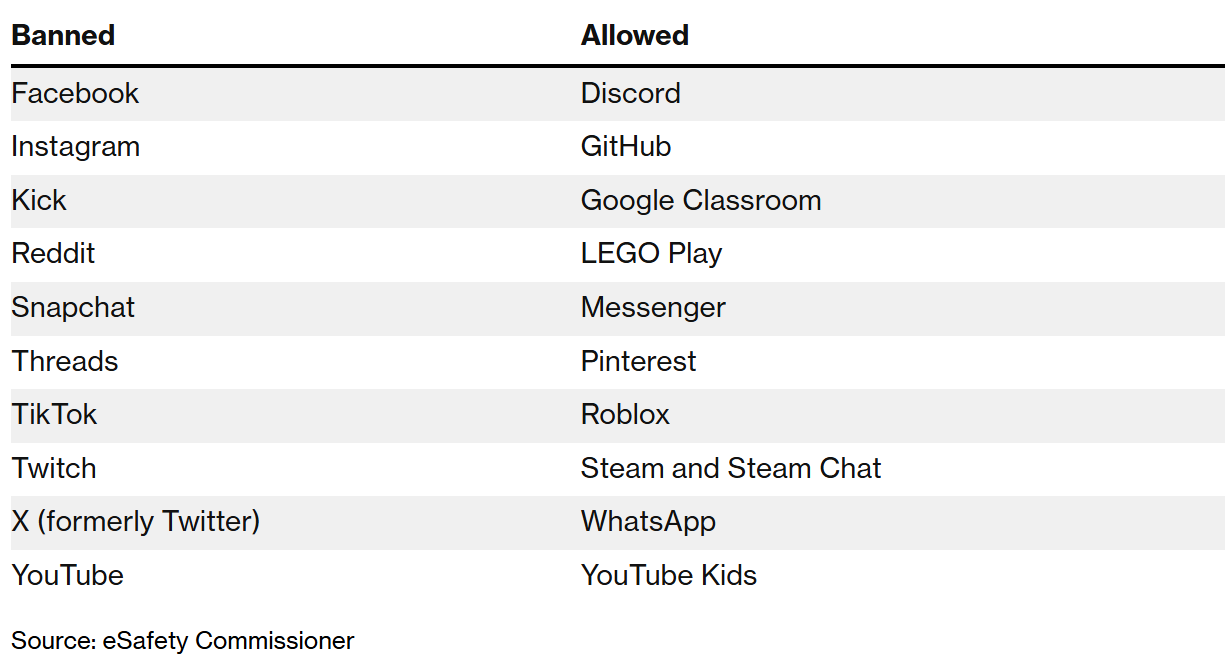
电子安全专员朱莉·英曼·格兰特表示,目前判断各平台是否已完全合规还为时过早,但初步数据令人鼓舞。各平台分别封禁的账户数量未予披露。 英曼·格兰特表示:"有效的年龄验证机制可能需要时间才能稳定落地。对澳大利亚儿童及家庭产生的长期规范性变化和积极影响,或许要数年才能充分显 现。" 澳大利亚社交媒体法:谁被禁止,谁被接受 财经频道更多独家策划、专家专栏,免费查阅>> 责任编辑:栎树 智通财经获悉,Meta Platforms(META.US)及其他主要社交媒体平台上月在澳大利亚封禁了 470 万个未成年账户,原因是该国针对 16 岁以下人群的社交媒体 禁令正式生效。 网络监管机构 eSafety 周五表示,根据运营商提供的初步数据,这些账户的访问权限在2025年12月上半月已被移除。该法于2025年12月10日生效。 这场全球首例的严打行动,回应了人们对网络危害日益加剧的担忧;被封禁账户的数量也揭示了2800 万人口中未成年人使用社交媒体的规模。本周, Instagram 和 Facebook 的母公司 Meta称,为符合新法要求,已关闭近55万个账户。 | Banned | Allowed | | --- | - ...
原油,大跌!刚刚,白银、黄金跳水
Zhong Guo Ji Jin Bao· 2026-01-16 00:28
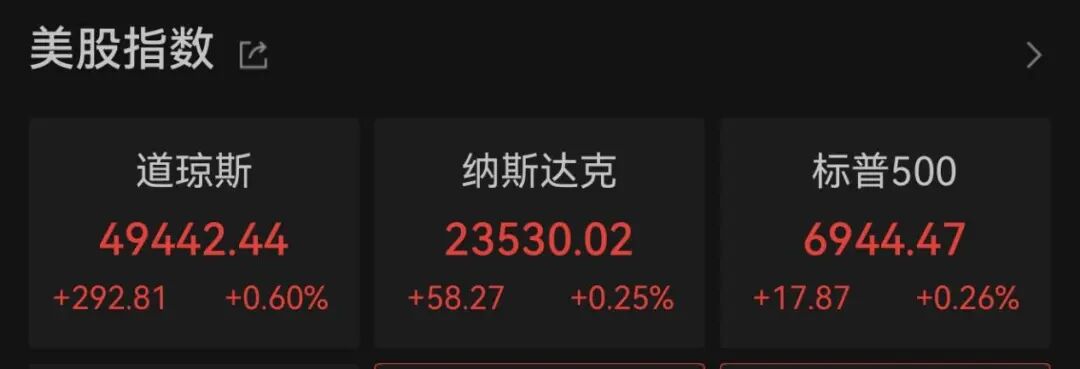
Market Overview - US stock market closed higher, led by gains in bank and chip stocks, with the Dow Jones up 292.81 points (0.60%) at 49,442.44, Nasdaq up 58.27 points (0.25%) at 23,530.02, and S&P 500 up 17.87 points (0.26%) at 6,944.47 [1] Chip Sector - The semiconductor sector saw a broad increase following TSMC's earnings report, with the Philadelphia Semiconductor Index rising 1.76% to a new historical high [4] - The White House announced a 25% import tariff on certain semiconductors and related equipment starting January 15, affecting products like Nvidia's H200 chip and AMD's MI325X AI accelerator chip, while excluding semiconductors for data centers and R&D [4] - TSMC reported a 35% increase in net profit for Q4 2025, reaching approximately $16 billion, marking a record high and exceeding expectations [5] Technology Sector - Major tech stocks showed mixed performance, with Nvidia up over 2%, Facebook up 0.86%, and Amazon up 0.65%, while Google down nearly 1%, Apple down 0.67%, and Microsoft down 0.59% [6] - Apple announced an expansion of Apple Pay's cross-border payment support for users of specific Chinese banks [7] Banking Sector - Bank stocks generally rose, with JPMorgan up 0.48%, Goldman Sachs up over 4%, Citigroup up over 4%, Morgan Stanley up nearly 6%, and Bank of America up 0.16%, while Wells Fargo fell 0.34% [8] - Goldman Sachs and Morgan Stanley reported record high revenues in their trading divisions, with Goldman planning to issue $16 billion in investment-grade bonds, the largest such issuance in Wall Street history [9] Commodity Market - Brent crude oil futures fell by $2.76 (4.15%), and WTI crude oil futures dropped by $2.83 (4.56%) [10] - Gold and silver prices experienced significant declines, with silver down over 1.5% [10]


AI在美国“与民争电”,核电成了硅谷“全村的希望”
虎嗅APP· 2026-01-16 00:22
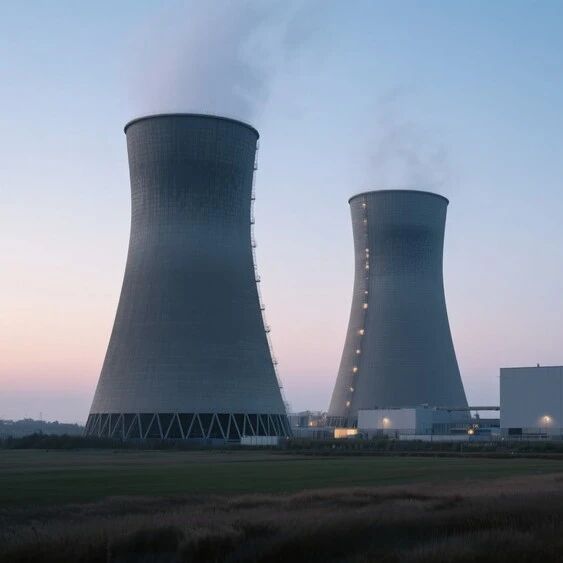
Core Viewpoint - The article discusses the increasing involvement of AI companies in the energy sector, particularly in nuclear power, as they seek to secure stable and clean energy sources to meet the growing demand driven by AI applications [4][10]. Group 1: AI Companies' Investments in Energy - Meta has signed a long-term power purchase agreement with Vistra to procure electricity from its nuclear power plants, aiming for a potential supply of up to 6.6 GW by 2035 [4][10]. - Other AI giants like Microsoft, Amazon, and Google are also investing in nuclear energy, with Microsoft reviving retired nuclear plants and Amazon purchasing data centers near nuclear facilities [9][11]. - The trend marks a shift from merely buying electricity to actively participating in energy infrastructure development, as AI companies adapt to the increasing energy demands of their operations [8][10]. Group 2: Energy Demand and Supply Challenges - The demand for electricity in the U.S. is expected to grow at an annual rate of 4.8% over the next decade, primarily driven by data centers and AI applications [5]. - The International Energy Agency (IEA) predicts that global data center electricity consumption will double to approximately 945 TWh by 2030, with AI being the main driver [6]. - The construction timelines for new power generation and transmission infrastructure lag significantly behind the rapid expansion of AI data centers, leading to potential supply shortages [12][15]. Group 3: Nuclear Energy's Role and Market Dynamics - Nuclear power is being positioned as a key solution to meet the stable energy needs of AI, with significant investments from major tech companies and supportive government policies [11][22]. - The U.S. nuclear power capacity is expected to increase, with projections indicating that AI companies could secure over 10 GW of nuclear capacity by 2035 [11]. - The article highlights the stock performance of nuclear-related companies, which have seen significant gains due to the renewed focus on nuclear energy [11]. Group 4: Infrastructure and Regulatory Challenges - The U.S. faces a significant lag in the construction of transmission infrastructure, which is critical for delivering electricity from new generation sources to high-demand areas [20][21]. - Regulatory changes are being implemented to address the challenges posed by the rapid growth of data centers, including new pricing structures for large electricity users [16][21]. - The article emphasizes that merely investing in new power plants will not resolve the energy crisis without concurrent improvements in transmission infrastructure [18][20].
全球首例!澳大利亚社交媒体禁令生效 Meta(META.US)等平台月内封禁470万未成年账户
智通财经网· 2026-01-15 23:57
智通财经APP获悉,Meta Platforms(META.US)及其他主要社交媒体平台上月在澳大利亚封禁了 470 万个未成年账户,原因是该国针对 16 岁以下人群的社交 媒体禁令正式生效。 网络监管机构 eSafety 周五表示,根据运营商提供的初步数据,这些账户的访问权限在2025年12月上半月已被移除。该法于2025年12月10日生效。 这场全球首例的严打行动,回应了人们对网络危害日益加剧的担忧;被封禁账户的数量也揭示了2800 万人口中未成年人使用社交媒体的规模。本周, Instagram 和 Facebook 的母公司 Meta称,为符合新法要求,已关闭近55万个账户。 电子安全专员朱莉·英曼·格兰特表示,目前判断各平台是否已完全合规还为时过早,但初步数据令人鼓舞。各平台分别封禁的账户数量未予披露。 澳大利亚社交媒体法:谁被禁止,谁被接受 | Banned | Allowed | | --- | --- | | Facebook | Discord | | Instagram | GitHub | | Kick | Google Classroom | | Reddit | LEGO Play | ...
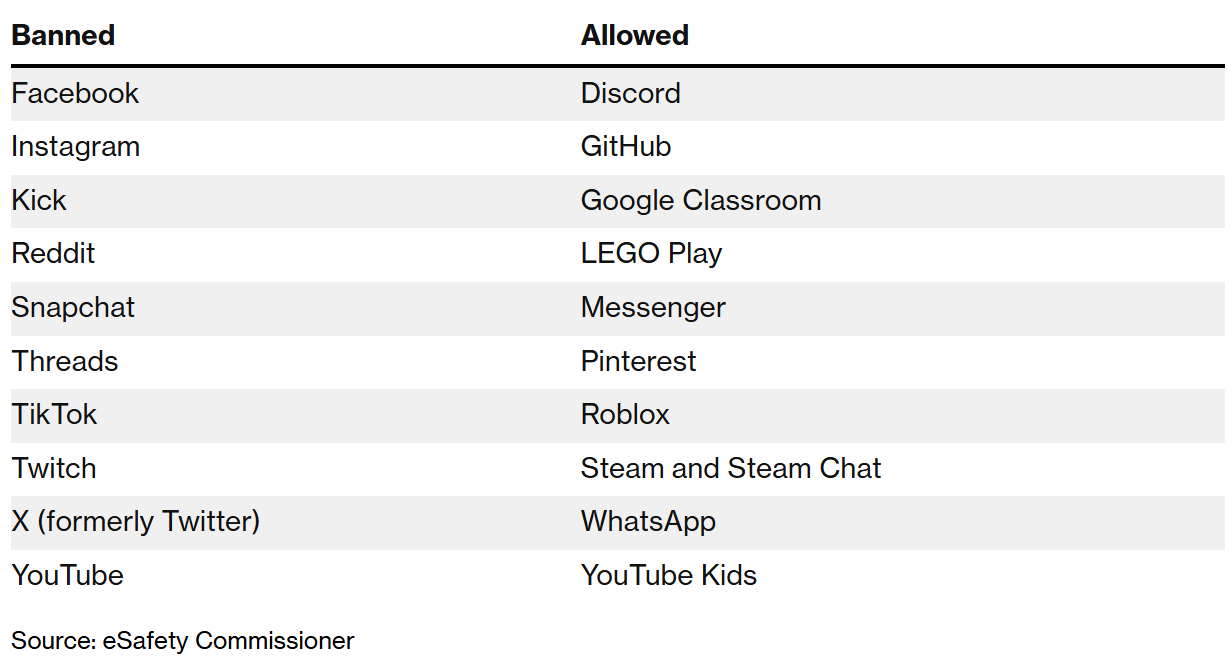
澳大利亚未成年社媒禁令威力显现 近500万个账号已被封
Feng Huang Wang· 2026-01-15 23:46
澳大利亚在全球首先对未成年人使用社交媒体进行打击,以回应日益增长的网络危害担忧。被封禁的账 号数量凸显了该国2800万人口中未成年人使用社交媒体的规模。脸书和Instagram母公司Meta本周表 示,为符合新法律的要求,它已封禁了近55万个账户。 澳大利亚实施未成年人社交媒体禁令 eSafety网络安全专员朱莉.英曼.格兰特(Julie Inman Grant)表示,目前判断各平台是否完全遵守新法规为 时过早,但她指出初步数据令人鼓舞。各平台具体封禁的账户数量尚未披露。(作者/箫雨) 凤凰网科技讯北京时间1月16日,据彭博社报道,在澳大利亚出台世界首个未成年社交媒体禁令后, Meta及其他主要社交媒体平台上月在澳大利亚封禁了470万个未成年账号。 澳大利亚网络监管机构eSafety周五表示,根据从运营商收集的初步数据,这些账号的访问权限已于去年 12月上旬被关闭。澳大利亚未成年社交媒体禁令已于去年12月10日正式生效。 ...

全球大公司要闻 | Visa联合苹果支持中国持卡人跨境支付
Wind万得· 2026-01-15 22:46
Group 1 - TSMC reported a 35% year-on-year increase in net profit for Q4 2025, reaching approximately $16 billion, with a gross margin exceeding 60% for the first time. The company expects a 40% revenue growth in Q1 2026, projecting $35.8 billion in revenue and a 37% increase in annual capital expenditure to $56 billion [2] - Goldman Sachs plans to raise $16 billion through the issuance of investment-grade bonds, marking the largest such issuance in Wall Street history. This transaction is part of three bond issuances launched after the quarterly earnings reports from the six major banks [2] - Boston Scientific announced the acquisition of Penumbra for $14.5 billion, with a per-share price of $374, representing a 19% premium over the pre-acquisition price. The deal aims to enhance the company's cardiovascular product portfolio and strengthen its competitive position in the global medical device market [2] Group 2 - SAIC Motor expects a net profit growth of 438%-558% in 2025, driven by significant increases in electric vehicle sales, supply chain cost optimization, and successful overseas market expansion [5] - Zijin Mining anticipates a net profit of 20 billion to 20.8 billion yuan for 2025, reflecting a year-on-year increase of 47.8% to 53.71%, supported by rising prices and volumes of key products like copper and cobalt [6] - Longpan Technology expects procurement transactions with CATL to reach up to 7 billion yuan in 2026, enhancing strategic cooperation in the new energy supply chain [5] Group 3 - Microsoft has raised $12.5 billion for its AI project in collaboration with BlackRock, aiming for a total of $30 billion, and has signed an AI content training agreement with Wikipedia [8] - Tesla is testing a custom 5G modem with Samsung, expecting to supply it in the first half of the year, while projecting a 59% market share in the U.S. electric vehicle market by 2025 [8] - Morgan Stanley reported Q4 2025 net revenue of $17.89 billion, a 10.3% year-on-year increase, with net profit of $4.4 billion, driven by strong performance in investment banking and wealth management [8]



BofA Maintains Buy on META, Sees No Material 2026 Expense Impact From Energy Deals
Yahoo Finance· 2026-01-15 20:01
Meta Platforms, Inc. (NASDAQ:META) is one of the Must-Watch AI Stocks on Wall Street. On January 12, BofA Securities analyst Justin Post reiterated a Buy rating on the stock with an $810.00 price target. Firm analysts view recent energy deals for Meta as strategic, anticipating no significant impact on 2026 expenses. BofA noted how Meta announced long-term partnerships with three nuclear energy companies, namely Vistra, TerraPower, and Oklo. All three partnerships are anticipated to support up to 6.6GW o ...