Meta Platforms(META)

Search documents
Meta 'turning a blind eye' to illegal gambling ads, UK Gambling Commission says
Reuters· 2026-01-19 17:29
Core Viewpoint - The Gambling Commission of Britain has accused Meta Platforms, the parent company of Facebook and Instagram, of neglecting the issue of illegal online casino advertisements on its platforms, suggesting that the company is willing to accept revenue from criminal activities [1] Group 1 - The Gambling Commission's statement highlights concerns regarding Meta Platforms' oversight of illegal gambling advertisements [1] - The accusation implies that Meta Platforms prioritizes financial gain over regulatory compliance and user safety [1] - This situation raises questions about the responsibility of social media companies in monitoring and controlling illegal content on their platforms [1]


Meta’s AI CapEx Is Not A Growth Bet - It’s A Defensive War For Relevance (NASDAQ:META)
Seeking Alpha· 2026-01-19 16:32
Core Viewpoint - Meta Platforms, Inc.'s investments in AI are characterized as reactive defensive moves rather than visionary growth investments as currently perceived by the market [1] Group 1: Investment Analysis - The article argues that the market is overestimating the potential of Meta's AI investments, suggesting they are not aligned with long-term growth strategies [1] - The analysis indicates that these investments may be a response to competitive pressures rather than a proactive strategy for innovation [1] Group 2: Market Perception - There is a discrepancy between market pricing and the actual strategic intent behind Meta's AI investments, leading to potential misinterpretations by investors [1]

Meta and Snap Face Social-Media Ban Threat. These Countries Could Follow Australia.
Barrons· 2026-01-19 16:02
Core Viewpoint - The potential social media ban for users under 16 in Australia may set a precedent that could negatively impact stocks of Meta Platforms, Snap, and Reddit if other countries adopt similar measures [1] Group 1: Impact on Companies - Meta Platforms, Snap, and Reddit could face significant stock declines if the Australian ban influences other nations to implement similar restrictions on social media usage for minors [1] - The proposed ban in Australia is part of a broader trend of increasing regulatory scrutiny on social media platforms regarding user age restrictions [1] Group 2: Industry Implications - The social media industry may experience heightened regulatory challenges as governments worldwide consider age-related restrictions, potentially leading to operational changes and increased compliance costs [1] - If the Australian model is replicated, it could reshape the user demographics and engagement strategies for social media companies, impacting their revenue models [1]

Accelerated AI Spending Hit Meta Platforms (META)
Yahoo Finance· 2026-01-19 14:34
Group 1 - Wedgewood Partners anticipates stronger market volatility in the coming years and has moderated its enthusiasm for investments [1] - The Wedgewood Composite returned -1.8% (net) in Q4 2025, underperforming compared to the S&P 500's 2.7%, Russell 1000 Growth Index's 1.1%, and Russell 1000 Value Index's 3.8% [1] - Year-to-date, the Composite gained 4.3%, significantly lower than the indexes' returns of 17.9%, 18.6%, and 15.9% respectively [1] - Poor stock selection, valuation corrections of past performers, and underweighting in AI stocks contributed to the underperformance [1] - In 2026, crowded AI investments and stretched valuations are expected to pressure prudent investment decisions [1] Group 2 - Meta Platforms, Inc. was highlighted as a leading detractor to Wedgewood's performance in Q4 2025 [2] - On January 16, 2026, Meta's stock closed at $620.25 per share, with a one-month return of -6.24% and a 52-week gain of 1.22% [2] - Meta reported +26% revenue growth, but earnings per share grew less at +20% due to increased spending on AI initiatives [3] - Daily active users on Meta's platforms rose +8% year-over-year, with users spending +5% more time on applications [3] - Meta's platforms have over 3.5 billion daily users, generating significant data for global advertisers [3]
Meta Castigated for Illegal Canadian Debt Relief Ads
Crowdfund Insider· 2026-01-19 14:26
Core Viewpoint - A Canadian licensed insolvency trustee is urging Meta to address the ongoing issue of illegal debt-relief advertising on its platforms, despite numerous warnings and evidence of harm [1][10]. Group 1: Illegal Debt-Relief Advertising - Unlicensed debt advisors are using Facebook and Instagram to target financially distressed Canadians, costing consumers and creditors millions while undermining the regulated insolvency system [2]. - Canadians paid nearly $20 million in 2023 to unregulated debt advisors for services that should have been free through licensed insolvency trustees, with the actual figure likely being higher [3]. - The Office of the Superintendent of Bankruptcy (OSB) has issued multiple warnings and alerts regarding misleading debt advisors who falsely present themselves as licensed professionals [4]. Group 2: Regulatory Challenges - The OSB and the Canadian Association of Insolvency and Restructuring Professionals have taken aggressive enforcement actions, but the regulator's powers are limited, preventing direct shutdown of illegal advertisers [5][6]. - Ongoing investigations into 32 licensed insolvency trustee licenses and 13 corporate trustee firms have been reported, alongside criminal referrals and successful convictions [6]. Group 3: Comparison with Other Platforms - Unlike Meta, Google has implemented safeguards requiring advertisers of insolvency-related services to verify their licensing status, which is seen as a more responsible approach [8]. Group 4: Impact on Stakeholders - The presence of these misleading ads not only harms vulnerable individuals but also damages creditors, distorts the insolvency process, and erodes public trust [9].
美股“七巨头”神话松动,美银Hartnett:下一轮赢家必须靠AI重塑业务
硬AI· 2026-01-19 13:16
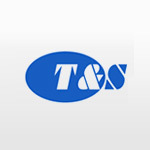
Group 1 - The "Seven Giants" of the US stock market are experiencing a breakdown, with only Alphabet and Nvidia outperforming the S&P 500 index in the past year [2][3] - The market is shifting towards a more selective investment approach, moving away from blind investments in the entire sector to targeted bets on companies that can demonstrate AI's impact on their business [3][6] - The correlation among the "Seven Giants" has collapsed, with their stock price movements no longer synchronized, despite all having trillion-dollar valuations [6][8] Group 2 - The AI trading logic has evolved, with some investors expecting AI benefits to spread to sectors like healthcare, while others continue to invest heavily in chip manufacturers or energy companies [7] - Companies like Amazon, Alphabet, Microsoft, and Meta are investing hundreds of billions in training new AI models and expanding cloud capabilities, while Nvidia remains a leader in the chip market for advanced AI models [8] - Tesla's stock has significantly underperformed due to a slowdown in electric vehicle sales, and its retail trading activity has dropped by 43% compared to two years ago [12][8] Group 3 - Despite the performance divergence, the "Seven Giants" still hold significant market influence, collectively accounting for about 36% of the S&P 500 index's market capitalization [13] - Historical trends show that popular investment groupings can become outdated, with no current alternative to the "Seven Giants" emerging yet [13]





Could This Be the Most Misunderstood Artificial Intelligence (AI) Stock on the Market?
Yahoo Finance· 2026-01-19 11:30
Group 1 - The article discusses Meta Platforms as a significant player in the AI sector, despite being primarily recognized as a social media company [2][4] - Meta has a vast user base, with 3.5 billion people using at least one of its apps daily, which provides a strong advertising revenue stream [4] - The company has increased its focus on AI, developing its own chips and data centers, and creating a large language model called Llama [5][6] Group 2 - Meta's capital spending forecast for 2025 is between $70 billion and $72 billion, indicating a significant investment in AI infrastructure [6] - The company's AI initiatives aim to enhance user engagement on its platforms, potentially increasing advertising revenue as users spend more time on the apps [7][8] - Meta is also innovating in advertising through AI, enabling the rapid creation of effective ads, which is expected to further boost ad spending [8]
The Most 'Hated' Name In the Market Right Now Is a Screaming Buy
The Motley Fool· 2026-01-19 11:30
Meta is the cheapest Magnificent Seven stock at the moment, and it's expected to grow faster than Microsoft, Apple, and Alphabet.In this video, I will discuss Meta (META 0.09%), why it is so cheap, updates on CoreWeave, Micron, Rubrik, and OpenAI. Watch the short video to learn more, consider subscribing, and click the special offer link below.*Stock prices used were from the trading day of Jan. 16, 2026. The video was published on Jan. 16, 2026. ...

AI网络超级周期杀到2026年,最大赢家从“易中天”变成“中天太长”?
Hua Er Jie Jian Wen· 2026-01-19 11:07
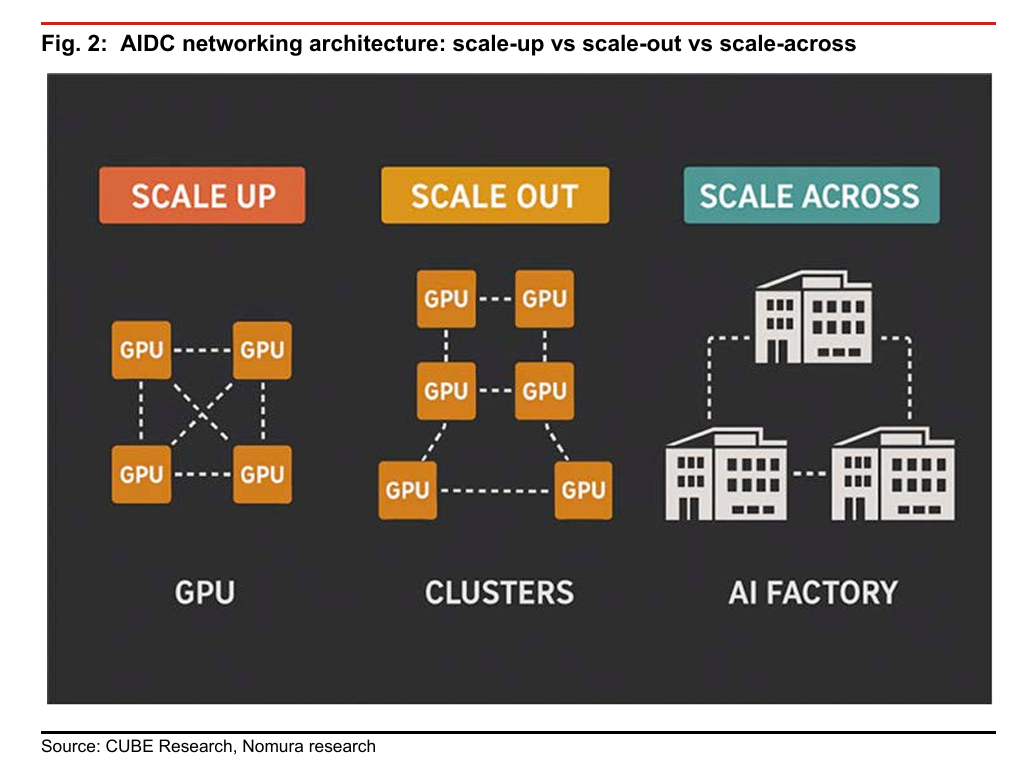
Core Insights - The global AI infrastructure investment is entering a new super cycle, driven by technology upgrades and supply shortages in key components, with significant growth expected in the AI network market until 2026 or 2027 [1] Group 1: Market Growth and Projections - The shipment of 800G optical modules is projected to increase from 20 million units in 2025 to 43 million units in 2026, while 1.6T optical module shipments are expected to surge from 2.5 million units to 20 million units [1] - The penetration rate of silicon photonics (SiPh) technology in the 800G/1.6T market is anticipated to reach 50-70% [1] - The optical module market is experiencing structural growth opportunities, with Ethernet optical module market revenue expected to surge by 93% in 2024, followed by 48% and 35% growth in 2025 and 2026, respectively [12] Group 2: Supply Chain Dynamics - Supply chain bottlenecks are expected to strengthen the competitive advantage of leading companies, with advanced optical chip production capacity projected to grow over 80% by 2026, yet still lagging behind demand by 5-15% [2] - Major players like Zhongji Xuchuang and Tianfu Communication are positioned to maintain significant market shares in the 800G/1.6T optical module market, with Zhongji Xuchuang expected to hold 25-30% and 35-40% shares, respectively [12] Group 3: Technological Advancements - The evolution of technology is critical, with AI giants like NVIDIA, Google, Meta, and Amazon AWS actively upgrading their network architectures through various technological paths, including SiPh, Co-Packaged Optics (CPO), and Optical Circuit Switching (OCS) [1] - CPO technology is expected to accelerate commercialization starting in 2026, with penetration rates projected to rise from 3% in 2026 to 20% by 2030, and market size expected to grow from $1.6 billion to $13.1 billion during the same period [14] Group 4: Market Segmentation and Trends - The optical fiber and cable market is showing a bifurcated trend, with strong demand from AI data centers, where AI application optical cable demand is expected to grow by 138% in 2024 and 77% in 2025 [13] - The Ethernet switch market is experiencing robust growth, with a 35.2% year-on-year increase in revenue in Q3 2025, and a significant rise in 800G switch revenue by 91.6% [17]



美股“七巨头”神话松动,美银Hartnett:下一轮赢家必须靠AI重塑业务
Hua Er Jie Jian Wen· 2026-01-19 06:39
这种相关性的破裂正在重塑市场格局。投资经理们指出,"七巨头"——涵盖微软,Meta,苹果,亚马逊,特斯拉,Alphabet以及英伟达——已不 再是股市长红的代名词。随着AI军备竞赛的深入,这些公司在战略投入与核心业务增长上表现各异,导致其股价走势不再同步。 Bahnsen Group的首席投资官David Bahnsen直言:"它们之间的相关性已经崩溃。如今它们唯一的共同点,仅仅是都拥有万亿美元的市值。" 曾经共同推动美股市场的"七巨头"阵营正在瓦解,这一曾被视为铁板一块的巨型科技股组合,如今已不再是投资者眼中的单一资产类别。随着市 场对人工智能热潮的看法趋于理性与审慎,这些万亿市值巨头的命运在过去一年中发生了显著分化。 在刚刚过去的2025年,仅有Alphabet和英伟达两家公司的表现跑赢了标普500指数。进入新的一年,这种分化趋势仍在延续,"七巨头"中已有五家 公司的表现不及大盘基准。曾主导市场的AI交易策略正在发生转变,资金不再盲目涌入整个板块,而是开始进行更具选择性的押注。 AI交易的分化与重构 随着牛市的演进,围绕人工智能的交易逻辑已发生演变。部分投资者预计AI红利将向医疗保健等行业扩散,而另一部分 ...